
Bamboo cutting boards are a staple in eco-friendly, functional kitchens for good reason: they’re harder than most hardwood boards, resist deep knife marks, and grow rapidly making them a highly sustainable choice. But without regular, proper oiling, even the highest-quality bamboo board will dry out, crack, warp, and harbor harmful bacteria within a year of use. Many home cooks skip this simple maintenance step, only to replace their boards far sooner than necessary. This guide walks you through exactly how to oil your bamboo cutting board, what products to use (and avoid), how often to maintain it, and pro tips to extend its lifespan by a decade or more. All guidance aligns with USDA food safety standards and is tested for real-world home and commercial kitchen use.
Why Regular Oiling Is Critical for Bamboo Board Longevity
Bamboo is technically a fast-growing grass, not a solid hardwood, which gives it a unique porous, fibrous structure. When exposed to repeated washing, heat, and air, the natural moisture inside the bamboo evaporates, causing the fibers to shrink and separate. Unsealed, dry bamboo develops micro-cracks that trap food particles and moisture, creating an ideal environment for bacteria like E. coli, Salmonella, and Listeria to grow, per USDA food safety guidelines for cutting boards. Oiling penetrates these pores to create a hydrophobic barrier that locks in the board’s natural moisture, repels water, and prevents bacterial infiltration. Properly maintained bamboo boards also resist warping from hot pots and repeated washing, and can last 10–15 years with consistent care, compared to 1–2 years for unmaintained boards. For more on this, see our guide on best bamboo drawer organizers.
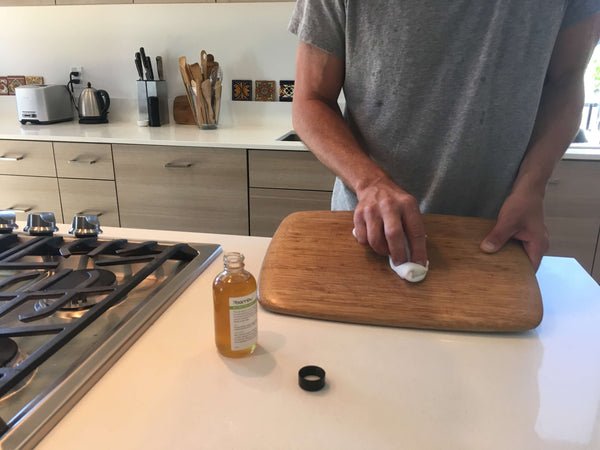
 Credit: www.amazon.com
A properly oiled bamboo cutting board has a smooth, water-resistant surface that resists cracks and bacterial growth.
Credit: www.amazon.com
A properly oiled bamboo cutting board has a smooth, water-resistant surface that resists cracks and bacterial growth.
Choosing the Right Oil (and What to Avoid)
Not all oils are safe or effective for bamboo cutting boards. Using the wrong product can leave sticky, rancid residue, damage the bamboo, or even contaminate your food. Below are the best options to use, and products to avoid at all costs.
Best Oils for Bamboo Cutting Boards
- Food-grade USP mineral oil: The gold standard for cutting board maintenance, this odorless, tasteless, colorless oil is FDA-approved for direct food contact, won’t go rancid, and penetrates deep into bamboo fibers for long-lasting protection. It’s inexpensive, widely available at most grocery stores or kitchen supply shops, and works for all types of bamboo boards.
- Beeswax-infused board butter: A blend of mineral oil and food-safe beeswax, this option adds an extra layer of surface protection, repels water even more effectively than pure mineral oil, and gives the board a subtle satin finish. It’s ideal for high-use boards or commercial kitchens, and requires less frequent oiling than pure mineral oil.
- Fractionated coconut oil (100% food-grade only): A less common but effective option for people who prefer plant-based products, as long as it is 100% fractionated (it stays liquid at room temperature and won’t solidify or go rancid like regular coconut oil).
Oils and Products to Never Use
- Perishable edible oils: Olive oil, vegetable oil, canola oil, nut oils (walnut, almond), and regular coconut oil all oxidize and go rancid within 2–3 days of application, leaving a sticky, sour-smelling residue that transfers easily to food.
- Oils with additives, fragrances, or preservatives: These are not food-safe and can cause allergic reactions or contaminate food.
- Non-food-safe products: Never use petroleum jelly, lacquer, wood varnish, bleach, or harsh chemical cleaners on your cutting board, as these are toxic if they come into contact with food and will damage the bamboo’s natural structure.
Step-by-Step Guide to Oiling Your Bamboo Cutting Board
Follow these steps for a thorough, effective oiling session that will protect your board for months. Always oil your board on a well-ventilated surface, and lay down a towel or old newspaper to catch any excess oil. For more on this, see our guide on best eco friendly cutting boards.
Step 1: Deep Clean the Board First
You cannot oil over old food residue, grease, or soap buildup, as these will repel oil and prevent it from penetrating the bamboo fibers. Start by scraping off any large food bits with a plastic spatula (never use metal, which scratches the bamboo). Wash the board with warm (not boiling) water and a small amount of mild, fragrance-free dish soap, using a non-abrasive sponge or soft scrub brush to gently scrub the entire surface, including edges, corners, and the often-neglected underside. Rinse thoroughly under running water to remove all soap residue, then pat dry immediately with a lint-free microfiber cloth. Stand the board upright on its edge to air dry completely for 1–2 hours before oiling. Common mistake: soaking the board in water or leaving it submerged, which causes the bamboo to swell, warp, and develop deep cracks.
Step 2: Apply the Oil Generously
Pour a generous amount of your chosen food-grade mineral oil or board butter directly onto the dry board surface—you’ll need roughly 1–2 tablespoons for a standard 12×18 inch cutting board, and more for larger commercial-sized boards. Use a soft, lint-free cotton cloth or unscented lint-free paper towel to spread the oil in small, circular motions, covering every inch of the board: the top cutting surface, all edges, corners, and the entire underside. Pro tip: For extremely dry, cracked boards that haven’t been oiled in over 6 months, warm the oil slightly to room temperature first—this helps it penetrate deeper into the wood fibers for better absorption. Don’t be shy with the oil; it’s better to use too much than too little, as excess will be wiped off in the final step.
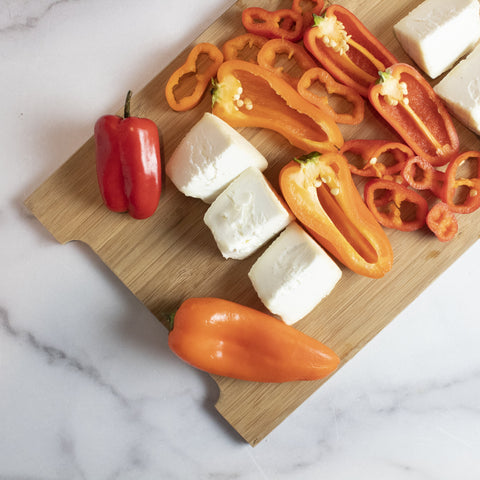 Credit: cheesegrotto.com
Spread oil evenly across the entire surface, including edges and the underside, for full, even protection.
Credit: cheesegrotto.com
Spread oil evenly across the entire surface, including edges and the underside, for full, even protection.
Step 3: Let the Oil Absorb Fully
Set the board in a warm, well-ventilated area away from direct sunlight, stovetops, or other heat sources (which cause the oil to dry too quickly and unevenly) and let it sit for at least 45 minutes to 1 hour. For boards that are extremely dry, cracked, or haven’t been oiled in over 6 months, leave it overnight for maximum absorption. Check the board halfway through the soaking period: if the oil has been fully absorbed and the board looks dry or pale in spots, apply a second round of oil to those areas. Common mistake: wiping off the oil too early, which leads to uneven protection and a sticky surface that attracts food particles.
Step 4: Wipe Off Excess Oil
After the absorption period, use a clean, dry lint-free cloth to wipe off all excess oil from the board surface. The board should feel slightly damp to the touch, not wet or sticky. If you used board butter, you can buff the surface with a clean cloth for 1–2 minutes to get a smooth, satin finish. Let the board air dry for another 30 minutes before using it for food prep. For more on this, see our guide on best bamboo organizer for kitchen appliances.
How Often Should You Oil Your Bamboo Cutting Board?
There’s no one-size-fits-all maintenance schedule, as frequency depends on how often you use the board and how you care for it. For average home use (3–5 times per week), oil the board every 4–6 weeks. For high-use boards (daily use, commercial kitchens, or boards used frequently for cutting acidic foods like tomatoes, citrus, or vinegar-based marinades), oil every 2–3 weeks to replenish the protective barrier faster. You can also perform a simple water test to check if your board needs oiling: sprinkle a few drops of water on the surface. If the water beads up and rolls off, the board is properly protected. If the water is absorbed into the wood within a few seconds, or if the board looks pale, feels rough to the touch, or has visible micro-cracks, oil it immediately, even if it’s not yet time for your regular maintenance. Always oil your board after deep cleaning it with soap, as soap strips the natural oils from the bamboo.
Pro Tips for Long-Term Cutting Board Care
Following these simple habits will extend your board’s lifespan even further and keep it safe for food prep:
- Never soak your board in water or put it in the dishwasher. Even short exposure to standing water causes the bamboo to swell, warp, and develop cracks. If you need to sanitize the board after cutting raw meat, use a 1:1 mix of water and white vinegar, wipe it on the surface, let it sit for 1 minute, then rinse and dry immediately.
- Avoid exposing the board to extreme heat: don’t place it near the stove, oven, or in direct sunlight, as heat dries out the natural fibers and causes warping. Never use it as a trivet for hot pots or pans.
- Use separate boards for raw meat, poultry, and seafood, and a separate board for produce, bread, and cooked foods to prevent cross-contamination and reduce grease absorption that requires more frequent oiling. If you don’t have counter space for multiple boards, a space-saving kitchen table with integrated storage can hold all your prep surfaces and sanitizing supplies in one accessible spot.
- Rotate your boards if you have multiple: using the same board every day wears it out faster, so alternating between 2–3 boards extends their lifespan significantly.
- If your board develops deep cracks or splinters, you can sand it lightly with 220-grit fine sandpaper before oiling to smooth out the surface. Avoid over-sanding, which removes too much of the bamboo and shortens the board’s lifespan.
- Store your board upright on its edge, not flat on a countertop, to allow air circulation on both sides and prevent moisture buildup that causes warping. If you’re short on cabinet space, use organized under-sink storage to keep your cutting boards away from excess moisture and out of reach of pets or children.
- If you store your cutting boards under upper cabinets, install under-cabinet task lighting to make it easier to spot dry spots, cracks, or food residue during routine maintenance checks.
- For other kitchen surfaces, choose sustainable kitchen appliances and cleaning products to avoid harsh chemical residues that could damage your cutting boards over time. To further reduce cross-contamination risk, use dedicated utensil organizers to keep raw meat tools like thermometers and basting brushes separate from produce prep equipment.
Frequently Asked Questions About Oiling Bamboo Cutting Boards
Can I use olive oil on my bamboo cutting board?
No. While olive oil is food-safe, it is a perishable oil that oxidizes and goes rancid within 2–3 days of application, leaving a sticky, sour-smelling residue that can transfer to food. Stick to food-grade mineral oil or beeswax-infused board butter for long-lasting protection. For more on this, see our guide on best hair cutting shears for home use.
How do I know if my bamboo board needs oiling?
Perform a quick water test: sprinkle a few drops of water on the board surface. If the water beads up and rolls off, the board is properly oiled. If the water is absorbed into the wood within a few seconds, or if the board looks pale, feels rough, or has visible micro-cracks, it’s time to oil it.
Can I oil a brand new bamboo cutting board?
Yes! Most new bamboo cutting boards are pre-oiled at the factory, but this initial coating wears off after 2–3 weeks of regular use. Oil your new board as soon as you unbox it to seal the pores and extend its lifespan from day one. For more on this, see our guide on glass food storage containers with bamboo lids.
Will oiling my board make it darken?
Yes, food-grade mineral oil will temporarily darken the bamboo, giving it a richer, warmer tone. This is normal and fades slightly after a few uses as the oil absorbs into the wood. If you prefer a lighter finish, use a beeswax-infused oil, which darkens the board less than pure mineral oil.
Can I use my board right after oiling?
No. Let the board air dry for at least 30 minutes after wiping off excess oil to ensure all surface oil has absorbed. If you use it immediately, excess oil can transfer to food, and the protective barrier won’t be fully set.
Conclusion
Oiling your bamboo cutting board is a quick, low-effort task that pays off in spades: it prevents cracking and warping, eliminates bacteria harborage spots, and extends your board’s lifespan by a decade or more. By following the steps in this guide, using the right products, and sticking to a consistent maintenance schedule, you’ll keep your board smooth, safe, and functional for all your food prep needs. Ready to get started? Pick up a bottle of USP-grade food-safe mineral oil and give your board its first deep oil treatment this weekend. For more kitchen maintenance tips and sustainable home gear guides, explore our full library of resources.

Hi, I’m Daniel Brooks—a food lover and kitchen gear enthusiast. I enjoy testing cookware, utensils, and gadgets to see what really works in everyday cooking. At PlugChef.com, I share honest reviews, comparisons, and simple guides to help you choose the best tools for a safer, smarter, and more enjoyable kitchen.
Related posts:
 How to Safely Clean Wooden Cutting Boards Using Vinegar: Expert Guide
 How to Get Stain Out of Wood Cutting Board: Easy & Effective Tips
 How to Finish Wood Cutting Board: Expert Tips for a Perfect Seal
 How to Get Smell Out of Wooden Cutting Board: Easy & Effective Tips
 When is a Plum Ripe: Expert Tips to Pick Perfect Fruit
 How to Properly Store Asparagus: Keep It Fresh Longer!

