
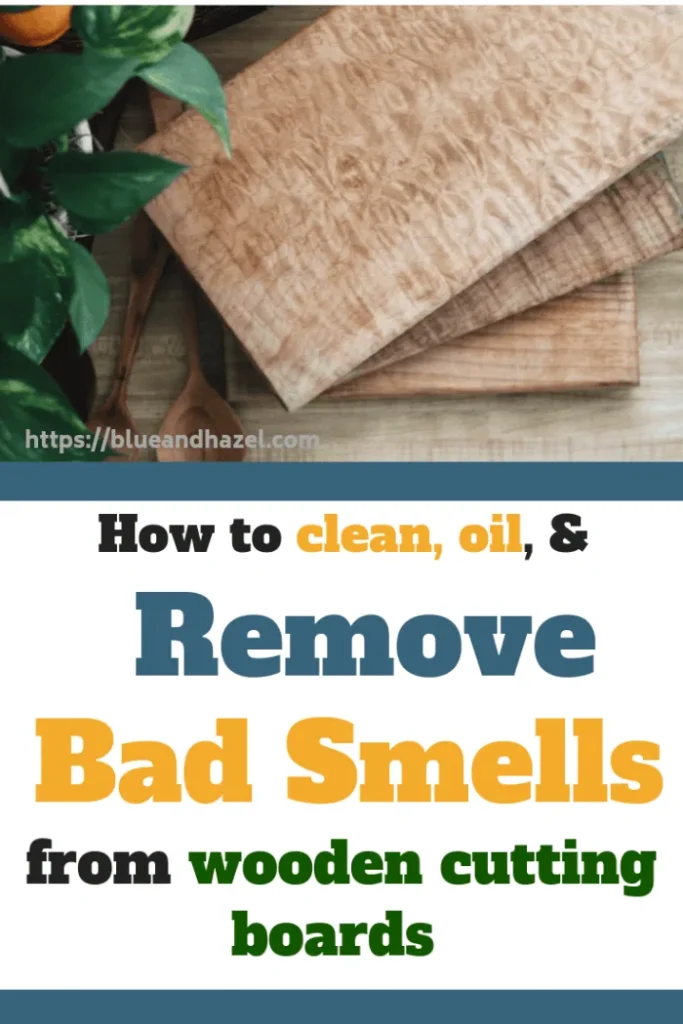
Wood cutting boards are a favorite for home cooks for their knife-friendly surface and durability, but their porous structure makes them prone to holding onto pungent onion odors that can taint the flavor of future dishes. If you’ve ever chopped onions for salsa only to notice a lingering sulfur scent on your board days later, you’re not alone—this is one of the most common complaints about wood cutting boards. This guide shares tested, food-safe methods to eliminate existing onion smells, prevent future absorption, and extend the life of your board without harsh chemicals or damage.
Why Does Onion Smell Linger on Wood Cutting Boards?
Understanding the root cause of persistent onion odors helps you choose the most effective removal method and avoid habits that make the problem worse. Two core factors drive odor retention:
- Wood porosity: End-grain boards (cut crosswise from the tree trunk) have larger, more open pores than edge-grain boards, so they absorb more moisture and odor particles. Even well-seasoned boards will trap smells if their protective oil layer wears down over time.
- Volatile sulfur compounds: When onion cells are damaged during chopping, they release propanethial s-oxide, a pungent sulfur compound that binds to wood fibers and residual oils. These compounds do not break down with plain water, which is why a quick rinse often fails to eliminate the smell. Poor maintenance habits—like irregular oiling, improper drying, or using the board for raw meat without cleaning—widen wood pores and accelerate odor absorption.
Immediate Post-Chopping Steps to Prevent Odor Buildup
70% of onion odors can be prevented entirely if you clean your board immediately after use. Follow these steps to stop smells before they seep deep into the wood:
- Scrape off all large food residue with a plastic or silicone bench scraper (avoid metal, which scratches the surface and creates more nooks for odor to hide).
- Rinse under warm (120°F / 49°C) water—hot enough to loosen onion oils, but not scalding, which can warp the wood.
- Scrub with a small amount of unscented mild dish soap and a soft-bristle brush, focusing on cut marks and grooves where residue accumulates.
- Rinse thoroughly, then dry immediately with a clean lint-free towel.
- Prop the board upright in a well-ventilated area to air dry completely before storing. Per proper cutting board hygiene practices outlined by the USDA Food Safety and Inspection Service, immediate cleaning after use is the most effective way to reduce both bacteria and odor buildup on wood surfaces.
 A lemon and salt scrub lifts onion residue and neutralizes odors from wood cutting boards.
Credit: en.chefstudio.vn
A lemon and salt scrub lifts onion residue and neutralizes odors from wood cutting boards.
Credit: en.chefstudio.vn
Proven Natural Deodorizing Methods for Existing Odors
For lingering onion smells that have already set in, these food-safe, tested methods will neutralize them without damaging your board.
Baking Soda Paste (Best for Mild to Moderate Odors)
Baking soda is alkaline, so it neutralizes the acidic sulfur compounds that cause onion odors.
- Mix 3 parts baking soda with 1 part warm water to form a thick paste.
- Spread the paste evenly over the entire board, paying extra attention to deep cut marks.
- Let sit for 15–20 minutes (up to 1 hour for stubborn odors).
- Scrub with a soft brush, rinse thoroughly with warm water, and dry completely. Note: Avoid using this method on boards with deep, unsealed cracks, as paste can get trapped and lead to mold growth.
White Vinegar Soak (Best for Disinfecting + Deodorizing)
Acetic acid in white vinegar breaks down sulfur bonds and kills odor-causing bacteria, making it ideal for boards that have been used for both onions and raw meat.
- Mix equal parts white vinegar and warm water in a shallow pan.
- Submerge the board (if it fits) or pour the mixture over the entire surface to ensure full coverage.
- Let sit for 20 minutes.
- Rinse thoroughly with warm water, then dry immediately with a towel. Note: The vinegar smell will fully dissipate once the board is dry, leaving no residual scent. Avoid this method on boards with glued wooden handles, as prolonged vinegar exposure can weaken adhesive over time.
Lemon and Coarse Salt Scrub (Best for Surface Stains + Odor)
Citric acid from lemon breaks down odor molecules, while coarse salt acts as a gentle abrasive to lift stuck residue without scratching the wood.
- Sprinkle a generous layer of coarse kosher salt over the entire board.
- Cut a lemon in half, then scrub the surface with the cut side, pressing firmly to release juice.
- Let the mixture sit for 5 minutes, then rinse thoroughly with warm water and dry. Bonus: For extra potency, squeeze the juice of an additional lemon over the salt before scrubbing.
Advanced Solutions for Deeply Embedded Odors
For odors that have soaked deep into the wood and do not respond to the methods above, these targeted treatments will eliminate even the most stubborn smells.
Activated Charcoal Treatment
Food-grade activated charcoal is highly porous, so it absorbs odor molecules from deep within wood pores without leaving any residue.
- Place 2–3 tablespoons of food-grade activated charcoal (not grill briquettes, which contain harmful chemicals) in a small bowl.
- Set the bowl on top of the cutting board, or place the board in a sealed plastic container with the charcoal.
- Leave for 4–6 hours, or overnight for extremely stubborn smells.
- Wipe the board clean with a dry cloth—no rinsing required.
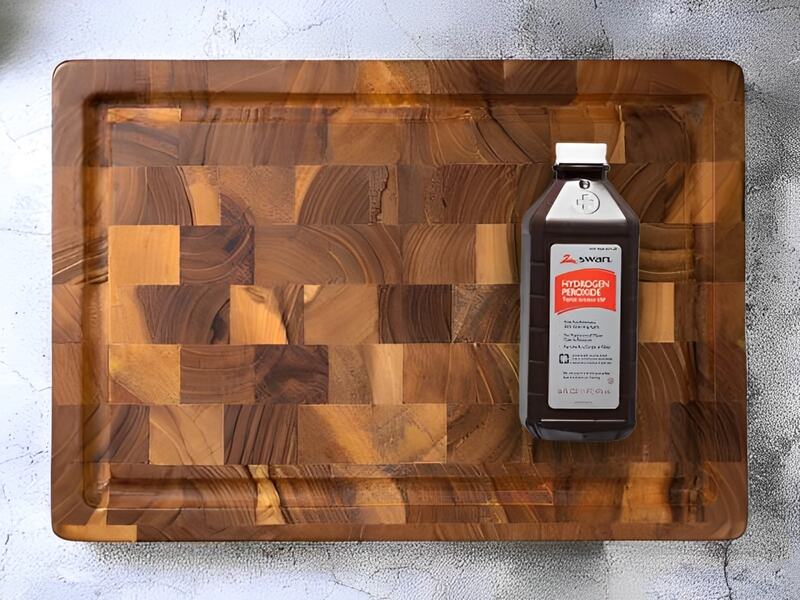
3% Hydrogen Peroxide Treatment
Hydrogen peroxide breaks down sulfur compounds and kills bacteria, making it ideal for boards that have been used for both onions and raw protein.
- Pour a small amount of 3% hydrogen peroxide (standard over-the-counter strength) over the board, or spread it evenly with a clean cloth.
- Let sit for 5–10 minutes—no longer, as prolonged exposure can dry out the wood.
- Rinse thoroughly with warm water, then dry immediately. Note: Avoid this method on stained or colored wood, as hydrogen peroxide can cause bleaching. Do not use more than once a month to prevent drying.

Critical Mistakes That Damage Your Board or Worsen Odors
Even with the best deodorizing methods, these common errors can ruin your board or make smells come back faster:
- Soaking the board in water: Wood expands when saturated, causing warping, cracking, and opening pores wider to absorb more odors next time. Only rinse with warm water, never submerge for long periods.
- Using harsh cleaners (bleach, ammonia, steel wool): These strip the wood's natural protective oils, leave toxic residues that can leach into food, and scratch the surface, creating more nooks for bacteria and odors to hide.
- Skipping post-cleaning oiling: Deep cleaning with vinegar or hydrogen peroxide strips the board's protective oil layer. Always re-oil within 24 hours of deep cleaning to seal pores and prevent future absorption.
- Storing the board while damp: Trapped moisture causes mold, mildew, and intensifies existing odors. Always dry the board completely (prop upright for 2–4 hours) before storing.
- Using the board for raw meat and produce without cleaning in between: Raw meat juices combine with onion residue to create a breeding ground for bacteria and amplify unpleasant odors. Always wash the board thoroughly between different food types.
How to Restore and Protect Your Board After Deodorizing
After removing onion smells, proper maintenance will keep your board odor-free for months:
- Re-season the board: Apply a generous layer of food-grade mineral oil (avoid vegetable or olive oil, which goes rancid quickly) with a clean cloth. Let it soak in for 30 minutes, then wipe off excess oil. For extra protection, rub in a thin layer of beeswax board cream and buff with a soft cloth.
- Follow an oiling schedule: Oil your board every 3–4 weeks if you use it daily, or every 6–8 weeks for occasional use. Per best practices for wood cutting board care from the University of Minnesota Extension, regular seasoning is the most effective way to extend your board's lifespan and reduce odor absorption.
- Store properly: Keep the board upright in a cool, dry area, away from direct sunlight, stoves, or other heat sources that can dry out the wood. Avoid storing it near strong-smelling foods like garlic or coffee, which can transfer odors.
Alternative Cutting Board Materials for Low-Odor Use
If you frequently chop onions and want to minimize odor maintenance altogether, these materials offer better odor resistance than untreated wood:
| Material | Odor Resistance | Knife Friendliness | Maintenance Level | Best Use Case |
|---|---|---|---|---|
| Edge-Grain Hardwood (maple, walnut) | Moderate | Excellent | Moderate | All-purpose home cooking, low to medium use |
| Bamboo | Moderate-High | Good | Low-Moderate | Eco-friendly, low-odor use, medium frequency |
| Polypropylene Plastic | Very High | Fair | Very Low (dishwasher safe) | Raw meat, high-hygiene needs, frequent onion chopping |
| Composite (wood + resin blend) | High | Very Good | Low | All-purpose use, low odor, durable for daily use |
| Silicone | Very High | Poor | Very Low | Light chopping, baking, kid-friendly use |
| Glass | Very High | Poor | Very Low | Serving platters, non-chopping tasks |
| Note: If you prefer the feel of wood, opt for edge-grain hardwood over end-grain, as it is less porous and easier to maintain for odor control. |
Long-Term Benefits of Proper Cutting Board Care
Consistent maintenance does more than just eliminate onion smells—it improves your overall cooking experience and protects your investment:
- Extended lifespan: A well-maintained hardwood cutting board can last 10+ years, while a neglected board may warp, crack, or develop deep grooves that harbor bacteria within 2–3 years.
- Improved food safety: Sealed wood pores reduce bacteria harboring, lowering the risk of cross-contamination between raw meat, produce, and ready-to-eat foods.
- Preserved food flavor: Boards without residual onion or garlic odors won't taint the taste of delicate dishes like fruit salads, baked goods, or sushi.
- Cost savings: Proper care eliminates the need to replace your board every few years, saving $20–$100+ depending on board quality.
- Better cooking experience: A fresh, clean board makes meal prep more enjoyable, with no unwanted odors transferring to your ingredients.
Frequently Asked Questions
How long does onion smell stay in a wood cutting board?
If left untreated, sulfur compounds can linger for weeks as they seep deep into wood pores. With immediate cleaning after use, the smell will fade within 1–2 days. Natural deodorizing methods remove existing odors within a few hours of treatment.
Can I use bleach to remove onion smell from my cutting board?
We don’t recommend bleach. While it kills bacteria, it is harsh on wood, strips natural oils, can leave toxic residues that leach into food, and may discolor the board. Stick to food-safe natural cleaners for safe, effective odor removal.
Will oiling my cutting board prevent onion smells?
Yes. Regular oiling seals the wood's pores, creating a protective barrier that reduces how much onion juice and sulfur compounds are absorbed. For best results, oil your board every 3–4 weeks if used daily, especially after deep cleaning.
Can I put my wood cutting board in the dishwasher to remove odors?
No. Dishwasher detergent is too harsh for wood, and high heat and prolonged water exposure will warp, crack, and ruin your board. Always hand wash wood cutting boards with mild soap and warm water.
Is hydrogen peroxide safe to use on my cutting board?
3% hydrogen peroxide (standard over-the-counter strength) is safe for occasional use, as it breaks down into water and oxygen with no harmful residues. Avoid using it on colored or stained wood, as it can cause bleaching, and don’t use it more than once a month to prevent drying out the wood.

Conclusion
Removing onion smell from a wood cutting board is simple with the right, food-safe methods. Immediate post-chopping cleaning prevents most odors from setting in, while natural deodorizers like baking soda, vinegar, and lemon tackle existing smells without harsh chemicals. For stubborn, deeply embedded odors, activated charcoal or hydrogen peroxide provide effective, low-effort solutions. Regular oiling and proper storage will keep your board smelling fresh for years, even with frequent onion use. For more kitchen tool care tips to simplify your cooking routine, check out our guide to maintaining your cast iron cookware for long-lasting performance.

Hi, I’m Daniel Brooks—a food lover and kitchen gear enthusiast. I enjoy testing cookware, utensils, and gadgets to see what really works in everyday cooking. At PlugChef.com, I share honest reviews, comparisons, and simple guides to help you choose the best tools for a safer, smarter, and more enjoyable kitchen.
Related posts:
 How to Make a Fruit Basket for a Gift: Easy DIY Guide
 Simplehuman Steel Frame Dish Rack: Ultimate Kitchen Upgrade
 How to Decorate Easter Baskets: Creative Tips
 How to Pack Small Kitchen Appliances for Moving: Expert Tips
 Where to Find Toll Blenders With On-Site Mixing: Top Spots
 What Kitchen Appliances Do I Need: Must-Have Essentials

