
Sweet potatoes are one of the most versatile, nutrient-dense staples you can keep in your kitchen. Packed with fiber, vitamin A, and antioxidants, they’re recommended by the USDA MyPlate guidelines for a balanced diet, and they work in everything from quick weeknight sides to indulgent desserts. Whether you’re a total beginner or just looking for fresh ways to use this humble root vegetable, this guide covers everything you need to know: how to pick the best sweet potatoes, prep them correctly, master 5 basic cooking methods, and make 5 easy, delicious recipes you’ll come back to again and again. No fancy skills required – just simple steps and pro tips to get perfect results every time.
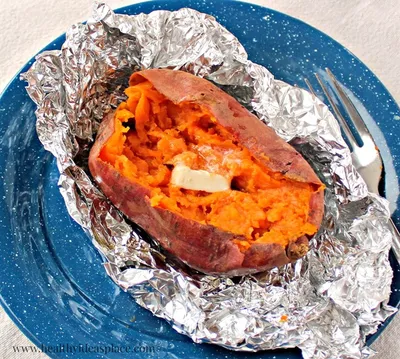 Baked sweet potatoes are a simple, versatile base for endless sweet or savory toppings
Credit: healthyideasplace.com
Baked sweet potatoes are a simple, versatile base for endless sweet or savory toppings
Credit: healthyideasplace.com
Choosing the Right Sweet Potatoes for Your Recipe
Picking the right variety and fresh, high-quality sweet potatoes is the first step to a great dish, as different types have vastly different textures, sweetness levels, and ideal use cases. A common mistake beginners make is grabbing any sweet potato at the store, only to end up with a dry, bland final dish – a small choice at the grocery store makes a huge difference in the end result.
Common Sweet Potato Varieties & Best Uses
Not all sweet potatoes are created equal. Here are the most common varieties you’ll find at most grocery stores, and what they’re best for:
- Orange-fleshed (Beauregard, Jewel): The most widely available variety, with sweet, moist, bright orange flesh. Perfect for baking, mashing, and desserts, as their high sugar content caramelizes beautifully when cooked.
- White-fleshed (Hannah, O’Henry): Mild, nutty flavor with firm, dry flesh that holds its shape well when cooked. Ideal for roasting, frying, and dishes where you want a less sweet, more savory profile.
- Purple-fleshed (Stokes Purple): Dense, earthy flesh with a subtle sweetness, colored by anthocyanin antioxidants. Great for salads, stews, and savory dishes where you want a pop of color and a firmer texture.
How to Pick and Store Fresh Sweet Potatoes
Fresh sweet potatoes will have smooth, unblemished skin with no cuts, bruises, soft spots, or green discoloration (a sign of solanine, a bitter, potentially unsafe compound). Look for potatoes that feel heavy for their size, which indicates high moisture content and a sweeter, less dry interior. Avoid any with sprouts or mold, as these are signs of age and spoilage. Store whole, uncooked sweet potatoes in a cool, dark, dry pantry – never in the refrigerator, as cold temperatures damage cell walls, cause off-flavors, and accelerate spoilage, per guidance from the University of Minnesota Extension. Properly stored, they’ll stay fresh for 1 to 2 weeks.
Prep Fundamentals: Avoid Common Mistakes for Better Results
Proper prep is the difference between a mediocre sweet potato dish and a great one. Taking a few extra minutes to wash, peel, and cut correctly will ensure even cooking, better texture, and more flavor.
Washing & Peeling Best Practices
Always scrub sweet potatoes thoroughly under cool running water with a sturdy vegetable scrub brush to remove dirt, debris, and any residual pesticides from the skin. Peeling is optional for most cooking methods: leaving the skin on adds extra fiber and nutrients, and creates a nicer texture for roasted or baked dishes. If you do peel, use a vegetable peeler or sharp knife to remove only the thin outer layer – peeling too thick wastes the nutrient-dense flesh just under the skin. A common mistake is peeling sweet potatoes well ahead of cooking, which causes the flesh to brown and dry out; peel right before use for the best results.
Cutting for Even, Consistent Cooking
Uniform cuts are non-negotiable for even cooking: small, uneven pieces will overcook while larger ones stay undercooked. Cut sweet potatoes to size based on your cooking method:
- 1-inch cubes for roasting, steaming, and soups
- 2-inch chunks for boiling and mashing
- ¼-inch sticks for fries and chips Use a sharp knife and a stable, well-maintained cutting board to avoid slips and ensure clean, even cuts. For extra safety, store sharp prep knives out of reach of children using easy-install cabinet latches.
5 Basic Sweet Potato Cooking Methods (Step-by-Step)
Mastering these core methods will let you make almost any sweet potato dish with ease. Each method brings out a unique texture and flavor, so choose the one that fits your recipe and time constraints.
Baked Sweet Potatoes (Fluffy, No-Fuss Base)
Baking is the easiest method for a soft, fluffy, naturally sweet sweet potato that works as a base for endless toppings.
- Preheat your oven to 400°F (200°C). Pierce each sweet potato 3-4 times with a fork to let steam escape (skipping this step is the #1 cause of exploded sweet potatoes in the oven).
- Place potatoes directly on the oven rack or on a baking sheet lined with foil. Bake for 45 to 60 minutes for medium-sized potatoes, until tender when pierced with a fork.
- For crispy skin, leave unwrapped; for extra soft skin, wrap loosely in foil before baking. Pro tip: Top with butter, cinnamon, or a dollop of Greek yogurt for a quick, satisfying meal.
Roasted Sweet Potatoes (Crispy, Caramelized Edges)
Roasting brings out the natural sugars in sweet potatoes, creating a crispy, caramelized exterior and a soft, sweet interior.
- Preheat your oven to 425°F (220°C). Cut sweet potatoes into 1-inch uniform cubes.
- Toss cubes with 1-2 tbsp of olive oil, salt, and your choice of spices (smoked paprika, rosemary, and garlic powder work great). For extra crispiness, toss with 1 tsp of cornstarch per pound of sweet potatoes.
- Spread in a single layer on a baking sheet – overcrowding the pan will cause them to steam instead of roast.
- Roast for 25 to 30 minutes, stirring halfway through, until golden and crispy on the edges.
Boiled Sweet Potatoes (Perfect for Mashing and Salads)
Boiling is the fastest method for soft sweet potatoes ideal for mashing, salads, or adding to casseroles.
- Peel (optional) and cut sweet potatoes into 2-inch uniform chunks.
- Place chunks in a pot and cover with cold water by 1 inch. Bring to a rolling boil, then reduce heat to a simmer.
- Cook for 15 to 20 minutes, until tender when pierced with a fork. Drain immediately to avoid waterlogging. Pro tip: Add a pinch of salt to the boiling water to infuse extra flavor into the flesh.
Steamed Sweet Potatoes (Nutrient-Packed, Mild Flavor)
Steaming preserves more nutrients than boiling, and gives sweet potatoes a clean, mild flavor perfect for salads or as a healthy side.
- Peel (optional) and cut sweet potatoes into ½-inch uniform rounds or chunks.
- Place in a steamer basket over boiling water, cover, and steam for 20 minutes, until tender when pierced with a fork.
- Let cool slightly before using in salads or serving as a side.
Microwaved Sweet Potatoes (5-Minute Quick Fix)
When you’re short on time, microwaving is the fastest way to cook a sweet potato, though it won’t give you crispy skin.
- Pierce the sweet potato 3-4 times with a fork to let steam escape.
- Microwave on high for 5 to 8 minutes, flipping halfway through, until tender when pierced.
- Let rest for 2 minutes before eating to let the heat finish cooking the interior. Pro tip: This method is best for sweet potatoes you plan to mash, blend into soup, or eat with toppings, as the skin will be soft rather than crispy.
 Roasting at high heat creates caramelized, crispy edges and a soft, sweet interior
Credit: www.tasteofhome.com
Roasting at high heat creates caramelized, crispy edges and a soft, sweet interior
Credit: www.tasteofhome.com
Easy, Delicious Sweet Potato Recipes for Every Meal
These recipes use basic ingredients and come together in 30 minutes or less, making them perfect for busy weeknights, meal prep, or weekend cooking.
Creamy Mashed Sweet Potatoes
A classic, comforting side dish that’s healthier than regular mashed potatoes, with a natural sweetness that pairs well with almost any main. Ingredients: 2 lbs sweet potatoes (peeled and cut into 2-inch chunks), 2 tbsp unsalted butter, ¼ cup whole milk or heavy cream, pinch of ground cinnamon, salt to taste. Instructions:
- Boil sweet potato chunks for 15-20 minutes until tender. Drain well.
- Mash with a potato masher or fork until smooth. Add butter, milk, cinnamon, and salt, and mix until fully combined.
- Serve warm, topped with extra butter or a sprinkle of nutmeg if desired. Serving suggestion: Pair with roasted chicken, grilled steak, or as a base for breakfast bowls topped with eggs and avocado.
Crispy Oven-Baked Sweet Potato Fries
A healthier alternative to regular French fries, with a crispy exterior and soft, sweet interior. Ingredients: 1 lb sweet potatoes (cut into ¼-inch sticks), 1 tbsp olive oil, ½ tsp smoked paprika, ¼ tsp salt, optional pinch of garlic powder. Instructions:
- Soak cut sweet potato sticks in cold water for 30 minutes to remove excess starch (this step is key for crispiness). Drain and pat completely dry with a paper towel.
- Toss sticks with olive oil, paprika, salt, and garlic powder. Spread in a single layer on a baking sheet.
- Bake at 425°F (220°C) for 20-25 minutes, flipping halfway through, until golden and crispy. Pro tip: Serve with aioli, ketchup, or a drizzle of maple syrup for a sweet-savory combo.
30-Minute Creamy Sweet Potato Soup
A warming, nutrient-dense soup perfect for cold weather, with a smooth, velvety texture and warm spices. Ingredients: 2 lbs sweet potatoes (peeled and cut into 1-inch chunks), 1 medium yellow onion (diced), 3 cups low-sodium vegetable broth, 1 tsp ground cinnamon, ½ tsp nutmeg, salt and pepper to taste, optional ¼ cup coconut milk for extra creaminess. Instructions:
- In a large pot, sauté onion in 1 tsp of olive oil over medium heat for 3-4 minutes, until soft. Add sweet potato chunks, cinnamon, nutmeg, and vegetable broth.
- Bring to a boil, then reduce heat to a simmer. Cook for 15 minutes, until sweet potatoes are very tender.
- Use an immersion blender to puree the soup until smooth. Stir in coconut milk if using, and season with salt and pepper to taste. Serving suggestion: Top with toasted pecans, a drizzle of maple syrup, or a dollop of Greek yogurt.
Loaded Stuffed Sweet Potatoes
A hearty, all-in-one meal that’s perfect for meal prep or a quick weeknight dinner. Ingredients: 2 medium sweet potatoes, 1 cup rinsed black beans, ½ cup frozen corn (thawed), ¼ cup shredded cheddar cheese, 2 tbsp salsa, optional toppings: avocado, scallions, sour cream. Instructions:
- Bake whole sweet potatoes at 400°F (200°C) for 45-60 minutes, until tender when pierced.
- Slice potatoes open lengthwise and scoop most of the flesh into a bowl, leaving a ¼-inch border of skin intact.
- Mix the scooped flesh with black beans, corn, salsa, and half the cheese. Fill the sweet potato skins with the mixture, top with the remaining cheese, and bake for 5 more minutes, until the cheese is melted.
- Top with avocado, scallions, or sour cream before serving.
Sweet Potato Hash (Breakfast or Brunch Ready)
A savory, protein-packed dish that’s perfect for breakfast, brunch, or a quick lunch. Ingredients: 1 lb sweet potatoes (cut into ½-inch cubes), 1 red bell pepper (diced), ½ medium yellow onion (diced), 2 large eggs, 1 tbsp olive oil, salt and pepper to taste. Instructions:
- Toss sweet potato cubes with 1 tsp of olive oil, salt, and pepper. Spread in a single layer on a baking sheet and roast at 425°F (220°C) for 10 minutes.
- Add bell pepper and onion to the baking sheet, toss to combine, and roast for 10 more minutes, until sweet potatoes are crispy and vegetables are soft.
- Make two small wells in the hash, crack an egg into each well, and bake for 5 more minutes, until egg whites are set and yolks are still runny.
- Season with extra salt and pepper before serving.
Flavor Boosters: Spices, Toppings & Pairings
Sweet potatoes have a naturally mild, sweet flavor that works with almost any seasoning or topping. Mixing sweet and savory elements creates balanced, memorable dishes that go beyond basic butter and cinnamon.
Go-To Spice Blends for Every Taste
- Fall Spice Blend: 1 tsp cinnamon, ½ tsp nutmeg, ¼ tsp allspice – perfect for baked sweet potatoes, mashed sweet potatoes, and desserts.
- Smoky Savory Blend: 1 tsp smoked paprika, ½ tsp cumin, ¼ tsp chili powder – great for roasted fries, hash, and stuffed sweet potatoes.
- Herby Blend: 1 tsp dried rosemary, 1 tsp dried thyme, ½ tsp garlic powder – ideal for roasted wedges and savory side dishes.
Sweet and Savory Topping Ideas
Customize your sweet potato with these topping combinations for extra texture and flavor:
- Sweet: maple syrup, honey, toasted marshmallows, brown sugar, dried cranberries
- Savory: crumbled feta or goat cheese, toasted pecans or walnuts, Greek yogurt, sour cream, scallions, crispy bacon bits, avocado slices Pro tip: Don’t be afraid to mix sweet and savory toppings – a sprinkle of cinnamon over a baked sweet potato topped with feta and pecans is a surprisingly delicious, well-balanced combination.

Pro Tips for Perfect Sweet Potatoes Every Time
Small adjustments to cooking time, temperature, and storage can make a huge difference in the final texture and flavor of your sweet potatoes.
Cooking Time & Temperature Cheat Sheet
Use this quick reference to get perfect results every time, based on the size of a medium sweet potato (6-8 oz):
| Cooking Method | Temperature | Cook Time | Best Use Case |
|---|---|---|---|
| Baking | 400°F (200°C) | 45-60 mins | Whole baked potatoes, mash, stuffed potatoes |
| Roasting | 425°F (220°C) | 25-30 mins | Fries, wedges, roasted cubes |
| Boiling | Rolling boil | 15-20 mins | Mashing, salads, casseroles |
| Steaming | Steaming | 20 mins | Salads, light side dishes, baby food |
| Microwaving | High | 5-8 mins | Quick mash, soup base, last-minute side |
Storage and Reheating Best Practices
Uncooked whole sweet potatoes should always be stored in a cool, dark, dry pantry, never in the refrigerator, as cold storage causes starches to convert to sugars too quickly, leading to off-flavors and faster spoilage. They’ll stay fresh for 1 to 2 weeks when stored properly. Cooked sweet potatoes can be stored in an airtight container in the refrigerator for 3 to 5 days. For longer storage, mash or cube cooked sweet potatoes and freeze in an airtight bag for up to 3 months; thaw in the refrigerator before use. To reheat cooked sweet potatoes without making them soggy, use an oven or toaster oven at 350°F (175°C) for 10-15 minutes. For microwave reheating, add a splash of water to the container and cover with a paper towel to trap steam, heating in 30-second intervals until warm. Clean up any sticky leftover residue with an ergonomic handle cleaning brush for fast, easy cleanup.
Troubleshooting Common Sweet Potato Cooking Issues
Even experienced cooks run into issues with sweet potatoes sometimes. Here’s how to fix the most common problems:
Dry, Crumbly Sweet Potatoes
Cause: Overcooking, or using a starchy white-fleshed variety when you wanted a moist texture. Fix: Choose orange-fleshed varieties for moist, sweet results, and test for doneness early by piercing with a fork. If mashing, add a tablespoon of butter, oil, or cream to add moisture.
Soggy Roasted Fries
Cause: Overcrowding the baking sheet, not removing excess starch, or using too little oil. Fix: Cut fries into uniform sizes, soak in cold water for 30 minutes before cooking to remove excess starch, pat completely dry, toss with enough oil to coat, and space out in a single layer on the pan with space between each fry.
Gray or Discolored Sweet Potatoes
Cause: Peeling sweet potatoes too far ahead of cooking, or storing uncooked sweet potatoes in the refrigerator. Fix: Peel sweet potatoes right before cooking, and store uncooked sweet potatoes in the pantry, not the fridge. If prepping ahead, store peeled chunks in a bowl of cold water in the fridge for up to 24 hours, and add a splash of lemon juice to the water to prevent browning.
Frequently Asked Questions
Can you eat sweet potato skins?
Yes! As long as you wash them thoroughly to remove dirt and debris, sweet potato skins are completely edible and full of extra fiber and nutrients. They add a nice, slightly chewy texture to roasted and baked dishes.
Are sweet potatoes keto-friendly?
Sweet potatoes are higher in carbohydrates than low-carb vegetables like zucchini or cauliflower, so they don’t fit strict keto diets. They do work well in moderate-carb diets, and a small ½-cup serving fits easily into a 20-30g daily net carb limit.
Can you cook sweet potatoes from frozen?
Yes! Add 5-10 minutes to the recommended cooking time for your chosen method, and there’s no need to thaw them first. Frozen cooked sweet potatoes (mashed or cubed) also freeze well for up to 3 months.
What’s the difference between sweet potatoes and yams?
True yams are starchy, drier, and less sweet than sweet potatoes, with rough, bark-like skin. Most "yams" sold in U.S. grocery stores are actually orange-fleshed sweet potatoes. For the recipes in this guide, look for sweet potatoes labeled as such for the best results.
How do I know when sweet potatoes are fully cooked?
Pierce the thickest part of the sweet potato with a fork or sharp knife. It should slide in easily with no resistance. For whole baked or boiled sweet potatoes, the flesh should be soft all the way through, not firm or chalky in the center.
Conclusion
Sweet potatoes are one of the easiest, most flexible ingredients you can master in the kitchen. With just a few basic techniques, you can make everything from crispy roasted fries to creamy mashed potatoes to hearty stuffed meals, all with minimal effort and maximum flavor. The key to success is picking the right variety for your recipe, prepping correctly, and using the right cooking method for the texture you want. Don’t be afraid to experiment with spices, toppings, and recipes to find your favorite way to enjoy this nutrient-dense staple. For more easy kitchen guides, safety tips, and cleaning hacks to make meal prep a breeze, browse our full library of resources. Keep curious kids safe while you cook with no-drill drawer locks that keep sharp tools out of reach.

I’m Abby Lu, a passionate home cook who loves simplifying everyday meals. At PlugChef.com, I share product reviews and cooking guides to help you find the best tools for your kitchen.
Related posts:
 How to Make a Fruit Basket for a Gift: Easy DIY Guide
 Do You Need a Basket? Essential Guide for Air Fryers
 What Blenders Do Tropical Smoothie Use: Expert Insights
Stainless Steel Vs White Kitchen Appliances: Ultimate Showdown
What Blenders Do Tropical Smoothie Use: Expert Insights
Stainless Steel Vs White Kitchen Appliances: Ultimate Showdown
 Kitchen Appliances for Wedding Registry: Must-Have Essentials
 Top 10 Best Non-Toxic Cooking Utensils – Safe & Durable Choices for Healthy Homes

