
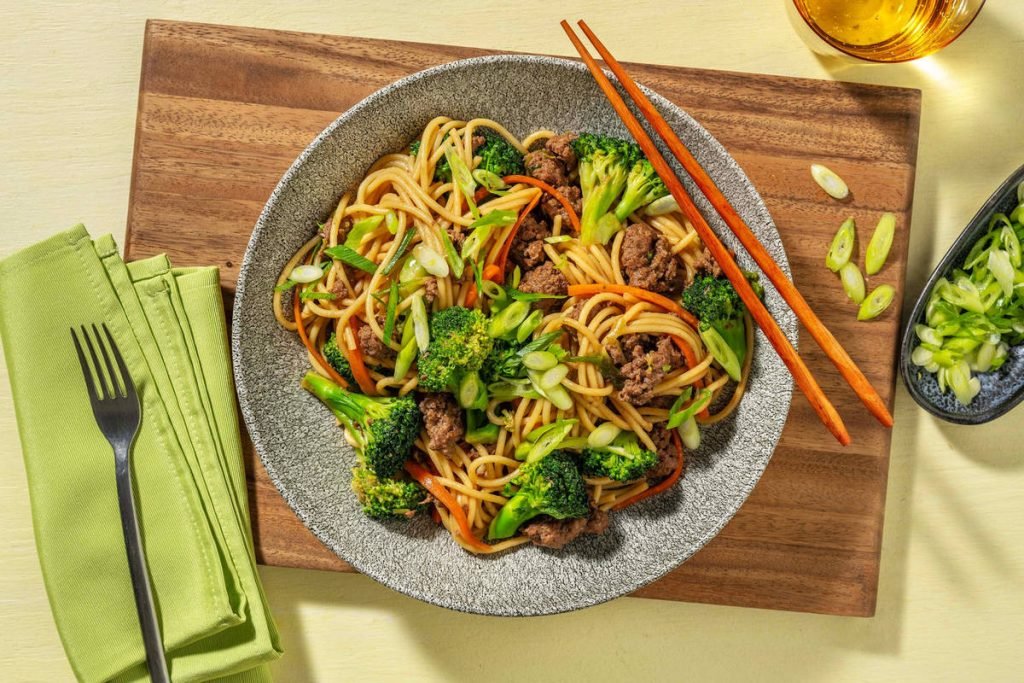
Craving a meal that’s faster, healthier, and more affordable than takeout? This beef and broccoli with noodles recipe delivers restaurant-quality flavor in 30 minutes flat, with simple ingredients you can find at any grocery store. It’s a balanced, family-friendly weeknight staple that combines tender marinated beef, crisp-tender broccoli, and sauce-coated noodles for a satisfying meal that never feels boring.
Why This Recipe Beats Takeout Any Night
Commercial takeout versions of this dish often rely on excess sodium, preservatives, and low-quality cuts of beef to cut costs. This homemade version lets you control every ingredient: use low-sodium soy sauce, fresh produce, and your choice of lean beef for a meal that’s as nutritious as it is delicious. It’s also highly customizable for dietary needs, from gluten-free to low-carb, and comes together faster than waiting for delivery. Best of all, leftovers store and reheat perfectly for quick lunches or next-day dinners.
Mise En Place: The Key To Fast, Stress-Free Cooking
Stir-fries cook in minutes over high heat, so prepping all your ingredients before you turn on the stove is non-negotiable to avoid burning or overcooking components. Gather all your ingredients and tools ahead of time, including a sharp knife, cutting board, and a reliable kitchen cleaning brush set to wash and scrub your produce quickly before cooking. Measure all sauce ingredients in advance, and use a dish scrub brush with soap dispenser to quickly wash measuring spoons and bowls between steps to avoid cross-contaminating ingredients.
Ingredients For Perfect Beef And Broccoli With Noodles
This recipe serves 4, with exact measurements to ensure consistent results every time. Use fresh, high-quality ingredients for the best flavor, and feel free to swap components to suit your dietary needs.
Beef
- 1.5 lbs (680g) flank steak or sirloin, trimmed of excess fat
- 2 tbsp low-sodium soy sauce (for marinating)
- 1 tsp cornstarch
- 1 tsp grated fresh ginger
- 2 cloves garlic, minced
Broccoli
- 1 large head of broccoli (about 1 lb / 450g), cut into bite-sized florets (stems peeled and sliced if desired)
- 1 tbsp kosher salt (for blanching water) Scrub broccoli florets with a firm kitchen cleaning brush with handle to remove any dirt or pesticide residue from the crevices before blanching.
Noodles
- 12 oz (340g) lo mein, egg noodles, or wide rice noodles
- 1 tsp neutral oil (to prevent sticking)
Sauce
- 1/3 cup low-sodium soy sauce (or tamari for gluten-free)
- 2 tbsp oyster sauce (ensure gluten-free if needed)
- 1 tbsp packed brown sugar (or honey for a cleaner sweetener)
- 1 tsp toasted sesame oil
- 2 cloves garlic, minced
- 1 tsp grated fresh ginger
- 2 tbsp cornstarch mixed with 1/4 cup cold water
- Optional: 1 tsp rice vinegar, for extra tang
- Optional: 1-2 tsp chili flakes or sriracha, for heat
If you only have frozen broccoli on hand, thaw and drain it thoroughly before cooking to avoid excess water diluting your sauce.
Nutritional Snapshot
Per serving (1/4 of the recipe):
| Nutrient | Amount |
|---|---|
| Calories | 460 |
| Protein | 34g |
| Carbohydrates | 47g |
| Dietary fiber | 6g |
| Fat | 14g |
Values are approximate, and can be adjusted based on ingredient swaps: using shirataki noodles reduces carbs to ~10g per serving, while using leaner beef cuts reduces fat content by 30%.
How To Choose The Best Noodles For This Dish
The right noodle makes a huge difference in the final texture and flavor of your beef and broccoli. You want a variety that holds up to the thick, glossy sauce without turning mushy, and complements the savory beef and crisp broccoli.
Noodle Type Comparison
| Noodle Type | Cook Time | Texture | Best For |
|---|---|---|---|
| Lo mein | 5-6 mins | Chewy, springy | Traditional takeout-style texture, holds sauce well |
| Egg noodles | 4-5 mins | Soft, slightly chewy | Hearty, comforting texture, great for family meals |
| Wide rice noodles | 3-4 mins | Firm, slightly slippery | Gluten-free option, subtle sweetness that balances savory sauce |
| Udon | 6-8 mins | Thick, chewy | Hearty, filling option for bigger appetites |
Pro Tips For Perfect Noodle Texture
Always cook noodles 1 minute shy of the package instructions to account for carryover cooking when you toss them with the hot sauce and ingredients. Drain well and rinse with hot water (not cold, which makes them sticky) to stop cooking. If you’re not serving immediately, toss with a tiny splash of sesame oil to prevent clumping. A common mistake home cooks make is overcooking noodles until they’re mushy, which throws off the entire dish’s texture balance.
Prep The Beef For Maximum Tenderness
The beef is the star of the dish, so proper prep makes the difference between chewy, tough bites and melt-in-your-mouth tender slices.
Choosing The Right Cut
Flank steak and sirloin are the best options: they’re lean, flavorful, and tender when sliced correctly. Avoid pre-sliced stir-fry beef from the grocery store, which is often cut against the grain inconsistently and can be chewy. For extra tender results, freeze the steak for 20 minutes before slicing to make it easier to cut thin, even pieces.
Slicing And Marinating
Always slice beef against the grain (perpendicular to the long muscle fibers) to shorten the fibers and make every bite tender. Marinate for 15 to 30 minutes (no longer, as the salt in the soy sauce can break down the meat too much and make it mushy) with 2 tbsp soy sauce, 1 tsp cornstarch, 1 tsp ginger, and 2 cloves minced garlic. The cornstarch is a non-negotiable: it seals in moisture during cooking and creates a silky coating that helps the sauce cling to the beef.
Cook Crisp, Vibrant Broccoli Every Time
Overcooked, mushy broccoli is the most common complaint about this dish, so blanching is the secret to perfect crisp-tender florets every time.
Blanching For Perfect Texture
Bring a large pot of salted water to a rolling boil, add broccoli florets (and peeled, sliced stems if using) and blanch for 90 seconds to 2 minutes, until they’re bright green and just tender to the bite. Immediately drain and plunge into an ice bath to stop the cooking process – this step is non-negotiable, as residual heat will continue cooking the broccoli and turn it mushy if you skip it. For additional guidance on getting crisp-tender vegetables every time, the University of Minnesota Extension's stir-fry best practices recommends blanching thicker vegetables like broccoli stems before stir-frying to ensure even cooking.
Stir-Frying The Broccoli
Heat 1 tbsp of neutral oil in a wok or large heavy-bottomed skillet over high heat until shimmering. Add drained broccoli and stir-fry for 1 to 2 minutes, tossing frequently, until it’s crisp-tender and has slight charred spots. If the pan gets too dry, add 1 tbsp of water to create a quick burst of steam to finish cooking the thicker stems. Don’t overcrowd the pan: if you’re making a large batch, cook the broccoli in two batches to avoid steaming it instead of searing it, which leads to soggy, dull-tasting veggies.
Whisk Up A Balanced, Savory Sauce
The sauce is what makes this dish cohesive, tying together the savory beef, crisp broccoli, and soft noodles into a harmonious meal. Balancing salty, sweet, umami, and aromatic flavors is easier than you think with a few simple adjustments.
Core Sauce Ingredients
For 4 servings, whisk together 1/3 cup low-sodium soy sauce (or tamari for gluten-free diets), 2 tbsp oyster sauce, 1 tbsp packed brown sugar, 1 tsp toasted sesame oil, 2 cloves minced garlic, 1 tsp grated ginger, and 2 tbsp cornstarch mixed with 1/4 cup cold water. The cornstarch is what gives the sauce its glossy, clingy texture that coats every noodle and piece of beef perfectly – don’t skip it, or your sauce will be thin and watery.
Balancing Flavors
Taste the sauce before adding it to the dish, and adjust to your preference: if it’s too salty, add a tsp of rice vinegar or a pinch more brown sugar. If it’s too sweet, add an extra tsp of soy sauce or a dash of white pepper. Remember that soy sauce and oyster sauce vary in sodium content by brand, so adjust accordingly to avoid over-salting your dish. When cooking beef, always follow USDA's safe minimum internal temperature guidelines for beef to ensure it’s cooked to a safe 145°F (63°C) for medium rare, or 160°F (71°C) for well-done.
Step-By-Step Assembly And Cooking
Once all your ingredients are prepped, this dish comes together in under 10 minutes:
- Cook the noodles according to package instructions, subtracting 1 minute from the recommended cook time to keep them al dente. Drain well, rinse with hot water to stop cooking, and set aside. If holding for more than 5 minutes, toss with a tiny splash of sesame oil to prevent sticking.
- Heat 1 tbsp of neutral oil in a wok or large heavy-bottomed skillet over high heat until shimmering. Add half the marinated beef in a single layer (don’t overcrowd the pan) and stir-fry for 1 to 2 minutes, until browned on the outside and cooked to your desired temperature. Remove the beef to a clean plate and repeat with the remaining beef, adding more oil if needed.
- Add the blanched broccoli to the same pan and stir-fry for 1 minute, until heated through and lightly charred in spots. Add the minced garlic and ginger and cook for 30 seconds more, until fragrant, taking care not to burn them.
- Add the cooked noodles and cooked beef back to the pan with the broccoli. Pour the whisked sauce over top and toss everything together for 1 to 2 minutes, until the sauce thickens and coats every ingredient evenly.
- Remove from heat, garnish with toasted sesame seeds and sliced green onions if desired, and serve immediately.
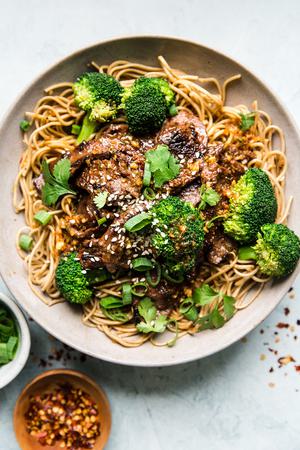 Finished beef and broccoli noodle bowl topped with toasted sesame seeds and green onions.
Credit: themodernproper.com
Finished beef and broccoli noodle bowl topped with toasted sesame seeds and green onions.
Credit: themodernproper.com
Common Mistakes To Avoid
Even experienced home cooks run into issues with stir-fries. Skip these common pitfalls for perfect results every time:
- Overcrowding the pan: This drops the pan temperature, steams ingredients instead of searing them, and leads to soggy beef and limp broccoli. Always cook in batches if you’re making a large serving.
- Overcooking the beef: Stir-fry beef for no more than 2 minutes per batch; it will continue cooking slightly when you add it back to the pan with the sauce. Overcooking makes it tough and chewy.
- Skipping the ice bath for broccoli: Residual heat will continue cooking the broccoli after you drain it, turning it mushy and dull green. Always plunge it into ice water immediately after blanching.
- Adding sauce too early: If you add the sauce before the noodles and beef are in the pan, it will thicken too quickly and clump. Always toss all ingredients together first, then add the sauce.
- Not tasting as you go: Sauce balance varies based on soy sauce brand and personal preference, so taste and adjust seasonings before serving.
Customizations For Every Diet And Taste Preference
This recipe is extremely flexible, so you can adapt it to suit any dietary need or flavor preference:
- Gluten-free: Swap regular soy sauce for tamari, use certified gluten-free noodles (rice noodles, gluten-free lo mein), and use a gluten-free oyster sauce substitute.
- Low-carb: Replace regular noodles with shirataki noodles, zucchini noodles, or spiralized carrots. Reduce the brown sugar in the sauce by half, or use a keto-friendly sweetener like monk fruit.
- Vegetarian/Vegan: Swap beef for extra-firm tofu (pressed and marinated for 30 minutes), tempeh, or shiitake mushrooms for a meaty, umami-packed alternative. Use a vegan oyster sauce substitute and skip the honey if needed.
- Spicy: Add sliced fresh chili peppers, chili flakes, or a dash of sriracha to the sauce, or drizzle chili oil over the finished dish. For a smoky heat, add a tsp of doubanjiang (spicy bean paste) to the sauce.
- Kid-friendly: Reduce the soy sauce by half, add an extra tsp of brown sugar for a milder, sweeter flavor, and skip any spicy additions. You can also add extra veggies like sliced bell peppers or snap peas to boost nutrition.
- Family cooking safety: If you’re cooking with little ones in the kitchen, keep them safe by installing child safety locks for cabinets to block access to hot pans and sharp utensils while you work.
Storage And Reheating Tips
This dish is ideal for meal prep, as it stores and reheats well without losing texture or flavor. Store leftovers in an airtight container in the refrigerator for up to 4 days. To reheat, place the desired portion in a skillet over medium heat, add 1-2 tbsp of water or broth to loosen the thickened sauce, and stir-fry for 2 to 3 minutes until heated through. You can also reheat in the microwave for 1 to 2 minutes, stirring halfway through, though the skillet method preserves the noodle texture better. If your containers have stuck-on sauce, a bathroom and kitchen cleaning brush makes scrubbing them out fast and easy.
Frequently Asked Questions
Can I use frozen broccoli instead of fresh?
Yes, but thaw and drain it thoroughly before cooking to avoid excess water diluting your sauce and making it soggy. Frozen broccoli works best if you skip the blanching step and stir-fry it directly for 2 to 3 minutes until heated through.
Which noodles work best for this recipe?
Lo mein and wide rice noodles are the top choices, as they hold up well to the thick sauce and have a satisfying chewy texture. Egg noodles work great for a more comforting, soft bite, while udon is perfect for a hearty, filling meal.
Can I make this dish gluten-free?
Absolutely. Use tamari instead of regular soy sauce, certified gluten-free noodles, and a gluten-free oyster sauce substitute. Always check ingredient labels to ensure no hidden gluten.
How do I keep the noodles from sticking together?
Rinse cooked noodles with hot water (not cold) to stop cooking, then toss with a tiny splash of sesame oil before adding them to the pan. Avoid overcooking the noodles in the first place, as mushy noodles are more prone to sticking.
Can I make the sauce ahead of time?
Yes! Whisk the sauce ingredients (minus the cornstarch and water) together and store in an airtight container in the refrigerator for up to 1 week. When you’re ready to cook, stir in the cornstarch-water mixture and whisk well before adding to the pan.
Is this dish kid-friendly?
Yes, you can easily adjust the seasoning to suit picky eaters: reduce the soy sauce by half, add an extra tsp of brown sugar for a milder, sweeter flavor, and skip any spicy additions. You can also add extra veggies like sliced carrots or snap peas to boost nutrition.
Final Thoughts
Beef and broccoli with noodles is the ultimate weeknight staple: it’s fast, customizable, packed with flavor, and far more affordable and healthy than takeout. With simple ingredients and a few pro tips, you can make restaurant-quality stir-fry at home in 30 minutes flat, no special skills required. It’s perfect for busy weeknights, casual family dinners, and even meal prep for busy workweeks. When you’re done cooking, a professional kitchen cleaning brush cuts through caramelized sauce residue on your wok or skillet, making cleanup a breeze. If you’re looking for more quick, crowd-pleasing weeknight recipes, browse our full collection of easy dinner ideas on the blog for your next meal plan.

I’m Abby Lu, a passionate home cook who loves simplifying everyday meals. At PlugChef.com, I share product reviews and cooking guides to help you find the best tools for your kitchen.
Related posts:
 Seville Expandable Cabinet And Pantry Organizer: Space Savior
 Glideware Pull Out Cabinet Organizer for Pots & Pans: Space Saver
 Small 3-Tier Shelf Organizer: Maximize Space Effortlessly
 Trader Joe’S Spicy Lentil Wrap: Delicious, Healthy, and Quick Meal!
 Easy Way to Peel Pumpkin: Quick Tips for Effortless Prep
 How Long Do Grapes Last: Ultimate Freshness Guide Revealed

