
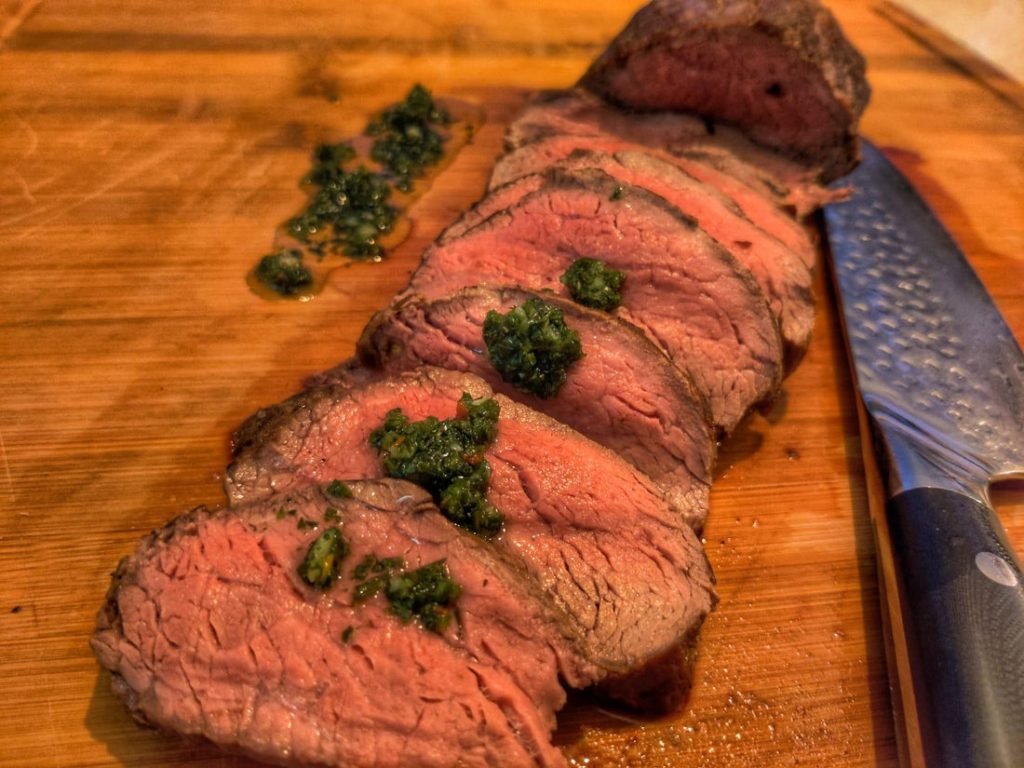
A chateaubriand is one of the most elegant, tender cuts of beef you can prepare at home, ideal for special occasions or a luxurious weeknight meal. Cut from the thick center of the beef tenderloin, this lean, boneless roast is naturally tender, with a mild, rich flavor that pairs beautifully with simple seasonings and classic sauces. Many home cooks avoid it because they fear overcooking the lean cut, but with the right selection, prep, and cooking technique, you can achieve restaurant-quality results every time. This 2026 updated guide covers every step, from choosing the perfect cut to plating and serving, with no guesswork required.
 Seared chateaubriand sliced to show juicy pink interior, served with roasted vegetables
Image source: www.harryanddavid.com
Seared chateaubriand sliced to show juicy pink interior, served with roasted vegetables
Image source: www.harryanddavid.com
What Is Chateaubriand, and How Does It Differ From Other Tenderloin Cuts?
Chateaubriand is named for 19th-century French diplomat François-René de Chateaubriand, for whom the cut was first prepared by his personal chef. Unlike smaller filet mignon steaks sliced from the same beef tenderloin muscle, chateaubriand is a thick, center-cut roast, typically 1.5 to 3 pounds and 2 to 3 inches thick, designed to serve 2 to 4 people. It is entirely boneless, with almost no connective tissue, making it the most tender cut of beef available. Its lean profile means it has minimal intramuscular fat, so overcooking is the biggest risk when preparing it. Understanding this cut’s unique traits will help you adjust your cooking technique to lock in juiciness and flavor.
Selecting the Highest-Quality Chateaubriand
The quality of your chateaubriand will make or break the final dish, so take time to choose the right cut at your butcher or grocery store.
USDA Grade and Marbling Standards
Opt for USDA Prime grade chateaubriand if available, as it has the highest concentration of fine, even marbling (intramuscular fat) that keeps the lean cut juicy during cooking. USDA Choice is a widely available, budget-friendly alternative with slightly less marbling, but still suitable for a delicious result. Avoid USDA Select grade for this special cut, as its minimal fat content will almost always lead to a dry, chewy texture if cooked past medium-rare.
Visual and Tactile Quality Checks
Look for a bright cherry red color, not dull brown or gray, which indicates age or oxidation. Fat should be firm and bright white, not yellowed. The marbling should be fine and evenly distributed, not clustered in large, hard chunks that will render out during cooking. Press the cut gently with your finger: it should feel firm and spring back, not soft or mushy. Avoid any cuts with a sour, ammonia-like smell, which signals spoilage. For detailed guidance on evaluating beef quality, refer to the University of Minnesota Extension’s beef selection resources.
Sizing and Portion Planning
A 1.5 to 2 pound chateaubriand serves 2 to 3 people generously, while a 2.5 to 3 pound cut is ideal for a party of 4. Never choose a cut thinner than 2 inches, as it will cook too quickly and risk drying out. If you are serving a larger group, opt for two separate 2-pound chateaubriands rather than one oversized cut, which will cook more evenly. Many butcher shops sell pre-tied chateaubriands, which hold their shape perfectly during cooking if you prefer to skip the tying step.
Prep Work: 3 Simple Steps for Even Cooking
Proper prep eliminates the most common cooking errors and ensures your chateaubriand cooks evenly from edge to center.
Trimming and Tying
Use a sharp boning knife and sturdy cutting surfaces to trim any excess external fat and the thin, silvery silver skin membrane on the surface of the roast. Silver skin turns chewy when cooked, so remove it completely by sliding the knife between the membrane and the meat, pulling it back to separate it easily. If your cut is not pre-tied, tie it with kitchen twine at 1-inch intervals to hold a uniform cylindrical shape, which ensures even cooking. Tie firmly but not so tight that it squeezes the meat or distorts its shape.
Seasoning for Maximum Flavor
Kosher salt and freshly cracked black pepper are all you need for a classic, flavor-forward preparation. Apply 1 teaspoon of kosher salt per pound of meat, pressing it gently into the surface to help it adhere. For extra depth, you can add a light coating of dried thyme or garlic powder, but avoid heavy spice rubs that mask the natural, mild flavor of the tenderloin. For extra juiciness, try dry brining: season the chateaubriand 24 to 48 hours in advance, leave it uncovered in the refrigerator, and allow the salt to penetrate the meat fully before cooking. This step seasons the roast from the inside out and creates an even crispier crust when seared.
Temperature Equalization
Take the seasoned chateaubriand out of the refrigerator 30 to 45 minutes before cooking to bring it to room temperature. Cold meat cooks unevenly, leading to a burnt, overcooked exterior and an undercooked, cool center. Cover the roast loosely with aluminum foil while it rests to prevent contamination.
3 Foolproof Cooking Methods for Chateaubriand
All three methods below produce a juicy, flavorful roast, with small adjustments to suit your equipment and flavor preferences.
Pan-Sear + Oven Roast (Most Reliable for Home Cooks)
This method delivers a crispy, golden-brown crust and perfectly even interior, with minimal effort. Start by preheating your oven to 400°F (204°C). Heat a cast iron or heavy stainless steel skillet over medium-high heat, then add 1 tablespoon of high-smoke-point oil (avocado, canola, or grapeseed). Sear the chateaubriand for 3 to 4 minutes per side, plus 1 minute per side for the tapered ends, until deeply golden brown. Transfer the skillet directly to the preheated oven and roast for 10 to 15 minutes, flipping halfway through, until it reaches your target internal temperature. Cast iron is ideal for this method because it holds heat evenly, eliminating hot spots that can burn the exterior before the center is cooked.
Reverse Sear (For Perfect Edge-to-Edge Doneness)
This method is ideal for extra-thick 3+ inch chateaubriands, as it eliminates the common grey, undercooked band that forms under the crust with traditional searing. Preheat your oven to 250°F (121°C). Place the seasoned chateaubriand on a wire rack set over a baking sheet, insert an instant-read meat thermometer into the thickest part, and roast until the internal temperature is 10 to 15°F below your target (e.g., 115°F for medium-rare). Heat a skillet over high heat with high-smoke-point oil, then sear for 1 minute per side plus 30 seconds per end to create a deep, caramelized crust. The result is perfectly even doneness from edge to center, with no grey band.
Grill for Smoky, Charred Flavor
Grilling adds a deep, smoky char that pairs beautifully with the rich beef. Preheat your grill to medium-high (450 to 500°F) and oil the grates thoroughly with a paper towel dipped in oil to prevent sticking. Sear the chateaubriand over direct heat for 3 to 4 minutes per side, plus 1 minute per end, until distinct grill marks form. Move the roast to the cooler, indirect heat side of the grill, close the lid, and cook for 5 to 10 minutes, flipping halfway, until it reaches your target temperature. For extra smoky flavor, add hickory or oak wood chunks to a charcoal grill.
 Close-up of chateaubriand searing in a hot cast iron skillet with butter and herbs
Image source: www.youtube.com
Close-up of chateaubriand searing in a hot cast iron skillet with butter and herbs
Image source: www.youtube.com
Nailing Perfect Doneness Every Time
Overcooking is the most common mistake when cooking chateaubriand, as its lean profile dries out quickly when cooked past medium-rare. Use the guidance below to get precise, consistent results every time.
Internal Temperature Targets
All beef cuts experience carryover cooking, where the internal temperature rises 5 to 10°F after being removed from heat as the residual heat distributes through the roast. Always pull your chateaubriand 5 to 10°F below your target doneness to account for this rise.
| Desired Doneness | Pull From Heat At | Final Temperature After Resting |
|---|---|---|
| Rare | 120°F (49°C) | 125°F (52°C) |
| Medium-Rare | 130°F (54°C) | 135°F (57°C) |
| Medium | 140°F (60°C) | 145°F (63°C) |
| Medium-Well | 150°F (66°C) | 155°F (68°C) |
| The USDA recommends cooking all whole cuts of beef to a minimum internal temperature of 145°F (63°C) followed by 3 minutes of rest for food safety, though many steak enthusiasts prefer lower temperatures for maximum tenderness with this high-quality cut. For official food safety guidance on beef cooking temperatures, refer to the USDA’s beef safety recommendations. |
Using a Meat Thermometer Correctly
An instant-read digital thermometer is the only way to get an accurate, consistent reading of doneness. Insert the probe into the thickest part of the chateaubriand, avoiding any fat or bone (if present) which can give a falsely high reading. Analog dial thermometers can be off by 10 to 15°F, so calibrate yours regularly by placing it in ice water, where it should read 32°F (0°C). Never guess doneness by touch alone, as this method is highly unreliable for thick roasts.
The Non-Negotiable Resting Step
Rest the cooked chateaubriand for 10 to 15 minutes, loosely tented with aluminum foil, before slicing. This allows the muscle fibers to relax and reabsorb their juices—cutting the roast too soon will cause all the precious juices to run out onto the cutting board, leaving the steak dry and tough. A common mistake is skipping this step to serve the meal faster, but 10 minutes of resting makes a massive difference in juiciness and flavor.
Serving Suggestions to Elevate Your Meal
A perfectly cooked chateaubriand is a showstopping centerpiece, and thoughtful pairings will turn it into a full, memorable dining experience.
Classic, Complementary Sauces
Traditional chateaubriand sauces are designed to complement the beef’s mild, rich flavor without overpowering it. Béarnaise sauce, a tangy, herb-infused emulsion, is the most classic pairing, with its bright tarragon and vinegar notes cutting through the richness of the meat. For a deeper, more savory option, a red wine reduction or Madeira sauce adds complexity that highlights the beef’s natural umami. For a sharp, bright kick, horseradish cream sauce is a popular alternative. Serve all sauces on the side so guests can customize their portions.
Balanced Side Dish Pairings
Since chateaubriand is rich and lean, pair it with a mix of starchy, fresh, and bright sides to balance the meal. Roasted root vegetables (parsnips, carrots, Yukon gold potatoes), sautéed green beans with garlic, or creamy mashed potatoes are classic, crowd-pleasing options. For a bright, crisp contrast, serve with a side of fresh cucumber salad to cut through the richness of the beef. For low-effort options, effortless comfort sides like creamy mac and cheese are a guaranteed hit with guests of all ages. If you are hosting a mixed group of eaters, pair the chateaubriand with simple slow cooker mains for a vegetarian option that requires minimal last-minute prep.
Simple, Elegant Plating
Slice the rested chateaubriand into ½-inch thick slices, fanning them out on warm plates to showcase the juicy, pink interior. Arrange sides neatly around the roast, using color contrast (e.g., bright green green beans against the pink beef) to make the plate visually appealing. Drizzle sauce artistically over the top or serve in small ramekins on the side to keep the plate clean. Finish with a sprinkle of flaky sea salt or fresh thyme sprigs for a polished, restaurant-quality look.
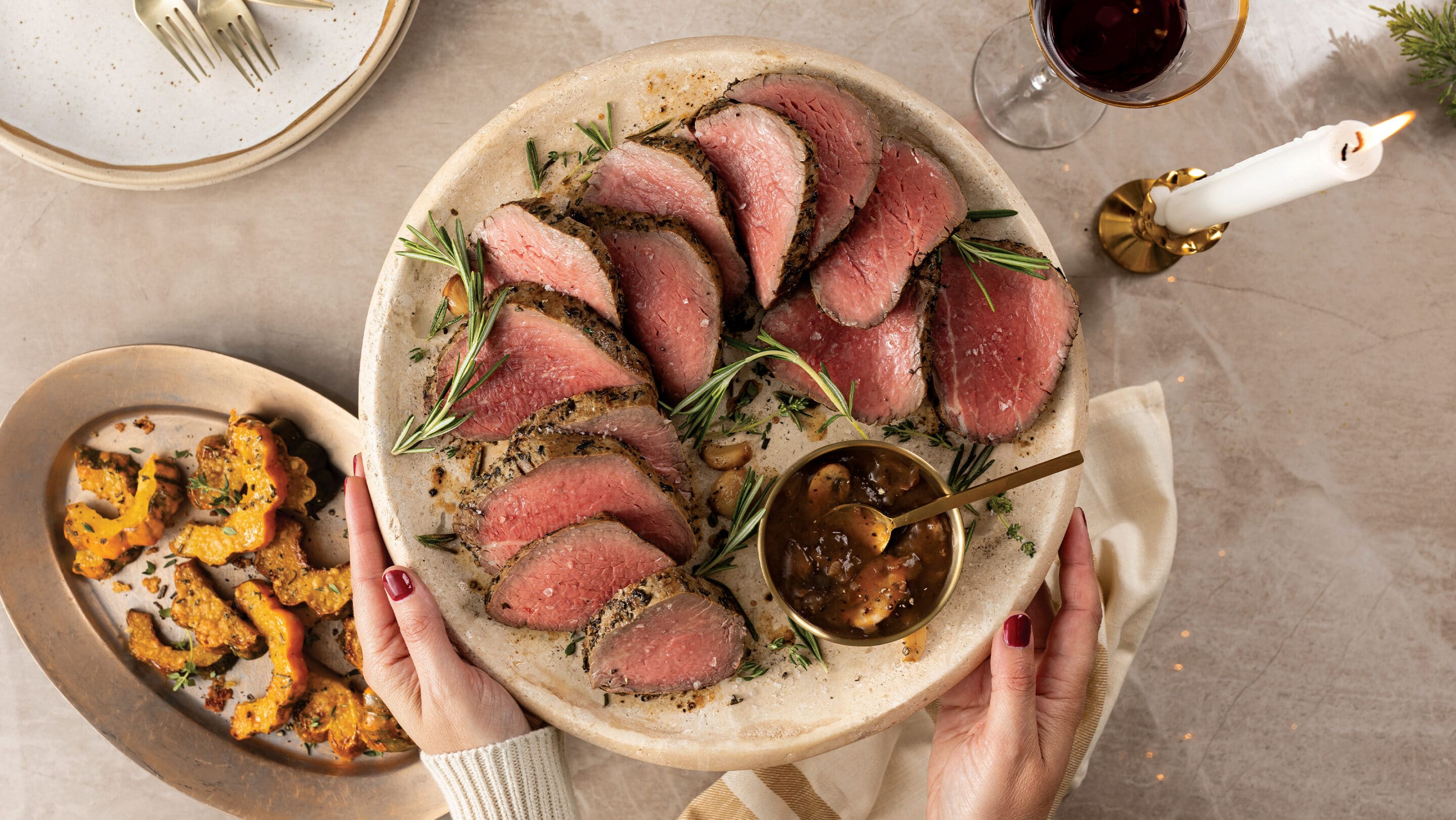 Plated chateaubriand with red wine mushroom sauce and roasted vegetables
Image source: www.omahasteaks.com
Plated chateaubriand with red wine mushroom sauce and roasted vegetables
Image source: www.omahasteaks.com
Common Mistakes That Ruin Chateaubriand
Even experienced cooks make these small errors that turn a perfect cut of beef into a dry, disappointing meal. Avoid them to get consistent results every time.
Overcooking the Lean Cut
Chateaubriand has minimal fat to protect it from drying out, so it is extremely unforgiving of overcooking. Never rely on cooking time alone, as oven and grill temperatures vary widely. Always use an instant-read thermometer to check doneness, and pull the roast 5 to 10°F below your target temperature to account for carryover cooking.
Skipping the Sear
Searing creates the Maillard reaction, a chemical process that produces the deep, savory, golden-brown crust that defines a great steak. Skipping this step results in a bland, grey exterior with no depth of flavor, even if the interior is cooked perfectly.
Skipping the Rest
Cutting the chateaubriand immediately after cooking releases all of its juices onto the cutting board, leaving the meat dry and tough. Even 5 minutes of resting makes a noticeable difference in juiciness, so always plan to rest the roast while you finish preparing sides and sauces.
Using Low-Quality Meat
Since chateaubriand is a lean cut with minimal fat to mask poor quality, always opt for the highest grade of beef you can find. Avoid pre-cut, vacuum-sealed chateaubriands from the grocery store that have been sitting for weeks, and choose a fresh cut from a butcher whenever possible.
Pro Tips for Next-Level Flavor
These small, expert techniques will take your chateaubriand from good to unforgettable.
Dry Brining for Extra Juiciness
Season the chateaubriand with kosher salt 24 to 48 hours in advance, leave it uncovered in the refrigerator, and allow the salt to penetrate the meat fully. This process, called dry brining, seasons the roast from the inside out, helps it retain moisture during cooking, and creates an even crispier crust when seared.
Compound Butter Finishing
Mix softened unsalted butter with minced garlic, chopped fresh thyme, and a pinch of salt to make compound butter. Place a tablespoon of the butter on top of the rested chateaubriand just before slicing—it melts into the meat, adding extra richness and herbaceous flavor.
Aromatic Infusions During Cooking
Add crushed garlic cloves, shallots, and fresh herb sprigs (rosemary, thyme, sage) to the skillet when searing, or place them under the roasting rack when using the oven method. The heat releases their aromatic oils, infusing the beef with subtle, layered flavor without overpowering its natural taste.
Leftover Repurposing
If you have leftovers, shred the chilled chateaubriand for savory sandwich fillings or dice it for hearty salads and breakfast hash. It stays fresh for 3 to 4 days in an airtight container in the refrigerator.
Frequently Asked Questions
What cut of beef is chateaubriand, exactly?
Chateaubriand is the thick, center cut of the beef tenderloin, the most tender muscle on the cow. It is a lean, boneless cut, typically 1.5 to 3 pounds and 2 to 3 inches thick, designed to serve 2 to 4 people. It is often confused with filet mignon, which is a smaller, individual cut sliced from the same tenderloin.
What is the best cooking method for chateaubriand?
The pan-sear + oven roast method is the most reliable for home cooks, as it gives you a crispy crust and even, juicy interior. For thicker cuts (3+ inches), the reverse sear method eliminates the grey undercooked band common with traditional searing. Grilling is ideal for adding smoky, charred flavor for outdoor meals.
What internal temperature should chateaubriand be cooked to?
For medium-rare (the most popular doneness for this cut), pull the chateaubriand from heat at 130°F (54°C), which will rise to 135°F (57°C) after resting. The USDA recommends a minimum internal temperature of 145°F (63°C) for all whole cuts of beef, followed by 3 minutes of rest, for food safety.
Do you need to sear chateaubriand before roasting?
While not strictly required, searing before roasting is highly recommended. It creates a caramelized, flavorful crust via the Maillard reaction, and locks in surface moisture for a juicier final result. You can also use the reverse sear method, where you roast first and sear at the end for an even crust edge-to-edge.
What are the best sides for chateaubriand?
Classic pairings include roasted root vegetables, sautéed green beans, creamy mashed potatoes, and Béarnaise or red wine sauce. For a bright contrast, a simple arugula or cucumber salad with lemon vinaigrette cuts through the richness of the beef.
Can you cook chateaubriand from frozen?
It is not recommended to cook chateaubriand directly from frozen, as it will cook unevenly and risk drying out. Thaw the steak fully in the refrigerator for 24 to 48 hours before cooking for the best results.
Conclusion
Cooking a perfect chateaubriand comes down to three simple rules: start with high-quality, well-marbled beef, use a meat thermometer to avoid overcooking, and never skip the resting step. With the prep and cooking techniques outlined above, even first-time home cooks can achieve a tender, juicy, restaurant-quality roast that will impress any guest. Practice these steps for your next dinner party, and pair it with a classic cocktail for a full, memorable meal.

Hi, I’m Daniel Brooks—a food lover and kitchen gear enthusiast. I enjoy testing cookware, utensils, and gadgets to see what really works in everyday cooking. At PlugChef.com, I share honest reviews, comparisons, and simple guides to help you choose the best tools for a safer, smarter, and more enjoyable kitchen.
Related posts:
 How to Make a Fruit Basket for a Gift: Easy DIY Guide
 Cord Organizer for Kitchen Appliances: Tidy Up Effortlessly
 A Passive System-Dependent Recovery Process: Boost Appliance Lifespan
 Black Kitchen Cabinets With Black Appliances: Bold Elegance
 How to Clean Kitchen Sink Drain Naturally: Easy & Effective Tips
 Granite Sink Cleaner: The Best Way to Keep Your Sink Clean

