
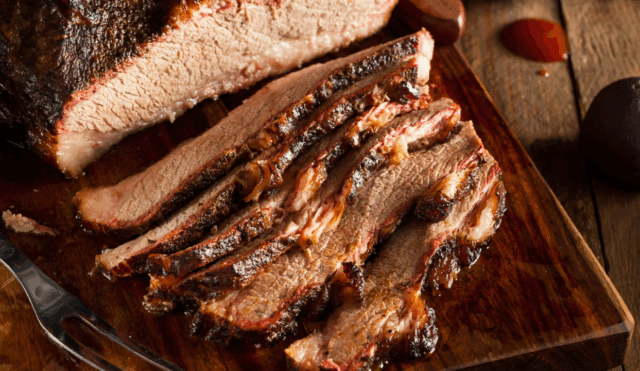
Brisket is the star of countless backyard BBQs, holiday feasts, and deli-style meals, thanks to its rich, savory flavor and melt-in-your-mouth texture when cooked low and slow. But if you’ve ever ended up with dry, chewy, flavorless leftover brisket after a big cook, you know how disappointing it can be to waste hours of cooking effort. The good news? Reheating brisket to get that first-day juicy, tender result is totally achievable with the right techniques, no fancy equipment required. In this guide, we’ll break down tested, easy-to-follow tips for every reheating scenario, so you can enjoy your leftovers just as much as the fresh brisket.
Why Brisket Reheating Needs a Deliberate Approach
Brisket isn’t like a lean steak or chicken breast — it’s a heavily exercised muscle with a high concentration of connective tissue (collagen). When you cook brisket low and slow for 4–12+ hours, that collagen melts into gelatin, which is exactly what gives the meat its signature juiciness and tender, pull-apart texture. If you reheat brisket too quickly or at high heat, that gelatin liquefies and evaporates, while the muscle fibers contract and tighten, leading to dry, tough meat that’s a far cry from your original cook. Sliced brisket is especially prone to drying out, as it has far more surface area exposed to air than a whole packer. Understanding this basic science is the key to avoiding common reheating mistakes and getting perfect results every time.
Best Reheating Methods for Juicy, Tender Brisket
 This guide outlines low-and-slow methods to preserve brisket's juicy texture and flavor
Credit: www.thegrillcoach.com
This guide outlines low-and-slow methods to preserve brisket's juicy texture and flavor
Credit: www.thegrillcoach.com
Oven Reheating (Best for Large Cuts or Whole Packer Brisket)
The oven is the most reliable method for reheating brisket evenly while preserving maximum moisture, and it works for both whole packer cuts and pre-sliced flats. Preheat your oven to 250°F (121°C) — low heat is non-negotiable to avoid tightening muscle fibers and evaporating precious juices. For whole cuts, leave the brisket unsliced to lock in extra moisture. Wrap the brisket tightly in a double layer of heavy-duty aluminum foil, adding 2–3 tablespoons of beef broth, leftover au jus, or a splash of cola (the acid tenderizes, the sugar caramelizes) before sealing. Place the wrapped brisket on a rimmed baking sheet to catch any drips, then heat for 20–30 minutes per pound for whole cuts, or 10–15 minutes per pound for pre-sliced flats. Use an instant-read meat thermometer to check for an internal temperature of 135–140°F (57–60°C) — this is hot enough to eat, and won’t overcook the already-tender meat. If you want to revive the crispy bark from your original cook, unwrap the brisket for the last 5 minutes of heating, and broil on low for 1–2 minutes, watching closely to avoid burning.
Slow Cooker Reheating (Hands-Off Option for Busy Days)
The slow cooker is perfect if you’re prepping brisket for a party, work lunch, or weeknight meal and don’t have time to monitor it. Add ¼ cup of beef broth, leftover braising liquid, or even a splash of dark beer to the bottom of the slow cooker to create steam, which keeps the meat moist during heating. Place the brisket (whole or sliced) in the insert, cover tightly with the lid, and heat on low for 3–4 hours for whole cuts, or 1–2 hours for sliced brisket, until it reaches 135°F (57°C) internal temp. If you want to add barbecue sauce, stir it into the liquid halfway through so it coats the meat evenly without burning. If your slow cooker has a "warm" setting, you can keep it there for up to 2 hours after reheating without drying it out, making it ideal for potlucks and gatherings.
Stovetop Reheating (Best for Sliced Brisket Sandwiches or Tacos)
This method is ideal for reheating small portions of sliced brisket for quick, casual meals. Use a heavy-bottomed cast iron or stainless steel skillet, which holds heat evenly and prevents hot spots that can burn the meat. Add 2 tablespoons of beef broth or water to the cold pan first, then arrange the brisket slices in a single layer. Cover the pan with a tight-fitting lid to trap steam, and heat on low to medium-low heat for 3–5 minutes, flipping the slices halfway through, until they reach 135°F (57°C). For extra flavor and texture, sear the slices for 30 seconds per side at the end to get a crispy edge — just don’t overcook them. A common mistake here is cranking the heat to high to speed up the process, which leads to burnt edges and a cold, tough middle. Pair your reheated brisket with your favorite toppings on a toasted bun, and use a sturdy kitchen scrub brush to clean up any sticky barbecue sauce spills after your meal.
Microwave Reheating (Fastest Option for Single Servings)
The microwave is only suitable for small portions of sliced brisket, as whole cuts will heat unevenly and dry out quickly. Slice the brisket into ¼-inch thick pieces to ensure even warming. Arrange the slices in a single layer on a microwave-safe plate, add 1 teaspoon of broth or water per 2 slices, and cover loosely with a damp paper towel to trap steam without making the meat soggy. Heat on 50% power in 30-second bursts, flipping the slices between each burst, until they reach 135°F (57°C). Avoid using full power, as it causes muscle fibers to contract violently and squeeze out all their juice, leading to tough, rubbery brisket.
Pro Tips to Keep Brisket Moist and Flavorful When Reheating
Add Moisture Before Heating
The easiest way to prevent dryness is to add a small amount of liquid before reheating. Beef broth is the best choice, as it complements brisket’s rich, savory flavor without overpowering it. Leftover au jus from your original cook, diluted barbecue sauce, or even a splash of apple cider vinegar (1 teaspoon per pound of brisket) works too — the acid helps break down any remaining tough fibers and brightens the overall flavor. Avoid adding too much liquid, as it can make the meat soggy; 1–2 tablespoons per pound is plenty for most methods. If you don’t have homemade beef broth on hand, use a high-quality store-bought option, and use a all-purpose kitchen brushes to scrub out your stock pots after making your own broth for future brisket cooks.
Wrap Tightly to Lock in Steam
Wrapping is non-negotiable for retaining moisture, especially when reheating in the oven or slow cooker. Heavy-duty aluminum foil is the best option, as it creates an airtight seal that traps steam and prevents the brisket from drying out. If you’re reheating sliced brisket on the stovetop, a tight-fitting lid works just as well. Plastic wrap can be used for microwave reheating, but make sure it’s microwave-safe and don’t seal it tightly, as steam buildup can cause it to burst.
Foil vs. Parchment Paper: Which to Use?
Foil is the clear winner for reheating brisket, as it reflects heat and creates an impermeable seal that locks in moisture and flavor. It’s ideal for oven and slow cooker reheating, as it can withstand high temperatures without tearing. Parchment paper is heat-resistant up to 425°F (218°C), but it’s slightly porous, so it lets some steam escape, which can lead to drier brisket. It’s only a good choice if you’re reheating brisket at a very low temperature (under 300°F) and don’t want it to stick to the pan. Never use wax paper, as it will melt and transfer a waxy flavor to the meat.
Temperature and Timing Guidelines for Perfect Results
 An instant-read thermometer ensures brisket reaches the correct temperature without overcooking
Credit: argentineasado.com
An instant-read thermometer ensures brisket reaches the correct temperature without overcooking
Credit: argentineasado.com
Target Internal Temperature for Reheated Brisket
Brisket is already fully cooked during its initial low-and-slow preparation, so reheating only needs to bring it up to serving temperature, not cook it further. For optimal juiciness and food safety, aim for an internal temperature of 135–140°F (57–60°C) — any higher will cause muscle fibers to contract and squeeze out moisture, leading to dry meat. For food safety, this aligns with USDA food safety guidelines for already cooked beef. Always use an instant-read meat thermometer for accuracy, as visual cues like color or steam are unreliable indicators of internal temperature.
Avoid Overcooking at All Costs
Overcooking is the #1 cause of dry, tough reheated brisket. If you reheat it above 150°F (65°C) for more than a few minutes, the collagen that melted into gelatin during the first cook will re-solidify, leading to a chewy, unappetizing texture. Remove the brisket from heat as soon as it hits 135–140°F, and let it rest before serving.
Reheating Time Estimates by Cut and Method
Reheating time varies based on the cut of brisket, its thickness, and the method you use. Use the table below as a general guide, but always confirm temperature with a meat thermometer rather than relying on time alone:
| Cut Type | Oven (250°F / 121°C) | Slow Cooker (Low) | Stovetop (Sliced) | Microwave (Sliced) |
|---|---|---|---|---|
| Whole Packer Brisket (10–12 lbs) | 2.5–3 hours | 4–5 hours | N/A | N/A |
| Brisket Flat (4–6 lbs) | 1–1.5 hours | 2.5–3 hours | N/A | N/A |
| Pre-Sliced Brisket | 15–20 minutes | 1–1.5 hours | 3–5 minutes | 30–60 seconds per ¼ lb |
Flavor-Boosting Tips for Reheated Brisket
Add Sauce or Seasoning at the Right Time
If you want to add barbecue sauce, avoid adding it too early if you’re using the oven or slow cooker, as the sugar in the sauce can burn at high heat. Add it during the last 15 minutes of reheating, and unwrap the brisket for the last 5 minutes to let the sauce caramelize. For dry rubs or herbs, sprinkle them on the brisket 10 minutes before reheating, so they have time to rehydrate and release their flavor into the meat. A dash of smoked paprika or a sprinkle of fresh thyme adds depth without overpowering the brisket’s natural flavor. If you do end up with burnt sauce on your baking sheet, a non-scratch kitchen cleaning brush will scrub it off without damaging the pan’s finish.
Rest Reheated Brisket Before Serving
Just like fresh-cooked brisket, reheated brisket needs a short rest to let its juices redistribute evenly throughout the meat. After taking it out of the oven, slow cooker, or skillet, cover it loosely with foil and let it rest for 5–10 minutes before slicing or serving. If you cut into it immediately, all the accumulated juices will run out onto the cutting board, leaving you with dry, tough meat. This step takes almost no extra time, but makes a huge difference in juiciness. While your brisket rests, take a minute to childproof your kitchen drawers if you have young kids, so they can’t access sharp knives or hot pans while you’re finishing up your meal.
Common Reheating Mistakes to Avoid
 Overcooking or skipping moisture steps leads to tough dry brisket leftovers
Credit: argentineasado.com
Overcooking or skipping moisture steps leads to tough dry brisket leftovers
Credit: argentineasado.com
Reheating Without Added Moisture
Even if your brisket was incredibly juicy when first cooked, it will lose moisture during storage in the fridge. Adding a small amount of liquid before reheating replaces the lost moisture and creates steam to keep the meat tender. Skipping this step is the fastest way to end up with dry, chewy leftovers.
Using High Heat to Speed Up Reheating
It’s tempting to crank the oven to 350°F or higher to reheat brisket faster, but this is a guaranteed way to ruin it. High heat causes the outer layers of the brisket to cook much faster than the center, leading to burnt edges and a cold, tough middle. Low, slow heat ensures even warming from edge to center, without drying out the meat.
Reheating More Than Once
Every time you reheat brisket, it loses more moisture and the muscle fibers contract further, leading to progressively drier meat. Only reheat the portion you plan to eat immediately, and store leftover reheated brisket in an airtight container in the fridge for up to 3 days. If you need to reheat a large batch, reheat the whole cut once, then slice and portion out what you need, rather than reheating the entire batch multiple times. Only reheat the portion you plan to eat immediately, and store leftover reheated brisket in an airtight container in the fridge for up to 3 days. If you need to clean those containers afterward, a dish scrub brush with soap dispenser makes washing out sticky brisket residue quick and easy.
Skipping the Rest Period
Cutting into brisket right after reheating causes all the accumulated juices to escape, leaving the meat dry and tough. The 5–10 minute rest period is non-negotiable for juicy, tender results, no matter which reheating method you use.
FAQs About Reheating Brisket
How Do You Reheat Brisket Without Drying It Out?
To avoid dryness, reheat brisket slowly with added moisture, using low heat and a tight wrap. The oven and slow cooker are the best methods for retaining juiciness, as they use gentle, even heat and trap steam around the meat. Always add 1–2 tablespoons of beef broth or leftover cooking liquid per pound of brisket before heating, and wrap it tightly in foil to lock in moisture.
What Is The Best Method To Reheat Brisket?
The oven is the best all-around method for reheating brisket, as it provides even, gentle heat and works for both whole cuts and sliced portions. Wrap the brisket in foil with a splash of broth, heat at 250°F (121°C) for 20–30 minutes per pound, and let it rest before serving for maximum juiciness.
Can I Reheat Brisket In The Microwave?
Yes, but only for small portions of sliced brisket. Whole cuts will heat unevenly and dry out in the microwave. Slice the brisket into ¼-inch pieces, add a teaspoon of broth per 2 slices, cover with a damp paper towel, and heat on 50% power in 30-second bursts, flipping between each burst, until it reaches 135°F (57°C).
How Long Should I Reheat Brisket In The Oven?
Reheating time in the oven depends on the cut and thickness: whole packer brisket takes 2.5–3 hours, brisket flats take 1–1.5 hours, and pre-sliced brisket takes 15–20 minutes, all at 250°F (121°C). Always use a meat thermometer to confirm the internal temperature reaches 135–140°F (57–60°C) rather than relying on time alone.
Can I reheat frozen brisket?
Yes, but always thaw it in the refrigerator for 24–48 hours first before reheating. Reheating brisket from frozen will lead to uneven heating, with a frozen center and overcooked outer edges. Once fully thawed, reheat it using your preferred method, adding an extra tablespoon of broth per pound to account for moisture lost during freezing.
Can I reheat brisket in an air fryer?
Yes, for small portions of sliced brisket. Preheat the air fryer to 300°F (149°C), arrange the slices in a single layer, and brush lightly with broth or barbecue sauce. Heat for 2–3 minutes, flipping halfway through, until it reaches 135°F (57°C). Avoid overcrowding the basket, as this will cause uneven heating and dry spots.
How do I know if reheated brisket is still good?
Properly stored cooked brisket will last 3–4 days in an airtight container in the refrigerator. If it has a sour, off smell, slimy texture, or visible mold growth, discard it immediately. Reheated brisket should be consumed right away, and never left out at room temperature for more than 2 hours to avoid bacterial growth.
Can I reheat brisket with the bark intact?
Yes, the oven method is the best choice for preserving crispy bark. Wrap the brisket in foil for the first two-thirds of the reheating time to warm it through evenly, then unwrap it for the final 5–10 minutes to let the bark crisp back up. For extra crunch, finish it under the broiler for 1–2 minutes, but watch it closely to avoid burning the edges.
Conclusion
Since brisket takes hours of low-and-slow cooking to get right, reheating it properly ensures you don’t waste that time and effort. The key takeaways for perfect results are simple: use low, gentle heat, add a small amount of moisture before heating, wrap the brisket tightly to lock in steam, and let it rest for 5–10 minutes before serving. No matter which method you choose for your time constraints and tools, you can enjoy juicy, tender brisket leftovers that taste just as rich and savory as the day you cooked them. For more pro BBQ tips, recipes, and kitchen hacks, explore our full library of cooking guides to make every meal a success.

I’m Abby Lu, a passionate home cook who loves simplifying everyday meals. At PlugChef.com, I share product reviews and cooking guides to help you find the best tools for your kitchen.
Related posts:
 First Aid Kit Empty Bag: Essential Tips to Restock Quickly
 Food Posters for Kitchen: Stunning Designs to Elevate Your Space
 First Aid Kit for Motorcycle: Essential Gear for Safe Riding
 Vintage Johnson And Johnson First Aid Kit: Timeless Health Essential
 First Aid Kit Fsa Eligible: Essential Items You Can Buy Today
 How to Use Lemon Pesto: Easy Recipes to Boost Flavor Quickly

