
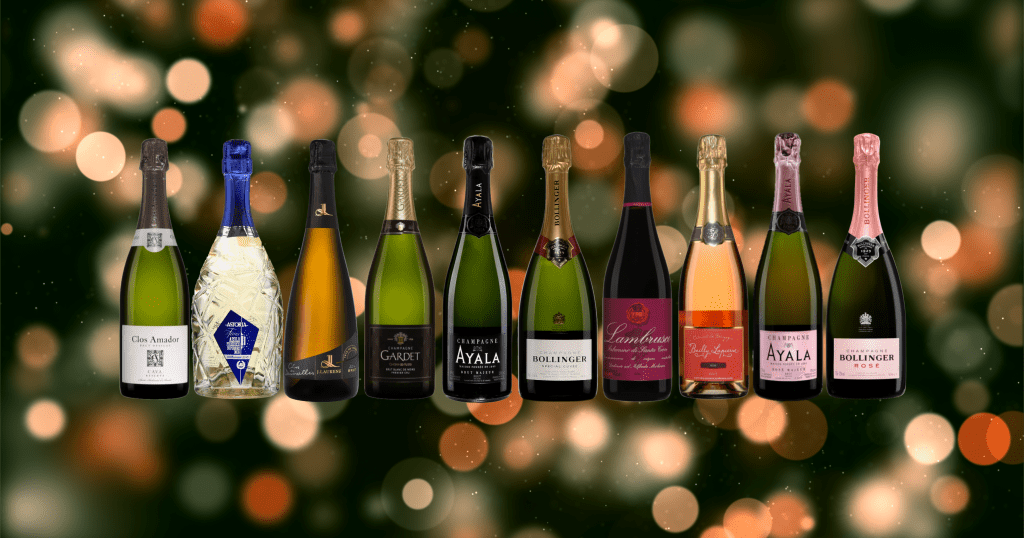
Mimosas are the unofficial star of weekend brunches, holiday gatherings, and lazy Sunday mornings, but the difference between a mediocre, syrupy sip and a bright, refreshing one comes down to one key ingredient: the sparkling wine. A low-quality bubbly can turn your drink flat, overly sweet, or harsh, while the right pick amplifies the citrus brightness of orange juice and keeps every sip lively. Whether you’re hosting a 20-person graduation brunch or a casual hang with friends, we’ve broken down exactly what to look for in sparkling wine for mimosas, top picks for every budget, pro mixing tips, and common mistakes to avoid, so you can serve perfect mimosas every time. For more ideas to elevate your next gathering, our brunch hosting tips can help you pull off a seamless event from start to finish.
Sparkling Wine Types Best Suited for Mimosas
Not all sparkling wine is created equal for mixing, and each style brings a unique flavor profile and texture to your mimosa. Understanding the core differences between types will help you pick the perfect bottle for your taste and budget.
Champagne
The classic mimosa staple, Champagne is produced exclusively in the Champagne region of France using the traditional méthode champenoise, where secondary fermentation happens inside the bottle to create fine, persistent bubbles. Most Champagnes labeled Brut have crisp acidity, notes of green apple, pear, and subtle brioche, and a dry finish that balances the sweetness of orange juice perfectly. It pairs especially well with freshly squeezed, pulp-free orange juice, and holds up to alternative juices like grapefruit for a less sweet, more sophisticated mimosa. Reserve higher-end Champagne for special occasions, as its delicate nuanced flavors can get lost when mixed with juice for casual gatherings.
Prosecco
Hailing from Italy’s Veneto region, Prosecco is made using the Charmat method, where secondary fermentation happens in large tanks rather than individual bottles. This creates softer, fruit-forward bubbles and flavor notes of white peach, lemon, and melon, with a slightly sweeter finish than Champagne. It’s one of the most popular choices for casual brunches because it’s affordable, widely available, and approachable for people who don’t prefer sharp, acidic bubbly. Opt for a dry (Brut) Prosecco to avoid an overly sweet mimosa, and pair it with pineapple juice for a tropical twist.
Cava
Spain’s answer to affordable, high-quality sparkling wine, Cava is made using the traditional method, often with indigenous Spanish grapes like Macabeo, Xarel-lo, and Parellada. It has bright acidity, citrus and subtle almond notes, and lively but not overpowering bubbles, with a dry finish that’s perfect for people who prefer less sweet mimosas. Cava is typically priced lower than both Champagne and many Proseccos, making it an excellent value pick for large groups or everyday brunches.
Other Worthwhile Options
- Crémant: French sparkling wine produced outside the Champagne region, often with floral and stone fruit notes, perfect for berry juice mimosas
- Brut Rosé: Sparkling rosé with bright red berry flavors, adds a vibrant pink hue and fruity twist to mimosas, ideal for spring and summer brunches
- American Sparkling Wine: Produced in regions like California, Oregon, and New Mexico, many use the traditional method and offer fruit-forward, affordable options perfect for casual gatherings
Key Qualities to Look For (and Common Pitfalls to Avoid)
When shopping for sparkling wine for mimosas, focusing on a few core traits will help you avoid bad purchases and ensure a balanced, refreshing drink every time.
Flavor and Acidity Balance
The best sparkling wines for mimosas have bright, crisp acidity that cuts through the natural sweetness of orange juice, rather than heavy, oaky, or buttery notes that can clash with citrus. Avoid sparkling wines with strong vanilla, toast, or oak flavors, as these will make your mimosa taste disjointed and heavy. In practice, most dry sparkling wines with citrus or green apple notes work perfectly, as their bright acidity amplifies the juice’s freshness.
Sweetness Levels Decoded
Sparkling wine sweetness is strictly regulated by the U.S. Alcohol and Tobacco Tax and Trade Bureau (TTB) to ensure consistent labeling for consumers — you can review the full official classification standards to understand exactly what each term means. For mimosas, Brut (less than 12g of residual sugar per liter) is the best pick, as its dry finish balances the sweetness of juice without making the drink cloying. A common mistake is assuming Extra Dry is less sweet than Brut, but Extra Dry actually has 12-17g of residual sugar, making it noticeably sweeter and likely to result in an overly sugary mimosa when mixed with orange juice. Sec and Demi-Sec sparkling wines are far too sweet for mimosas and should be avoided.
Bubble Quality
Fine, persistent bubbles are a sign of high-quality sparkling wine, as they come from slow, secondary fermentation in the bottle (traditional method). Coarse, large bubbles usually indicate lower-quality wine made with forced carbonation, or improper storage, and will make your mimosa feel fizzy and harsh on the palate rather than smooth and lively. Fine bubbles also stay carbonated longer after mixing, so your mimosas won’t go flat halfway through brunch.
Price vs. Value
You absolutely do not need to spend $50 or more on Champagne for mimosas. In most cases, a $15-$20 Prosecco or Cava will taste just as good when mixed with juice, as the subtle nuanced flavors of expensive sparkling wine get lost when combined with orange juice. Save luxury Champagne for occasions where you’re serving it on its own, or for a small batch of mimosas for a milestone event like a graduation or engagement party.
Top Sparkling Wine Picks for Every Budget (2026 Edition)
We’ve tested dozens of sparkling wines for mimosas to curate this list of top picks for every budget, all widely available at major grocery and liquor stores as of 2026.
Budget-Friendly Picks (Under $15)
These affordable options deliver crisp flavor and fine bubbles without breaking the bank, perfect for casual weekend brunches or large groups:
- Freixenet Cordon Negro Brut: A classic, widely available Cava with crisp green apple and citrus notes, dry finish, and fine bubbles. $12 per bottle, pairs perfectly with standard orange juice.
- La Marca Prosecco: Light, refreshing Prosecco with notes of lemon and white peach, soft bubbles, and a crisp finish. $14 per bottle, ideal for people who prefer less acidic bubbly.
- Cristalino Brut Cava: Bright, dry Cava with citrus and green apple flavors, lively bubbles, and no harsh aftertaste. $13 per bottle, great for people who prefer less sweet mimosas.
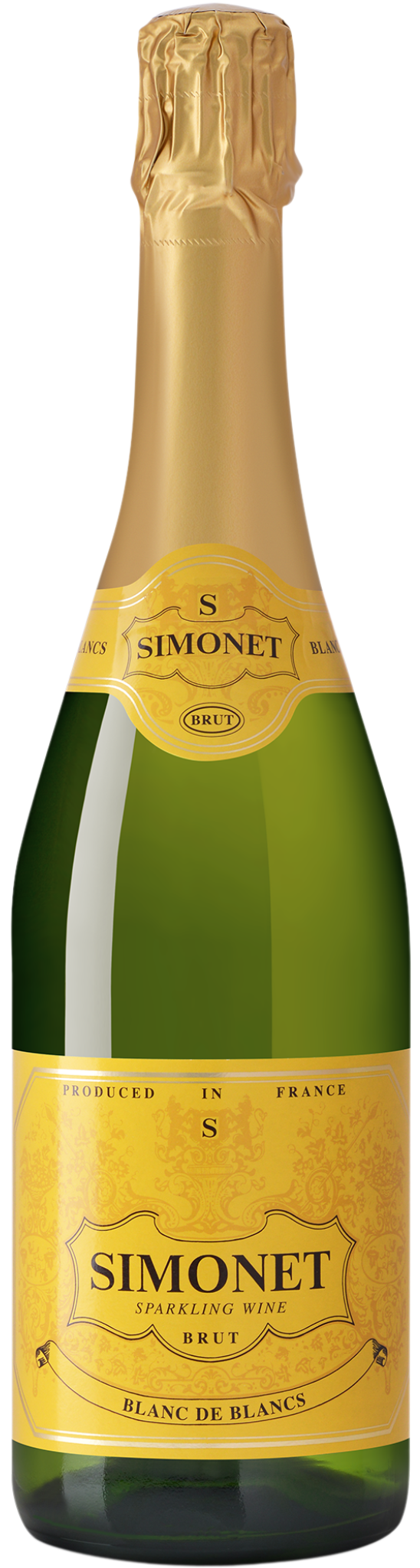 Simonet Brut, a crisp, budget-friendly sparkling wine ideal for mixing with orange juice.
Credit: www.winebow.com
Simonet Brut, a crisp, budget-friendly sparkling wine ideal for mixing with orange juice.
Credit: www.winebow.com
Mid-Range Favorites ($15-$30)
These picks offer a step up in quality and complexity, perfect for hosting small groups or special casual gatherings:
- Chandon Brut: California-produced sparkling wine with notes of apple, pear, and subtle brioche, fine bubbles, and a crisp, balanced finish. $18 per bottle, a great domestic option for mimosas.
- Gruet Brut: New Mexico-based sparkling wine made using the traditional method, with bright citrus, green apple, and a dry, clean finish. $20 per bottle, an often-overlooked value that rivals much more expensive options.
- Piper-Heidsieck Brut: French sparkling wine with balanced fruity and toasty notes, fine persistent bubbles, and a smooth mouthfeel. $22 per bottle, perfect for small groups where you want a slightly more refined taste.
Luxury Picks ($30+)
Reserve these premium options for milestone occasions where you want to serve a truly exceptional mimosa, either on its own or for a small, high-end gathering:
- Veuve Clicquot Brut: Rich, full-bodied Champagne with notes of citrus, brioche, and toasted almond, fine bubbles, and a long, complex finish. $45 per bottle, perfect for graduation or engagement brunches.
- Moët & Chandon Impérial: Crowd-pleasing Champagne with notes of peach, apple, and white flower, soft bubbles, and a bright, approachable finish. $40 per bottle, ideal for large groups of people celebrating a special event.
- Taittinger Brut La Française: Elegant, refined Champagne with notes of vanilla, peach, and citrus, fine bubbles, and a crisp, dry finish. $50 per bottle, perfect for intimate milestone celebrations.
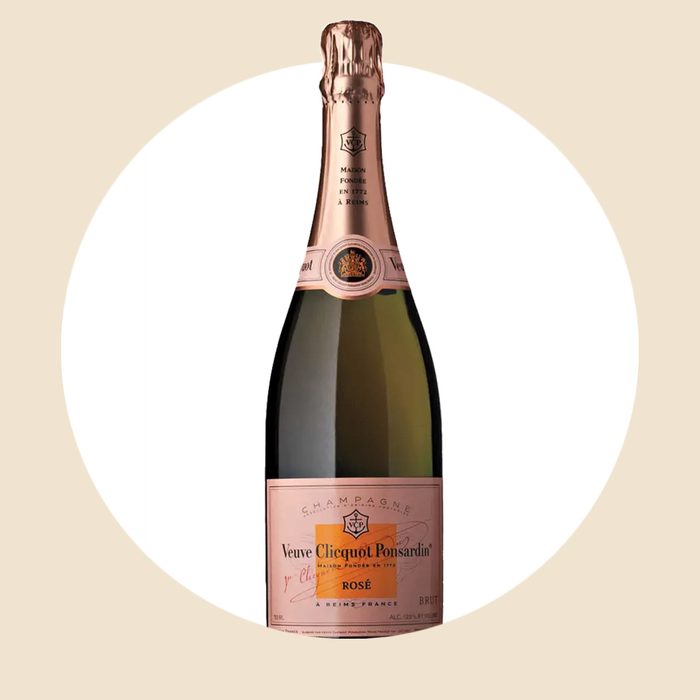 A bright, festive sparkling rosé mimosa perfect for spring and summer brunches.
Credit: www.tasteofhome.com
A bright, festive sparkling rosé mimosa perfect for spring and summer brunches.
Credit: www.tasteofhome.com
How to Pair Sparkling Wine with Juice for the Perfect Mimosa
The right juice pairing can elevate your mimosa from standard to spectacular, and different sparkling wines work best with different juice options.
Classic Orange Juice Pairings
Pulp-free, no-added-sugar orange juice is the gold standard for mimosas, as its bright citrus acidity balances the dryness of sparkling wine without adding cloying sweetness. Freshly squeezed juice is ideal, as it has brighter flavor and no preservatives, but high-quality store-bought pulp-free juice works perfectly for casual gatherings. For a standard mimosa, use a 1:1 ratio of sparkling wine to juice, adjusting to taste if you prefer a stronger or sweeter drink. Avoid orange juice with added high fructose corn syrup or artificial flavors, as these will make your mimosa taste artificial and overly sweet.
Alternative Juice Pairings to Switch Up Your Brunch Menu
If you’re looking to move beyond the classic mimosa, these juice pairings work beautifully with different sparkling wine styles:
- Pineapple juice + Brut Rosé: Tropical, sweet, and tangy, perfect for summer brunches
- Grapefruit juice + Cava: Tart, refreshing, and low in sugar, ideal for people who don’t enjoy sweet drinks
- Cranberry juice + Brut sparkling: Festive, vibrant, and tart, perfect for holiday brunches
- Pomegranate juice + Prosecco: Fruity, slightly tart, and beautifully colored, great for fall brunches
- Apple juice + American sparkling: Mild, sweet, and kid-friendly (when using non-alcoholic sparkling cider) for family-friendly gatherings
If you’re serving a full brunch spread, pair your mimosas with a curated charcuterie board using our cheese board prep guide for a complete, crowd-pleasing menu.
Pro Mixing Tips to Avoid Common Mistakes
- Always chill both sparkling wine and juice for at least 2 hours before mixing to keep the drink cold and bubbles intact
- Pour juice into the glass first, then slowly add sparkling wine to preserve bubbles and avoid splashing
- Stick to a 1:1 ratio as a baseline, adjusting to taste for stronger or sweeter drinks
- Never stir the mimosa after mixing, as this will release the carbonation and make the drink flat
- Serve immediately after mixing, as mimosas will go flat within 15-20 minutes if left to sit
- For large batches, mix individual servings just before serving rather than pre-mixing a large pitcher, which will lose carbonation quickly
Serving and Hosting Tips for Flawless Brunches
How you serve your mimosas can make as much of a difference as the wine you choose, and these small details will elevate your brunch from good to unforgettable.
Perfect Chilling and Temperature
Sparkling wine should be served at 45-50°F (7-10°C) — cold enough to keep bubbles lively, but not so cold that its flavors are muted. The fastest way to chill a bottle is to submerge it in an ice bucket filled with equal parts ice and water, which will bring it to the perfect temperature in 20-30 minutes. Avoid storing sparkling wine in the freezer, as rapid temperature changes can mute its flavor and even cause the bottle to explode. A common mistake is serving mimosas that are too warm, which causes the bubbles to dissipate quickly and results in a flat, dull drink.
Glassware and Garnish Ideas
Traditional flute glasses are the most popular choice for mimosas, as their tall, narrow shape preserves bubbles longer than wider glasses. For a vintage vibe, coupe glasses work well and have more room for garnishes, while standard wine glasses are a great casual option for low-key gatherings. Keep garnishes simple to avoid weighing down the glass: a fresh orange twist, a few berries, a sprig of mint, or a small edible flower add visual appeal and subtle flavor without overpowering the drink. For a special milestone brunch, add a personal touch to your spread with custom serving accents like engraved glassware or personalized cheese boards.
Storing Leftover Sparkling Wine
Once opened, sparkling wine will lose its carbonation quickly if not stored properly. Seal the bottle with a sparkling wine stopper (or a tight-fitting regular wine stopper works in a pinch), store it upright in the coldest part of your fridge (not the door, where temperature fluctuations are common), and use it within 3 days for the best results. For even longer storage, transfer the leftover wine to a smaller glass bottle to reduce air exposure. If your sparkling wine has gone flat, it’s still fine to use for cooking, but it won’t make a good mimosa.
Post-Brunch Cleanup Made Easy
After the last sip is poured, tackling spills and dirty glasses doesn’t have to be a chore. Use heavy-duty cleanup tools to wipe down counters, clean glassware, and tackle sticky juice spills in minutes, so you can get back to relaxing after your event. If you’re hosting a family brunch with young kids, keep little ones safe while you prep drinks and clean up by implementing childproofing your kitchen to secure cabinets and drawers.
 A thoughtfully arranged Mother's Day brunch table featuring mimosas as the signature drink.
Credit: torontolife.com
A thoughtfully arranged Mother's Day brunch table featuring mimosas as the signature drink.
Credit: torontolife.com
Frequently Asked Questions
What is the best sparkling wine for mimosas?
For most brunches, a dry (Brut) Prosecco or Cava is the best all-around pick, as they’re affordable, crisp, and have fine bubbles that stand up to orange juice without overpowering it. Reserve premium Champagne for special occasions where you’re serving it on its own, or for a small batch of mimosas for a milestone event.
Can I use affordable sparkling wine for mimosas?
Absolutely — in fact, most people can’t tell the difference between a $15 Prosecco and a $50 Champagne once it’s mixed with orange juice. Just avoid super cheap, sweet sparkling wines labeled Extra Dry or Sec, as their high residual sugar content will make your mimosa overly sweet.
Should sparkling wine be chilled before making mimosas?
Yes, always chill sparkling wine to 45-50°F (7-10°C) before mixing. Chilling preserves the bubbles and enhances the wine’s crisp, fruity flavors. A warm bottle will go flat almost immediately when mixed with juice, resulting in a dull, flat mimosa. If you’re serving alcohol to guests, follow the FDA’s safe service guidelines to ensure responsible consumption and avoid over-serving.
Is Brut or Extra Dry better for mimosas?
Brut is almost always better for mimosas. As noted earlier, Brut has less than 12g of residual sugar per liter, while Extra Dry has 12-17g, making it noticeably sweeter. The natural sweetness of orange juice will balance Brut’s dryness perfectly, while Extra Dry can make your mimosa cloyingly sweet.
Can I use sparkling wine that’s been open for a week?
No — once opened, sparkling wine loses its carbonation quickly, even when stored properly. It will be flat and taste dull after 3 days, so it’s not suitable for mimosas. You can still use it for cooking or cocktails that don’t require bubbles, but it won’t give you the lively, refreshing mimosa you’re looking for.
Conclusion
Pulling off the perfect brunch mimosa comes down to three simple rules: pick a dry (Brut) sparkling wine with fine bubbles and bright acidity, chill it properly before mixing, and serve it immediately after combining with juice. You don’t need to overspend on premium Champagne for everyday gatherings — a quality Prosecco or Cava will deliver the same bright, refreshing flavor when mixed with orange juice, and save you money for other brunch staples. With these tips and top picks, you’ll be able to serve mimosas that impress your guests and make every brunch feel special. For more kitchen hacks and hosting ideas to make your next gathering a breeze, browse our kitchen inspiration blog for endless easy ideas.

I’m Abby Lu, a passionate home cook who loves simplifying everyday meals. At PlugChef.com, I share product reviews and cooking guides to help you find the best tools for your kitchen.
Related posts:
 How to Make a Fruit Basket for a Gift: Easy DIY Guide
 Do You Need a Basket? Essential Guide for Air Fryers
 Gray Kitchen With Stainless Steel Appliances: Modern Elegance
 Appliance Play Food Kitchen Toys: Ignite Imaginative Play
 How Long Do Beauty Blenders Last: Expert Tips Unveiled
 Philips Kitchen Appliances Compact Pasta And Noodle Maker: Effortless Homemade Pasta

