
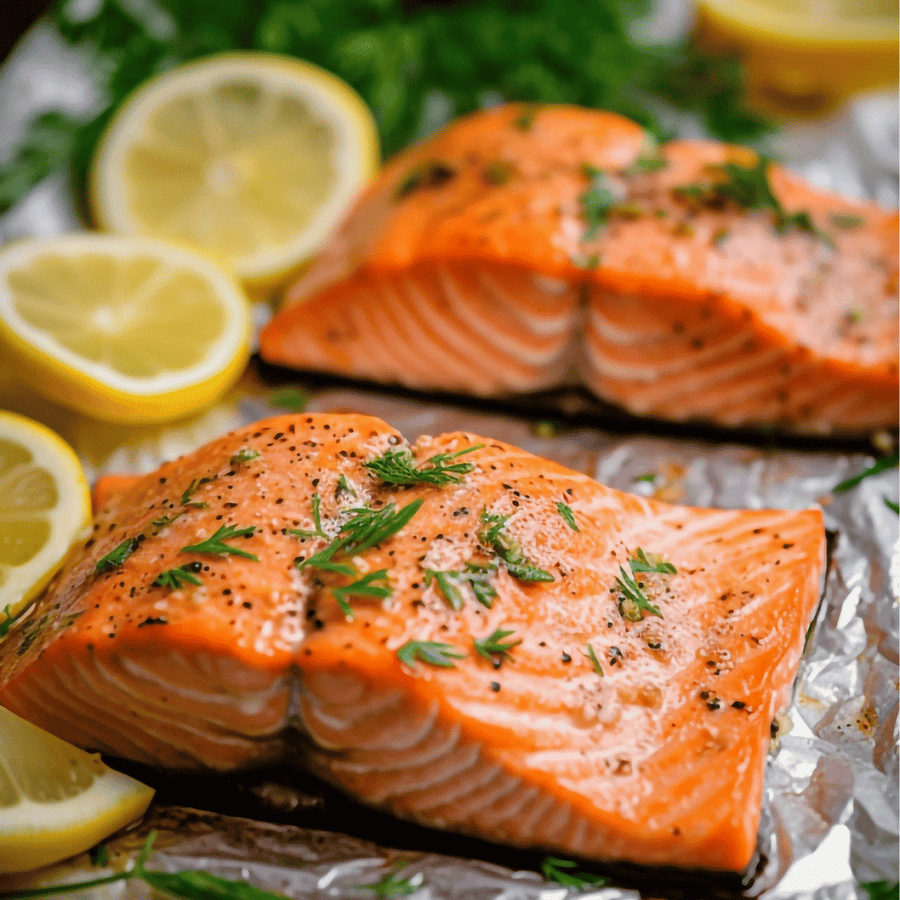
Forgot to thaw salmon for dinner again? You’re not alone — frozen salmon fillets are a staple in most home freezers, but many cooks assume cooking them from frozen will lead to dry, bland, or unevenly cooked fish. That’s a common misconception. With the right oven temperature and a few simple, tested tricks, you can turn a rock-hard frozen salmon fillet into a juicy, flavorful, restaurant-quality meal in 30 minutes or less, no thawing required.
Per USDA safe cooking guidelines, salmon must reach an internal temperature of 145°F (63°C) to destroy harmful pathogens, a threshold that’s easy to hit with consistent, even oven heat even when cooking directly from frozen. This guide covers everything from selecting the highest-quality frozen fillets to troubleshooting common issues, so you get perfect results every time.
Why Oven-Baking Is the Best Method for Frozen Salmon
While you can cook frozen salmon in a pan, microwave, or air fryer, oven-baking delivers the most consistent, no-fuss results. Dry, circulated oven heat crisps up the skin (if your fillet has it) without making the flesh rubbery, and the enclosed heat cooks the icy core evenly without drying out the exterior. Unlike pan-searing, which requires flipping and constant monitoring, oven-baking is completely hands-off — perfect for busy weeknights when you don’t have time to babysit your dinner. It also eliminates the sogginess that often comes with microwaving frozen fish, and uses less oil than stovetop cooking for a lighter, healthier meal.
How to Choose the Best Frozen Salmon Fillet
The quality of your frozen salmon will make or break your final dish, so it’s worth taking 30 seconds to pick the right fillet at the store.
Salmon Type Breakdown
Different salmon varieties have distinct flavor profiles and fat content that suit different tastes:
- Sockeye salmon: Bright red flesh, rich, bold flavor, and firm texture. It’s lower in fat than other varieties, so it holds up well to high-heat baking without drying out.
- King (Chinook) salmon: The highest-fat variety, with buttery, melt-in-your-mouth flesh and a mild, sweet flavor. It’s the most forgiving for new cooks, as the high fat content keeps it juicy even if you slightly overcook it.
- Farmed Atlantic salmon: The most widely available and affordable option, with pale pink, soft flesh and a mild, approachable flavor. It cooks quickly, so watch it closely to avoid drying out.
- Coho salmon: A middle-ground option with medium fat content, firm texture, and a mild, slightly sweet flavor. It’s a great choice if you want a balance of richness and affordability.
Quality Check Tips
Not all frozen salmon is created equal — look for these signs of high quality:
- Firm, unbroken flesh with no visible freezer burn (white, dried-out patches) or excess ice crystals on the packaging, which indicate the fillet was thawed and refrozen, degrading texture and flavor.
- A vibrant pink to orange hue, not dull or brownish, which signals freshness.
- A simple ingredient list that only lists “salmon” — avoid fillets injected with saline, added sodium, or breading, which add unnecessary carbs and salt.
- A “flash-frozen” label, which means the salmon was frozen within hours of being caught, locking in nutrients and flavor far better than slow freezing.
- MSC (Marine Stewardship Council) certification if you want to support sustainable, wild-caught fishing practices.
Skin-On vs. Skinless
For oven-baking, skin-on fillets are almost always the better choice. The skin acts as a protective barrier for the delicate flesh underneath, preventing it from drying out during cooking, and crisps up beautifully in the oven for a satisfying texture contrast. If you only have skinless fillets, brush them generously with oil and add a splash of broth to the bottom of the baking sheet to keep them moist.
 Image source: downshiftology.com
Crispy-skinned, juicy baked salmon ready to serve
Image source: downshiftology.com
Crispy-skinned, juicy baked salmon ready to serve
Prep Work: Thawed or Straight From Frozen?
One of the biggest perks of oven-baking frozen salmon is that you don’t need to plan ahead — but there are small trade-offs between cooking it thawed vs. frozen, depending on your schedule and flavor preferences.
Thawing Pros and Cons
Thawing salmon before baking gives you more flexibility with seasoning and cooking time:
- Thawing methods: For planned meals, thaw fillets overnight in the fridge (8–12 hours for 1-inch thick fillets). For last-minute dinners, submerge sealed fillets in cold water for 30–60 minutes, changing the water every 15 minutes to speed up thawing.
- Benefits: Thawed salmon cooks 5–7 minutes faster, and seasonings and marinades adhere better to the flesh for deeper flavor.
- Drawbacks: Thawing requires advance planning, and you’ll need to cook thawed salmon within 1–2 days to avoid spoilage.
Cooking Straight From Frozen
Cooking frozen salmon directly in the oven is the ultimate time-saver for busy weeknights:
- Benefits: Zero prep, no thawing required, and the icy core actually helps keep the flesh moist during the first half of baking.
- Drawbacks: Seasonings may slide off the icy surface if not mixed with oil first, and cook time is slightly longer.
- Pro tip: Pat the frozen fillet dry with paper towels to remove excess ice crystals before seasoning, which helps the seasoning stick and prevents sogginess.
Best Seasoning and Marinade Pairings
Frozen salmon pairs with almost any flavor profile, so you can customize it to your taste:
- Classic lemon herb: Mix salt, black pepper, garlic powder, dried dill, and lemon zest with a tablespoon of olive oil, then rub all over the fillet.
- Smoky paprika: Combine paprika, garlic powder, onion powder, a pinch of cayenne, salt, and oil for a smoky, slightly spicy crust.
- Honey garlic glaze: Whisk together honey, soy sauce, minced garlic, and a splash of rice vinegar, then brush over the fillet during the last 5 minutes of baking to avoid burning.
- Miso glaze: Mix white miso paste, mirin, maple syrup, and a dash of sesame oil for an umami-rich, restaurant-quality finish. Note: Marinades work best on thawed salmon, as the flesh can absorb the flavors more effectively. For frozen fillets, brush the marinade on during the final 5 minutes of baking for a flavorful top layer.
Keep your go-to salmon spices and herbs organized with kitchen drawer organizers so you can season fillets in seconds when dinner time arrives.
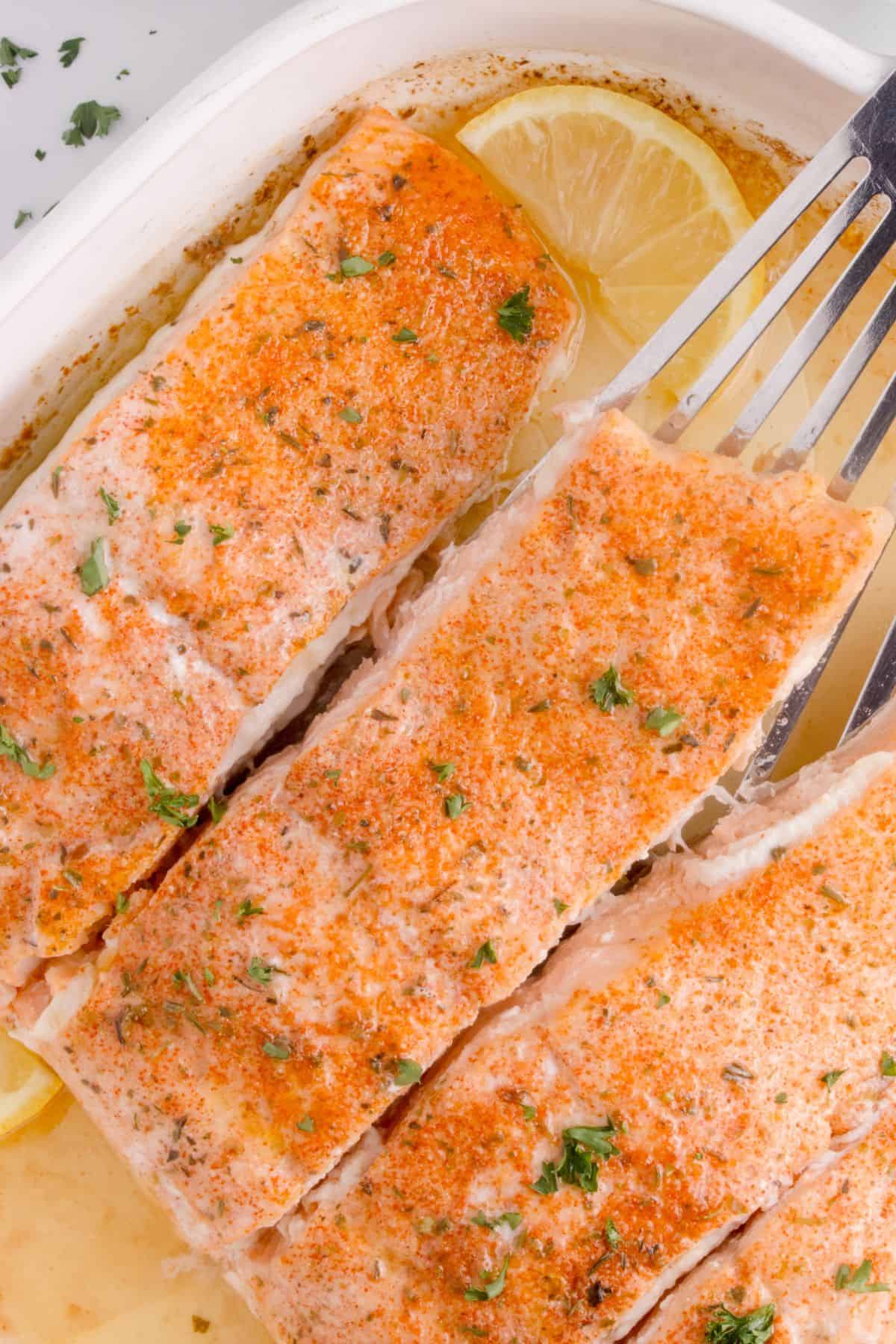 Image source: everydayfamilycooking.com
Seasoned frozen salmon on a parchment-lined baking sheet, ready to bake
Image source: everydayfamilycooking.com
Seasoned frozen salmon on a parchment-lined baking sheet, ready to bake
Oven Settings for Juicy, Flawless Salmon
The right oven temperature and setup are the difference between dry, overcooked salmon and moist, perfectly cooked fillets.
Ideal Temperature and Rack Position
For most frozen salmon fillets, 425°F (220°C) is the sweet spot for conventional ovens. This high heat cooks through the icy core quickly without drying out the exterior, and crisps up skin-on fillets beautifully. Place your baking sheet on the middle rack of the oven, not the top or bottom, to ensure even heat circulation and avoid burning the top of the fillet before the inside is cooked through.
For convection ovens, reduce the temperature to 400°F (200°C) — convection circulates hot air 25% faster than conventional heat, so lower temperatures prevent the edges from drying out or burning.
Bake Time Guidelines
Cook time varies based on fillet thickness and oven type:
- 1/2-inch thick fillets: 18–20 minutes (convection: 15–18 minutes)
- 1-inch thick fillets: 20–25 minutes (convection: 17–22 minutes)
- 1.5-inch thick fillets: 25–30 minutes (convection: 22–27 minutes)
If you’re baking multiple fillets at once, use energy-efficient kitchen appliances to cut down on utility costs while cooking larger batches.
Convection vs. Conventional Oven
Convection ovens are a great option for frozen salmon, as the circulating hot air cooks the fillet more evenly and crisps the skin faster. The only downside is that they can dry out thin fillets if the temperature is too high, so always reduce the heat by 25°F when using convection. If you don’t have a convection oven, conventional heat works perfectly fine — just add 3–5 minutes to the recommended bake time.
Step-by-Step Guide to Baking Frozen Salmon
Follow these simple steps for foolproof, juicy salmon every time, no thawing required.
- Prep the baking sheet: Line a rimmed baking sheet with parchment paper or aluminum foil for easy cleanup, then add 1/4 cup of water, broth, or white wine to the bottom of the pan. The steam released during baking will keep the fillet moist.
- Prep the fillets: Pat the frozen salmon dry with paper towels to remove excess ice crystals, which helps seasoning stick and prevents sogginess. Brush the flesh (not the skin, if using skin-on) with a thin layer of olive oil or melted butter, then season generously with salt, pepper, and your chosen spices or herbs.
- Arrange on the sheet: Place fillets skin-side down (if using skin-on) on the prepared sheet, leaving 1 inch of space between each fillet to allow hot air to circulate. Do not crowd the pan, as this will lead to uneven cooking.
- Bake: Place the sheet on the middle oven rack and bake for the recommended time based on thickness (see guidelines above). Do not flip the fillet during cooking — the skin will crisp up on the bottom, and flipping will tear the delicate flesh.
- Check for doneness: Use an instant-read food thermometer to check the thickest part of the fillet. For food safety, the USDA recommends 145°F (63°C), but many cooks pull salmon at 125–130°F (52–54°C) for a juicy, medium-rare finish, as flash-frozen salmon is processed to kill parasites. The flesh should be fully opaque and flake easily with a fork when done.
- Rest and serve: Let the salmon rest for 3 minutes after removing it from the oven. Carryover cooking will raise the internal temperature by 5°F, so pull it a few degrees lower than your target doneness. Use a sturdy appliance slider for countertop to safely transfer the hot baking sheet to your counter without risking burns.
Pro Tips for Extra Juicy, Flavorful Results
These small, tested adjustments will take your baked frozen salmon from good to great, every time.
Avoid the #1 Overcooking Mistake
Most home cooks overcook salmon by 2–3 minutes, leading to dry, rubbery flesh. The best way to avoid this is to use an instant-read thermometer instead of guessing by time alone. Pull the salmon from the oven when it hits 140°F (60°C) for medium, or 143°F (62°C) for well-done — carryover cooking will bring it up to the perfect temperature while it rests.
Boost Moisture Without Drowning the Fish
If you’re worried about dry salmon, there are several easy ways to add moisture without making the flesh soggy:
- Brush the fillet generously with oil or melted butter before baking, which creates a barrier that locks in juices.
- Add lemon slices, fresh herbs, or a splash of broth to the bottom of the baking sheet — the rising steam will infuse the salmon with flavor and keep it moist.
- For extra-thick fillets, tent the pan loosely with aluminum foil for the first 10 minutes of baking to trap steam, then remove the foil for the final 10 minutes to crisp the skin.
Crisp That Soggy Skin
If your skin-on salmon comes out soft instead of crispy, pop the baking sheet under the broiler for 1–2 minutes, watching closely to avoid burning. For best results, always place skin-side down on the baking sheet, and make sure the fillet is patted dry before seasoning to remove excess moisture.
 Image source: mowisalmon.us
High-quality flash-frozen salmon fillet with intact skin
Image source: mowisalmon.us
High-quality flash-frozen salmon fillet with intact skin
Serving Suggestions and Meal Prep Ideas
Baked frozen salmon is incredibly versatile, and pairs well with almost any side or sauce.
Quick Side Pairings
- Garlic roasted potatoes or sweet potato wedges
- Steamed asparagus or broccoli with lemon zest
- Quinoa or brown rice salad with cherry tomatoes and cucumber
- Sautéed garlic spinach or kale
- Grilled zucchini or eggplant slices
- Fresh mixed greens with a light vinaigrette
Sauce and Garnish Ideas
- Classic dill and Greek yogurt sauce
- Lemon butter drizzle with capers
- Honey mustard glaze
- Garlic aioli
- Teriyaki or soy-ginger glaze
- Creamy avocado crema
- Fresh mango or pineapple salsa for a sweet, tangy twist
- Simple garnishes: lemon wedges, fresh dill or parsley, toasted sesame seeds, or a sprinkle of flaky sea salt
Meal Prep Hack
Baked salmon is perfect for meal prep: let it cool completely to room temperature, then portion it into airtight containers with your choice of sides for quick, healthy lunches or dinners throughout the week. Store leftover salmon in the fridge for up to 3 days, or use under-sink storage ideas to free up fridge space for larger batches. For longer storage, freeze leftover baked salmon for up to 3 months, and reheat gently in the oven at 300°F (150°C) to avoid drying out.
If your kitchen lighting is dim, install under-counter LED lights to clearly see the fillet’s opacity and texture as it cooks, so you can pull it at the perfect doneness without overbaking.
Troubleshooting Common Frozen Salmon Baking Issues
Even with the best technique, small issues can pop up. Here’s how to fix the most common problems:
Dry, Rubbery Salmon
Cause: Overcooking, or baking at too high a temperature for too long. Fix: Use a food thermometer to pull the salmon at your target doneness, and brush with oil before baking to lock in moisture. If the skin is crispy but the flesh is dry, flake the salmon into salads or grain bowls to mask the texture.
Unevenly Cooked Fillets
Cause: Very thick fillets, or crowded baking sheets that block hot air circulation. Fix: Cut fillets thicker than 1.5 inches in half horizontally to ensure even cooking, and leave at least 1 inch of space between fillets on the pan. If one end is cooking faster than the other, cover the thinner end with a small piece of aluminum foil halfway through baking.
Soggy Skin
Cause: Placing the fillet flesh-side down, or not patting it dry before baking. Fix: Always place skin-side down on the baking sheet, and pat the skin dry with paper towels before seasoning. If the skin is still soft after baking, broil for 1–2 minutes to crisp it up, watching closely to avoid burning.
Strong Fishy Odor
Cause: Low-quality salmon that was not flash-frozen, or improper storage before freezing. Fix: Buy salmon from reputable brands that use flash-freezing, and add lemon zest, fresh dill, or a splash of vinegar to the baking sheet to neutralize odors. If the salmon smells strongly sour or like ammonia, discard it — it has spoiled.
Note: A small amount of white, milky substance (albumin) oozing from the salmon during baking is normal and harmless — it’s a cooked protein that’s safe to eat. You can reduce albumin by patting the fillet dry before baking and avoiding overcooking.
Frequently Asked Questions
Can you cook frozen salmon fillet directly in the oven?
Yes! Cooking frozen salmon straight from the freezer is one of the easiest weeknight hacks available. Simply pat it dry, season, and bake at 425°F (220°C) for 20–25 minutes (depending on thickness) — no thawing required. The icy core actually helps keep the flesh moist during the first half of baking.
How long do you bake frozen salmon fillet in the oven?
Bake 1-inch thick frozen salmon fillets at 425°F (220°C) for 20–25 minutes. Thinner fillets (1/2 inch) will cook in 18–20 minutes, while thicker fillets (1.5 inches) will take 25–30 minutes. Always check for doneness with a food thermometer rather than relying solely on time.
Should I season frozen salmon before baking?
Absolutely. Seasoning before baking infuses the salmon with flavor as it cooks. To help seasoning stick to the icy surface, mix your spices and herbs with a tablespoon of olive oil to make a paste, then rub it all over the fillet before baking.
Is it better to thaw salmon before oven baking?
It depends on your schedule. Thawing salmon first leads to more even cooking and better seasoning adhesion, but it requires advance planning. Cooking from frozen is faster and just as juicy if you follow the steps in this guide, making it the better choice for last-minute dinners.
Can you cook breaded frozen salmon fillets in the oven?
Yes, but breaded frozen fillets require 5–7 extra minutes of bake time compared to plain fillets. Ensure the internal temperature reaches 145°F (63°C) to cook the breading through and kill any bacteria, and note that breaded varieties tend to be higher in sodium and added carbs than uncoated fillets.
How do you know when frozen salmon is done without a thermometer?
If you don’t have a food thermometer, check for two signs: the flesh should be fully opaque all the way through (no translucent or raw-looking parts in the center), and it should flake easily with a fork. If it’s still translucent or feels raw in the middle, bake for 2–3 more minutes and check again.
Final Thoughts
Cooking frozen salmon fillet in the oven is a reliable, low-effort hack that delivers juicy, flavorful results every time, no thawing required. The key to success is using the right oven temperature (425°F for conventional ovens, 400°F for convection), avoiding overcooking with a food thermometer, and adding a small amount of moisture to the pan to keep the flesh tender. Whether you prefer classic lemon herb seasoning or a sweet and spicy glaze, frozen oven-baked salmon is a versatile, healthy weeknight staple that takes less than 30 minutes from freezer to table.
For more quick, low-effort weeknight dinner hacks and kitchen organization tips to streamline your cooking routine, browse our full library of tested recipes and home guides.

Hi, I’m Daniel Brooks—a food lover and kitchen gear enthusiast. I enjoy testing cookware, utensils, and gadgets to see what really works in everyday cooking. At PlugChef.com, I share honest reviews, comparisons, and simple guides to help you choose the best tools for a safer, smarter, and more enjoyable kitchen.
Related posts:
 How to Make a Fruit Basket for a Gift: Easy DIY Guide
 Do You Need a Basket? Essential Guide for Air Fryers
 Slate Kitchen Appliances With White Cabinets: Style Upgrade
 Small Electrical Appliances: Maximize Your Home Efficiency
 Blue Kitchen Cabinets With Stainless Steel Appliances: Modern Elegance
 How to Keep Drains Clear Naturally: Easy & Effective Tips

