
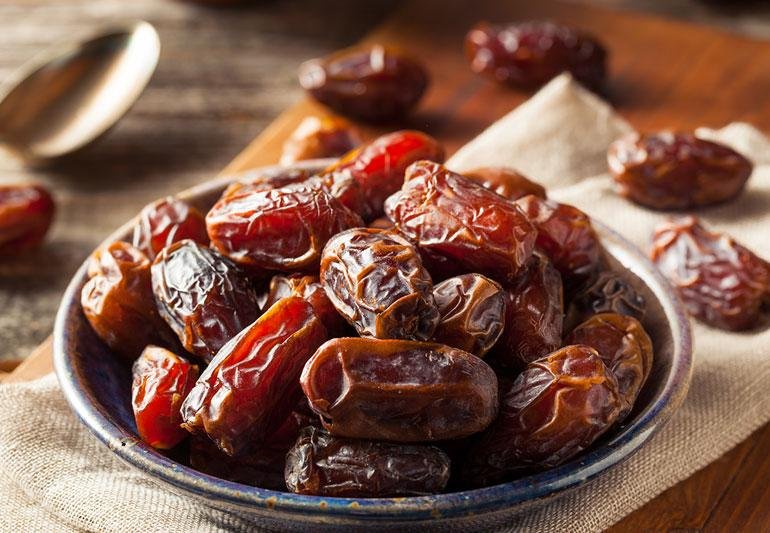
Stumbled on a half-eaten pack of dried dates hidden in the back of your pantry and immediately wondered, are these still safe to eat? Dried dates are a nutrient-dense, naturally sweet snack perfect for baking, smoothies, or on-the-go fuel, but their long shelf life can make it tricky to tell when they’ve crossed the line from perfectly ripe to spoiled. In this guide, we’ll break down exactly how long dried dates last, the definitive signs of spoilage (including the common mix-up between harmless sugar crystals and dangerous mold), and proven storage tips to keep your dates fresh for months. We’ll also clear up common confusion around “best by” dates so you never waste a good pack of dates again.
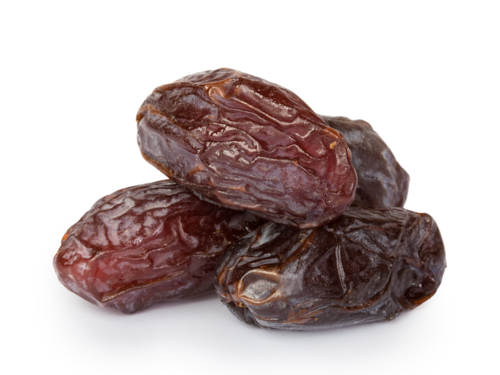 Left: fresh plump dates; right: dates with mold and discoloration, signs of spoilage
Credit: timesofindia.indiatimes.com
Left: fresh plump dates; right: dates with mold and discoloration, signs of spoilage
Credit: timesofindia.indiatimes.com
How Long Do Dried Dates Last?
Dried dates are low-moisture fruit, with most of their water content removed during processing, which gives them a far longer shelf life than fresh dates. But their exact lifespan depends on a few key factors: the date variety (moisture-rich Medjool dates spoil faster than drier deglet noor varieties), storage temperature, humidity levels, and how well they’re protected from air and light. First, it’s important to distinguish between “best by” dates and safety cutoff dates: the “best by” date printed on packaging is the manufacturer’s estimate of when dates will reach peak flavor and texture, not a date by which they become unsafe to eat. Properly stored dates are often safe to consume months or even years past this printed date, as long as they show no signs of spoilage. Below is a breakdown of typical peak quality shelf life for dried dates based on storage method, per guidance from the USDA Food Safety and Inspection Service:
| Storage Method | Typical Peak Quality Shelf Life | Key Notes |
|---|---|---|
| Room temperature (airtight container, <70°F/21°C, <60% humidity) | 1–3 months | Best for short-term use; check regularly for moisture absorption |
| Refrigerated (airtight container) | 6–12 months | Ideal for most home use; prevents mold growth from ambient humidity |
| Frozen (airtight freezer bag/container, 0°F/-18°C or lower) | 12+ months | Best for bulk buys; thaw in the fridge before use to avoid texture loss |
If you notice dates developing an off smell, mold, or mushy texture at any point, discard them immediately, regardless of how long they’ve been stored.
Definitive Signs Your Dried Dates Have Gone Bad
Dried dates rarely spoil suddenly, so catching early signs of degradation can help you avoid waste and foodborne illness. A common mistake many people make is assuming white, crystalline powder on dates is mold, but this is almost always sugar bloom: a natural, harmless process where natural sugars in the dates crystallize and rise to the surface due to temperature fluctuations or long storage. Sugar bloom is completely safe to eat, though it may give dates a slightly grainy texture. Actual spoilage, by contrast, presents with clear, consistent warning signs across four key categories:
Visual Spoilage Cues
- Fuzzy mold growth in green, white, black, or blue, often with a musty, sour smell
- Dark, mushy, or leaking patches that differ from the natural dark brown color of ripe dates
- Sticky, wet, or fermenting spots that indicate excess moisture damage
- Visible insect webbing or pests, a risk if dates were stored in unsealed containers
Smell and Texture Red Flags
- Sour, fermented, or yeasty odor replacing the natural sweet, earthy scent of fresh dates
- Slimy, tacky, or gummy surface texture (distinct from the natural slight stickiness of fresh dried dates)
- Note that extremely hard, rock-like dates with no off smell or mold are not spoiled, just dehydrated: they are still safe to eat, though best used in baked goods or smoothies where texture is less noticeable
- Any slimy or gummy texture when squeezed
Taste Warning Signs
- Bitter, sour, or acrid flavor instead of the natural sweet, caramel-like taste of dates
- Strong fermented or alcoholic aftertaste, a sign of yeast growth
- Unusual, off-flavor that does not match the date variety you purchased
If you notice any of these spoilage signs, discard the entire batch of dates, even if only a few pieces show damage: mold and bacteria can spread even if not visible to the naked eye.
Proven Storage Tips to Keep Dried Dates Fresh Longer
Proper storage is the single most effective way to extend the shelf life of dried dates and prevent spoilage. Follow these step-by-step tips for every storage scenario:
Short-Term Room Temperature Storage
For dates you’ll use within 1–3 months, store them in a cool, dark pantry or cabinet away from heat sources (ovens, dishwashers, direct sunlight) and high-humidity areas (next to the sink or kettle). Use an airtight glass jar or BPA-free plastic container with a tight-sealing lid to block out moisture and air. If you live in a very humid climate, add a food-safe desiccant packet to the container to absorb excess moisture (replace every 2–3 months). Always use clean, dry hands or utensils when handling dates, and wipe down prep surfaces with a reliable kitchen cleaning brush with handle first to avoid introducing bacteria or excess moisture that speeds up spoilage. If you store your date container in a low kitchen cabinet accessible to toddlers or young kids, install no-drill childproof cabinet locks to prevent children from grabbing dates whole and choking on pits, or accessing other unsafe pantry items.
 Airtight containers block out moisture and air to extend date shelf life
Credit: www.houndsy.com
Airtight containers block out moisture and air to extend date shelf life
Credit: www.houndsy.com
Refrigerator Storage for Extended Freshness
Refrigeration is the best option for dates you’ll keep for 3+ months. Transfer dates to an airtight container first to prevent them from absorbing odors from other foods in your fridge (like onions or leftover takeout). Store on a middle shelf, not in the door, where temperature fluctuations are most common. Refrigerated dates will stay fresh for 6–12 months, and may develop a slight sugar bloom over time, which is harmless. If you notice dates getting slightly sticky in the fridge, you can pat them dry with a clean paper towel before returning them to the container to prevent mold growth.
Freezing for Long-Term Storage (1+ Year)
Freezing is ideal for bulk buys of dates you won’t use for 6+ months. Portion dates into single-use amounts in freezer-safe bags or containers, expel as much air as possible before sealing (a vacuum sealer works best for this). Label each portion with the date of freezing to avoid forgotten batches. Frozen dates will keep for 12+ months with no loss of flavor. To thaw, move the portion to the fridge for 8–12 hours before use; avoid thawing at room temperature, as this can cause condensation that leads to mold.
 Portioning dates before freezing makes thawing easier and prevents waste
Credit: www.battlbox.com
Portioning dates before freezing makes thawing easier and prevents waste
Credit: www.battlbox.com
Common Storage Mistakes to Avoid
- Storing dates in their original flimsy plastic packaging, which is rarely airtight and lets in moisture and air
- Leaving dates exposed to direct sunlight, which degrades their natural nutrients and speeds up spoilage
- Storing dates near strong-smelling foods, as dried fruit absorbs odors quickly
- Using wet utensils to grab dates, which introduces moisture that promotes mold growth
- Forgetting to check stored dates regularly for early signs of spoilage, especially in humid climates
How to Revive Slightly Dried Dates
If your dates are only mildly dehydrated (hard but no signs of mold or off smell), you can easily revive them: soak them in warm (not hot) water for 10–15 minutes, then pat dry with a clean kitchen towel. For extra softness, you can steam them for 2–3 minutes. Revived dates are perfect for eating fresh, while extremely dehydrated dates are still great for blending into smoothies or baking into energy balls. After soaking, pat dates dry with a clean stiff-bristled scrub brush to remove excess surface moisture before returning them to storage, to avoid introducing new mold spores. Pair your date storage routine with childproof drawer locks for other dry goods to keep your entire pantry safe, organized, and free of cross-contamination risks. Wash airtight storage containers with a heavy-duty cleaning brush between batches of dates to remove stuck-on natural sugar residue that can encourage mold growth over time. Store dates away from harsh chemical cleaning agents, and keep cabinet surfaces wiped down with a multi-surface cleaning brush to avoid accidental exposure to residues that could contaminate your food.
Frequently Asked Questions
Do dried dates expire, or do they just get worse with age?
Dried dates do not have a hard “expiration” date in the same way perishable foods do, but they do have a peak quality window. The “best by” date on packaging is a manufacturer’s estimate of when the dates will be at their optimal flavor and texture, not a safety cutoff. Properly stored dates are safe to eat far past this date, as long as they show no signs of spoilage. Per the USDA Food Safety and Inspection Service, low-moisture dried fruits like dates rarely harbor pathogenic bacteria if stored correctly, making them safe to eat long after their printed best by date if no spoilage is present.
Can I eat dates with white powder on them?
Yes, in almost all cases. The white powder on dates is sugar bloom, a natural crystallization of the fruit’s natural sugars caused by temperature fluctuations or long-term storage. Sugar bloom is completely harmless, has no impact on safety, and only slightly changes the texture of the date (making it a bit grainier). It is not mold, and does not require you to discard the dates. If the powder is accompanied by fuzzy growth, a sour smell, or mushy patches, that is mold, and the dates should be thrown away.
How can I tell if dried dates are moldy vs. just sugary?
Mold on dates will appear fuzzy, slimy, or discolored (green, black, blue, or white fuzzy spots rather than fine crystals) and will be accompanied by a sour, fermented, or musty odor. Sugar bloom is a fine, dry, crystalline powder that rubs off easily when touched, with no unusual smell. If you’re unsure, smell the dates: any off odor is a sign to discard them.
Can I store dried dates in the pantry long-term?
You can store dried dates in the pantry for 1–3 months in an airtight container, but this is only ideal for short-term use if you live in a dry, cool climate with low humidity. In humid or warm climates, pantry storage will lead to mold growth in as little as a few weeks. For storage longer than 3 months, refrigeration or freezing is recommended.
What’s the best way to thaw frozen dried dates?
Move frozen dates from the freezer to the refrigerator 8–12 hours before you plan to use them. Avoid thawing them at room temperature, as condensation will form on the surface and encourage mold growth. If you need to use them right away, you can run the sealed freezer bag under cool (not warm) water for 5–10 minutes to thaw quickly, then pat dry before opening.
Final Thoughts
Dried dates are a versatile, nutrient-rich staple that can last for months or even years if stored correctly, but knowing the signs of spoilage is key to avoiding food waste and potential illness. Remember that sugar bloom is harmless, while fuzzy mold, sour smells, and mushy texture are clear signs to toss your batch. For short-term use, store dates in an airtight container in a cool, dark pantry; for longer storage, refrigerate or freeze them in portioned containers to lock in flavor and freshness. Always use clean, dry utensils when handling dates, and check stored batches every 1–2 months for early signs of spoilage, especially if you live in a humid climate. For more kitchen safety tips, food storage guides, and product reviews to keep your home running smoothly, browse our full library of kitchen resources today.

I’m Abby Lu, a passionate home cook who loves simplifying everyday meals. At PlugChef.com, I share product reviews and cooking guides to help you find the best tools for your kitchen.
Related posts:
 How to Make a Fruit Basket for a Gift: Easy DIY Guide
 Do You Need a Basket? Essential Guide for Air Fryers
 How to Adjust Syrup Dispenser Pressure: Expert Tips
 Appliance Play Food Kitchen Toys: Ignite Imaginative Play
 How Long Do Beauty Blenders Last: Expert Tips Unveiled
 Philips Kitchen Appliances Compact Pasta And Noodle Maker: Effortless Homemade Pasta

