
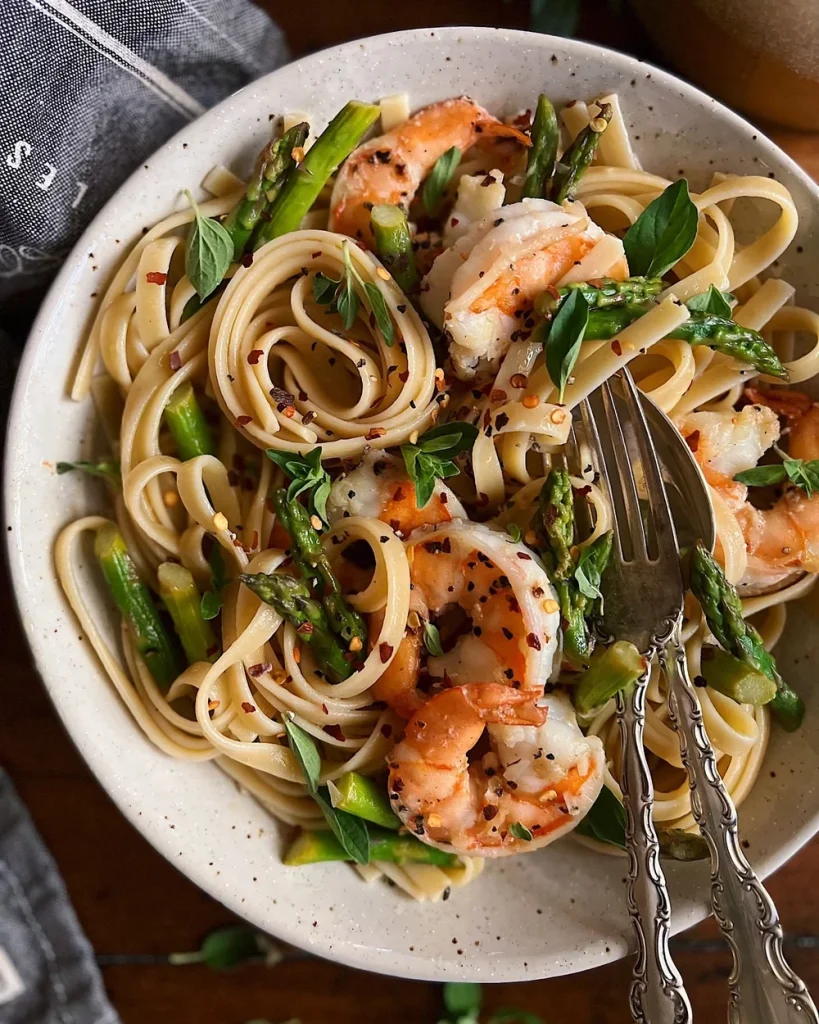
Are you craving a meal that’s both comforting and fresh? Imagine twirling your fork around tender pasta coated in a rich, creamy sauce, bursting with the bright flavors of asparagus and succulent shrimp.
This Creamy Asparagus and Shrimp Pasta isn’t just dinner—it’s a treat that feels special but comes together quickly. Keep reading, and you’ll discover how to make this delicious dish step-by-step, turning your kitchen into a spot of pure delight tonight.
Your taste buds will thank you.

Credit: www.reddit.com
Choosing Fresh Asparagus And Shrimp
Choosing fresh asparagus and shrimp is key to making your Creamy Asparagus and Shrimp Pasta truly shine. The quality of these ingredients directly impacts the flavor and texture of your dish. Knowing what to look for can make a big difference in your cooking experience and the final taste on your plate.
Selecting The Best Asparagus
Look for asparagus with firm, straight stalks and tightly closed tips. Avoid any that appear wilted or have soft spots. Fresh asparagus should snap easily when bent, which is a great test for freshness.
Color matters too. Bright green stalks with a slight purple hue near the tips indicate freshness and sweetness. If you find white or pale asparagus, it’s still good but usually less flavorful.
When shopping, consider the size based on your recipe. Thin stalks cook faster and have a delicate taste, while thicker ones offer a meatier bite. Ask yourself: would you prefer a tender or more robust asparagus texture in your pasta?
Picking Quality Shrimp
Choose shrimp that smell fresh, like the ocean, not fishy or ammonia-like. Fresh shrimp should have firm, translucent flesh with a slight sheen. Avoid shrimp with black spots or yellowing shells as these indicate age or poor quality.
If buying frozen shrimp, check the packaging for ice crystals or freezer burn. These can affect the texture after cooking. Peel and devein them yourself if possible for better control over quality and flavor.
Think about size and type too. Larger shrimp can be the star of your pasta, while smaller shrimp blend well for a uniform bite. What kind of shrimp experience do you want when enjoying your dish?
Essential Ingredients For Creamy Pasta
Creating a creamy asparagus and shrimp pasta that truly delights your taste buds starts with choosing the right ingredients. Each component plays a role in building layers of flavor and texture, turning a simple dish into a memorable meal. Knowing what to pick can make all the difference in your cooking experience and the final outcome.
Cream And Cheese Options
The creaminess in this pasta mainly comes from the dairy you choose. Heavy cream offers a rich, luscious texture, perfect if you want a sauce that clings beautifully to every strand of pasta. For a lighter touch, half-and-half or whole milk mixed with a bit of flour can work well, giving you that creamy feel without the heaviness.
Cheese adds depth and a subtle tang. Parmesan is a classic choice, melting smoothly and offering a nutty flavor that complements shrimp and asparagus. If you enjoy a sharper bite, Pecorino Romano is an excellent alternative. For a silkier sauce, consider adding a little cream cheese or mascarpone, which also helps the sauce thicken beautifully.
Pasta Varieties That Work Best
The type of pasta you select affects how well the sauce and ingredients come together on your plate. Long pasta like fettuccine or linguine is ideal because their flat surfaces hold onto the creamy sauce perfectly. If you prefer something shorter, penne or rigatoni are great choices since their tubes trap bits of shrimp and asparagus, giving you flavor in every bite.
Consider the texture too: al dente pasta gives a pleasant chewiness that contrasts nicely with tender shrimp and crisp asparagus. Have you ever noticed how the right pasta shape can change your entire dining experience? It’s worth experimenting to find your favorite combination.
Herbs And Spices To Enhance Flavor
Fresh herbs bring brightness that cuts through the richness of the cream and cheese. Basil and parsley are fantastic for their fresh, aromatic notes that elevate the dish without overpowering it. A sprinkle of thyme adds earthiness, while a pinch of red pepper flakes gives just the right amount of heat to keep your palate interested.
Don’t underestimate the power of simple spices like garlic powder or black pepper; they deepen the flavor profile and make the shrimp and asparagus pop. Have you tried adding a touch of lemon zest? It adds an unexpected twist that lifts the entire dish, balancing creamy and savory perfectly.
Step-by-step Cooking Process
Begin by cooking pasta until tender, then sauté shrimp and asparagus in a pan. Stir in cream and cheese to create a smooth sauce. Combine everything, heat gently, and serve warm for a delicious meal.
Cooking a delicious Creamy Asparagus and Shrimp Pasta might sound like a daunting task, but breaking it down into simple steps makes it a breeze. Imagine the satisfaction of serving a restaurant-quality dish that you prepared in your own kitchen. Whether you’re a seasoned cook or a beginner looking to impress, following this step-by-step guide ensures a delightful culinary experience. Let’s dive into the process!Preparing The Asparagus And Shrimp
Start by rinsing the asparagus under cold water. Trim the woody ends and cut them into bite-sized pieces. Asparagus adds a vibrant color and a slight crunch, elevating the overall texture. For the shrimp, peel and devein them if they aren’t already. Season them with a pinch of salt and pepper. You’ll want them to be fresh and firm, as they’re the star protein of this dish.Making The Creamy Sauce
Begin by heating some olive oil in a pan over medium heat. Add minced garlic and sauté until fragrant. The aroma will fill your kitchen, setting the stage for what’s to come. Pour in some cream and bring it to a gentle simmer. Stir in grated Parmesan cheese until the sauce thickens. A little nutmeg or lemon zest can add an unexpected twist, making the sauce uniquely yours.Combining Pasta With Sauce And Seafood
Cook your pasta of choice until al dente, following the package instructions. Drain and keep some pasta water aside; it can help adjust the sauce consistency. In a large pan, combine the cooked pasta, shrimp, and asparagus. Pour over the creamy sauce and gently toss everything together. The sauce should coat the pasta and shrimp beautifully, making each bite irresistible. Do you remember a time when a simple dish left a lasting impression? This Creamy Asparagus and Shrimp Pasta can be that dish for you. With each step, you’re creating a masterpiece that promises to delight your taste buds. Why not give it a try and see for yourself?Tips For Perfect Texture And Taste
Getting the texture and taste just right makes Creamy Asparagus and Shrimp Pasta truly enjoyable. Each element needs care to bring out the best flavor and feel. Follow these tips to make your dish smooth, fresh, and perfectly cooked.
Cooking Pasta Al Dente
Cook pasta until it is firm but not hard. This texture is called al dente. It gives a slight bite that holds sauce well. Boil pasta in plenty of salted water for the time on the package. Test pasta a minute or two before the end. Drain immediately when it feels just tender yet firm.
Avoiding Overcooked Shrimp
Shrimp cook very fast and become rubbery if overdone. Add shrimp last in the cooking process. Cook shrimp for 2 to 3 minutes until pink and opaque. Remove from heat right away to keep them juicy and tender.
Balancing Creaminess And Freshness
Use cream or a creamy sauce sparingly to avoid heaviness. Brighten the dish with fresh lemon juice or zest. Add chopped herbs like parsley or basil for a fresh touch. The creaminess should coat the pasta without overpowering the asparagus and shrimp flavors.
Serving Suggestions And Pairings
Serving Creamy Asparagus and Shrimp Pasta is more than just plating the dish. It is about creating a complete meal experience. The right sides, drinks, and garnishes can lift every bite and enhance flavors. Each element works together to make your meal memorable and satisfying.
Ideal Side Dishes
- Light mixed green salad with a lemon vinaigrette
- Garlic bread or crusty Italian bread
- Steamed or roasted baby potatoes
- Sautéed spinach or kale with olive oil
- Simple roasted cherry tomatoes
Wine And Beverage Matches
- Crisp Sauvignon Blanc pairs well with shrimp and asparagus
- Light Chardonnay complements creamy sauces
- Pinot Grigio offers a fresh, fruity balance
- Sparkling water with a slice of lemon for a non-alcoholic choice
- Light beer or pilsner works nicely with seafood pasta
Garnishes To Elevate Presentation
- Freshly chopped parsley or basil for a pop of color
- Grated Parmesan or Pecorino cheese for extra richness
- Toasted pine nuts for added crunch
- Zest of lemon for a fresh citrus aroma
- Cracked black pepper to finish with a subtle kick

Credit: watchciwork.com
Variations To Customize Your Dish
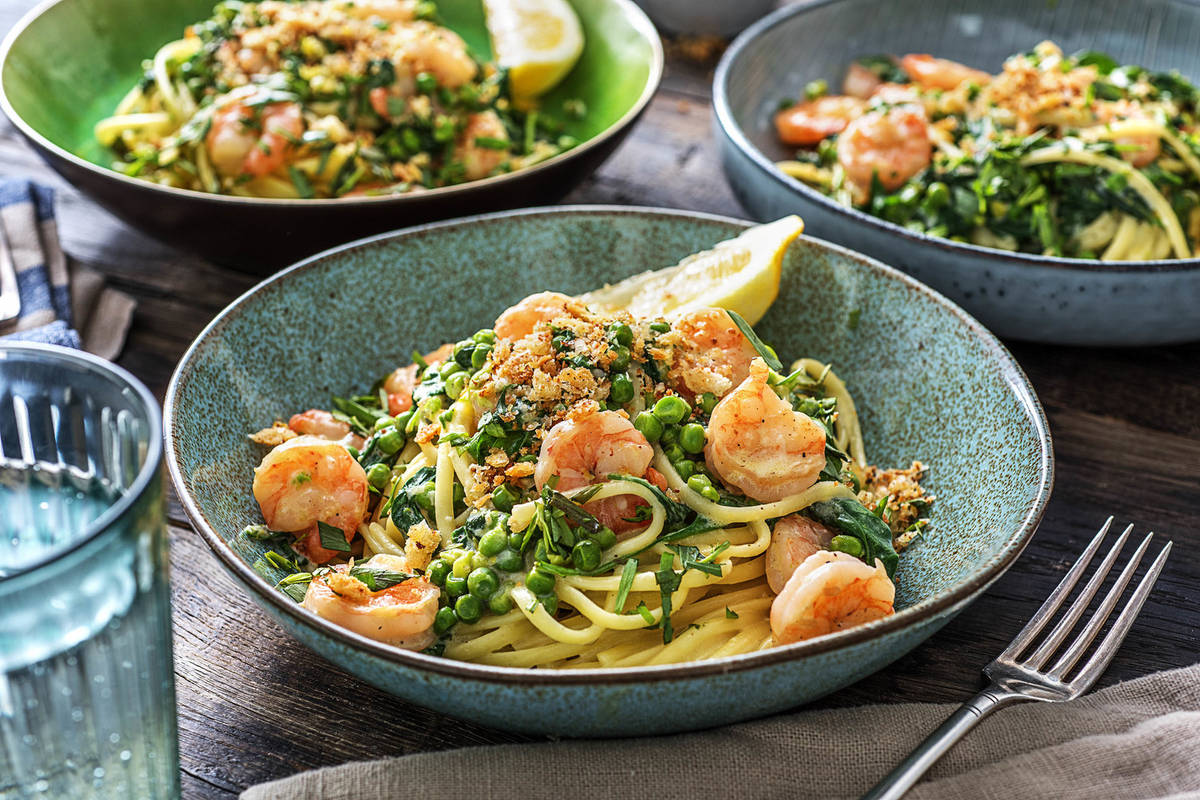
Customizing creamy asparagus and shrimp pasta lets you create a dish that suits your taste perfectly. You can change ingredients or flavors to make it unique. Small tweaks bring fresh textures and new tastes. This keeps the recipe exciting every time you cook it.
Adding Other Vegetables
Vegetables add color and crunch to the pasta. Try these options:
- Cherry tomatoes for sweetness
- Spinach for extra greens
- Mushrooms for earthiness
- Bell peppers for a crunchy bite
- Zucchini for mild flavor
Lightly sauté vegetables before mixing with pasta. This keeps them tender but crisp.
Alternative Protein Options
Shrimp is great, but you can try other proteins. Here are some ideas:
- Chicken breast, sliced thin
- Scallops for a seafood twist
- Tofu for a vegetarian choice
- Smoked salmon for rich flavor
- Crab meat for luxury taste
Cook proteins separately to keep flavors distinct. Add them just before serving.
Spice Level Adjustments
Change the heat to suit your preference:
- Add red pepper flakes for mild heat
- Use cayenne pepper for stronger spice
- Mix in chopped jalapeños for fresh fire
- Try a dash of hot sauce for quick spice
- Keep it mild with black pepper only
Start with small amounts. Taste and add more if needed.
Credit: www.hellofresh.ca
Frequently Asked Questions
What Ingredients Make Creamy Asparagus And Shrimp Pasta?
This dish combines fresh asparagus, shrimp, pasta, garlic, cream, Parmesan cheese, and olive oil. These ingredients create a rich, flavorful, and creamy pasta perfect for a quick meal.
How Do You Cook Shrimp For Creamy Pasta?
Cook shrimp by sautéing in olive oil with garlic until pink and opaque. Avoid overcooking to keep shrimp tender and juicy for the pasta.
Can I Use Other Pasta Types For This Recipe?
Yes, you can use fettuccine, linguine, or penne. Choose pasta that holds sauce well to enjoy the creamy texture with asparagus and shrimp.
Is Creamy Asparagus And Shrimp Pasta Healthy?
This dish offers protein from shrimp and fiber from asparagus. Using light cream or milk can reduce calories while keeping it delicious and nutritious.
Conclusion
This creamy asparagus and shrimp pasta is a simple, tasty meal. It combines fresh flavors with easy steps. Perfect for a quick dinner or special night. The creamy sauce and tender shrimp make each bite enjoyable. You can add your favorite herbs or spices to change it up.
Try this recipe and enjoy a delicious, comforting dish. Cooking at home has never been this easy or satisfying. Give it a go and taste the difference yourself.

Hi, I’m Daniel Brooks—a food lover and kitchen gear enthusiast. I enjoy testing cookware, utensils, and gadgets to see what really works in everyday cooking. At PlugChef.com, I share honest reviews, comparisons, and simple guides to help you choose the best tools for a safer, smarter, and more enjoyable kitchen.
Related posts:
 What Type of Cooking Utensils are Safe: Expert Picks
 What Innovations Could Blenders Make: Unleashing Future Tech
 Smart Strategies to Organize a Small Kitchen: Maximize Space
 How to Organize a Kitchen Cabinet: Expert Tips & Tricks
 How to Organize Kitchen Drawers: Expert Tips and Tricks
 How to Organize a Corner Kitchen Cupboard: Expert Tips

