
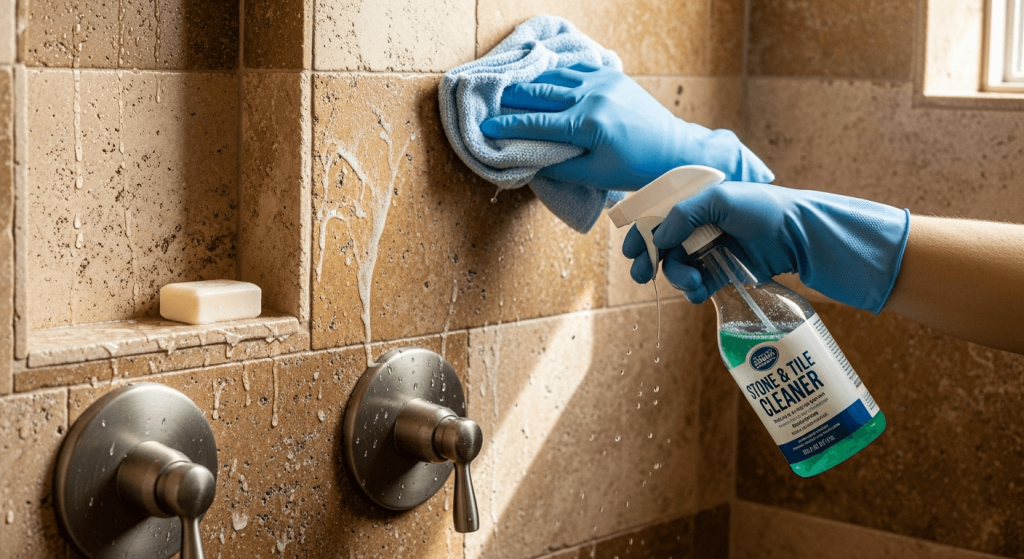
Stepping into a shower lined with cool, polished marble, travertine or granite is a luxury many homeowners pay a premium for. But without the right care, these beautiful natural stone surfaces quickly lose their luster to soap scum, hard water deposits, mold and permanent stains. The wrong cleaner can even cause irreversible etching or discoloration, turning your high-end investment into a dull, damaged eyesore. This guide covers everything you need to know to choose the right cleaner for natural stone showers, avoid costly cleaning mistakes, and keep your surfaces sparkling for decades.
Why Natural Stone Showers Need Specialized Cleaning
Natural stone is a popular choice for showers because of its unique, high-end appearance and durability, but it is far more vulnerable to damage than synthetic tile or acrylic. Calcareous stones (marble, limestone, travertine) are far more porous than siliceous options like granite and slate, meaning they absorb water, oils and dissolved contaminants far more quickly, while even low-porosity siliceous stone can be damaged by harsh chemical cleaners. A common mistake homeowners make is reaching for standard all-purpose cleaners or white vinegar to cut through soap scum. On calcareous stone, acidic cleaners will etch the surface in as little as 30 seconds, leaving a permanent cloudy, dull mark that no amount of rinsing will fix. Even on siliceous stone, abrasive cleaners and alkaline products like bleach can degrade the protective sealer, leaving the stone vulnerable to staining and mold growth. As noted in university extension stone care guidelines, using a pH-neutral cleaner formulated specifically for natural stone is the only way to avoid this damage long-term.
 Bottles of pH-neutral natural stone shower cleaner on a bathroom shelf
Common Threats to Natural Stone Shower Surfaces
Even with the right cleaner, understanding what you’re fighting will help you tailor your cleaning routine to your specific stone type and bathroom conditions:
- Soap scum and hard water deposits: Soap combines with minerals in hard water to form a sticky, cloudy film that bonds tightly to porous stone. Over time, these deposits build up, dulling the stone’s natural shine and making stains harder to remove.
- Mold and mildew: The constant humidity of showers creates the perfect environment for mold and mildew growth, which not only ruins the appearance of stone but can also trigger respiratory issues for people with allergies or asthma. Mold spores can embed deep into porous, unsealed stone, making removal far more difficult.
- Oil and product staining: Shampoos, conditioners, lotions and body oils can seep into unsealed or poorly sealed stone, leaving yellow or brown stains that are almost impossible to remove without professional restoration. Travertine’s natural pitted surface makes it especially vulnerable to this type of staining.
How to Choose the Right Cleaner for Your Natural Stone Shower
Not all cleaners labeled “stone safe” are created equal, and picking the wrong product can cause permanent damage to your shower. Use the following criteria to narrow down your options, and avoid any product that lists the following ingredients for calcareous stone: vinegar, citrus acids, hydrochloric acid, or abrasive powders like pumice or calcium carbonate.
| Cleaner Type | Safe Stone Types | Pros | Cons |
|---|---|---|---|
| pH-neutral stone cleaner | All natural stone types | Gentle, no etching, effective on soap scum and mild mold | May require pre-soaking for set-in stains |
| Diluted castile soap solution | All sealed stone | Affordable, easy to make at home, non-toxic | Less effective on mold/mildew and hard water deposits |
| Acidic descaler | Siliceous stone only (granite, slate) | Cuts through heavy limescale quickly | Will etch calcareous stone, degrades sealers over time |
| Abrasive powder cleaner | Unpolished travertine only | Removes set-in grime from pitted surfaces | Scratches polished stone, dulls finishes |
When shopping for a cleaner, look for formulas certified under the EPA Safer Choice program, which verifies the product is free of harsh toxic ingredients for both people and household surfaces. Eco-friendly options are also typically biodegradable, making them a safer choice for households with kids, pets or sensitive skin.
 Spraying safe stone cleaner on marble shower walls
Top Rated Cleaners for Natural Stone Showers (2026 Updated)
We’ve tested dozens of stone cleaners on residential showers to find the most effective, stone-safe options for every budget and stone type. All picks are pH-neutral, non-abrasive, and safe for use on sealed natural stone.
1. Granite Gold Daily Shower Cleaner (Best All-Purpose Option)
Formulated for all natural stone types, this pH-balanced, biodegradable cleaner is a top pick for most homeowners. It cuts through soap scum and hard water deposits without etching, and its spray bottle makes daily use quick. Pros: Safe for marble, granite, travertine and limestone; streak-free finish; non-toxic formula. Cons: Less effective on set-in limescale without pre-soaking. Best for: Weekly maintenance for all stone shower types. Shop Granite Gold Daily Shower Cleaner
2. Stone Care International Daily Shower Cleaner (Best for Prevention)
This preventative cleaner is designed to be used after every shower to stop soap scum and hard water deposits from bonding to stone in the first place. Its streak-free formula leaves no residue, and it is safe for all sealed natural stone surfaces. Pros: Prevents buildup with daily use; no rinsing required for light cleaning; fresh, subtle scent. Cons: Not effective for deep cleaning existing set-in grime. Best for: Renters or busy households looking for low-effort maintenance. Try Stone Care International Daily Shower Cleaner
3. Method Daily Granite Cleaner (Best Eco-Friendly Pick)
Made with plant-based cleaning agents, this pH-neutral cleaner is a great choice for eco-conscious households. Its gentle formula is safe for all natural stone, and its light sage scent leaves showers smelling fresh without overpowering chemical fumes. Pros: 100% plant-based ingredients; recyclable bottle; safe for sealed stone. Cons: Smaller bottle size means more frequent repurchasing for large showers. Best for: Households with sensitive skin or strict eco-friendly preferences. Get Method Daily Granite Cleaner
4. Lithofin Limestone & Travertine Cleaner (Best for Porous Stone)
Specifically formulated for soft, porous calcareous stones, this non-acidic cleaner dissolves limescale and soap scum without etching delicate surfaces. It is also safe for use on limestone countertops and bathroom floors, making it a versatile pick for homes with multiple stone surfaces. Pros: Targeted for porous stone; removes tough hard water stains; no harsh fumes. Cons: Higher price point than all-purpose options. Best for: Travertine, limestone and unsealed marble showers. Buy Lithofin Limestone & Travertine Cleaner
Step-by-Step Deep Cleaning Routine for Sparkling Stone
For showers with set-in grime or stains, a monthly deep clean will restore your stone’s natural shine without causing damage. This routine takes 30-45 minutes total, and uses only stone-safe tools and products.
- Clear the shower: Remove all bottles, loofahs and accessories to expose every surface.
- Pre-soap scum treatment: Spray your pH-neutral stone cleaner liberally on all stone surfaces, focusing on areas with visible soap scum. Let it sit for 5-10 minutes (never longer than 15 minutes, as prolonged exposure can damage some sealers).
- Scrub gently: Use a gentle non-scratch scrub brush to work the cleaner into grout lines and textured stone surfaces. For travertine’s natural pits, use a stiff-bristle targeted scrub brush to lift embedded deposits without scratching.
- Rinse thoroughly: Use warm, clean water to rinse all surfaces, making sure no cleaner residue remains. Residue can leave dull marks or attract new soap scum.
- Dry completely: Wipe all surfaces with a soft, lint-free microfiber cloth to prevent water spots and mold growth.
 Microfiber cloth wiping stone shower tiles after cleaning
Long-Term Maintenance to Keep Stone Showers Pristine
Regular, low-effort maintenance is far more effective (and cheaper) than deep cleaning set-in stains. Follow this routine to keep your stone looking new:
- Daily: After each shower, wipe down stone surfaces with a multi-surface soft scrubber or squeegee to remove excess water and soap residue. Spray a small amount of pH-neutral daily cleaner on high-use areas if you have hard water.
- Weekly: Do a light clean with your chosen stone cleaner, focusing on grout lines and corners where mold grows. Use a professional heavy-duty scrub brush for tough grout grime if needed.
- Monthly: Check your stone sealer by dropping a few drops of water on the surface. If the water beads up, the sealer is still intact; if it absorbs into the stone within 30 seconds, it’s time to reseal.
- Every 6-12 months: Apply a high-quality natural stone sealer to all stone surfaces, following the product’s instructions for cure time before using the shower.
- Always store cleaning products safely: Keep all stone cleaners and other bathroom chemicals in secured childproof cabinets to prevent accidental exposure. Renters can use no-drill cabinet locks to secure supplies without damaging cabinet finishes.
Common Cleaning Mistakes to Avoid
Even with the right cleaner, these frequent errors can cause permanent damage to your natural stone shower:
- Using standard dish soap: Most dish soaps are alkaline and will break down stone sealers over time, leading to staining and dullness.
- Skipping grout pre-treatment: Grout is far more porous than stone, so soap scum and mold build up there first if not treated with a dedicated grout cleaner before wiping tiles.
- Using scouring pads: Even “soft” scouring pads like Scotch-Brite are abrasive enough to scratch polished marble and travertine finishes.
- Letting cleaner sit too long: Prolonged exposure to even pH-neutral cleaners can degrade some stone sealers; never leave cleaner on stone for more than 15 minutes.
 Specialized travertine cleaner removing limescale from shower tiles
Frequently Asked Questions
Can I use vinegar to clean a natural stone shower?
No. Vinegar is highly acidic and will etch calcareous stones like marble, limestone and travertine, leaving permanent dull, cloudy marks. Even on siliceous stones like granite, acidic cleaners can degrade sealers over time. Stick to pH-neutral cleaners formulated specifically for natural stone to avoid damage.
How often should I seal a natural stone shower?
Sealing frequency depends on stone type and use: high-traffic showers with calcareous stone need resealing every 6-12 months, while low-traffic siliceous stone showers can go 1-2 years between applications. Test sealer effectiveness by dropping a small amount of water on the surface; if it beads up, the sealer is still intact.
What is the best homemade cleaner for natural stone showers?
A safe homemade option is 1 cup warm water mixed with 1 tsp gentle, pH-neutral castile soap. Never add vinegar, lemon juice or baking soda, as these are either acidic or abrasive and will damage stone. Test the solution on a small, hidden area first to ensure it doesn’t cause discoloration.
How do I remove hard water stains from travertine shower tiles?
For light limescale, use a pH-neutral stone cleaner and a soft non-abrasive scrub brush, letting it sit for 5-10 minutes before rinsing. For set-in stains, use a poultice of baking soda and water applied to the stain for 24 hours, then rinse thoroughly. Avoid acidic descalers, which will etch travertine’s porous surface.
Can I use bleach on marble shower tiles?
No. Bleach is a harsh alkaline cleaner that will discolor marble, degrade its natural sealer, and cause permanent staining. For mold and mildew on marble, use a pH-neutral stone cleaner with mold-fighting ingredients, or a diluted hydrogen peroxide solution (3% concentration) tested on a small area first.
Conclusion
Choosing the right cleaner for natural stone shower surfaces is the single most important step in protecting your bathroom investment and keeping your space looking luxurious. By avoiding harsh acidic and abrasive products, following a consistent maintenance routine, and resealing your stone as needed, you can prevent the most common causes of stone damage and keep your surfaces sparkling for decades. For busy households, a daily preventative cleaner is the easiest way to stop soap scum and hard water buildup before it starts, while homeowners with porous calcareous stone should prioritize gentle, pH-neutral formulas to avoid irreversible etching. Ready to restore your stone shower’s shine? Pick a cleaner matched to your stone type today, and follow the routine above to avoid costly, permanent damage to your investment.

Hi, I’m Daniel Brooks—a food lover and kitchen gear enthusiast. I enjoy testing cookware, utensils, and gadgets to see what really works in everyday cooking. At PlugChef.com, I share honest reviews, comparisons, and simple guides to help you choose the best tools for a safer, smarter, and more enjoyable kitchen.
Related posts:
 What Oil to Use on Cutting Board: Best Options Revealed
 Is Teak Wood Good for Cooking Utensils: Discover Benefits
 How to Cut Skirt Board for Stair: Expert Tips & Techniques
 Can I Put Wood Cutting Board in Dishwasher? Essential Tips
 First Aid Kit Supplies Refills: Essential Items You Must Restock
 10 Person First Aid Kit: Essential Gear for Emergencies

