
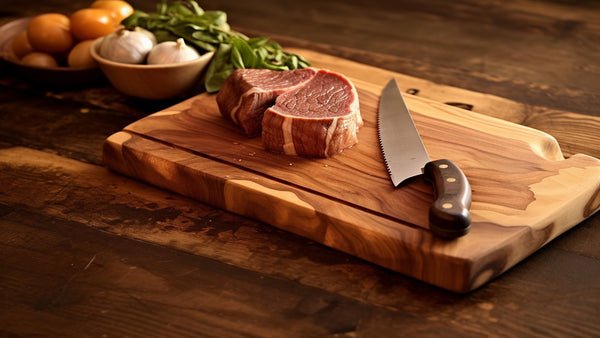
The question of whether you can cut raw meat on a wood cutting board safely is one of the most common debates in home food safety, with conflicting advice ranging from old wives' tales that label wood as a bacterial breeding ground to modern research that confirms its natural antimicrobial properties. If you've ever hesitated to pull out your favorite hardwood board for chicken or steak prep, you're not alone: conflicting guidance has left many home cooks unsure of how to balance kitchen convenience with food safety. This guide breaks down 2026 regulatory guidance, peer-reviewed research, and practical, experience-backed protocols to help you use wood cutting boards for raw meat with confidence, no guesswork required. By the end, you'll know exactly when wood is a safe choice, how to clean and maintain your board to eliminate risk, and when to opt for an alternative material.
The Short Answer
If you’re looking for a quick takeaway: yes, you can safely cut raw meat on a wood cutting board, as long as it is made of food-grade hardwood, is in good condition (no deep cuts, cracks, or warping), and you follow proper cleaning and cross-contamination protocols. Current guidance from the U.S. Department of Agriculture (USDA) and food safety experts confirms that wood is not inherently riskier than plastic for raw meat use, and may even be more effective at reducing surface bacteria when maintained correctly. That said, there are important caveats: for high-risk groups (immunocompromised people, elderly adults, children under 5) or if you are unable to commit to thorough cleaning after every use, a non-porous plastic or composite board may be a safer, lower-maintenance choice.
The Science Behind Wood Cutting Boards and Raw Meat
To understand why wood can be a safe choice for raw meat, it helps to look at the research that has overturned outdated myths about its safety:
Natural Antimicrobial Properties
Hardwoods like maple, walnut, and oak have a unique porous structure that sets them apart from non-porous materials like plastic or glass. When raw meat bacteria (such as salmonella or E. coli) come into contact with an undamaged hardwood surface, the wood’s pores draw the bacteria below the surface, where they cannot access the nutrients they need to reproduce and die off within hours. A landmark 1990s study from the University of California-Davis Department of Food Science and Technology found that bacteria survived for significantly less time on undamaged hardwood cutting boards than on plastic boards, even after repeated exposure to raw meat. This effect does not apply to softwoods like pine or fir, which have a softer, more open grain that is prone to damage and does not inhibit bacterial growth as effectively.
Knife Preservation and Safety Benefits
Wood’s natural slight give makes it far gentler on knife blades than glass, stainless steel, or low-quality plastic cutting boards. Dull knives are a leading cause of kitchen lacerations, as they require more force to cut through dense raw meat and are far more likely to slip unexpectedly. By maintaining your knife’s edge longer, a wood cutting board reduces the risk of accidental cuts during raw meat prep, an often-overlooked food safety benefit.
Common Myths Debunked
The persistent myth that wood is unsafe for raw meat stems from 1980s research that did not account for proper cleaning and maintenance protocols. Modern research and regulatory guidance have thoroughly debunked this claim: the risk of foodborne illness from cutting boards comes from improper cleaning, cross-contamination, and damaged board surfaces, not the wood material itself.

Potential Risks and When to Avoid Wood for Raw Meat
While wood is safe for most home cooks when used correctly, there are specific scenarios where it is not the best choice:
Damage-Related Bacterial Harborages
The only inherent risk of using wood for raw meat comes from board damage. Deep grooves, cracks, warping, or splintering create pockets where bacteria can hide, even after thorough cleaning and disinfection. A board with grooves deeper than 1/8 inch should be resanded with fine-grit sandpaper to restore a smooth surface, or replaced entirely if damage is severe.
Cross-Contamination Hazards
The biggest food safety risk associated with wood cutting boards is not the material itself, but using the same board for raw meat and ready-to-eat foods (produce, bread, cooked dishes) without full cleaning and disinfection in between. Raw meat juices can transfer harmful bacteria to these foods, leading to foodborne illness even if the board is cleaned later.
High-Risk Use Cases
Immunocompromised individuals, elderly adults, and families with very young children (who are at higher risk for severe complications from foodborne illness) may want to opt for non-porous plastic boards for raw meat prep if they are not able to commit to strict cleaning and maintenance protocols for wood boards. Wood boards are also not recommended for high-volume raw meat prep (such as processing large quantities of game or butchered meat) unless you have multiple dedicated boards and strict sanitation workflows in place.
Step-by-Step Safe Use and Cleaning Protocols
Proper cleaning and maintenance are non-negotiable for safe raw meat use on wood cutting boards. Follow these steps every time you use your board:
Immediate Post-Use Cleaning
- Debris removal first: Immediately after use, scrape off all visible meat, fat, and juice residue with a bench scraper or dull knife. Letting meat juices sit on the board surface increases bacterial growth risk.
- Wash with hot, soapy water: Rinse the board under hot running water (minimum 110°F/43°C, hot enough to kill most surface bacteria but not so hot that it warps the wood if soaked). Scrub all surfaces, including edges, the underside, and any grooves, with a soft-bristle brush and mild dish soap.
- Rinse thoroughly: Rinse all soap residue off the board under hot running water, as leftover soap can degrade the wood over time and leave off-flavors on food.
Disinfection for High-Risk Prep
For routine raw meat prep (beef, pork), disinfection with white vinegar is sufficient: spray the entire board surface with undiluted white vinegar, let sit for 5 minutes, then rinse and dry. For high-risk raw meats (poultry, ground meat, seafood), use a diluted bleach solution: mix 1 tablespoon of unscented household bleach with 1 gallon of cool water (hot water degrades bleach’s disinfecting power). Wipe the entire board surface with the solution, let sit for 1 minute, then rinse thoroughly under running water to remove all bleach residue.
Drying and Long-Term Maintenance
After cleaning, stand the board upright in a well-ventilated area, away from direct sunlight or heat sources, to air dry completely before storing. Never store a damp wood cutting board, as this promotes mold and bacterial growth. Every 1-2 months, apply a thin layer of food-grade mineral oil or beeswax cutting board conditioner to the entire surface to prevent the wood from drying out, cracking, and absorbing moisture. If minor surface scratches appear, sand the board lightly with 220-grit fine sandpaper, then re-apply oil. Replace the board entirely if it develops deep grooves, cracks, or warping that cannot be sanded out. A common mistake home cooks make is soaking wood cutting boards to clean them; prolonged water exposure causes warping and cracking, which creates the exact harborages where bacteria can hide. Never put wood cutting boards in the dishwasher, as high heat and harsh detergents will damage the wood.
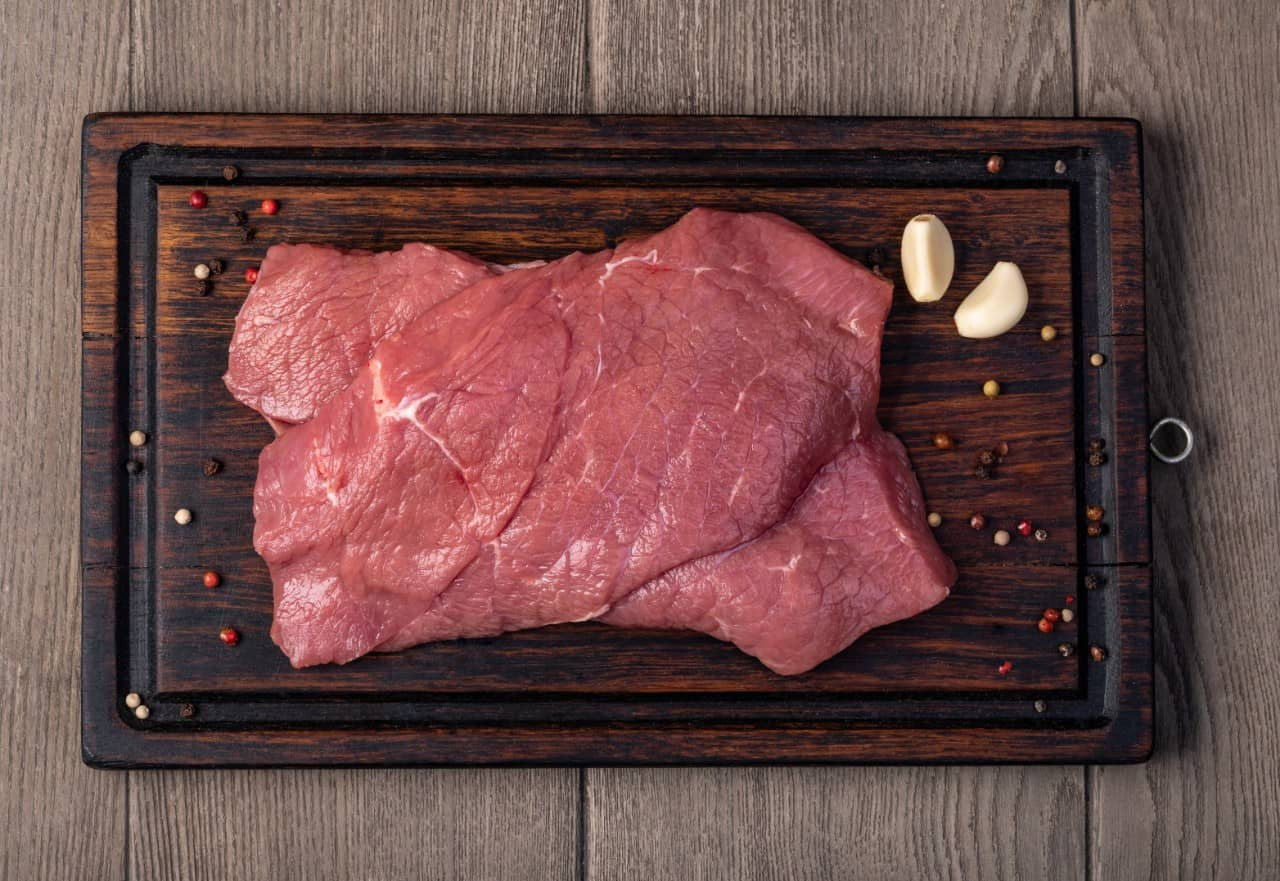 Thorough scrubbing with hot, soapy water removes 99% of surface bacteria from wood cutting boards.
Credit: butchermagazine.com
Thorough scrubbing with hot, soapy water removes 99% of surface bacteria from wood cutting boards.
Credit: butchermagazine.com
Cross-Contamination Prevention Best Practices
Even with perfect cleaning, cross-contamination is the leading cause of foodborne illness linked to cutting boards. Follow these protocols to eliminate risk:
Use Dedicated, Color-Coded Boards
The single most effective way to prevent cross-contamination is to use a separate cutting board dedicated solely to raw animal products (meat, poultry, fish, seafood). Adopt the commercial kitchen color-coding standard to eliminate guesswork: red for raw meat/poultry/fish, green for fresh produce, white for dairy and ready-to-eat foods, and yellow for cooked foods. This visual cue works even in busy, multitasking kitchen environments.
Labeling and Smart Storage
For extra clarity, label your raw meat board with a permanent marker or waterproof sticker marked "RAW MEAT ONLY". Store the raw meat board in a separate area from your produce and ready-to-eat food boards, ideally near your sink or refrigerator to avoid carrying raw meat juices across your kitchen. Always wash your hands with soap and warm water for at least 20 seconds after handling raw meat or touching the cutting board, even if you plan to clean it before next use.
:max_bytes(150000):strip_icc()/GettyImages-1222849910-2000-a9a8f3a80d2d4ac9a5952d43d0a0b2ca.jpg) Color-coded boards are a commercial kitchen standard that eliminates cross-contamination risk at home.
Credit: www.southernliving.com
Color-coded boards are a commercial kitchen standard that eliminates cross-contamination risk at home.
Credit: www.southernliving.com
Top Cutting Board Alternatives for Raw Meat
If you are not comfortable using wood for raw meat, or want a dedicated board for high-risk prep, these are the most popular options, with clear trade-offs to help you choose:
| Material | Best Use Case | Average Lifespan | Knife Safety | Maintenance Level | Key Pros | Key Cons |
|---|---|---|---|---|---|---|
| HDPE Plastic | Raw meat, poultry, seafood | 1-3 years (replace when deeply scratched) | Moderate | Very Low | Dishwasher safe, fully non-porous, affordable, available in color-coded options | Scratches easily, harbors bacteria in deep grooves, shorter lifespan than wood |
| Food-Grade Bamboo | All-purpose, occasional raw meat | 3-5 years | High | Moderate | Sustainable, harder than most hardwoods, resists cuts, naturally antimicrobial | Can splinter if low-quality, may contain harmful formaldehyde-based glues, slightly harsher on knives than soft hardwoods |
| Polypropylene Composite | High-volume raw meat prep | 5+ years | Moderate | Low | Extremely durable, non-porous, easy to sanitize, often dishwasher safe | More expensive than basic plastic, heavier than wood or standard plastic |
| Glass/Stainless Steel | Serving, non-chopping tasks | 10+ years | Very Low | Very Low | Completely non-porous, impossible to stain or harbor bacteria | Extremely harsh on knife blades, slippery during use, loud, not recommended for regular chopping |
| For most home cooks, the ideal setup is a dedicated hardwood wood board for produce, cooked foods, and bread, paired with a color-coded HDPE plastic board for all raw animal products. This balances knife preservation, durability, and maximum food safety. |
Expert and Regulatory Guidance
Current 2026 guidance from the USDA Food Safety and Inspection Service confirms that both wood and non-porous plastic cutting boards are safe for raw meat use, as long as they are cleaned and sanitized properly after each use. The agency does not recommend one material over the other, noting that the risk of foodborne illness from cutting boards stems from improper cleaning, cross-contamination, and damaged board surfaces, not the material itself. Landmark research from the University of California-Davis Department of Food Science and Technology, published in the 1990s and still cited by food safety experts today, found that bacteria die off significantly faster on undamaged hardwood cutting boards than on plastic boards, even after repeated exposure to raw meat. This research overturned the long-standing myth that wood is inherently unsafe for raw meat preparation. The FDA Food Code, which sets national sanitation standards for all U.S. food service operations, also permits the use of wood cutting boards for raw animal products, provided they are maintained in good condition and sanitized regularly. In practice, many high-end commercial restaurants use hardwood cutting boards for raw meat prep, relying on strict cleaning protocols to keep food safe.
Frequently Asked Questions
Is it safe to cut raw meat on a wood cutting board?
Yes, as long as the board is made of food-grade hardwood, is in good condition (no deep cuts, cracks, or warping), and you clean and disinfect it thoroughly after each use per USDA guidelines.
How do you disinfect a wood cutting board after cutting raw meat?
First, scrape off all visible debris, then wash with hot, soapy water. For routine use, spray with undiluted white vinegar, let sit 5 minutes, then rinse and air dry. For high-risk meats (poultry, ground beef), use a solution of 1 tablespoon unscented bleach per 1 gallon of cool water, apply, let sit 1 minute, then rinse thoroughly and dry completely.
Should I use a separate cutting board for raw meat?
Yes, this is the single most effective way to prevent cross-contamination. Use a dedicated board for raw animal products only, and never use it for produce, cooked foods, or ready-to-eat items without full cleaning and disinfection first.
How often should I replace my wood cutting board used for raw meat?
Replace your board when it develops deep grooves wider than 1/8 inch, cracks, or warping that cannot be sanded out. With proper care, a high-quality hardwood board can last 5-10 years even with regular raw meat use.
Can I use a bamboo cutting board for raw meat?
Yes, as long as it is made from food-grade, certified safe bamboo and is properly maintained. Bamboo is harder than most hardwoods, so it resists cuts well, but low-quality bamboo boards may contain harmful formaldehyde-based glues, so opt for boards with third-party food safety certification.
Conclusion
The answer to whether you can cut raw meat on a wood cutting board safely is a resounding yes for most home cooks, as long as you prioritize board condition, thorough cleaning, and cross-contamination prevention over material choice alone. Outdated myths about wood being inherently unsafe have been debunked by decades of peer-reviewed research and current regulatory guidance, which confirm that properly maintained hardwood boards are as safe or safer than plastic for raw meat use. If you do choose to use wood for raw meat, stick to food-grade hardwoods like maple or walnut, clean and disinfect the board after every use, and replace it when it shows signs of damage. If you prefer a lower-maintenance option, a dedicated color-coded plastic board for raw meat paired with a wood board for all other prep is a foolproof setup that eliminates cross-contamination risk entirely. No matter which material you choose, consistent cleaning and separation of raw and ready-to-eat foods are the most important steps to keep your kitchen safe. Ready to build a safer, more efficient kitchen routine? Start by designating a dedicated raw meat cutting board today, and implement simple cross-contamination protocols to protect your family from foodborne illness.

Hi, I’m Daniel Brooks—a food lover and kitchen gear enthusiast. I enjoy testing cookware, utensils, and gadgets to see what really works in everyday cooking. At PlugChef.com, I share honest reviews, comparisons, and simple guides to help you choose the best tools for a safer, smarter, and more enjoyable kitchen.
Related posts:
 How to Make a Fruit Basket for a Gift: Easy DIY Guide
 Do You Need a Basket? Essential Guide for Air Fryers
 Where Can I Sell My Kitchen Appliances: Top Platforms
 How Long Do Ninja Blenders Last: Discover Durability
 Allied Blenders And Distillers Ipo Gmp: Insider Insights
Can You Paint Kitchen Appliances: A Bold Transformation Guide
Allied Blenders And Distillers Ipo Gmp: Insider Insights
Can You Paint Kitchen Appliances: A Bold Transformation Guide

