
Stuck halfway through a recipe for pancakes, tzatziki, or a creamy pasta sauce, only to realize you’re out of yogurt? Sour cream, that staple in many refrigerators, is often the first substitute people reach for—but it’s not a perfect 1:1 swap for every use case. We tested 1:1 sour cream for yogurt swaps across 12 common sweet and savory recipes to identify exactly when the switch works, what simple hacks make it taste and feel just like yogurt, and when you’re better off picking a different substitute. Below, we break down the core differences between the two ingredients, step-by-step adjustment tricks, and pro tips to avoid ruined dishes.
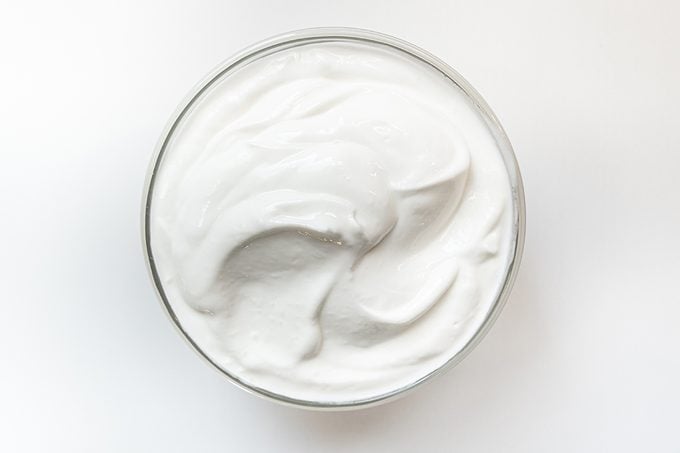 Sour cream (left) and plain Greek yogurt (right) have distinct texture and flavor differences that impact recipe swaps.
Image source: www.tasteofhome.com
Sour cream (left) and plain Greek yogurt (right) have distinct texture and flavor differences that impact recipe swaps.
Image source: www.tasteofhome.com
Core Differences Between Sour Cream and Yogurt
Before swapping, it’s critical to understand how the two ingredients differ in texture, nutrition, and function, as these differences will make or break your recipe.
Texture and Flavor Profiles
Full-fat sour cream has a dense, velvety texture and a mellow, creamy tang, while plain yogurt (especially non-fat varieties) has a thinner, more fluid consistency and a sharper, brighter acidic bite. Greek yogurt, which is strained to remove excess whey, is the closest commercial yogurt to sour cream in thickness, with a slightly more tart flavor. Sour cream’s higher fat content (minimum 18% milk fat for commercial products per USDA standards) gives it a richer mouthfeel that coats the tongue, while yogurt’s lower fat content makes it taste lighter and more refreshing.
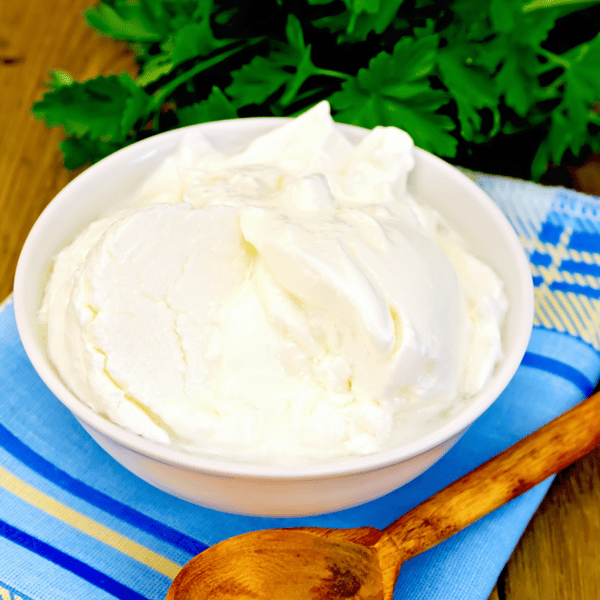 Greek yogurt is the closest commercial yogurt variant to sour cream in texture, making 1:1 swaps easiest for baking.
Image source: www.thechoppingblock.com
Greek yogurt is the closest commercial yogurt variant to sour cream in texture, making 1:1 swaps easiest for baking.
Image source: www.thechoppingblock.com
Nutritional Breakdown
Nutritional profiles vary widely based on fat content, so we’re comparing standard full-fat sour cream to non-fat plain yogurt and full-fat Greek yogurt, per 2 tablespoon (30g) servings:
| Nutrient | Full-Fat Sour Cream | Non-Fat Plain Yogurt | Full-Fat Plain Greek Yogurt |
|---|---|---|---|
| Calories | 60 | 20-25 | 50-60 |
| Total Fat | 5g | 0g | 4-5g |
| Protein | 1g | 3-4g | 5-6g |
| Calcium | 2% DV | 10-12% DV | 8-10% DV |
| Live Probiotic Cultures | Rare (most commercial varieties are pasteurized post-fermentation) | Standard in plain, unheated varieties | Standard in plain, unheated varieties |
As outlined in FDA nutrition labeling standards, fat content is the primary driver of calorie differences between the two, with lower-fat variants of both offering reduced calorie counts for diet-friendly recipes.
Fermentation and Live Cultures
Both ingredients are fermented, but they use different bacterial strains and processing methods. Sour cream is fermented with Lactococcus lactis bacteria, which produces lactic acid to create its mild tang. Most commercial sour cream is pasteurized after fermentation to extend shelf life, which kills off any live cultures. Plain yogurt, by contrast, is fermented with Lactobacillus bulgaricus and Streptococcus thermophilus, and is almost always left with live active cultures unless labeled "heat-treated," per USDA guidance on fermented dairy products. These live cultures are the source of yogurt’s well-known probiotic benefits for gut health, which sour cream almost never provides.
When a Sour Cream Swap Actually Works (1:1 or Adjusted)
In our testing, sour cream works as a yogurt substitute for roughly 80% of baking and savory recipe use cases, as long as you adjust for its richer, less tangy profile. Below are the most common use cases where the swap shines:
Baking Applications
Sour cream’s high fat content adds moisture and tenderness to quick breads, muffins, pancakes, and coffee cake, just like yogurt. For most recipes, you can use a 1:1 swap without issue. The only exception is recipes that rely on yogurt’s acidity to react with baking soda for leavening: sour cream is less acidic than plain yogurt, so add 1 teaspoon of white vinegar or lemon juice per ½ cup of sour cream, then let the mixture sit for 5 minutes to curdle slightly before adding to your batter. This mimics yogurt’s acidic pH and ensures proper rise. A common mistake we see is skipping the acid step for soda-leavened recipes, leading to dense, heavy baked goods.
Sauces, Dressings, and Dips
Sour cream’s thick, stable texture makes it ideal for creamy pasta sauces, ranch dressing, veggie dips, and chipotle aioli, as it won’t separate or turn watery like thin yogurt can. For cold dressings like ranch or creamy coleslaw dressing, use a 1:1 swap, but add 1 teaspoon of lemon juice per ½ cup to brighten the flavor and match yogurt’s tang. For warm sauces like alfredo or stroganoff, sour cream works seamlessly with no adjustments needed. If you’re making a dip for fresh veggies, use a small kitchen scrub brush to scrub your produce thoroughly before chopping to avoid grittiness in your final dip.
Marinades for Meat and Poultry
Sour cream’s high fat content makes it an even better tenderizer than yogurt for chicken, pork, and lamb marinades. The fat coats the meat fibers, locking in moisture during cooking and preventing dryness, while the mild tang adds depth of flavor. For a simple marinade, mix 1 cup sour cream with 2 cloves of minced garlic, 1 tsp paprika, and a pinch of salt, then coat your protein and marinate for at least 1 hour before cooking. This works especially well for grilled chicken thighs or pork chops.
Cold Dishes Where the Swap Fails
Sour cream is not a good substitute for yogurt in light, bright cold dishes that rely on yogurt’s thin consistency and sharp tang. Tzatziki, cold cucumber soup, fruit parfaits, and yogurt-based salad dressings (like Greek dressing) will taste heavy, rich, and unbalanced if you use sour cream. If you must swap for these use cases, thin the sour cream with 2 tablespoons of water or unsweetened almond milk per ½ cup, and add an extra teaspoon of lemon juice to cut the richness.
Limitations of Swapping Sour Cream for Yogurt
While sour cream works for many use cases, there are three key trade-offs to keep in mind before making the swap:
Missing Probiotic Benefits
As noted earlier, almost all commercial sour cream is pasteurized after fermentation, so it contains no live probiotic cultures. If you’re swapping yogurt for sour cream in a recipe specifically for its gut health benefits (like a daily morning smoothie or probiotic-rich breakfast bowl), you won’t get the same digestive benefits. For these use cases, opt for a probiotic-rich artisanal sour cream (available at specialty grocery stores) or stick with plain yogurt.
Flavor and Texture Mismatches
Sour cream’s higher fat content gives it a richer, more mellow tang than plain yogurt, which can overpower delicate flavors in sweet or lightly spiced dishes. For example, using sour cream in a berry parfait will make the dish taste heavy and creamy, masking the fresh fruit flavor. Similarly, sour cream’s dense texture can make smoothies gritty if not thinned properly, and will make cold soups like gazpacho taste heavy instead of bright and refreshing.
Higher Fat and Calorie Content
Per standard nutritional data, full-fat sour cream has 5g of fat and 60 calories per 2-tablespoon serving, while non-fat plain yogurt has 0g of fat and 20-25 calories for the same serving. If you’re swapping for dietary reasons (like reducing calorie or fat intake), sour cream is not a suitable substitute for lower-fat yogurt variants.
Simple Kitchen Hacks to Make Sour Cream Taste and Feel Like Yogurt
If you only have sour cream on hand but need that bright, thin yogurt consistency and tang, these 4 tested hacks will get you there in 2 minutes or less:
Boost Tang with Acid
The biggest difference between sour cream and yogurt is acidity. To replicate yogurt’s sharp tang, stir 1 teaspoon of lemon juice, white vinegar, or apple cider vinegar per ½ cup of sour cream. Let the mixture sit for 5 minutes to mellow the sharp vinegar bite and let the flavors meld. For savory dishes, a pinch of salt will further enhance the tang.
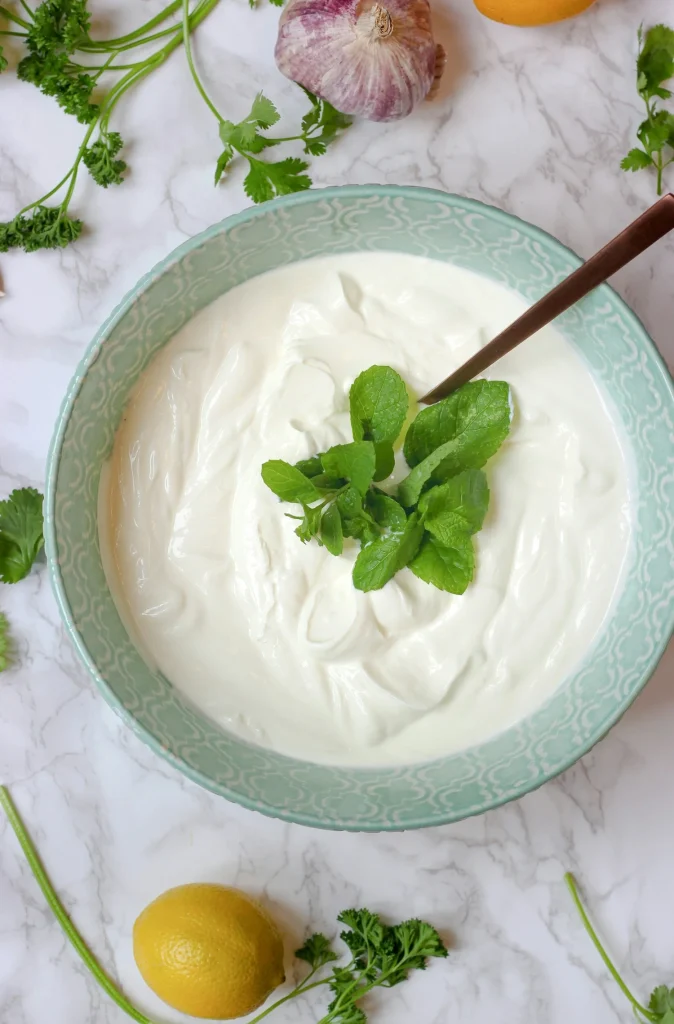
 Adding a teaspoon of lemon juice per half cup of sour cream mimics yogurt’s bright tang for dressings and dips.
Image source: lightorangebean.com
Adding a teaspoon of lemon juice per half cup of sour cream mimics yogurt’s bright tang for dressings and dips.
Image source: lightorangebean.com
Thin the Texture for Dressings and Smoothies
Sour cream is 2-3 times thicker than plain yogurt, so thinning it is key for dressings, smoothies, and cold soups. Add 1 tablespoon of cold milk, water, or unsweetened almond milk per ½ cup of sour cream, whisking gently until smooth. For a yogurt-like consistency, use a ratio of ¼ cup liquid per 1 cup sour cream. Avoid over-whisking, as this can make the sour cream grainy.
Balance Richness for Savory Dishes
If you have a small amount of plain yogurt or Greek yogurt left, mix ¾ cup sour cream with ¼ cup yogurt to get the best of both: sour cream’s rich creaminess, yogurt’s bright tang, and a boost of probiotics. This hack works especially well for dips and creamy pasta sauces.
Hack for Baking with Leavening
If your recipe calls for yogurt and uses baking soda as a leavening agent (common in pancakes, muffins, and soda bread), add 1 teaspoon of white vinegar per ½ cup sour cream, then let the mixture sit for 5 minutes until it slightly curdles. This activates the acidity to match yogurt’s pH, ensuring your baked goods rise properly and have a light, tender crumb.
If You’re Out of Sour Cream Too: Other Top Yogurt Substitutes
If you don’t have sour cream or yogurt on hand, these substitutes work for most use cases:
Dairy-Based Options
- Buttermilk: Thin, tangy, and low-fat, perfect for baking, dressings, and marinades. Use a 1:1 swap for yogurt, but reduce other liquids in the recipe by 2 tablespoons per cup to account for its thin consistency.
- Kefir: A fermented milk drink with a tart flavor and high probiotic content, ideal for smoothies, salad dressings, and marinades. Use a 1:1 swap, and thin with a splash of water if needed.
- Blended low-fat cottage cheese: Blend until smooth to mimic yogurt’s texture, perfect for savory dips and baked goods. Add a teaspoon of lemon juice per cup to boost tang.
Plant-Based Alternatives
- Unsweetened soy, almond, or coconut yogurt: These dairy-free options work for all yogurt use cases, including smoothies, baking, and dips. Opt for unsweetened varieties for savory dishes to avoid added sugar. Note that plant-based yogurts often have a thinner consistency than dairy yogurt, so you may need to strain them through a cheesecloth for thick applications like tzatziki.
If you’re prepping veggies for your sour cream or yogurt-based dip, use a vegetable cleaning brush to scrub off dirt and debris before chopping for a crisp, clean final product.
Pro Tips for Nailing the Swap Every Time
Match the Swap to the Recipe’s Role
Before swapping, identify what role yogurt plays in your recipe: is it for moisture, acidity, leavening, or tang? If it’s for moisture (like in muffins), sour cream works with no adjustments. If it’s for acidity or leavening, add acid as outlined in the hacks above. If it’s for probiotic benefits, sour cream won’t work, so pick a different substitute.
Adjust for Dietary Needs
For low-calorie or low-fat diets, opt for low-fat sour cream, or thin full-fat sour cream with unsweetened almond milk to reduce fat content. For lactose-sensitive eaters, most sour cream and yogurt have very low lactose (fermentation breaks down most of the sugar), but opt for lactose-free variants if you have a severe intolerance. For vegan diets, use an unsweetened plant-based yogurt or sour cream alternative. If you’re cooking with kids in the kitchen, secure lower cabinets with childproof cabinet locks to keep curious hands away from open dairy ingredients and hot cooking surfaces.
Taste as You Go
Sour cream is richer and less tangy than yogurt, so always taste your dish after adding it and adjust seasoning, acid, or herbs as needed. For savory dishes, a pinch of extra salt or a squeeze of lemon juice will balance the richness. For sweet dishes, a dash of vanilla or a drizzle of honey will cut through the creaminess.
After mixing your batter for baked goods, use a sturdy cleaning brush to scrub any sticky residue off your mixing bowls and baking sheets for easy cleanup.
Frequently Asked Questions
Can I use sour cream instead of yogurt in smoothies?
Yes, but thin it with ¼ cup of milk, water, or unsweetened almond milk per ½ cup sour cream, and add a splash of extra fruit or a teaspoon of honey to cut the richness. Without thinning, the smoothie will be heavy and overly creamy.
Can sour cream replace yogurt in tzatziki?
Not recommended for traditional tzatziki, which relies on yogurt’s light, bright tang and thin consistency. Sour cream will make the dip dense and rich, overpowering the cucumber and herb flavors. If you must swap, thin ½ cup sour cream with 2 tablespoons of water, add 1 teaspoon of lemon juice, and mix in 1 minced garlic clove to balance the flavor. If you’re serving this dip at a family gathering, use kitchen safety locks for kids to lock away any leftover dairy ingredients out of reach of little ones.
Is sour cream healthier than yogurt?
Generally no. Full-fat sour cream has 5g of fat and 60 calories per 2-tablespoon serving, while non-fat plain yogurt has 0g of fat and 20-25 calories for the same serving. Yogurt also typically contains more protein and live probiotic cultures, unless you opt for a specialty probiotic-rich sour cream.
Can sour cream replace yogurt in Indian curries?
Yes, but use half the amount called for in the recipe, and add 1 teaspoon of lemon juice per ½ cup sour cream to replicate yogurt’s tang. Sour cream’s higher fat content will make the curry richer and creamier, which works well for butter chicken or tikka masala, but may be too heavy for lighter lentil or vegetable curries.
Can I use sour cream instead of yogurt in baking?
Yes, for most quick breads, muffins, pancakes, and cakes. Use a 1:1 swap, but if the recipe uses baking soda as a leavening agent, add 1 teaspoon of white vinegar per ½ cup sour cream and let it sit for 5 minutes to activate the acidity, ensuring proper rise.
How does sour cream affect the flavor of yogurt-based dishes?
Sour cream adds a richer, more mellow tang and a denser, creamier texture than plain yogurt. It works well in savory dishes where you want a luxurious mouthfeel, but can overpower delicate sweet or bright savory dishes like fruit parfaits or cold cucumber soups. For an easy appetizer to pair with your sour cream or yogurt dips, learn proper cheese cutting techniques to assemble a simple charcuterie board.
Conclusion
Sour cream is a versatile, reliable substitute for yogurt in most baking, savory sauce, and marinade recipes, as long as you adjust for its richer, less tangy profile. Use the hacks above to add acidity, thin the texture, or balance richness to match yogurt’s flavor and consistency for your specific dish. Just remember to skip the swap for light, bright cold dishes like tzatziki or fruit parfaits, where sour cream’s density will overpower the intended flavor. For best results, test small batches first to adjust seasoning to your taste.
For more tested kitchen swaps, ingredient guides, and meal prep tips to simplify your cooking routine, check out our full blog library for fresh ideas.

I’m Abby Lu, a passionate home cook who loves simplifying everyday meals. At PlugChef.com, I share product reviews and cooking guides to help you find the best tools for your kitchen.
Related posts:
 Seville Expandable Cabinet And Pantry Organizer: Space Savior
 Glideware Pull Out Cabinet Organizer for Pots & Pans: Space Saver
 Small 3-Tier Shelf Organizer: Maximize Space Effortlessly
 Trader Joe’S Spicy Lentil Wrap: Delicious, Healthy, and Quick Meal!
 Easy Way to Peel Pumpkin: Quick Tips for Effortless Prep
 How Long Do Grapes Last: Ultimate Freshness Guide Revealed

