
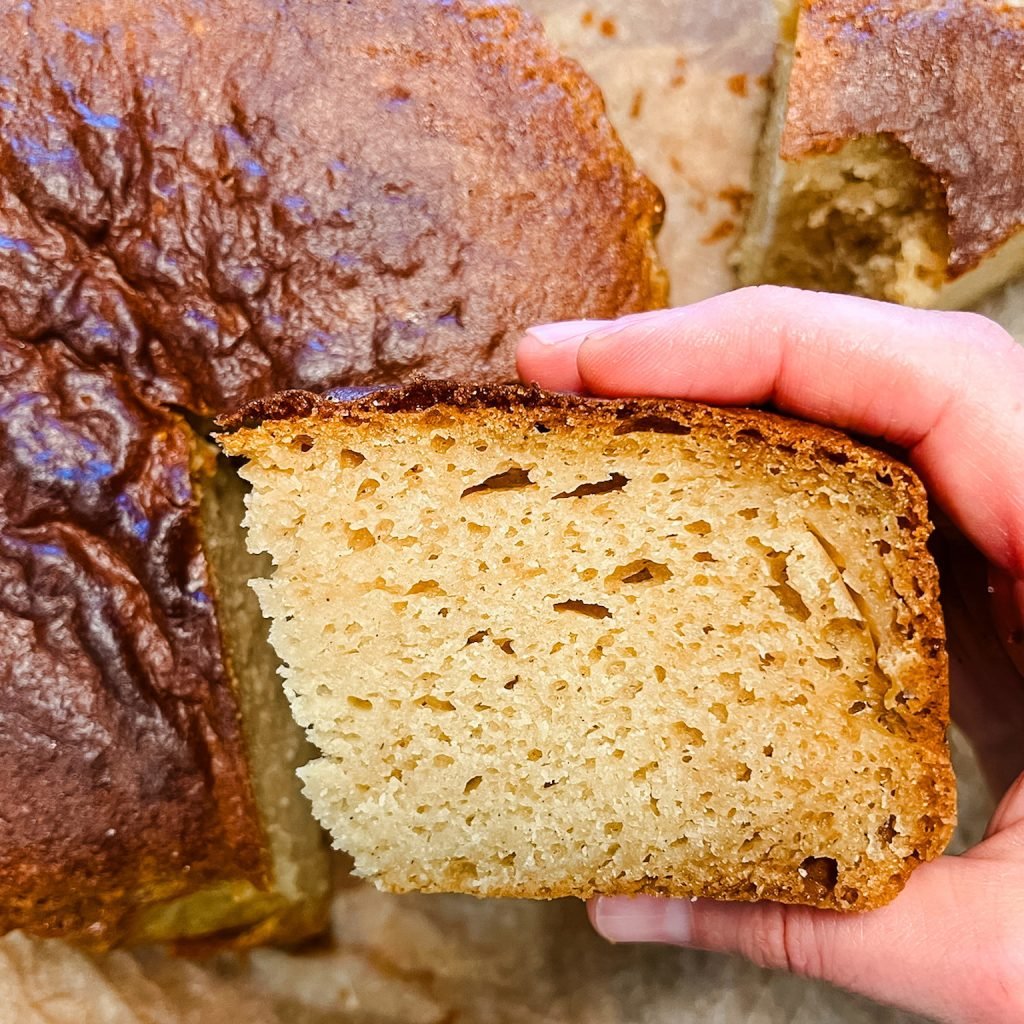
Are you looking for a simple, delicious cake that feels like a warm hug? This Apple and Yoghurt Cake recipe is just what you need.
With fresh apples and creamy yoghurt, it’s moist, flavorful, and surprisingly easy to make. Imagine biting into a slice that’s soft, slightly tangy, and perfectly sweet—your taste buds will thank you. Keep reading, and you’ll discover how to turn everyday ingredients into a cake that everyone will love.
Ready to impress yourself and your guests? Let’s get started!
Ingredients Needed
Gathering the right ingredients is key for a delicious apple and yoghurt cake. Each component adds unique flavor and texture. This recipe uses simple, everyday items that combine beautifully. Freshness and quality impact the final taste greatly.
Fresh Apples Selection
Choose crisp and juicy apples. Varieties like Granny Smith, Fuji, or Honeycrisp work well. They add natural sweetness and a slight tartness. Peel and chop them into small pieces. This helps them cook evenly inside the cake.
Yoghurt Variety
Use plain yoghurt for a mild tangy flavor. Greek yoghurt adds creaminess and moisture. Avoid flavored yoghurts to keep the taste balanced. The yoghurt helps make the cake soft and tender.
Dry Ingredients
- All-purpose flour for structure
- Baking powder to help the cake rise
- Sugar to sweeten the batter
- A pinch of salt to enhance flavors
- Cinnamon or nutmeg for warmth and spice
Additional Flavors
Vanilla extract enriches the cake’s taste. Lemon zest adds a fresh, citrus note. Chopped nuts or raisins can add texture and sweetness. These ingredients make the cake more interesting and flavorful.

Credit: cookpad.com
Preparation Steps
Preparing an apple and yoghurt cake is simple and fun. The process starts with fresh apples and ends with a smooth batter ready for baking. Follow these steps to make the best cake texture and flavor. Each part is important to get a soft, moist cake.
Prepping Apples
Choose firm apples with a sweet-tart taste. Wash them well under cold water. Peel the apples to avoid a tough texture in the cake. Cut the apples into small cubes or thin slices. This helps the apple cook evenly inside the cake. Toss the pieces lightly in lemon juice. It prevents browning and keeps the color fresh.
Mixing Wet And Dry Ingredients
Start with the wet ingredients. Beat yoghurt, eggs, and oil together until smooth. Add sugar and vanilla extract for sweetness and aroma. In a separate bowl, combine flour, baking powder, and a pinch of salt. Sifting the dry ingredients avoids lumps and helps the cake rise well.
Combining The Batter
Slowly add the dry mix into the wet mix. Stir gently with a spatula to keep the batter light. Avoid overmixing to prevent a dense cake. Fold the prepared apple pieces into the batter carefully. This spreads the apples evenly without breaking them. Now the batter is ready to bake into a delicious cake.
Baking Tips
Creating the perfect apple and yoghurt cake requires some baking know-how. These tips will guide you to a moist and flavorful treat. Keep your cake delicious and avoid common pitfalls with these simple tips.
Oven Temperature Settings
Preheat your oven to 180°C (350°F) for an even bake. Ensure your oven is accurate with an oven thermometer. Avoid opening the oven door frequently to maintain a steady temperature.
Baking Time Guidelines
Bake your cake for about 45 to 50 minutes. Check around the 40-minute mark to prevent overbaking. If your cake top browns too fast, cover it with foil.
Checking Cake Doneness
Insert a toothpick into the cake center. It should come out clean or with a few crumbs. If the toothpick is wet, bake for a few more minutes. Let the cake cool before slicing for the best texture.

Credit: food52.com
Serving Suggestions
Serving an Apple and Yoghurt Cake is a joy, and how you present it can make it even better. Thoughtful serving ideas enhance both taste and appearance. Keep the cake fresh and pair it with the right drinks for a delightful experience.
Presentation Ideas
- Slice the cake evenly for a neat look.
- Dust with powdered sugar for a simple touch.
- Top each slice with a dollop of fresh yoghurt.
- Add thin apple slices or cinnamon sticks as decoration.
- Serve on a wooden board or a pretty plate.
Pairing With Beverages
- Enjoy with a warm cup of black tea or herbal tea.
- A glass of cold milk complements the yoghurt in the cake.
- Try fresh apple juice for a matching fruity flavor.
- Light coffee works well for a richer taste experience.
- For a special treat, serve with a mild sparkling water.
Storage And Freshness
Keep the cake in an airtight container to stay moist. Store in the fridge if you want it to last longer. Let the cake come to room temperature before serving for best taste. Avoid leaving it out for more than two days. Freeze slices wrapped well to enjoy later without losing flavor.
Variations To Try
Trying different variations of the Apple and Yoghurt Cake recipe can transform a simple treat into something exciting and unique every time you bake. Small changes in ingredients can bring new textures and flavors that might surprise your taste buds. Are you ready to experiment and find your favorite twist on this classic cake?
Adding Nuts Or Seeds
Adding nuts or seeds gives your cake a delightful crunch and extra nutrition. Walnuts, almonds, or pecans work beautifully with apple’s sweetness and yoghurt’s tang. Toasting them before adding enhances their flavor and adds a warm, nutty note.
Seeds like pumpkin or sunflower add a subtle crunch and boost healthy fats. Sprinkle them on top for a pretty finish or mix them into the batter for a surprise bite. Have you ever tried a handful of chopped hazelnuts in your cake? It adds a rich earthiness that’s hard to resist.
Spice Enhancements
Spices can turn your cake from simple to aromatic and cozy. Cinnamon is a classic partner with apple, but don’t stop there. Try a pinch of nutmeg, ground ginger, or even cardamom to deepen the flavor profile.
If you enjoy a bit of warmth, a dash of cloves or allspice can add complexity. These spices bring out the natural sweetness of the apple while pairing perfectly with yoghurt. Which spice combination would you choose to make your cake uniquely yours?
Alternative Sweeteners
You can easily swap regular sugar with alternatives to make your cake healthier or suit dietary needs. Honey and maple syrup add moisture and a rich, natural sweetness. Keep in mind these liquid sweeteners may slightly change the texture, making your cake more tender.
For a lower-calorie option, try using coconut sugar or stevia. Coconut sugar adds a mild caramel flavor that complements apples beautifully. How would you balance sweetness and health in your cake?

Credit: cooking.nytimes.com
Frequently Asked Questions
What Ingredients Are Needed For Apple And Yoghurt Cake?
You need apples, plain yoghurt, flour, sugar, eggs, baking powder, and cinnamon. These ingredients create a moist, flavorful cake with a soft texture.
How Do I Make Apple And Yoghurt Cake Moist?
Use yoghurt and grated apples for moisture. Avoid overbaking to keep the cake soft and tender inside.
Can I Use Greek Yoghurt Instead Of Regular Yoghurt?
Yes, Greek yoghurt works well. It adds creaminess and richness, enhancing the cake’s texture and taste.
How Long Should I Bake Apple And Yoghurt Cake?
Bake the cake at 350°F (175°C) for 40-45 minutes. Check doneness with a toothpick inserted in the center.
Conclusion
This apple and yoghurt cake is simple and delicious. It uses everyday ingredients anyone can find. The cake stays moist and soft, perfect for any time. Baking this recipe brings a warm, sweet smell to your kitchen. Serve it with tea or coffee for a nice treat.
Try making it soon and enjoy a fresh, tasty dessert. Baking at home has never been easier or more fun. Give this recipe a go, and taste the difference yourself.

Hi, I’m Daniel Brooks—a food lover and kitchen gear enthusiast. I enjoy testing cookware, utensils, and gadgets to see what really works in everyday cooking. At PlugChef.com, I share honest reviews, comparisons, and simple guides to help you choose the best tools for a safer, smarter, and more enjoyable kitchen.
Related posts:
 What Type of Cooking Utensils are Safe: Expert Picks
 What Innovations Could Blenders Make: Unleashing Future Tech
 Smart Strategies to Organize a Small Kitchen: Maximize Space
 How to Organize a Kitchen Cabinet: Expert Tips & Tricks
 How to Organize Kitchen Drawers: Expert Tips and Tricks
 How to Organize a Corner Kitchen Cupboard: Expert Tips

