
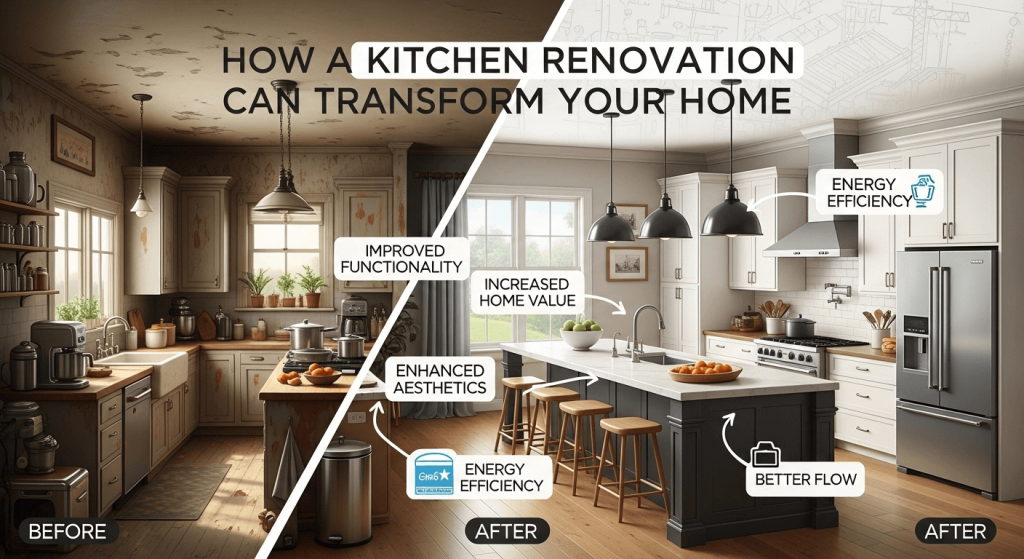
Walking into a cluttered kitchen, tripping over a stray bag of flour, and digging through a dark cabinet for a buried Dutch oven is a frustrating daily ritual for millions of homeowners. A targeted kitchen renovation doesn’t just update your space’s aesthetics — it solves these pain points by reimagining how you store, access, and organize every item you use for cooking, cleaning, and entertaining, including tips for removing countertop oil stains organically how-to-get-rid-of-oils-from-kitchen-counter-organically. Even small, strategic upgrades can add significant usable storage without expanding your kitchen’s footprint, eliminating the need for a costly full gut remodel. Start by mapping your daily cooking routines to align storage with how you actually use your kitchen, a core step in intentional layout planning How To Design A Organic Minimalist Kitchen. In this guide, we’ll break down proven, practical renovation strategies that turn chaotic countertops and overflowing cabinets into a streamlined, functional space tailored to your unique cooking habits, plus guidance for transporting food safely for potlucks and meal prep which-food-container-is-suitable-for-transporting.
 Left: Countertop buried under scattered appliances and food items; right: Counter with all items stored in dedicated cabinetry
Step 1: Audit Your Existing Storage Gaps
Before picking cabinet styles or drawer hardware, start with a 3-day audit of your existing kitchen to identify exactly where storage is falling short. Track every time you:
- Dig through the back of a cabinet to find a rarely used item
- Set items on the counter because there’s no dedicated home for them
- Struggle to reach items stored on high or low shelves
- Throw away expired food because you forgot it was hidden in the pantry This data will help you prioritize renovations that solve your specific pain points, rather than wasting money on generic storage upgrades that don’t fit your routine. For example, if you bake frequently, you’ll want more shallow drawer space for mixing bowls and baking sheets, while meal preppers may prioritize deep pantry storage for bulk ingredients.
Maximize Cabinet Space With Smart Customizations
Standard off-the-shelf cabinets leave significant unused space due to fixed shelves and awkward gaps between walls and cabinet frames. Renovating your cabinetry to prioritize customizability eliminates this waste, making every inch work for you.
Custom Cabinetry For Tailored Fit
Custom cabinets are built to your kitchen’s exact dimensions, eliminating the 1- to 2-inch gaps between wall cabinets and corners that collect dust and lost utensils in stock setups. Work with your cabinet maker to add specialized storage for your most-used items: pull-out spice racks that fit between cabinet frames, built-in knife blocks, or dedicated slots for cutting boards that keep them flat and protected from warping, a tip for maintaining board quality How Is A Cutting Board Stabilized. If stains do occur on your wood cutting boards, follow our guide for removing wood cutting board stains to keep them looking like new how-to-get-stain-out-of-wood-cutting-board. For households with varied cookware, adjustable shelf pins let you reconfigure shelf height as your collection grows, so you never have to sacrifice space for a tall stockpot, colorful cast iron cookware sets, or a stack of small mixing bowls pink-cast-iron-cookware-set. A built-in knife block keeps your quality chef knife set protected from damage and within easy reach while cooking best-chef-knife-set.
Pull-Out Shelves And Drawers
Pull-out shelving eliminates the need to dig through the back of deep base cabinets to find items buried under heavier cookware. Full-extension glides let you pull shelves all the way out of the cabinet frame, so even items stored at the very back are within easy reach. Deep pull-out drawers are a better alternative to stacking pots and pans in deep cabinets, a solution we cover in organizing pots and pans in cabinets how-to-organize-kitchen-cabinets-pots-and-pans. For base cabinets under countertops, choose pull-out drawers with non-slip liners to prevent items from sliding off when you pull the drawer out — a common oversight that negates the convenience of pull-out storage. Heavy items like cast iron skillets and stand mixers are especially well-suited for pull-out shelves, as they eliminate the need to lift them over higher shelves to access them.
Corner Storage Solutions
Blind corner cabinets, the awkward deep spaces where two cabinet runs meet, are some of the most underutilized storage in any kitchen. Lazy Susans installed in these spaces spin 360 degrees, letting you access items stored in the back without reaching deep into the cabinet. For even more functionality, opt for corner pull-out drawers that glide out smoothly, giving you full access to the entire corner space without the unstable tipping that can happen with basic Lazy Susan shelves.
Upgrade Drawer Functionality For Effortless Access
Drawers are far more efficient than deep cabinets for storing everyday items, as they let you see all contents at a glance without digging. Upgrading your drawer design during a renovation turns these overlooked spaces into high-function storage hubs.
Deep Drawers For Bulky Cookware
Standard base cabinets with shelves force you to stack heavy pots and pans, which is both unsafe and hard to organize. Replacing these with deep, full-extension drawers lets you store cookware in a single layer, so you can grab exactly what you need without shifting other items. For extra customization, choose drawers with adjustable height dividers that can be moved to accommodate tall stockpots or small saucepans as your collection changes. Soft-close hardware is a must-have for deep drawers, as it prevents slamming that can damage dishware and cabinetry over time. For a step-by-step walkthrough of installing custom drawer dividers and soft-close glides, this video covers the full process for DIYers: How to Install Kitchen Drawer Organizers
Custom Dividers For Small Items
Shallow utensil and cutlery drawers become useless without dividers, as small items tumble together and get lost in the back of the drawer. Custom dividers sized to your specific collection — whether you have 12 spatulas or 8 different sizes of serving spoons — keep every item in its own designated slot, so you can find what you need in seconds. Custom dividers also keep knives and sharp safe cooking utensils separated from other items to prevent accidental cuts and damage safest-cooking-utensils. For extra flexibility, choose adjustable dividers that you can reconfigure as your collection grows, rather than fixed dividers that become obsolete if you replace a utensil, a core principle of organizing kitchen drawers how-to-organize-kitchen-drawers.
Specialty Drawer Upgrades
Consider adding specialty drawers for items that don’t fit in standard storage: a built-in trash and recycling pull-out hidden in a base cabinet keeps waste out of sight, while a warming drawer near your oven is perfect for storing plates before serving dinner, including dishes like breakfast sausage in a blanket breakfast-sausage-in-a-blanket. For bakers, a dedicated drawer for pastry tools and decorating supplies keeps small items from getting lost in larger utensil drawers.
Optimize Layout To Tie Storage To Your Workflow
Adding more storage won’t make your kitchen more organized if it’s placed in inconvenient spots that force you to walk across the room multiple times while cooking. A well-planned layout ties storage directly to your daily workflow, following the kitchen work triangle principle that positions the sink, stove, and refrigerator within 4 to 9 feet of each other to minimize steps. Adhering to industry-standard kitchen planning guidelines ensures storage is positioned to reduce unnecessary steps while cooking, rather than placed arbitrarily National Kitchen and Bath Association. For example:
- Store pots, pans, and cooking utensils in drawers or cabinets directly next to the stove, so you don’t have to walk across the kitchen to grab a pan while food is cooking.
- Keep dishes, glasses, and silverware in cabinets near the sink and dishwasher, so you can put away clean items without crossing the room.
- Place frequently used spices, oils, and prep tools in a drawer or shelf within arm’s reach of your main prep area, rather than tucked in a distant pantry. If you have a small kitchen, consider a galley layout with storage on both walls to keep all essentials within easy reach, or an L-shaped layout that opens up floor space while keeping storage accessible along both walls.
Leverage Vertical Space For Hidden Storage
Most kitchens waste 5 to 10 square feet of vertical space above eye level, which can be leveraged for storage without making the space feel cramped. The key is to prioritize frequently used items for easy-to-reach shelves, and store seasonal or rarely used items higher up.
Wall-Mounted Shelves
Open wall-mounted shelves are ideal for storing items you use multiple times a day: coffee mugs, everyday dishes, cooking oils, and spices. Install them 18 to 24 inches above countertops to avoid bumping your head while prepping food, and use sturdy brackets rated for the weight of the items you plan to store. For a more streamlined look, opt for closed wall cabinets with glass doors that hide clutter while letting you see what’s inside, perfect for storing glassware or decorative serving pieces.
Hanging Pot Racks
A ceiling-mounted or wall-mounted hanging pot rack frees up 2 to 3 square feet of cabinet space that would otherwise be used for storing bulky cookware. Choose a rack with adjustable hooks to accommodate pots of all sizes, and install it directly above your stove or main prep area for easy access. For small kitchens, a fold-down wall-mounted pot rack is a space-saving alternative that tucks away when not in use.
Tall Pantry Units
If you have an empty wall near your kitchen entrance or dining area, a floor-to-ceiling pantry cabinet adds significant storage for dry goods, small appliances, and cleaning supplies. Opt for a unit with pull-out shelves and adjustable interior shelving to maximize accessibility, and add a built-in spice rack on the door for extra storage.
Integrate Appliances To Free Up Counter Space
Countertop clutter from small appliances is one of the top causes of kitchen disorganization, with most home kitchens having multiple small gadgets taking up valuable prep space. Renovating to integrate appliances into your cabinetry eliminates this clutter entirely, while making your kitchen look more cohesive.
Built-In And Panel-Ready Appliances
Built-in ovens, microwaves, and dishwashers are installed flush with your cabinet fronts, so they don’t protrude into counter space or create awkward gaps. Panel-ready models come with unfinished fronts that you can cover with matching cabinet panels, so they blend seamlessly into your cabinetry for a fully custom look, including matching vintage-style kitchen appliances for a classic aesthetic old-fashioned-style-kitchen-appliances. For small kitchens, a drawer-style dishwasher installed next to the sink takes up less space than a standard full-size model, while still holding 8 to 10 place settings. Panel-ready models come in stainless steel and other finishes that match your existing appliances, creating a cohesive look that makes stainless steel appliances a popular choice for modern kitchens stainless-steel-appliances-in-kitchen-make-cooking.
Under-Counter Appliances
Under-counter refrigerators, wine coolers, and extra freezers are perfect for households that need extra cold storage without sacrificing counter space. An under-counter fridge positioned near your prep area is ideal for storing ingredients you use multiple times a day, like milk, eggs, and produce, so you don’t have to walk to your main refrigerator every time you need an item. For entertaining, a built-in ice maker or wine fridge keeps drinks cold and accessible without cluttering your counters. If you store a blender in your appliance garage, look for models with innovative blender features like pre-set smoothie programs and self-cleaning functions to make meal prep faster what-innovations-could-blenders-make.
Appliance Garages
A built-in appliance garage is a dedicated cabinet with a sliding or retractable door that hides small appliances like toasters, blenders, and air fryers when they’re not in use. This keeps countertops clear for food prep, while still letting you access your gadgets in seconds when you need them. For extra functionality, add power outlets inside the garage so you can leave appliances plugged in and ready to use, a solution for taming small appliance clutter How Do You Organize Small Appliances In A Small Kitchen.
 Labeled clear bins and adjustable wire shelving maximize visibility and accessibility in a deep walk-in pantry
Image source: www.bhg.com
Labeled clear bins and adjustable wire shelving maximize visibility and accessibility in a deep walk-in pantry
Image source: www.bhg.com
Design A High-Function Pantry For Easy Access
Even the most beautifully designed kitchen will feel cluttered if your pantry is a mess of expired cans and lost snacks. A well-planned pantry renovation turns this often-overlooked space into a centralized hub for all your food and cooking supplies, a core part of kitchen pantry organization how-organize-kitchen-pantry.
Pull-Out Pantry Systems
Blind corner pantries or deep walk-in pantries often have items stored at the back that are impossible to reach, leading to expired food and wasted money. Pull-out pantry systems glide out fully, so you can see and access every item in the pantry without digging. For narrow pantry spaces, choose slim pull-out shelves that fit between cabinet frames, or install door-mounted spice racks and can organizers to add extra storage without taking up floor space.
Adjustable And Clear Storage
Adjustable shelving lets you reconfigure your pantry space as your storage needs change: move shelves up to store tall cereal boxes or bulk bags of rice, or move them down to create more space for small jars and cans. Pair adjustable shelves with clear, labeled storage bins to group similar items together (baking supplies, breakfast foods, snacks) so you can see what you have at a glance. For food safety, follow USDA food safety guidance for dry goods storage to ensure ingredients stay fresh and safe to use USDA Food Safety.
FIFO Storage Systems
To reduce food waste, install a first-in, first-out (FIFO) shelving system that automatically rotates older items to the front of the shelf as you add new items to the back. Many pull-out pantry systems come with built-in FIFO tracks, or you can add simple shelf organizers that do the same job for a low cost. Pair your new pantry storage with a small under-counter compost caddy for food scraps, and use certified compostable trash bags as part of your strategy for reducing kitchen waste eco-friendly-kitchen-ideas-to-reduce-waste and 4 Gallon Compostable Trash Bags.
Efficient Island Design
A kitchen island is one of the most versatile storage additions you can make during a renovation, adding extra counter space, seating, and hidden storage all in one. For islands to improve organization rather than create clutter, prioritize multi-functional design that aligns with your daily routines.
Multi-Functional Features
A standard kitchen island is 36 to 48 inches deep and 80 to 120 inches long, with at least 36 inches of clearance on all sides to allow for comfortable traffic flow. Add a built-in sink or cooktop to create a secondary prep area, or install a breakfast bar with overhang seating for quick meals. For households that entertain frequently, add a built-in wine rack or glass storage to keep serving items accessible. If your island includes a built-in sink for prep work, keep it running smoothly with regular kitchen sink cleaning tips kitchen-sink-cleaning.
Hidden Storage Compartments
Use the base of your island for hidden storage that keeps clutter out of sight: deep pull-out drawers for pots and pans, cabinets for small appliances, or a built-in trash and recycling station with separate compartments for compost, recycling, and landfill waste. For extra organization, add a built-in charging station with USB ports and outlets to charge phones, tablets, and small kitchen gadgets without cluttering countertops with cords.
Open Shelving Options
If you have a small kitchen, add 1 to 2 open shelves to one side of the island to store everyday items like coffee mugs, cookbooks, or decorative dishes. Open shelves make items easy to grab without opening a cabinet, and lighten the visual weight of a large island in a small space. Just be sure to only store items you use daily on open shelves, as they collect dust more quickly than closed cabinets.
Innovative Accessory Upgrades To Fill Small Gaps
Small, low-cost accessory upgrades can fill gaps in your storage system without a full cabinet renovation. These additions are especially useful for renters who can’t modify their cabinetry, or homeowners who want to add extra storage without a full remodel.
Magnetic Knife Strips
A wall-mounted magnetic knife strip frees up 6 to 8 inches of drawer space that would otherwise be used for storing knives, and keeps blades safely out of reach of children. Mount the strip on a blank stretch of backsplash above your prep area, and arrange knives by size for easy access. For safety, choose a strip rated for the weight of your knife set, and mount it securely to wall studs to prevent it from pulling loose over time.
Spice Rack Inserts
Deep kitchen drawers are perfect for storing spice jars, but they often become a jumbled mess of mismatched containers. Custom spice rack inserts fit snugly into shallow drawers, with individual slots for each spice jar so you can see labels at a glance. Arrange spices alphabetically or by frequency of use to make cooking faster, and choose inserts made of non-slip material to prevent jars from sliding when you open the drawer.
Under-Shelf Baskets
Under-shelf baskets hang from existing cabinet shelves, effectively doubling your storage space for items like mugs, dish towels, or small snack packages. They’re especially useful for upper cabinets that have 6 to 12 inches of wasted vertical space between the shelf and the top of the cabinet. For heavy items, choose baskets made of sturdy metal that can support the weight of multiple mugs or canned goods. Under-shelf baskets are perfect for storing small kitchen gadgets like a soft serve ice cream maker, citrus reamers, and immersion blenders best-home-soft-serve-ice-cream-machine.
Over-The-Sink Shelves
If you have empty space above your kitchen sink, an over-the-sink shelf adds extra storage for dish soap, sponges, and drying racks without taking up counter space. Choose a rust-resistant model made of stainless steel or silicone to stand up to water splashes, and make sure it doesn’t block your sink’s faucet when extended.
 Custom deep drawer with adjustable height dividers stores bulky cookware in a single layer for easy access
 Panel-ready built-in appliances flush with cabinet fronts eliminate countertop clutter and create a unified aesthetic
 Small accessories like magnetic strips and under-shelf baskets fill storage gaps without a full cabinet renovation
Avoid Common Renovation Storage Mistakes
Even well-planned kitchen renovations can fall short of their storage goals if you make these common, avoidable mistakes:
- Skipping the audit: Picking storage upgrades based on trends rather than your actual daily routines leads to wasted space and money. For example, a built-in wine rack is useless if you don’t drink wine regularly, while extra deep pantry shelves are a waste if you mostly buy fresh produce.
- Overlooking power access: If you’re adding built-in storage for small appliances, make sure there are power outlets inside the cabinet or drawer to avoid having cords snake across countertops. A common mistake is installing an appliance garage without an outlet, forcing you to plug the appliance in on the counter anyway.
- Skimping on hardware: Cheap drawer glides and soft-close hinges will break within a few years of heavy use, leaving you with stuck drawers and slamming cabinets. Invest in heavy-duty, full-extension glides for deep drawers, and choose soft-close hardware rated for the weight of the items you’ll store.
- Forgetting about accessibility: Store frequently used items between knee and shoulder height, so you don’t have to bend or stretch to reach them. Items stored on the highest or lowest shelves are rarely used, leading to wasted space and forgotten food.
- Ignoring future needs: If you have young children or plan to age in place, add pull-out shelves at lower heights and lever handles on cabinets to make storage accessible for all household members. Over-customizing for your current needs can make your kitchen less functional as your household changes.
Frequently Asked Questions
How do I increase storage in my small kitchen without renovating?
If a full renovation isn’t in your budget, start with low-cost, reversible upgrades that deliver meaningful storage gains without modifying your cabinetry. Install under-shelf baskets in existing upper and lower cabinets to double usable vertical space, add over-the-door organizers to pantry doors for spices, snacks, and small canned goods, and use adjustable drawer dividers to tame clutter in utensil and cutlery drawers. For galley or studio kitchens, a narrow rolling utility cart with drawers adds extra prep and storage space that you can tuck into a closet or move out of the way when not in use. Magnetic strips mounted on a blank stretch of backsplash free up drawer space for knives and other sharp utensils, while over-the-sink shelves add extra storage for dish soap and sponges without taking up counter real estate.
What cabinet upgrades deliver the biggest storage boost per dollar?
For most homeowners, pull-out shelves and full-extension drawer glides deliver the highest ROI, as they eliminate the wasted space at the back of deep base cabinets that forces you to dig for buried items. For corner cabinets, a blind corner pull-out system adds significantly more usable space than a standard fixed shelf or basic Lazy Susan, while costing only slightly more than basic shelving hardware. If you’re working with a tight budget, prioritize upgrading the 2-3 cabinets you use most often (base cabinets near the stove and sink, and your main pantry) rather than replacing every cabinet in the kitchen to maximize impact for your spend.
Are custom cabinets worth the extra cost for better storage?
Custom cabinets are worth the premium investment if you have unusual kitchen dimensions, highly specialized storage needs (like a dedicated baking station with custom slots for mixing bowls and baking sheets, or a built-in appliance garage for small gadgets), or a desire for a fully seamless, high-end look. Semi-custom cabinets from reputable manufacturers offer many of the same storage customization options (adjustable shelf pins, custom drawer widths, specialty inserts) at a lower cost than fully custom built-ins. For most homeowners, semi-custom cabinetry paired with heavy-duty, soft-close hardware delivers the same storage functionality as fully custom options without the steep price tag.
How do I keep my new kitchen organized long-term after a renovation?
Start by assigning a dedicated, clearly labeled home for every item during your renovation planning phase, so you don’t end up with random clutter accumulating on countertops after you move back in. Use clear, stackable bins in pantries and drawers to make it easy for every household member to find and put away items, and schedule a 10-minute weekly reset to return misplaced items to their designated spots. Avoid over-decorating open shelves, as visual clutter will make even a perfectly organized kitchen feel messy, and stick to a "one in, one out" rule for new kitchen gadgets to prevent overflow into your existing storage space.
Final Thoughts
A well-planned kitchen renovation does more than just update your space’s aesthetic — it eliminates daily frustration by aligning your storage and organization with how you actually cook, clean, and entertain. From custom cabinetry that uses every inch of your wall and corner space to small accessory upgrades that fill tiny gaps, even modest renovations can add significant usable storage without expanding your kitchen’s footprint. The key is to prioritize upgrades that solve your specific pain points, rather than following generic trends that don’t fit your routine. If you’re ready to start planning your renovation, map your daily workflows first to identify which storage upgrades will deliver the biggest impact for your household, and work with a reputable kitchen designer to ensure your layout follows industry-standard workflow principles for maximum efficiency.
Ready to tackle smaller kitchen organization projects first? Check out our guide to taming small appliance clutter in tight spaces for low-cost, renter-friendly tips to declutter your countertops today. For step-by-step maintenance tips to keep your new kitchen storage and appliances running smoothly for years to come, explore our full library of kitchen maintenance guides.

I’m Abby Lu, a passionate home cook who loves simplifying everyday meals. At PlugChef.com, I share product reviews and cooking guides to help you find the best tools for your kitchen.
Related posts:
 Rubber Mat for Kitchen Sink: Essential Protection Tool
 Vintage Spice Rack With Glass Bottles: Timeless Kitchen Charm
 Hard And Soft Shell Taco: Ultimate Guide to Tasty Taco Choices
 How to Microwave Steam Asparagus: Quick & Easy Perfect Results
 How to Soak Grill Grates: Easy Tips for a Sparkling Clean Grill
 What is a Dry Rub: Ultimate Guide to Flavorful BBQ Seasoning

