
The hard vs. soft shell taco debate is one of the most enduring food arguments among home cooks, taco shop regulars, and casual Mexican food fans alike. Both options deliver the core taco experience—savory fillings wrapped in a flavorful, handheld base—but their distinct textures, use cases, and cultural backgrounds cater to totally different cravings and occasions. This guide breaks down every key difference between the two styles, from their origins and nutritional profiles to pro serving tips and creative variations, so you can pick the perfect shell for any taco night, no guesswork required.
What Are Hard And Soft Shell Tacos? Core Definitions
Before diving into the details, it’s helpful to establish clear baseline definitions for each style, as the terms are often used interchangeably but refer to very different preparations:
- Hard shell tacos: U-shaped, crispy fried or baked corn tortillas, typically pre-formed into a rigid shell that holds its shape even when filled. They are a staple of Tex-Mex cuisine and mass-market fast food Mexican chains.
- Soft shell tacos: Pliable, warmed corn or flour tortillas that are folded or rolled around fillings, rather than pre-formed into a rigid shape. This is the traditional style served across most of Mexico, and the base for countless regional taco varieties.
Hard Shell Tacos: The Crispy Tex-Mex Staple
Origins and Evolution
Contrary to popular belief, hard shell tacos are not a traditional Mexican dish. The style was popularized in the United States in the mid-20th century as part of the Tex-Mex culinary movement, which adapted Mexican ingredients and flavors for American palates and fast, portable service. The most famous early iteration was introduced by Glen Bell, founder of Taco Bell, who in the 1950s standardized the U-shaped fried corn shell to make tacos easier to mass-produce and eat on the go. Earlier versions of fried corn taco shells existed in Texas-Mexican home cooking as early as the 1910s, but the pre-formed, U-shaped hard shell became a nationwide staple in the 1960s as Tex-Mex restaurants spread across the US.
Typical Ingredients and Fillings
Classic hard shell tacos follow a simple, consistent formula that prioritizes crunch and contrast:
- Savory seasoned ground beef (seasoned with chili powder, cumin, garlic, and onion) is the most common filling, though shredded chicken, seasoned pork, or refried beans are popular alternatives.
- Toppings are chosen to add cool, crisp contrast to the hot, crunchy shell: shredded iceberg lettuce, diced white onion, diced tomatoes, shredded cheddar cheese, sour cream, and mild salsa are standard.
- Regional variations exist: in the US Southwest, you’ll often find hard shell tacos topped with guacamole or pickled jalapeños, while fast-food versions may include pre-shredded lettuce and shelf-stable salsa.
Cooking and Preparation Methods
Hard shells are available pre-made in grocery stores, but homemade versions have far better flavor and texture:
- Frying: The traditional method involves heating 6-inch corn tortillas in 350°F oil for 1-2 minutes until golden and crisp, then draping them over the tines of a fork bent into a U-shape to hold their form as they cool.
- Baking: For a lower-fat option, brush corn tortillas with a thin layer of oil and bake at 375°F for 3-4 minutes, then shape into shells while still warm.
- A common mistake home cooks make when making hard shells is overfrying them, which leads to a bitter, brittle texture that shatters when filled. Fry only until lightly golden, and store shells in an airtight container to keep crisp for up to 3 days. After cooking, scrub stuck-on oil and food bits from your skillet with a sturdy kitchen scrub brush to keep your cookware in top shape for future taco nights.
Flavor and Texture Profile
The defining feature of a hard shell taco is its loud, satisfying crunch that contrasts with the soft, savory fillings inside. The fried corn shell has a toasted, nutty flavor that pairs perfectly with spiced meat and cool, creamy toppings. When eaten fresh, the shell holds its shape and doesn’t absorb excess moisture from fillings, delivering a balanced bite of crunchy, savory, cool, and fresh in every bite.
 Pre-made U-shaped hard taco shells, a ubiquitous Tex-Mex pantry staple
Soft Shell Tacos: The Traditional Flexible Favorite
History and Cultural Roots
Soft shell tacos are the original taco style, with roots stretching back thousands of years to indigenous Mesoamerican cultures that cultivated corn and pressed it into tortillas. In modern Mexico, tacos are almost exclusively served on soft, freshly pressed corn tortillas, cooked on a cast iron comal (griddle) for 30 seconds per side until pliable and slightly toasted. Flour tortillas, which are more common in northern Mexico and Tex-Mex cuisine, were introduced by Spanish colonists and offer a mild, chewy texture that works well for larger, juicier fillings. Unlike hard shells, soft tacos have no rigid structure, making them far more versatile for regional fillings and serving styles.
Common Fillings and Variations
Soft shell tacos are the base for hundreds of regional Mexican and Tex-Mex varieties, with fillings that range from simple to elaborate:
- Traditional Mexican fillings include al pastor (marinated pork cooked on a vertical spit), carnitas (braised pork), carne asada (grilled steak), and rajas con queso (roasted poblano peppers and melted cheese).
- Tex-Mex soft tacos often feature seasoned ground beef, grilled chicken, or fish, topped with lettuce, cheese, and salsa.
- Vegetarian options are equally varied: spiced black beans, roasted sweet potato, grilled portobello mushrooms, and sautéed peppers and onions are all popular, plant-based fillings.
Preparation Best Practices
The key to a perfect soft shell taco is properly warming the tortilla to make it pliable without making it brittle or dry:
- Corn tortillas should be warmed on a dry cast iron comal or skillet for 30 seconds per side, until they are soft and slightly puffed. Wrapping them in a damp paper towel and microwaving for 15 seconds is a quick alternative, but they will dry out faster than comal-warmed tortillas. For the safest, cleanest prep, scrub your produce before dicing with a versatile kitchen cleaning brush to remove dirt, wax, and pesticide residue.
- Flour tortillas can be warmed in a dry skillet for 10 seconds per side, or microwaved wrapped in a damp paper towel for 10 seconds. Avoid over-warming, as this will make them tough and prone to tearing.
- In practice, soft tortillas are best filled within 5-10 minutes of warming, as they will dry out and crack if left to sit uncovered.
Flavor and Texture Profile
Soft shell tacos have a mild, earthy flavor from the corn or flour tortilla that complements, rather than overpowers, the fillings inside. The pliable texture wraps around juicy, savory fillings without breaking, and the tortilla often absorbs flavorful juices from meats and salsas for a more cohesive bite. Unlike hard shells, soft tacos can be overstuffed without risk of structural failure, making them ideal for hearty, loaded fillings.
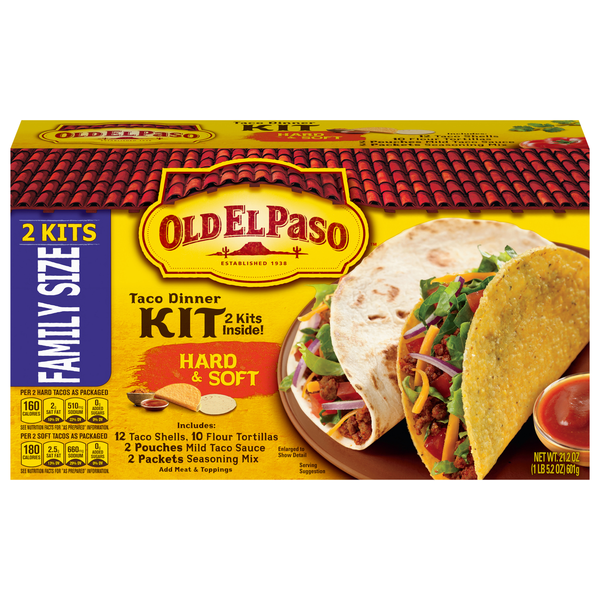 A side-by-side serving of classic hard and soft shell tacos, topped with fresh lettuce, cheese, and lime
Head-to-Head Comparison: Hard vs. Soft Shell Tacos
To help you decide which style fits your needs, we’ve broken down the core differences across key categories, with practical, unbiased takeaways:
| Category | Hard Shell Tacos | Soft Shell Tacos |
|---|---|---|
| Texture | Crispy, crunchy, rigid; shatters if overfilled or exposed to moisture | Pliable, chewy, flexible; can hold overstuffed fillings but may tear if overhandled |
| Nutrition (per 6-inch shell) | ~110 calories, 4.5g fat, 16g carbs, 1g fiber (higher in fat and calories due to frying) | ~50 calories, 0.7g fat, 11g carbs, 1.4g fiber (lower in fat, higher in fiber for corn varieties) |
| Best Use Cases | Game day snacks, kid’s meals, portable handheld meals, fillings that are not overly wet | Family dinners, loaded fusion tacos, breakfast tacos, fillings with high moisture content (salsa, grilled meat, seafood) |
| Cultural Context | Tex-Mex innovation, not traditional Mexican cuisine | Traditional style served across nearly all of Mexico |
| Shelf Life | Pre-made shells last 3-4 months in the pantry; homemade last 3 days in an airtight container | Fresh tortillas last 5-7 days in the fridge, or 3 months in the freezer |
Texture and Structural Integrity
Hard shells deliver a signature crunch that many taco fans crave, but their rigid structure makes them prone to breaking if overfilled or exposed to wet toppings like salsa or guacamole. Soft shells, by contrast, are flexible enough to hold generous fillings without breaking, but their pliable texture means they can tear if handled roughly or overfilled with heavy, sharp ingredients like chunks of meat or hard vegetables.
Nutritional Differences
The biggest nutritional difference between the two styles comes from the cooking method: hard shells are fried in oil, which adds significant calories and fat, while soft shells are typically only warmed, with no added fat. According to USDA FoodData Central, a standard 6-inch hard taco shell has roughly double the calories and 6x the fat of a 6-inch soft corn tortilla. That said, the nutritional profile of your final taco depends far more on your fillings than your shell choice: a soft shell taco loaded with fried fish and sour cream will be far less healthy than a hard shell taco with grilled chicken and fresh veggies. For gluten-free diners, 100% corn hard or soft shells are a safe choice, but always check labels, as some processed hard shells contain added wheat flour.
Versatility for Different Recipes
Hard shells excel in simple, classic taco recipes that prioritize crunch: ground beef tacos with lettuce and cheese, kid-friendly bean and cheese tacos, and game-day snack tacos are all perfect use cases, as the rigid shell holds its shape even when eaten while moving. Soft shells are far more versatile for creative, loaded recipes: they work for breakfast tacos with scrambled eggs and potato, large fusion tacos with Korean BBQ or Thai curry fillings, and even burrito-style wraps that are too big for a hard shell.
Cultural Context and Authenticity
If you’re looking for an authentic Mexican taco experience, soft corn tortillas are the only traditional option. Hard shells are a uniquely American Tex-Mex creation, with no historical precedent in traditional Mexican cuisine. That said, both styles are widely enjoyed and have their own dedicated fanbases, so there is no "right" choice from a taste perspective—only a choice that aligns with your preferences and the occasion.
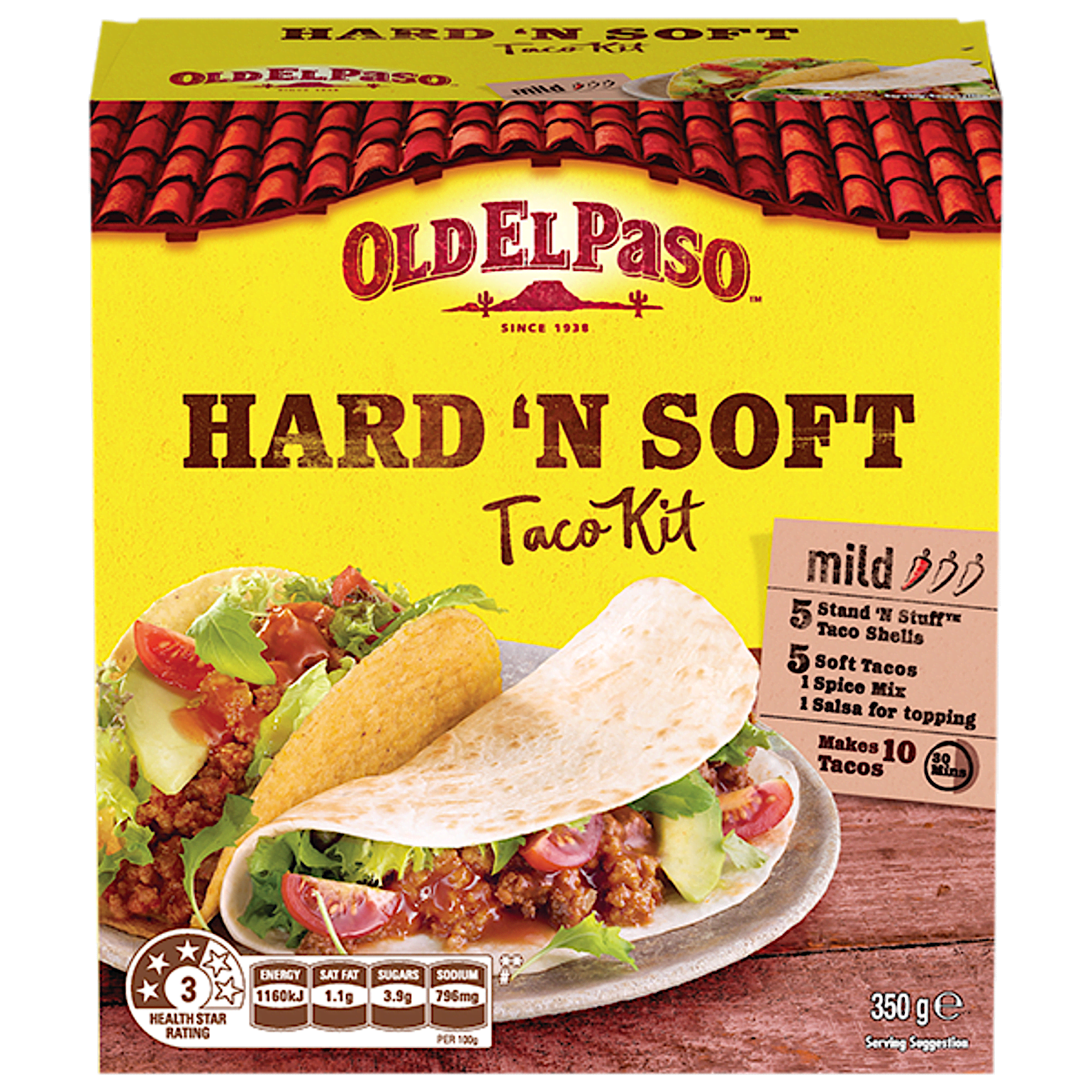 Pre-assembled taco kits like this include both shell options, fillings, and seasonings for quick weeknight meals
How To Choose The Right Shell For Your Taco Night
With so many variables to consider, picking the right shell doesn’t have to be overwhelming. Use these guidelines to match the shell to your specific needs:
Match The Shell To Your Meal Occasion
- For casual, portable meals like game day snacks, backyard barbecues, or kid’s lunches, hard shells are the best choice: their rigid structure means they won’t spill fillings, even if you’re eating while standing or moving around.
- For sit-down family dinners, taco bar parties, or meal prep, soft shells are more practical: you can warm a batch of tortillas in minutes, and their flexible structure lets guests load up on fillings without worrying about shells breaking.
- For breakfast tacos, soft shells are the only practical option, as their pliable texture can hold fluffy scrambled eggs, potatoes, and bacon without breaking.
Align With Your Personal Taste Preferences
Your taste buds are the final authority: if you crave a loud, satisfying crunch with every bite, hard shells are the clear winner. If you prefer a mild, chewy base that lets the flavor of your fillings shine, soft shells are the better pick. Many taco fans enjoy both styles for different occasions: hard shells for casual, crunchy snacks, and soft shells for hearty, loaded meals.
Accommodate Dietary Needs
Shell choice can make or break a meal for diners with dietary restrictions:
- Gluten-free: Opt for 100% corn hard or soft shells, and avoid flour tortillas or processed hard shells that contain added wheat flour.
- Low-carb/keto: Skip traditional corn and flour shells entirely, and use lettuce wraps, jicama slices, or baked portobello mushroom caps as low-carb alternatives.
- Low-calorie: Soft corn tortillas are the lowest-calorie option, with roughly half the calories of a standard hard shell.
Pair With Your Favorite Toppings and Fillings
The shell you choose should complement, not compete with, your fillings:
- Hard shells pair best with thick, chunky fillings that won’t make the shell soggy: ground beef, refried beans, queso, and thick chunky salsas are all perfect matches.
- Soft shells pair best with juicy, wet fillings that would make a hard shell soggy within minutes: grilled shrimp, carnitas, salsa verde, and grilled vegetables are all ideal for soft shells, as the pliable tortilla will absorb excess moisture without breaking.
Creative Taco Variations To Try Tonight
Once you’ve mastered the basics, experiment with these creative variations to take your taco game to the next level:
Fusion Tacos That Break The Mold
Tacos are the perfect vessel for global flavors, thanks to their simple, handheld structure:
- Korean BBQ tacos: Fill soft flour tortillas with gochujang-marinated grilled beef, kimchi, and a drizzle of sesame oil, topped with pickled red onions and cilantro.
- Thai curry tacos: Use soft corn tortillas filled with coconut curry chicken, pickled carrots and daikon, and a sprinkle of chopped peanuts, topped with a squeeze of lime.
- Mediterranean tacos: Fill soft flour tortillas with grilled lamb, tzatziki sauce, sliced cucumber, and crumbled feta cheese for a fresh, tangy twist.
Hearty Vegan and Vegetarian Options
You don’t need meat to make a satisfying, flavorful taco:
- Roasted cauliflower tacos: Toss cauliflower florets in chipotle lime seasoning, roast until crispy, and serve on soft corn tortillas with avocado salsa and vegan crema.
- Sweet potato and black bean tacos: Roast cubed sweet potato with cumin and smoked paprika, pair with spiced black beans, and top with pepitas and lime crema on soft flour tortillas.
- Grilled portobello tacos: Marinate portobello mushroom caps in soy sauce and lime juice, grill until tender, and serve on hard or soft shells with grilled peppers and onions.
Unique Non-Traditional Shell Alternatives
If you want to skip corn and flour shells entirely, these alternatives cater to a range of dietary needs and flavor preferences:
- Jicama slices: Cut jicama into ¼-inch thick rounds, and use them as a crisp, low-carb, slightly sweet base for small tacos.
- Butter lettuce cups: Use large butter lettuce leaves as a gluten-free, low-carb wrap for light fillings like grilled fish or chicken.
- Baked sweet potato rounds: Slice sweet potatoes into ½-inch thick rounds, bake until firm, and top like a taco for a hearty, nutrient-dense option.
- Portobello mushroom caps: Use large portobello caps as a savory, umami-rich base for loaded meat-free tacos.
Seasonal Taco Recipes For Every Time of Year
Using in-season produce makes your tacos taste fresher and more vibrant, while supporting local farmers and reducing your environmental impact:
- Spring: Grilled asparagus and radish tacos with lemon crema on soft corn tortillas, topped with fresh peas and microgreens.
- Summer: Charred corn and peach salsa tacos with grilled shrimp on flour tortillas, topped with avocado and cilantro.
- Fall: Roasted butternut squash and black bean tacos with pepitas and chipotle crema on soft corn tortillas.
- Winter: Braised short rib tacos with citrus slaw on flour tortillas, topped with pickled red onions and cotija cheese.
Pro Tips For Serving and Enjoying Perfect Tacos
Small adjustments to your prep and serving process can take your tacos from good to great:
Keep Hard Shells Crisp All Night Long
The #1 cause of soggy hard shells is moisture from wet toppings like salsa, guacamole, or juicy meat. To prevent sogginess:
- Layer a moisture barrier directly on the shell before adding wet ingredients: shredded cheese, shredded lettuce, or a thin layer of refried beans works perfectly, as it blocks moisture from seeping into the shell.
- If you’re prepping tacos ahead of time for a party, keep shells and fillings in separate dishes, and only assemble tacos right before serving. You can store empty shells in a 200°F oven for up to 30 minutes to keep them crisp.
- When handling raw meat or poultry for taco fillings, follow USDA food safety guidelines to prevent cross-contamination and foodborne illness. After the party, sanitize your prep surfaces and fridge shelves with a disinfecting brush set to remove any lingering taco meat or salsa residue.
Master The Perfect Fold
How you fold your taco affects both the eating experience and how many fillings stay inside:
- For hard shells, hold the taco gently near the bottom, and bite at a 45-degree angle to prevent fillings from spilling out the bottom. Avoid squeezing the shell too hard, as this can cause it to break.
- For soft shells, fold the tortilla in half first, then fold the bottom 1-2 inches up to create a small "pocket" that catches any drips. For extra-large soft tacos, you can roll the tortilla tightly like a burrito to keep all fillings contained.
Build The Ultimate Taco Bar For Guests
If you’re hosting a taco night, a DIY taco bar is the easiest way to let guests customize their meals to their preferences:
- Set out both hard and soft shells, plus a variety of prepped fillings (seasoned meat, beans, roasted veggies, etc.) in separate warming dishes.
- Offer a range of toppings: salsas, pico de gallo, guacamole, shredded cheese, sour cream, pickled onions, cilantro, and lime wedges.
- When prepping fresh produce for toppings, scrub dirt and wax off tomatoes, peppers, and limes with a versatile kitchen cleaning brush to ensure your ingredients are clean and safe to eat.
- For families with young children, install no-drill child safety locks on lower kitchen cabinets to keep kids away from hot cookware and sharp utensils during the party.
- Keep a wall-mounted kitchen cleaning brush nearby for quick cleanup of salsa spills or taco meat drips as they happen, so you can spend more time with your guests.
Avoid Common Taco Mistakes
- Don’t overfill hard shells: 2-3 ounces of filling per shell is the sweet spot to avoid breakage and spills.
- Don’t over-warm soft tortillas: 10-15 seconds of heat is all you need; over-warming will make them tough and prone to tearing.
- Don’t add wet toppings directly to hard shells before serving: always add a moisture barrier first, and fill shells right before eating.
Frequently Asked Questions
What is the actual difference between hard and soft shell tacos?
Hard shell tacos use crispy, fried or baked U-shaped corn tortillas with a rigid, crunchy texture, while soft shell tacos use pliable, warmed corn or flour tortillas that are folded or rolled around fillings. The core difference is texture and structural integrity: hard shells hold their shape but break easily if overfilled or exposed to moisture, while soft shells can hold larger fillings but may tear if overhandled.
Which taco shell is healthier?
In general, soft corn tortillas are the healthier option: according to USDA FoodData Central, a 6-inch soft corn tortilla has roughly half the calories and one-sixth the fat of a standard 6-inch hard taco shell. That said, the overall healthiness of your taco depends far more on your fillings than your shell choice: a soft shell taco loaded with fried fish and sour cream will be far less healthy than a hard shell taco with grilled chicken and fresh veggies.
Are hard shell tacos authentic Mexican food?
No, hard shell tacos are a Tex-Mex innovation popularized in the United States in the mid-20th century, most notably by Glen Bell, the founder of Taco Bell, who adapted the fried corn tortilla shell for fast, portable service. Traditional Mexican tacos almost always use soft, freshly pressed corn tortillas, with no fried hard shells.
Can I use flour tortillas for soft shell tacos?
Yes, flour tortillas are a common soft shell option, especially in northern Mexico and Tex-Mex cuisine. They have a mild, slightly chewy texture and are more flexible than corn tortillas, making them ideal for larger or juicier fillings. Note that flour tortillas contain gluten, so they are not suitable for gluten-free diets unless specifically labeled as such.
How do I keep hard shell tacos from getting soggy?
The #1 cause of soggy hard shells is moisture from wet toppings. To prevent sogginess, layer a moisture barrier (shredded cheese, lettuce, or a thin layer of refried beans) directly on the shell before adding salsa, guacamole, or other wet ingredients. If assembling ahead of time, store shells and fillings separately, and only fill shells right before serving.
Can I make hard taco shells at home?
Absolutely! To make homemade hard shells, warm 6-inch corn tortillas in a dry skillet for 30 seconds per side to make them pliable, then drape them over the tines of a fork bent into a U-shape. Fry in 350°F oil for 1-2 minutes until golden and crisp, or bake at 375°F for 3-4 minutes for a lower-fat option. Homemade shells have far better flavor than store-bought versions, and you can control the amount of salt and oil used.
Are soft shell tacos gluten-free?
Traditional soft corn tortillas are naturally gluten-free, as they are made only from corn masa and water. However, some soft flour tortillas contain gluten, and some processed corn tortillas may have cross-contamination from wheat flour during manufacturing. Always check labels if you have celiac disease or a severe gluten intolerance.
Conclusion: Find Your Perfect Taco Match
There is no universal "best" taco shell—only the best shell for your specific craving, occasion, and dietary needs. Hard shells deliver a satisfying, portable crunch that’s perfect for casual meals and snack time, while soft shells offer the flexible, traditional base that works for everything from simple street tacos to loaded fusion creations. The best way to find your favorite is to experiment with both styles, try new fillings and toppings, and see which combination fits your taste and lifestyle best. Ready to upgrade your taco night? Stock up on fresh shells, your go-to fillings, and all your favorite toppings this week to test both styles and find your new go-to taco.

I’m Abby Lu, a passionate home cook who loves simplifying everyday meals. At PlugChef.com, I share product reviews and cooking guides to help you find the best tools for your kitchen.
Related posts:
 Seville Expandable Cabinet And Pantry Organizer: Space Savior
 Glideware Pull Out Cabinet Organizer for Pots & Pans: Space Saver
 Small 3-Tier Shelf Organizer: Maximize Space Effortlessly
 Trader Joe’S Spicy Lentil Wrap: Delicious, Healthy, and Quick Meal!
 Easy Way to Peel Pumpkin: Quick Tips for Effortless Prep
 How Long Do Grapes Last: Ultimate Freshness Guide Revealed

