
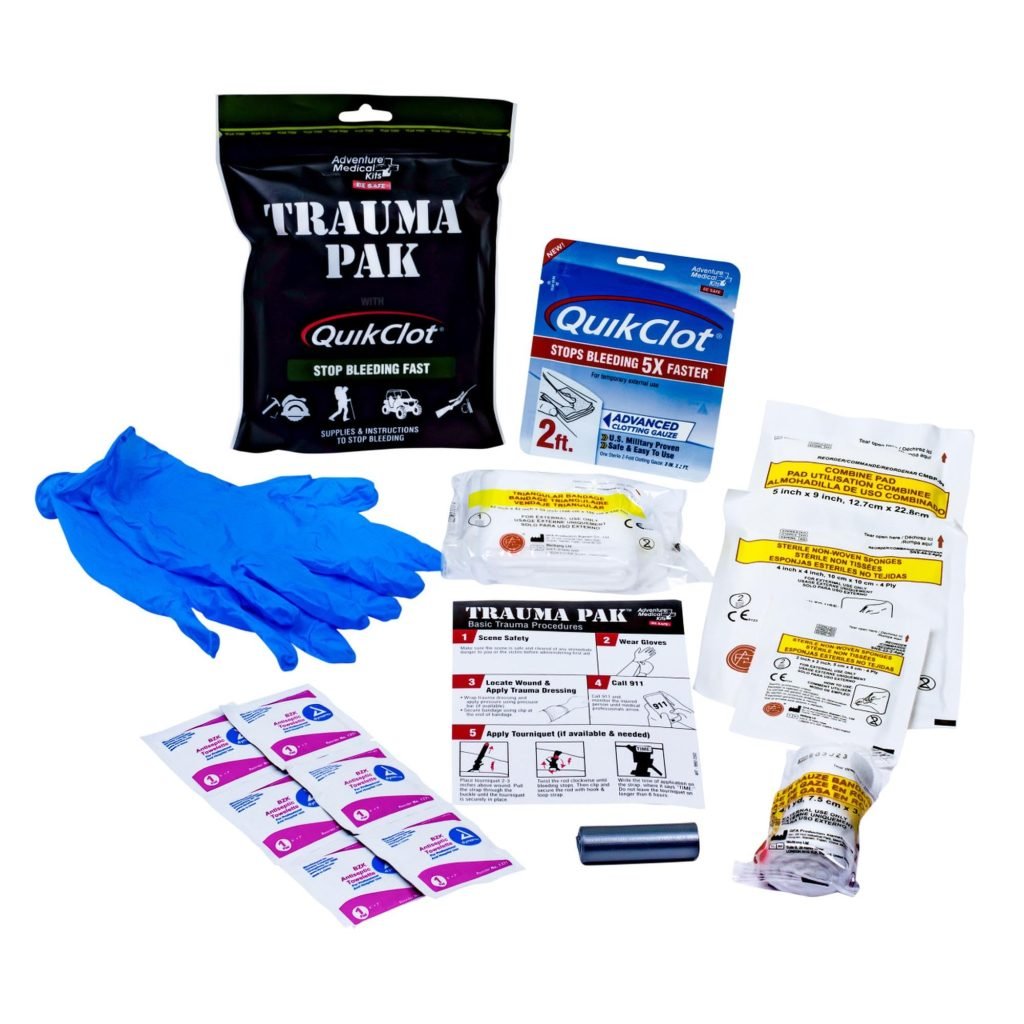
When a severe injury occurs, every second counts: uncontrolled bleeding is the leading cause of preventable trauma death in the U.S. for people under 46, per the CDC’s Stop the Bleed initiative Stop the Bleed | CDC. A standard first aid kit stocked with bandages and antiseptic is sufficient for minor cuts and scrapes, but it cannot stop life-threatening arterial bleeding. That’s where a first aid kit with tourniquet and QuikClot comes in: these two evidence-based tools give bystanders the ability to control severe bleeding in the critical "golden minute" before emergency medical services arrive, drastically improving survival odds. In this guide, we’ll break down what these tools do, how to use them correctly, how to build a kit tailored to your needs, and the legal and training considerations every civilian should know.
Why Bleeding Control Tools Are a 2026 Emergency Prep Non-Negotiable
Most households keep a basic first aid kit for minor injuries, but these kits lack the specialized tools needed to address life-threatening blood loss. Severe bleeding can occur in a wide range of common scenarios: workplace machinery accidents, car crashes, hunting or hiking injuries, home DIY project mishaps, and even active violence incidents. A kit equipped with a tourniquet and QuikClot bridges the gap between basic first aid and professional medical care, giving you the ability to act when it matters most. For more on this, see our guide on safety first cabinet and drawer latches.
If you already keep bulk emergency food storage like 10-gallon sealed containers for extended outages, adding a trauma kit with these tools ensures you’re prepared for both supply shortages and medical emergencies. Unlike basic gauze, which only absorbs blood, these tools actively stop bleeding at the source, reducing the risk of shock, organ damage, and death.
The Tourniquet: Your First Line of Defense for Limb Bleeding
A tourniquet is a device designed to restrict blood flow to a wounded limb to stop life-threatening bleeding. Long misrepresented as a last-resort tool that causes permanent limb damage, modern trauma research confirms that a correctly applied tourniquet is safe and life-saving when used for appropriate injuries.
How Tourniquets Work and Common Myths Dispelled
A commercial tourniquet uses a wide, adjustable strap and a windlass rod to apply even, high pressure around a limb, cutting off arterial blood flow to the wound. In practice, the biggest barrier to tourniquet use is bystander hesitation: many people fear causing permanent harm, but trauma data consistently shows that the risk of death from uncontrolled bleeding far outweighs the low risk of limb damage from a properly applied tourniquet left in place for up to 6 hours.
Approved Tourniquet Types for Civilian Use
Not all tourniquets are created equal. For personal and family use, opt for a model tested and approved by the U.S. military and first responder communities:
- Combat Application Tourniquet (CAT): The most widely used civilian and military model, with a one-handed application design and clear tightening mechanism.
- SOF-T Tourniquet: A rugged, all-weather model preferred by special operations units, with a high-visibility strap for easy adjustment in low light.
- Elastic tourniquets: Lightweight, low-profile models ideal for hiking and everyday carry, though they are less effective for high-pressure arterial bleeding than windlass models.
- Improvised tourniquets: Belts, shirts, or rope are a last-resort option if no commercial tourniquet is available, but they are 50% less effective at stopping arterial bleeding and carry a higher risk of tissue damage, per trauma research.
Correct Tourniquet Application Step-by-Step
Follow these steps to apply a tourniquet effectively, without causing unnecessary harm:
- Expose the wound by cutting or rolling up clothing, and remove any obstructions (like jewelry or tight bands) from the limb.
- Place the tourniquet 2 to 3 inches above the wound, never directly over a joint (elbow, knee, etc.) or the wound itself.
- Tighten the tourniquet until bleeding stops completely, and you can no longer feel a pulse in the limb below the device.
- Note the exact time of application on the tourniquet strap, the patient’s forehead with a marker, or your phone – this information is critical for EMS providers.
- Do not loosen, adjust, or remove the tourniquet until professional medical help arrives, even if the patient reports pain or numbness.
When to Use (and When Not to Use) a Tourniquet
Use a tourniquet only for life-threatening bleeding from a limb that will not stop with 5+ minutes of direct pressure. Do not use a tourniquet for minor cuts, snake bites, or injuries to the head, neck, or torso. Hesitation to use a tourniquet when it is indicated is the leading cause of preventable death from extremity bleeding, per trauma studies.
QuikClot: Rapid Hemostasis for Wounds a Tourniquet Can’t Reach
QuikClot is a hemostatic (bleeding-stopping) agent designed to accelerate the body’s natural clotting process, making it a critical tool for wounds where a tourniquet cannot be applied, such as torso injuries, junctional wounds (groin, armpit, shoulder), or deep lacerations on the neck or head.
How Modern QuikClot Works (Updated for 2026)
Older versions of QuikClot used zeolite minerals, which generated noticeable heat during the clotting process. Modern, FDA-cleared QuikClot uses purified kaolin clay, which activates the body’s natural clotting factor XII to form a clot in as little as 60 seconds, with no significant heat generation or risk of tissue damage. The gauze is designed to be packed directly into a wound, where it concentrates clotting factors and platelets at the injury site to seal bleeding vessels quickly.
QuikClot vs. Standard Gauze: Key Differences
Standard sterile gauze only absorbs blood to slow bleeding, but it does not actively promote clot formation. QuikClot cuts bleeding time by 50% or more in trauma scenarios, per manufacturer testing, and frees your hands to perform other critical tasks like calling 911 or monitoring the patient for signs of shock. It is also more effective for deep, gaping wounds where gauze would slip out of place.
Correct QuikClot Application Step-by-Step
- Apply direct pressure to the wound for 30 seconds to slow initial bleeding.
- Remove the QuikClot gauze from its sterile, waterproof packaging.
- Pack the gauze firmly into the wound, filling all empty space to make contact with the bleeding tissue.
- Hold continuous pressure on the packing for 3 to 5 minutes – do not lift the gauze to check for bleeding, as this can disrupt clot formation.
- Once bleeding stops, cover the wound with a pressure dressing and secure it with medical tape.
Ideal Use Cases for QuikClot
QuikClot is most effective for severe bleeding from deep cuts, puncture wounds, traumatic injuries from sharp tools, hunting accidents, and junctional injuries where a tourniquet cannot be applied. It is a critical backup for tourniquet use, and a standalone solution for torso or head wounds that cannot be addressed with a limb tourniquet. If you regularly pack lightweight hiking meal packs for backcountry trips, add a small QuikClot pack to your gear for remote injury scenarios where help may be hours away.
Building a Complete First Aid Kit That Goes Beyond the Basics
A high-quality first aid kit with tourniquet and QuikClot is more than just two add-on items: it is a coordinated set of tools designed to work together to address severe bleeding. When building your kit, prioritize durability, accessibility, and suitability for your lifestyle.
Core Non-Negotiable Items
Start with these trauma-focused supplies, then add items tailored to your needs:
- 1 commercial windlass tourniquet (stored in a dedicated, easy-grab sleeve)
- 2 units of QuikClot hemostatic gauze (stored in waterproof packaging to prevent moisture damage)
- Nitrile exam gloves (to protect yourself from bloodborne pathogens)
- Trauma shears (to cut clothing and bandages quickly)
- Pressure dressing (to secure QuikClot packing and maintain pressure)
- Chest seal (for open chest wounds from penetrating trauma)
- Emergency blanket (to prevent hypothermia in shock patients)
- Permanent marker (to note tourniquet application time)
- Basic first aid supplies: adhesive bandages, antiseptic wipes, medical tape, and pain relievers
Customizing for Your Lifestyle
Your kit should reflect the emergencies you are most likely to face. If you are an outdoor enthusiast, add blister care, insect sting treatment, and a snake bite kit. If you have young children, add pediatric dosing guides for medication and child-sized bandages. If you work in construction or manufacturing, add burn gel and eye wash solution. For households that use versatile supply storage for seasonal gear, a modular first aid kit with removable pouches lets you add or remove supplies based on your current needs.
Storage and Maintenance Best Practices
Store your kit in a waterproof, impact-resistant container, mounted at eye level in your home, car, and go-bag so it is accessible to anyone in an emergency. Check your kit every 3 months to replace expired items, restock used supplies, and test that your tourniquet functions correctly. Schedule kit checks alongside quarterly supply restocks of household essentials, so you don’t forget this critical task. If you keep a dedicated emergency prep shelf with staple dry goods storage for long-term outages, keep your first aid kit on the same shelf for one-stop access during crises.
Training and Legal Considerations for Civilian Use
Having the right gear is only half the equation: knowing how to use it correctly, and understanding the legal boundaries of bystander aid, ensures you can act confidently and legally in an emergency.
The Importance of Hands-On Training
Watching tutorial videos is not a substitute for hands-on practice. Free Stop the Bleed courses are offered in most U.S. communities through fire departments, hospitals, and community groups, and include hands-on practice applying tourniquets and QuikClot on realistic training dummies. In practice, the most common mistakes bystanders make include placing a tourniquet too close to the wound, over a joint, hesitating to tighten it enough to stop bleeding, and trying to loosen or remove a tourniquet before EMS arrives. Practice builds the muscle memory to avoid these errors when under stress.
Good Samaritan Legal Protections
All 50 U.S. states have Good Samaritan laws that protect bystanders who provide emergency aid in good faith, as long as they act within their training and do not exhibit gross negligence. These laws do not require you to provide aid, but they protect you from liability if you choose to help and unintentionally cause minor harm in the process. Note that specific protections vary by state, so review your local regulations if you want formal guidance on your rights and responsibilities.
Ethical Best Practices
Always ask for consent from an injured person before providing care if they are conscious and able to respond. If the person is unconscious or unable to communicate, implied consent applies, allowing you to act in their best interest. Prioritize life-threatening injuries first, and do not move an injured person unless they are in immediate danger (e.g., a burning vehicle or collapsing structure). Respect the patient’s dignity and privacy throughout the process, covering them with a blanket if possible to avoid exposure.
Frequently Asked Questions
Can I use a tourniquet on a child?
Yes, but place the tourniquet higher on the limb (closer to the torso) than you would for an adult, as children’s limbs are shorter. Use a pediatric-sized tourniquet if available, and note the time of application clearly for EMS providers.
Does QuikClot expire?
Most QuikClot products have a 3 to 5 year shelf life if stored in a cool, dry place away from direct sunlight. Check the packaging for expiration dates during your regular kit checks, and replace expired units immediately.
Can I reuse a tourniquet?
No, single-use tourniquets are designed for one-time use only. Reusing a tourniquet can lead to mechanical failure during application, which can be fatal. Keep at least one spare tourniquet in your kit if you want a backup for multi-casualty incidents.
Will using a tourniquet cause me to lose my limb?
No. When applied correctly, a tourniquet stops blood loss, which is the far greater risk to life and limb. Studies show that tourniquets left in place for up to 6 hours do not cause permanent limb damage in most cases. The risk of death from uncontrolled bleeding is exponentially higher than the risk of limb loss from a properly applied tourniquet.
Do I need special training to use QuikClot?
While formal first aid training is recommended, QuikClot is designed to be intuitive for use in high-stress emergencies. Follow the core steps: apply direct pressure first, pack the wound firmly, hold pressure for several minutes, and do not remove the dressing to check bleeding once applied.
Conclusion
A first aid kit with a tourniquet and QuikClot is one of the most cost-effective, high-impact emergency investments you can make. For less than the cost of a takeout meal, you can equip yourself with the tools to stop life-threatening bleeding in a crisis, for yourself, your family, or a stranger in need. These tools only work if you know how to use them: sign up for a free Stop the Bleed course in your area this month to build hands-on confidence, and store your kit in an accessible location at home, in your car, and in your go-bag for outdoor or work trips. Don’t wait for an emergency to prepare – the skills and gear you learn today could save a life tomorrow.
 Credit: www.amazon.com
This kit includes a CAT tourniquet, QuikClot hemostatic gauze, and basic wound care supplies for emergency bleeding control.
Credit: www.amazon.com
This kit includes a CAT tourniquet, QuikClot hemostatic gauze, and basic wound care supplies for emergency bleeding control.
 Credit: www.amazon.com
This expanded kit includes additional trauma supplies like a chest seal, pressure dressing, and emergency blanket for extended emergency scenarios.
Credit: www.amazon.com
This expanded kit includes additional trauma supplies like a chest seal, pressure dressing, and emergency blanket for extended emergency scenarios.
 Credit: www.amazon.com
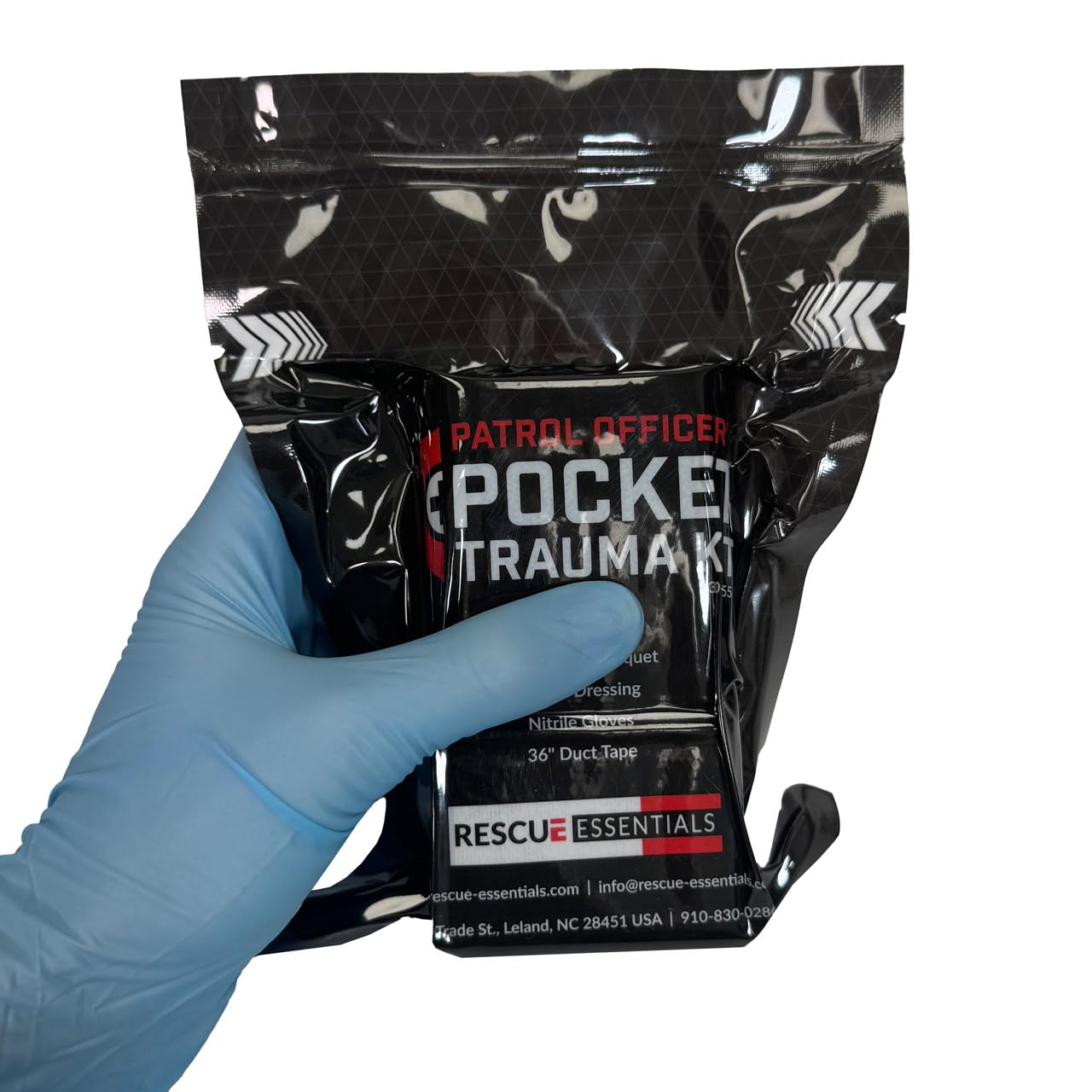
This compact kit is designed to fit in a hiking pack, glove box, or go-bag for on-the-go access to bleeding control tools.
Credit: www.amazon.com
This compact kit is designed to fit in a hiking pack, glove box, or go-bag for on-the-go access to bleeding control tools.
2026 First Aid Innovation Trends to Look For
The trauma care space evolves quickly, with new tools making bleeding control faster and more accessible for civilians. As of 2026, the top trends to watch include:
- Compact, all-in-one trauma kits: Pre-assembled kits that combine a tourniquet, QuikClot, chest seal, and pressure dressing in a single, palm-sized pouch for everyday carry, no assembly required.
- Bio-compatible hemostatic agents: Next-generation hemostatic gauze formulas that use chitosan (derived from shellfish shells) to activate clotting even faster than standard kaolin, with minimal risk of allergic reaction for most users.
- Smart tourniquet sensors: Emerging commercial models with built-in pressure sensors and digital timers that alert you if the tourniquet is too loose to stop bleeding, and automatically track application time to share with EMS providers.
- Modular kit systems: Customizable first aid kits with magnetic or clip-on pouches that let you add or remove trauma supplies based on your activity (hiking, workplace, home) without repacking the entire kit. When shopping for a new pre-built kit, prioritize models that use FDA-cleared components and have been tested by independent trauma research organizations to ensure reliability in real-world emergencies.
Frequently Asked Questions
Can a tourniquet cause permanent limb damage?
When applied correctly for severe, life-threatening limb bleeding, the risk of permanent nerve or tissue damage from a tourniquet is extremely low. Modern trauma research confirms that tourniquets left in place for up to 6 hours do not result in limb loss in the vast majority of cases. The far greater, immediate risk is death from uncontrolled bleeding, which can occur within 5 minutes for severe arterial injuries. Always tighten the tourniquet until bleeding stops completely, note the exact time of application, and do not loosen or remove it until emergency medical services arrive.
Is QuikClot safe for all wound types?
QuikClot is FDA-cleared for external use on severe external bleeding wounds, including deep lacerations, puncture wounds, and traumatic amputations. It is not intended for minor cuts, abrasions, or internal wounds. The modern kaolin-based formula does not generate significant exothermic heat, so it will not cause thermal damage to healthy tissue when used as directed. Do not use QuikClot on wounds with deeply embedded objects still in place – only remove shallow, easily accessible obstructions before packing the wound.
How often should I replace my tourniquet and QuikClot supplies?
Tourniquets have no set expiration date if stored properly, away from direct sunlight and extreme temperatures, but you should inspect them every 6 months for frayed straps, broken windlass rods, or faulty buckles. Replace any damaged tourniquet immediately, even if it appears functional. QuikClot hemostatic gauze has a 3 to 5 year shelf life when stored in its original, unopened waterproof packaging in a cool, dry place. Mark expiration dates on your kit checklist to ensure timely replacement, and pair this task with your quarterly household supply rotation, including dry goods stored in large dry goods storage to build a consistent habit.
Do I need special training to use these tools effectively?
While formal first aid training is recommended, both tourniquets and QuikClot are designed to be intuitive for use in high-stress emergencies. The core steps are simple: for a tourniquet, place it 2-3 inches above the wound, tighten until bleeding stops, and note the time. For QuikClot, pack the gauze firmly into the wound and hold continuous pressure for 3-5 minutes without lifting to check bleeding. Free Stop the Bleed courses offered through local fire departments and hospitals provide hands-on practice with realistic training dummies to build muscle memory for high-pressure scenarios. If you organize small emergency supplies in small portioned storage for your car or go-bag, a compact QuikClot pack fits easily alongside other essentials.
Are tourniquets and QuikClot covered by insurance?
Most standard health insurance plans do not cover over-the-counter tourniquets or QuikClot, as they are classified as out-of-pocket preparedness supplies rather than medical devices. Some employer-sponsored workplace safety programs may cover trauma kit supplies for high-risk job sites, so check with your workplace safety officer for potential coverage. Even without insurance reimbursement, a complete trauma kit with these tools costs less than $50 – a minimal investment for the ability to save a life in a crisis.
Can I use these tools on children or infants?
Yes, but adjust application for smaller body sizes. For children, place the tourniquet higher on the limb (closer to the torso) than you would for an adult, as their limbs are shorter, and use a pediatric-sized tourniquet if available. For QuikClot, use a smaller gauze pack to avoid over-packing the wound, and apply pressure gently but firmly. Always note the time of application clearly for EMS providers, as children have smaller blood volumes and are at higher risk for shock from blood loss.
Conclusion
A first aid kit with tourniquet and QuikClot is not a niche preparedness item for outdoor enthusiasts or first responders – it is a core, life-saving tool that every household, vehicle, and workplace should have accessible. Unlike basic first aid supplies that only address minor cuts and scrapes, these two evidence-based tools give bystanders the ability to control life-threatening bleeding in the critical "golden minutes" before emergency medical services arrive, when survival odds are highest. The upfront cost is minimal, free hands-on training is available in most communities, and the potential to save a life – whether it’s your own, a family member, or a stranger in need – is priceless. Take 10 minutes today to add a tourniquet and QuikClot to your existing first aid kit, and sign up for a free Stop the Bleed course this month to build the hands-on skills you need to use them confidently. If you keep a dedicated emergency prep station with modular supply organizers for supplies, assign one compartment solely to your trauma kit so it never gets mixed up with everyday items and is easy to grab in a crisis. For vehicle storage, keep your kit in a durable storage tote in your trunk or under a seat to protect it from temperature extremes and impact. Don’t wait for an emergency to wish you were prepared – the small investment in these tools and training could be the difference between life and death for someone you love.

I’m Abby Lu, a passionate home cook who loves simplifying everyday meals. At PlugChef.com, I share product reviews and cooking guides to help you find the best tools for your kitchen.
Related posts:
 Julia Childs Mashed Potato Recipe: Creamy, Perfect, and Easy
 Raw Almonds for Almond Milk: Ultimate Guide for Creamy Goodness
 Hot Pepper Jelly Dip Recipe: Irresistibly Spicy & Easy to Make
 French Toast Recipe With Challah: Irresistibly Fluffy & Sweet Delight
 Crème Fraîche Vs Sour Cream: Key Differences You Must Know
 Sweet And Sour Shrimp Pineapple: Irresistible Tropical Delight Recipe

