
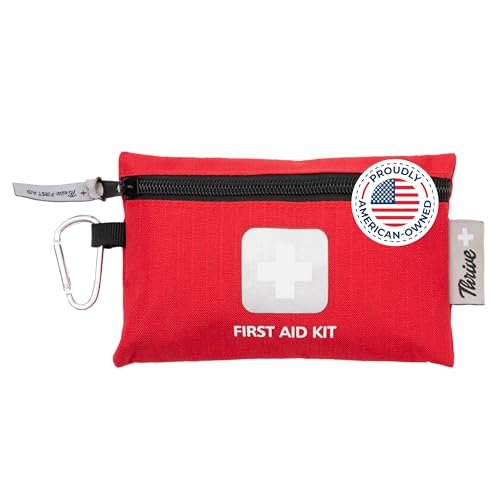
For nonprofit organizations, tight budgets and limited resources often push emergency preparedness to the back burner. Between funding outreach programs, paying staff, and covering operational costs, stocking multiple first aid kits for events, offices, and volunteer activities can feel like an unaffordable luxury. That’s where free first aid kits for nonprofits by mail come in: a no-cost, low-effort resource that eliminates financial barriers to keeping your team and community safe. Whether you run a small local food bank, a youth mentorship program, or a large disaster response nonprofit, these mailed kits deliver critical supplies straight to your door with no purchase required. This guide breaks down eligibility, application steps, top programs, and best practices for getting the most out of your free first aid kit.
Why First Aid Kits Are a Non-Negotiable for Nonprofit Operations
Meeting Safety Requirements for Staff and Volunteers
For nonprofits with paid employees, first aid kits are often a legal requirement, not just a nice-to-have. Per OSHA first aid standard requirements, employers must have first aid supplies readily accessible to all staff in the workplace, with additional requirements for high-risk work like event setup or outdoor outreach. For volunteers, while not always legally mandated, providing first aid kits demonstrates that you prioritize their well-being, which boosts morale and reduces turnover. In practice, nonprofits that skip first aid prep often face higher costs from minor injuries that could have been treated on-site, from bandages for small cuts to ice packs for sprains during community events.
Reducing Risk During Community Events and Outreach
Nonprofits regularly host events that carry elevated injury risk: park cleanups, youth sports days, food drives, and disaster response deployments all come with the potential for cuts, sprains, heat exhaustion, and allergic reactions. A well-stocked first aid kit lets your team respond to these incidents immediately, before professional medical help is needed, reducing the severity of injuries and avoiding costly emergency room visits. For nonprofits that run regular community meal services, pairing first aid kits with portion-controlled meal containers simplifies event logistics and ensures you're prepared for both nutritional and medical needs.
Key Benefits of Free Mailed First Aid Kits for Nonprofits
Eliminate Upfront Budget Strain
The average basic first aid kit costs $15 to $30, and organizations that need multiple kits for different locations or events can easily spend $100 or more per quarter on supplies alone. Free mailed kits eliminate this cost entirely, freeing up limited operating funds for program services, outreach, and staff support. For small nonprofits with annual budgets under $100,000, this small savings can add up to thousands of dollars per year that can be redirected to your core mission.
Improve Volunteer Retention and Morale
Volunteers are the backbone of most nonprofit operations, and feeling safe on the job is a top factor in whether they return for future assignments. Knowing that first aid supplies are readily available reduces anxiety for volunteers working in high-risk or unfamiliar environments, from outdoor conservation projects to large public events. Volunteers regularly cite access to safety resources as a key factor in their decision to continue working with an organization, and readily available first aid kits reduce stress for team members in unpredictable settings.
Build Trust With the Communities You Serve
When attendees at your events see that you have first aid supplies on hand, they feel confident that you prioritize their safety and well-being. This is especially important for nonprofits working with vulnerable populations, including children, seniors, and people experiencing homelessness. For organizations that host regular community outreach events, having a first aid kit on hand signals that you are prepared for unexpected situations, which builds long-term trust and encourages higher attendance and participation in your programs.
Who Qualifies for Free First Aid Kits by Mail?
Standard Eligibility Requirements
Eligibility varies slightly by program, but most free first aid kit distributions require nonprofits to meet the following criteria:
- Verified 501(c)(3) tax-exempt status from the IRS (or equivalent official nonprofit registration for international organizations operating in the U.S.)
- A demonstrated mission focused on community support, health, safety, or disaster response
- No recent history of misusing donated aid or supplies
- A valid, physical or PO box mailing address for kit delivery Many programs also give priority to nonprofits serving low-income or underserved communities, organizations that have recently experienced an emergency (natural disaster, public health crisis) that depleted their existing first aid supplies, or groups that host frequent public events with elevated injury risk.
Exceptions for Unregistered Community Groups
If your group is not a registered 501(c)(3) organization (for example, a volunteer neighborhood watch, school PTA, or informal community support group), you may still qualify for free kits through local programs. Many county health departments, community foundations, and emergency management offices offer targeted first aid kit distributions for unregistered community groups, with no formal nonprofit status required. Check your local government or community health center website for these smaller, local programs.
What’s Typically Included in Free Nonprofit First Aid Kits?
Core Basic Supplies
Per Red Cross standard first aid kit guidelines, most free mailed kits for nonprofits include core supplies for treating minor, immediate injuries:
- Assorted adhesive bandages in multiple sizes
- Sterile gauze pads and rolls
- Adhesive medical tape
- Antiseptic wipes and antibiotic ointment packets
- Disposable medical gloves (non-latex)
- Scissors, tweezers, and safety pins
- CPR face shield
- Basic first aid instruction booklet
- Instant cold packs for sprains and bruises
Optional Add-Ons for Specialized Use Cases
Some programs offer expanded kits for nonprofits working in high-risk or specialized fields. Animal rescue nonprofits may receive kits with added supplies for treating minor animal bites and scratches, while organizations that run outdoor wilderness programs may get kits with burn cream, splints, and emergency blankets. If your nonprofit works with a specific population (e.g., children, seniors, people with chronic health conditions), mention this in your application statement of need to be considered for specialized kits.
Step-by-Step Application Process for Free Mailed Kits
Pre-Application Preparation
Gathering the right documents before you start your application will reduce processing time and avoid delays:
- A clear, legible scan of your 501(c)(3) determination letter from the IRS (or equivalent nonprofit registration document)
- Your organization’s full legal name, EIN/tax ID number, and official mailing address
- A 100-200 word statement of need explaining how the kit will be used (e.g., for weekly community cleanup events, after-school youth program activities, daily office use)
- A list of the populations you serve (optional, but strengthens applications for priority programs)
Submitting Your Application
Most free first aid kit programs use a simple online application form that takes 10-15 minutes to complete. Double-check all contact information for accuracy — a single typo in your mailing address can lead to a lost or undelivered kit with no way to re-ship for free. After submission, you’ll receive a confirmation email with a tracking number for your kit once it ships, usually within 2-6 weeks depending on the program’s inventory and shipping volume.
Common Application Mistakes to Avoid
In practice, the most common disqualifying error is failing to provide valid proof of nonprofit status. Blurry scans, expired registration documents, or applications submitted by individual volunteers rather than authorized organizational leaders are the top reasons applications are rejected. Another frequent mistake is using a personal mailing address instead of your organization’s official operational address, which fails verification for most programs.
What to Do If Your Application Is Denied
If your application is rejected, most programs will send a note explaining the reason. If it’s due to missing documentation, you can reapply with corrected materials as soon as you resolve the issue. If you don’t meet standard eligibility criteria, look for local community foundations, community health centers, or local government emergency management offices that offer smaller first aid kit grants for unregistered community groups.
Top Organizations Offering Free First Aid Kits to Nonprofits
National Nonprofit and Humanitarian Groups
National humanitarian organizations run some of the largest free first aid kit distribution programs for nonprofits. The American Red Cross, for example, offers free kits to eligible nonprofits focused on disaster response, community health, and youth services, with priority given to organizations in high-risk areas. Direct Relief, a global humanitarian organization, also distributes free first aid kits to nonprofits providing healthcare and emergency services to underserved populations.
Corporate Sponsorship Programs
Many medical supply manufacturers, pharmacy chains, and safety equipment companies sponsor free first aid kit programs as part of their community giving initiatives. These programs often run seasonally, aligned with National Safety Month in June or National Preparedness Month in September, and may offer expanded kits with additional supplies. Check the community giving pages of major medical supply brands to find current application windows for these programs.
Maximizing the Value of Your Free First Aid Kit
Train Your Team on Proper Use
A fully stocked first aid kit is only useful if your team knows how to use its supplies correctly. Host a 30-minute training session for all staff and volunteers to walk through the kit’s contents, demonstrate how to clean and bandage minor wounds, and explain when to seek professional medical help. For nonprofits working with children or seniors, include training on age-appropriate first aid techniques and how to recognize signs of severe allergic reactions or other urgent health issues.
Establish a Regular Maintenance Schedule
First aid kits lose their effectiveness if supplies expire or go missing without replacement. Inspect your kit monthly to check expiration dates on medications and antiseptics, replace used or damaged items immediately, and restock any missing supplies. Store your kit in a dry, easily accessible location, and label it clearly so all team members can find it quickly in an emergency. For organizations with multiple kits across different locations, assign a single staff member or volunteer to be responsible for monthly maintenance checks. Store your first aid kit alongside other event essentials in a sealed, large-capacity supply storage container to keep supplies dry and accessible between events.
Supplement Kits for Specialized Nonprofit Work
It’s important to note that most free first aid kits are designed for basic, minor injury care and do not include prescription medications, epinephrine auto-injectors, glucose gel, or other specialized supplies. If your nonprofit works with populations that have specific health needs, you will need to supplement your free kit with these items. For organizations that host large events, keep extra supplies on hand to restock the kit after use. For nonprofits focused on animal rescue or pet outreach events, pairing first aid kits with dedicated pet food storage solutions keeps both human and animal supplies organized and accessible. For volunteer training events that include meal prep, stackable durable food storage sets make it easy to store pre-portioned meals safely for your team. For fundraising events that include food sales or distribution, compact food storage containers are ideal for storing individual meal portions and extra first aid supplies in high-traffic areas.
Real-World Success Stories from Nonprofits
Small Community Organizations
A small youth mentorship nonprofit in Detroit reported that the free first aid kit they received allowed them to expand their after-school outdoor programming, as they no longer had to worry about covering the cost of basic medical supplies for hiking and park outings. Volunteers noted a noticeable increase in confidence when leading activities, and the organization saw higher youth enrollment in their outdoor programs in the months after receiving the kit. A neighborhood community garden nonprofit in Chicago used its free kit to treat minor cuts and insect bites for volunteers, reducing the number of small injuries that interrupted work days and improving overall volunteer satisfaction.
Large-Scale Outreach Programs
A large regional food bank nonprofit in Texas used its free first aid kit to set up a first aid station at its weekly mobile food pantry events, reducing the number of minor injuries that required trips to urgent care for staff and attendees over the course of a year. An animal rescue nonprofit in Florida paired its free first aid kit with pet food storage solutions to keep both human first aid supplies and animal care items organized at adoption events, reducing the time spent searching for supplies during incidents.
Frequently Asked Questions
How Can Nonprofits Get Free First Aid Kits By Mail?
Most free first aid kit programs require nonprofits to submit a short online application with proof of their 501(c)(3) tax-exempt status and a valid mailing address. Approved organizations receive kits shipped directly to their door at no cost, with no purchase required. Many programs also allow nonprofits to request multiple kits if they serve large populations or host frequent events.
What Items Are Included In Free First Aid Kits?
Standard free nonprofit first aid kits include core supplies for treating minor injuries: assorted adhesive bandages, gauze pads and rolls, adhesive tape, antiseptic wipes and ointment, medical gloves, scissors, tweezers, a CPR face shield, and a basic first aid instruction manual. Some programs also include burn cream, cold packs, and elastic bandages for sprains.
Are There Eligibility Requirements For Nonprofits To Receive Kits?
Nearly all free kit programs require organizations to have verified 501(c)(3) tax-exempt status in the U.S. (or equivalent nonprofit registration in other countries). Some programs also prioritize nonprofits serving low-income communities, organizations focused on health or safety outreach, or groups that have recently experienced an emergency that depleted their existing supplies.
How Long Does Delivery Take For Mailed First Aid Kits?
Delivery times vary by program, but most kits arrive within 2 to 6 weeks of application approval. Seasonal programs (e.g., those tied to National Preparedness Month in September) may have longer shipping times due to high demand, so applying early is recommended.
Can Unregistered Community Groups Apply For Free Kits?
Some local health departments, community foundations, and emergency management offices offer free first aid kits to unregistered community groups (e.g., volunteer neighborhood watch programs, school parent-teacher associations) that do not have formal 501(c)(3) status. Check your local government or community health center websites for these targeted programs.
Do Free First Aid Kits Expire?
Most basic supplies in free first aid kits (bandages, gauze, antiseptic wipes) have a shelf life of 3 to 5 years, while medications like pain relievers and burn cream typically expire after 1 to 2 years. Check expiration dates regularly and replace expired items as needed, even if the kit is unused.
How Often Can A Nonprofit Apply For Free Kits?
Most programs allow nonprofits to apply for a free kit once per 12-month period, though some will grant additional kits for organizations that host large, recurring events or serve very large populations. Check the specific program’s guidelines for reapplication rules.
Conclusion
Free first aid kits for nonprofits by mail are a simple, no-cost resource that eliminates budget barriers to keeping your team, volunteers, and community members safe. From meeting basic workplace safety requirements to building trust with the populations you serve, these kits deliver tangible value for organizations of all sizes. The application process takes less than 15 minutes for most programs, and the payoff of having critical medical supplies on hand for emergencies is impossible to overstate. Don’t wait until an incident occurs to prioritize safety: verify your eligibility, submit your application today, and take one small step to strengthen your nonprofit’s resilience and impact.
 Free first aid kits eliminate upfront cost barriers for small nonprofits with limited operating budgets.
Credit: stopheartattack.com
Free first aid kits eliminate upfront cost barriers for small nonprofits with limited operating budgets.
Credit: stopheartattack.com
 The American Red Cross regularly distributes free first aid kits to eligible nonprofits and community groups.
Credit: www.redcross.org
The American Red Cross regularly distributes free first aid kits to eligible nonprofits and community groups.
Credit: www.redcross.org
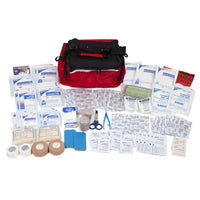 Standard free nonprofit first aid kits include core supplies for treating minor cuts, sprains, and burns.
Credit: www.safetykitsplus.com For nonprofits that run regular community meal services, pairing first aid kits with portion-controlled storage sets simplifies event logistics and ensures you're prepared for both nutritional and medical needs.
Standard free nonprofit first aid kits include core supplies for treating minor cuts, sprains, and burns.
Credit: www.safetykitsplus.com For nonprofits that run regular community meal services, pairing first aid kits with portion-controlled storage sets simplifies event logistics and ensures you're prepared for both nutritional and medical needs.
These programs often run seasonally, aligned with National Safety Month each June or National Preparedness Month each September, with 2026 application windows typically opening in early May for fall distribution.
Store your first aid kit alongside other event essentials in a sealed, heavy-duty storage bin to keep supplies dry and accessible between events.
For volunteer training events that include meal prep, compartmentalized storage sets make it easy to store pre-portioned meals safely for your team.
For nonprofits focused on animal rescue or pet outreach events, pairing first aid kits with pet food storage solutions keeps both human and animal supplies organized and accessible.
For fundraising events that include food sales or distribution, small portion containers are ideal for storing individual meal portions and extra first aid supplies in high-traffic areas.
Store the kit in a dry, clearly marked storage tote for quick access during emergencies.
Don’t wait until an incident occurs to prioritize safety: verify your eligibility, submit your application today, and take one small step to strengthen your nonprofit’s resilience and impact. For more free guides and resources for community organizations, explore our community resource hub.

I’m Abby Lu, a passionate home cook who loves simplifying everyday meals. At PlugChef.com, I share product reviews and cooking guides to help you find the best tools for your kitchen.
Related posts:
 Chicken With Spinach And Cheese: Easy, Delicious, and Healthy Recipe
 Rice a Roni from Scratch: Easy, Delicious Homemade Recipe
 9 Deep Dish Pie Crust: Perfectly Flaky Recipes to Try Today
 Chicken Parm Stuffed Bell Peppers: Irresistible Flavor Explosion
 Sheet Pan Gnocchi Butternut Squash: Easy, Delicious Fall Dinner
 Recipes With Broccoli And Sausage: Easy, Tasty Meals to Try Today

