
Being prepared for minor emergencies isn’t just a nice-to-have — it’s a critical safety measure for small business owners, event planners, families, outdoor enthusiasts, and community organizers in 2026. Bulk mini first aid kits eliminate the risk of running out of supplies mid-crisis, cut per-unit costs, and ensure consistent, compliant safety resources across multiple locations. This guide breaks down exactly what to stock, how to customize kits for your specific needs, and how to maintain them for long-term reliability, no matter your use case.
Why Bulk Mini First Aid Kits Are a Non-Negotiable for 2026
As workplace safety regulations tighten and outdoor recreation and in-person events rebound, having accessible first aid resources on hand is more important than ever. Buying mini first aid kits in bulk solves common pain points of scattered, understocked individual kits while delivering tangible benefits for both personal and professional use.
Compliance with Updated Safety Regulations
For U.S. workplaces, the Occupational Safety and Health Administration requires first aid kits to be accessible to all employees within 3 minutes of any work area, with supplies matched to the specific hazards of your industry. Bulk kits make it easy to equip multiple floors, sites, or event venues without missing required items, eliminating the hassle of sourcing individual kits for every location and ensuring you stay compliant with 2026 safety standards.
Significant Cost Savings Over Time
Bulk orders of mini first aid kits typically come with tiered discounts, reducing per-unit costs by 30-50% compared to buying individual kits. You’ll also cut down on repeated shipping fees and avoid last-minute emergency runs to the store for out-of-stock supplies. For organizations that restock regularly, these savings add up quickly, with many bulk buyers recouping their upfront investment in less than a year.
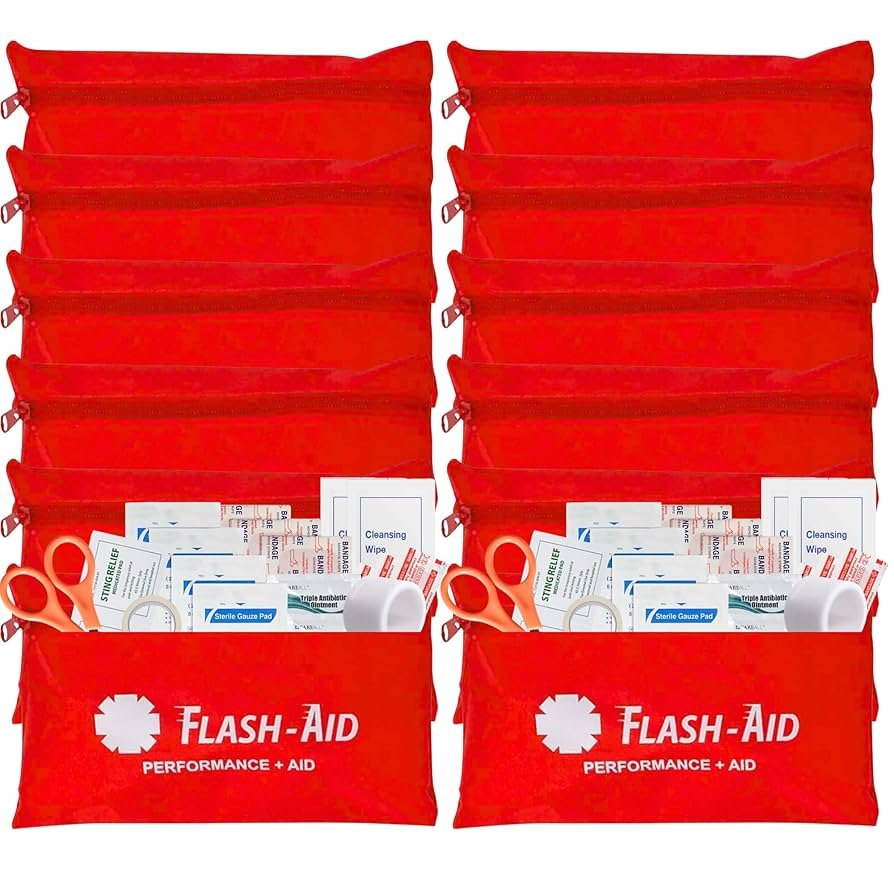
 Bulk mini first aid kit packs reduce per-unit costs and ensure consistent supply across all locations.
Credit: superunion.en.made-in-china.com
Bulk mini first aid kit packs reduce per-unit costs and ensure consistent supply across all locations.
Credit: superunion.en.made-in-china.com
Non-Negotiable Supplies for Every Bulk Mini First Aid Kit
The U.S. Centers for Disease Control and Prevention (CDC) recommends all mini first aid kits include core supplies to address 90% of common minor emergencies, with optional add-ons tailored to your specific use case. Avoid generic bulk packs that skimp on critical items — always request an itemized list from suppliers before purchasing to confirm the kit meets your needs.
Basic Wound Care Supplies
Wound care is the foundation of any first aid kit, designed to stop bleeding, protect injuries from contamination, and promote faster healing. Stock:
- Assorted adhesive bandages, including hydrocolloid bandages for blisters and butterfly closures for lacerations
- Sterile gauze pads and rolls for larger wounds
- Hypoallergenic medical tape for securing dressings
- Elastic bandages for sprains and strains
Infection Prevention Tools
Even minor cuts can lead to serious infections if not cleaned properly, especially for people with diabetes or compromised immune systems. Include:
- Alcohol wipes for skin disinfection
- Benzalkonium chloride wipes (alcohol-free for sensitive skin or open wounds)
- Single-use antibiotic ointment packets to avoid cross-contamination
- Hand sanitizer with at least 60% alcohol
- Disposable nitrile gloves (latex-free to accommodate allergies)
Pain Relief and Allergy Management
Minor aches, allergic reactions, and insect bites are among the most common minor emergencies. Add:
- Acetaminophen and ibuprofen for pain and inflammation
- Antihistamines for allergic reactions and insect bites
- Hydrocortisone cream for rashes and bug bites
- Personal medications as needed, including EpiPens, inhalers, or glucose tablets
Emergency Response Tools
Tools expand your ability to respond effectively to unexpected situations:
- Blunt-tip scissors for cutting tape or clothing around wounds
- Splinter tweezers (magnifying versions are ideal for hard-to-see debris)
- CPR face shield with a one-way valve for rescue breathing
- Emergency mylar blanket for hypothermia prevention
- Digital thermometer for fever checks
Optional Add-Ons for Specialized Use
Customize your bulk kits with add-ons for your specific environment:
- Burn gel and sterile burn dressings for kitchens or industrial sites
- Instant cold packs for sprains and sports injuries
- Snake bite kits for regions with venomous species
- Eye wash solution for worksites with chemical or debris risks
 A well-stocked mini first aid kit includes wound care, infection prevention, and pain relief supplies for common minor emergencies.
Credit: www.shforestrysupplies.com
A well-stocked mini first aid kit includes wound care, infection prevention, and pain relief supplies for common minor emergencies.
Credit: www.shforestrysupplies.com
Key Benefits of Buying Mini First Aid Kits in Bulk
Beyond cost savings, bulk purchasing delivers consistency, convenience, and peace of mind for organizations and households alike.
Unmatched Cost Efficiency
Bulk orders eliminate the markup of individual kit packaging, with most suppliers offering steep discounts for orders of 10 or more units. You’ll also reduce long-term costs by restocking individual kits from your bulk supply instead of replacing entire kits when a single item runs out, cutting down on unnecessary waste.
Consistent Supply Across Multiple Locations
Bulk kits are ideal for equipping multiple sites without the hassle of sourcing and tracking individual purchases. For businesses, pair accessible first aid kits with reliable break room food storage to reduce cross-contamination risks and keep staff safe from both injuries and foodborne illness. For multi-day outdoor events, store bulk first aid kits alongside durable dry food storage to keep event snacks fresh and medical supplies protected from moisture and dirt.
Reduced Emergency Response Time
Having multiple kits on hand eliminates the delay of searching for a single kit or making a last-minute store run when supplies run out. For families, this means faster care for playground cuts or kitchen burns; for businesses, it means reduced downtime from minor injuries and a safer, more confident team.
Customizing Bulk First Aid Kits for Your Specific Use Case
Generic bulk first aid kits work for basic needs, but customizing your order ensures you’re prepared for the unique risks of your environment, team, or family.
Workplace-Specific Customization
Match your kit contents to your industry’s hazard level to stay compliant with OSHA rules and reduce injury risk. Construction and manufacturing sites need extra burn supplies, splinting material, and eye wash solution, while office spaces benefit from extra headache relief, allergy medication, and supplies for common kitchen lacerations. Complement first aid kits with properly maintained high-quality kitchen tools in shared office kitchens to cut down on lacerations, one of the most common minor workplace injuries.
Event and Outdoor Customization
Outdoor festivals and camping trips require extra insect bite relief, sunscreen, and snake bite kits for regions with venomous species. Kids’ events need child-sized bandages and children’s pain relief, while sports events require more elastic bandages, cold packs, and blister care. For outdoor festivals or camping trips, keep bulk first aid kits near shaded rest areas alongside large-capacity storage containers for sunscreen, insect repellent, and other bulk topical supplies.
Home and Family Customization
Tailor kits to your household’s unique needs: add child-proofing supplies for homes with young kids, pet first aid add-ons for animal owners, or glucose tablets and extra medications for senior family members. At home, store mini first aid kits in the same organized storage system you use for kitchen organization essentials so every family member knows exactly where to find them in a crisis. For households with young children, pair first aid kits with child-safe storage, like labeled small food containers for over-the-counter medications and small medical supplies, to prevent accidental ingestion.
Strategic Storage and Placement for Maximum Accessibility
Even the best-stocked first aid kit is useless if you can’t find it quickly during an emergency. Strategic placement and thoughtful design cut down on response time when every second counts.
Compact, Portable Design Considerations
Look for bulk kits with labeled, color-coded compartments for fast access during high-stress situations. Waterproof EVA or hard-shell cases are ideal for vehicles and outdoor use, while attachment points like carabiners let you secure kits to backpacks, belts, or event equipment for on-the-go access.
High-Priority Placement Spots
Place kits in high-traffic, easy-to-reach areas to eliminate search time:
- Kitchen (for burns and cooking-related cuts)
- Bathroom (for personal care injuries like shaving cuts)
- Vehicle glove compartment (for roadside emergencies)
- Workplace break room
- Event registration desk
- Outdoor gear bag
Accessibility for All Users
Mount or place kits at a height accessible to children, seniors, and people with mobility impairments. Avoid locked cabinets unless required by local regulation, and label kits with clear first aid symbols so even untrained users can identify them quickly during a crisis.
Maintaining Bulk First Aid Kits for Long-Term Reliability
A poorly maintained first aid kit is as good as no kit at all. Regular checks and proper storage ensure your supplies are effective when you need them most.
Quarterly Check Routine
Set a recurring calendar reminder every 3 months to inspect each kit in your bulk supply. Check for expired medications, used or damaged supplies (torn bandages, empty ointment packets), and restock as needed. In practice, a common oversight is missing expired pain relievers or antiseptic wipes that lose effectiveness after 2-3 years, so always check expiration dates carefully.
Restocking Best Practices
Keep a master inventory list of all bulk supplies on hand, track usage per kit to avoid over or under-restocking, and rotate stock so older supplies are used first before newer ones to minimize waste. This also prevents you from accidentally using expired supplies in an emergency.
Optimal Storage Conditions
Store bulk first aid kits in a cool, dry place away from direct sunlight, heating vents, or freezing temperatures. Avoid leaving kits in hot car trunks for extended periods, as extreme heat can degrade medications and adhesive supplies, reducing their effectiveness when needed.
Frequently Asked Questions
What is included in a standard mini first aid kit bulk pack?
A standard bulk mini first aid kit includes core supplies for minor emergencies: assorted adhesive bandages, sterile gauze pads, medical tape, antiseptic wipes, antibiotic ointment packets, disposable gloves, blunt-tip scissors, tweezers, and basic pain relief medication. Bulk packs can be customized with additional supplies to match your specific use case, from burn gel for kitchens to EpiPens for workplaces with allergic staff.
How many mini first aid kits should I buy in bulk for my small business?
OSHA requires one first aid kit per 25 employees for low-hazard worksites, and one per 10 employees for high-hazard sites like construction or manufacturing. For businesses with multiple floors or locations, buy enough bulk kits to place one within 3 minutes of every work area, plus extra for restocking.
Are mini first aid kits compliant with OSHA regulations?
Yes, as long as the kit includes all required supplies for your industry’s hazard level and is easily accessible to all employees. Bulk mini first aid kits from certified suppliers are typically pre-assembled to meet OSHA standards, but always confirm the item list matches your site’s specific requirements before purchasing.
Can I customize a bulk order of mini first aid kits?
Most suppliers offer customization options for bulk orders, allowing you to add or remove supplies to match your needs. Common customizations include adding personal medication storage, pet first aid supplies, or industry-specific items like snake bite kits for outdoor worksites.
What is the shelf life of supplies in a mini first aid kit?
Most wound care supplies (bandages, gauze, tape) have a shelf life of 3-5 years if stored properly, while medications and ointments typically expire 1-3 years after manufacturing. Always check expiration dates during quarterly inspections and replace expired items immediately.
Final Thoughts: Invest in Bulk First Aid Kits for Unshakeable Preparedness
Bulk mini first aid kits are a low-lift, high-impact investment for anyone looking to reduce risk and improve emergency response at home, work, or on the go. They eliminate the frustration of scattered, understocked individual kits, cut long-term costs, and can be customized to meet the unique needs of your team, family, or event attendees. By following regular maintenance and strategic placement best practices, your bulk first aid kits will be a reliable, life-saving resource for years to come.
Ready to build your bulk first aid kit supply? Request an itemized list from certified suppliers to confirm the kit contents match your compliance requirements and use case needs, and set a quarterly inspection reminder to keep your supplies fresh and ready for any emergency.

I’m Abby Lu, a passionate home cook who loves simplifying everyday meals. At PlugChef.com, I share product reviews and cooking guides to help you find the best tools for your kitchen.
Related posts:
 How to Use Public Grill: Expert Tips for Perfect Outdoor Cooking
 Cooking Eggs in Cast Iron: Master Perfect, Non-Stick Breakfasts
 Best Bang Bang Chicken Recipe: Ultimate Flavor in 30 Minutes
 Last Minute Potluck Ideas Buy: Quick, Easy & Delicious Picks
 Weight of Head of Cabbage: Ultimate Guide to Perfect Portions
 Recipe for Cooked Chocolate Icing: Irresistible & Easy Delight

