
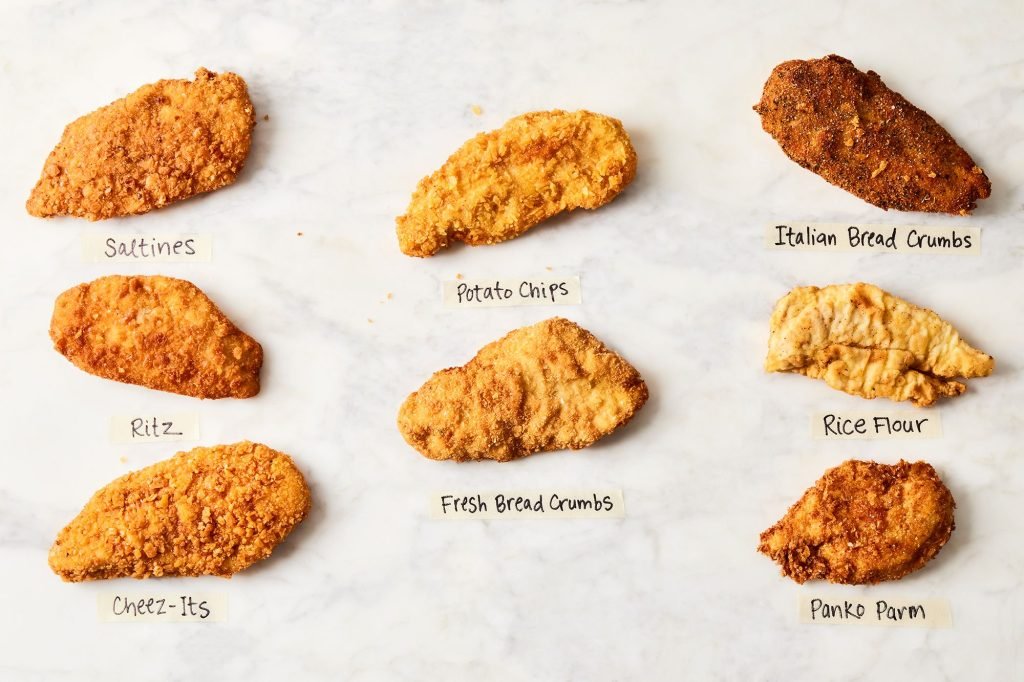
There’s nothing more disappointing than biting into a breaded chicken cutlet only to be met with a soggy, falling-apart crust and dry, flavorless meat. The difference between a lackluster weeknight meal and a crispy, golden, juicy masterpiece almost always comes down to two things: what you bread chicken with, and how you prepare and cook it. Whether you’re a beginner cook feeding a family or an experienced home chef prepping for a party, the right combination of coating, prep, and technique will give you that perfect shatteringly crisp exterior and tender, juicy interior every single time. This guide breaks down exactly what to bread chicken with for every dietary need and flavor preference, non-negotiable prep steps to avoid common failures, and pro tips to get consistent results.
For more step-by-step tested recipes and kitchen hacks to simplify your cooking routine, explore our full tested kitchen guides to elevate every meal you make.
Core Breading Ingredients: What to Bread Chicken With for Every Texture & Dietary Need
The coating you choose sets the foundation for your breaded chicken’s texture, flavor, and nutritional profile. Below are the most common options, plus their best use cases:
Flour Varieties: The Base of Every Great Crust
Flour is the most traditional base for breading, and different types produce vastly different results:
- All-purpose flour (10-12% protein) is the most versatile option, creating a thin, even crust that crisps up without overpowering the chicken’s natural flavor. It works for every cooking method and is a reliable pick for beginners.
- Rice flour (low protein, high starch) is the best choice for extra-crispy, gluten-free breading. It fries up to a shatteringly light, crunchy crust that stays crisp longer than wheat-based flours, and is ideal for Asian-inspired dishes or gluten-free diets.
- Whole wheat flour (13-14% protein) adds a nutty, hearty flavor and denser, more robust crust. It’s a great pick for anyone looking for a higher-fiber, more filling breading, and pairs well with bold spices and herbs.
Breadcrumb Options: From Classic to Extra-Crispy
Breadcrumbs add the most satisfying crunch and golden color to breaded chicken:
- Panko breadcrumbs, the Japanese-style crustless white bread crumbs, are the gold standard for ultra-crispy breaded chicken. Their larger, flakier texture absorbs 30% less oil than fine traditional breadcrumbs, resulting in a light, airy crust that stays crispy even when sauced or held for hours. They work for every cooking method, but are especially popular for fried and air-fried chicken.
- Fine dry breadcrumbs create a denser, more substantial crust that holds up well to heavy sauces and hearty fillings. They can be mixed with grated Parmesan, dried herbs, or spices for extra flavor, and are a great pick for baked breaded chicken.
Alternative Coatings for Gluten-Free & Adventurous Cooks
If you’re avoiding gluten or want to experiment with unique textures, these coatings work perfectly:
- Crushed gluten-free cornflakes, ground oats, or chickpea flour make excellent gluten-free bases, adding a subtle earthy flavor and extra crunch.
- Finely ground nuts (almonds, pecans, walnuts) add a rich, nutty flavor and dense crunch, and are ideal for low-carb or gluten-free diets. They pair especially well with sweet and savory dipping sauces.
Pre-Breading Prep: The Non-Negotiable Steps for Crispiness That Lasts
No matter what coating you choose, improper prep is the top reason breading falls off or gets soggy during cooking. Follow these three steps to set your breaded chicken up for success:
Pat Dry Thoroughly to Stop Soggy Breading
Excess moisture on the chicken’s surface creates a barrier between the meat and the coating, causing breading to slip off during cooking. Pat chicken completely dry with paper towels immediately before breading, then let it sit on a wire rack for 5-10 minutes to air dry further. In practice, skipping the thorough drying step is the single most common cause of breading failure for home cooks.
Start by placing your chicken on a stable, clean cutting surface—if you’re looking to upgrade your prep tools, a custom engraved prep surface makes measuring and prepping even easier.
Marinate for Juicy, Flavorful Meat
A quick 30-minute to 4-hour marinade adds layers of flavor and keeps chicken juicy during high-heat cooking. Buttermilk is the most popular marinade base for a reason: its mild acidity tenderizes lean chicken meat while adding a subtle tang, and it helps breading adhere better to the chicken’s surface. For a simple, effective marinade, mix 1 cup of buttermilk with 1 tbsp salt, 1 tsp garlic powder, and a pinch of black pepper, then submerge your chicken and refrigerate until ready to bread.
Brine for Extra Moisture Retention in Lean Cuts
For extra-moist breaded chicken, especially lean cuts like chicken breasts that dry out easily, a quick brine makes a huge difference. Mix 1 quart of cold water with 1/4 cup kosher salt (plus optional 2 tbsp sugar, fresh herbs, or spices) and submerge chicken for 1-2 hours for breasts, 2-4 hours for thighs. Never brine for longer than 8 hours, as the meat will become overly salty. Brining seasons the chicken evenly from the inside out, so every bite is flavorful, and it helps the meat retain moisture during high-heat cooking.
The 3-Step Breading Technique for Unshakable Crust
The standard three-step breading process (flour, binder, crumbs) creates a strong, even crust that stays attached during cooking. Follow these steps for consistent results every time:
Layer 1: Seasoned Flour Base Coat
First, toss your dried (or marinated/brined) chicken in a shallow dish of seasoned flour, shaking off any excess. The flour creates a dry base for the binder to stick to, and adds a thin, crispy layer to the final crust. For extra flavor, mix 1 tsp each of salt, black pepper, garlic powder, and paprika into 1 cup of flour before coating.
Layer 2: Egg Wash (or Egg-Free) Binder
Next, dip the floured chicken fully into a bowl of beaten egg wash (1 egg mixed with 1 tbsp of water or milk per egg, for a thinner consistency). The egg wash acts as an edible adhesive, binding the final crumb coat to the chicken. For an egg-free option, use a mixture of 2 tbsp water + 1 tsp cornstarch, or full-fat plain yogurt, as a substitute that works just as well.
Layer 3: Final Crumb Coat + Pro Double-Dip Tip
Finally, press the chicken into a shallow dish of your chosen breadcrumbs or alternative coating, pressing gently to ensure full, even coverage. For extra crunch, double-dip: after the first crumb coat, dip the chicken back into the egg wash, then into the crumbs again for a second layer. In practice, double-dipping adds a significantly thicker, crunchier crust that holds up to dipping sauces and transport, making it ideal for parties or meal prep.
Cooking Methods for Perfect Crispy Breaded Chicken
Even the best breading won’t get crispy if cooked incorrectly. Choose the method that fits your dietary needs and time constraints, and follow these exact guidelines for perfect results:
Pan-Frying for Classic, Restaurant-Style Crunch
Pan-frying delivers the most flavorful, golden crust, but requires careful temperature control. Use a neutral oil with a high smoke point (avocado, peanut, or sunflower oil work best) and heat it to 350-375°F, confirmed with a deep-fry or candy thermometer. Too-hot oil will burn the crust before the chicken cooks through; too-cool oil will cause the breading to absorb excess oil and turn soggy.
Fry chicken in small batches (don’t overcrowd the pan, as this drops oil temperature drastically) for 6-8 minutes per side for bone-in, skinless breasts, or 3-4 minutes per side for tenders. Always confirm the chicken reaches an internal temperature of 165°F, per FDA safe food handling guidelines for poultry, before removing it from the oil. Drain fried chicken on a wire rack set over a baking sheet (not paper towels, which can trap steam and make the bottom soggy) for 2 minutes before serving.
Oven-Baking for Lower-Fat, Even Crisp
For a lower-fat, mess-free option, oven-baking delivers a crisp crust with minimal oil. Preheat your oven to 425°F, and place breaded chicken on a wire rack set over a rimmed baking sheet to allow air to circulate around all sides. Lightly spray the chicken with cooking spray or brush with a small amount of oil to promote browning, then bake for 20-25 minutes, flipping halfway through, until the crust is golden and the internal temperature reaches 165°F. This method works especially well for breaded chicken breasts and tenders, and produces a crisp crust that stays crunchy for hours if kept warm in a 200°F oven.
Air Frying for Quick, Low-Mess Crisp
Air frying is the fastest, lowest-mess method for crispy breaded chicken, using little to no added oil. Preheat your air fryer for 3 minutes before cooking, then arrange chicken in a single layer without overlapping (overcrowding the basket steams the chicken instead of crisping it). Lightly spray chicken with cooking spray, then cook at 375°F for 12-18 minutes, flipping halfway through, until the crust is golden and the internal temperature hits 165°F. Clean the air fryer basket immediately after use to avoid burnt crumb buildup and smoke during future cooks.
After frying or air frying, you’ll likely have oil splatters or crumb residue to clean up—reach for a heavy-duty cleaning set to tackle stuck-on grime without scratching your cookware. For quick spot-cleaning of small crumbs or oil spots, a top-rated scrub brush works perfectly for stovetops and countertops.
Troubleshooting Common Breading Failures
Even experienced cooks run into breading issues from time to time. Here’s how to fix the most common problems:
Fix Soggy, Limp Coating
Soggy breading is almost always caused by one of three issues: overcrowding the pan during frying (which drops oil temperature and causes the coating to absorb oil), covering chicken after cooking (which traps steam and softens the crust), or not drying the chicken thoroughly before breading. To fix it, fry in small batches, drain chicken on a wire rack instead of covering it, and pat chicken dry twice before breading. For baked or air-fried chicken, avoid stacking pieces in the oven or air fryer basket, as this traps moisture.
Stop Breading From Falling Off Mid-Cook
If your coating slides off mid-cook, you likely skipped the flour base layer, didn’t press the crumbs into the chicken firmly, or didn’t pat the chicken dry enough before starting. Always follow the full three-step breading process, press crumbs gently but firmly into the chicken after dipping in egg wash, and pat chicken dry with paper towels twice before starting. If marinating, let excess marinade drip off before breading, as wet marinade will make the flour slide off.
Correct Uneven, Patchy Crisp
Patchy browning is usually caused by fluctuating cooking temperatures or uneven coating application. Use a thermometer to monitor oil or oven temperature consistently, and shake off excess flour before dipping in egg wash to avoid thick, doughy patches. When breading, turn the chicken to ensure all sides are fully coated, and press crumbs into any thin spots before cooking.
Creative Flavor Coating Variations to Elevate Your Chicken
Once you’ve mastered the basic breading technique, experiment with these flavor-packed variations to take your breaded chicken to the next level:
Savory Herb & Spice Blends
Mix 1 cup of your chosen breadcrumbs or flour with 1 tsp each of garlic powder, smoked paprika, dried thyme, and salt, plus 1/2 tsp black pepper, for a savory, all-purpose seasoned crust. Add a pinch of cayenne or chili powder for a spicy kick, or dried oregano and grated Parmesan for an Italian-inspired flavor.
Nut & Seed Crusts for Crunch & Depth
For a gluten-free, extra-crunchy coating, toast 1 cup of finely ground almonds, pecans, or walnuts, then mix with 1/2 cup of panko breadcrumbs and 1 tsp of smoked paprika. This nutty crust pairs perfectly with honey mustard or aioli dipping sauces, and adds a rich, deep flavor that’s perfect for chicken tenders or cutlets. For a lighter option, mix panko with 1 tbsp of sesame seeds for a subtle nutty crunch.
Global-Inspired Coating Ideas
Swap traditional breadcrumbs for cultural twists: mix panko with 1 tsp of grated ginger and 1 tsp of soy sauce (added to the egg wash) for a Japanese-style katsu coating; mix crushed tortilla chips with 1 tsp of cumin and 1 tsp of chili powder for a Mexican-inspired crunchy crust; or use crushed cornflakes mixed with 1 tsp of paprika for a Southern-style fried chicken crunch.
These creative coatings pair perfectly with appetizer platters or charcuterie boards—if you’re putting together a spread, our perfect cheese slicing guide will help you arrange professional-looking servings.
Frequently Asked Questions
What is the best coating for ultra-crispy breaded chicken?
Panko breadcrumbs paired with a double-dip technique and pan-frying at 350°F yield the crunchiest, longest-lasting crust, as panko's larger, airier flakes absorb less oil than fine breadcrumbs.
Can I bread chicken without eggs?
Yes, use a mixture of 2 tbsp water + 1 tsp cornstarch, or full-fat plain yogurt, as a vegan/egg-free binder. The binder works the same way as egg wash to adhere crumbs to the chicken.
How do I keep breaded chicken crispy for a party?
After cooking, place chicken on a wire rack in a 200°F oven until serving. Avoid covering it, as trapped steam will make the crust soggy.
Can I use frozen chicken for breading?
Yes, but thaw it completely and pat it extremely dry first. Frozen chicken releases excess moisture as it thaws, which can cause breading to slip off if not fully dried.
What oil is best for frying breaded chicken?
Use a neutral oil with a high smoke point, such as avocado, peanut, or sunflower oil. These can withstand frying temperatures without breaking down or imparting off-flavors.
Conclusion
Mastering what to bread chicken with is equal parts science and experimentation. The right coating paired with proper prep and cooking technique will give you that perfect shatteringly crisp crust and juicy, flavorful chicken every time, no matter your dietary needs or flavor preferences. Start with the basic three-step technique and classic panko coating, then experiment with herbs, spices, and alternative coatings to find your favorite combination. For more tested recipes, kitchen hacks, and guides to simplify your cooking routine, browse our full tested kitchen guides to keep elevating your home cooking game.
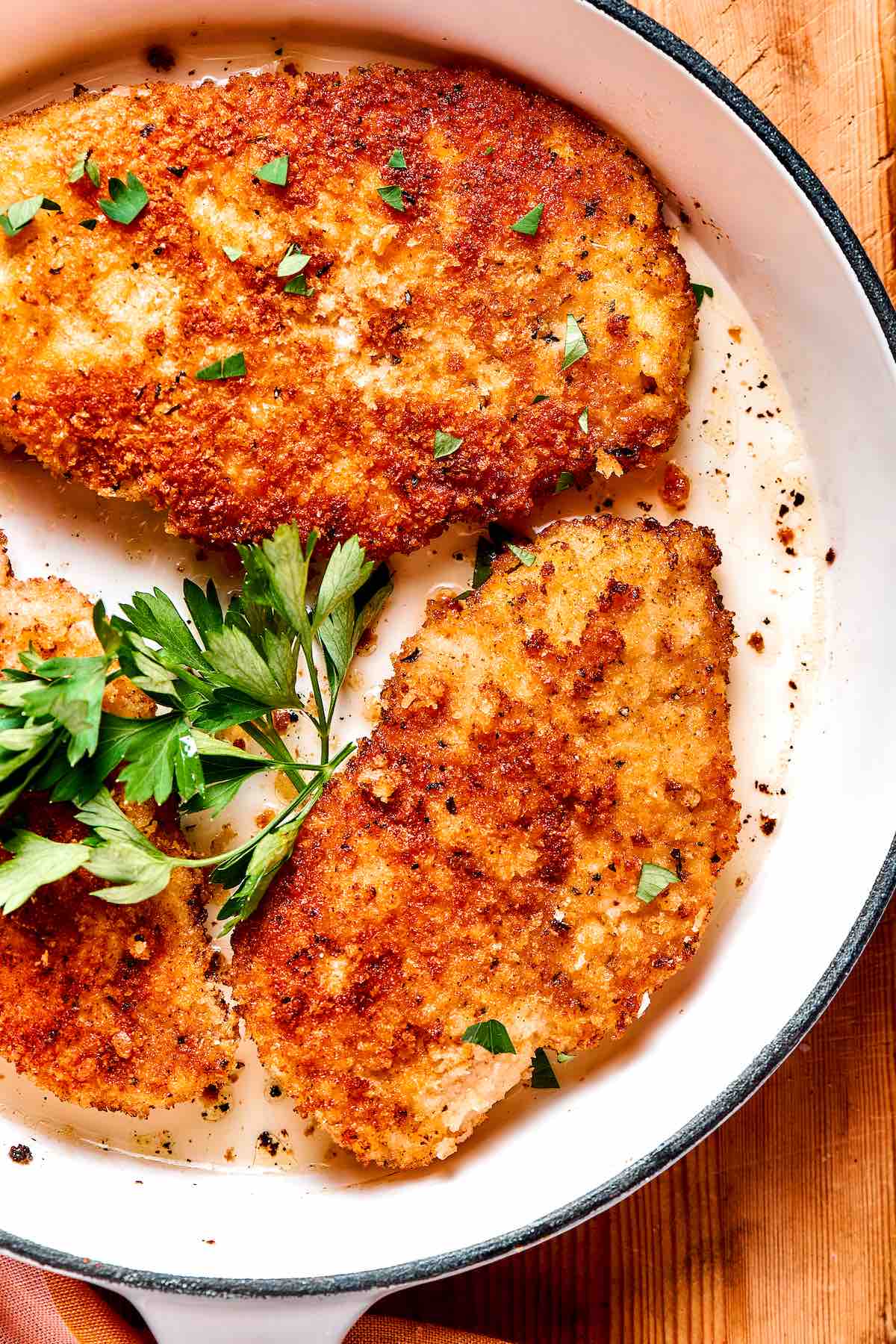 Panko breadcrumbs create a light, airy crunch that absorbs less oil than traditional fine breadcrumbs, staying crispy longer.
Credit: thebigmansworld.com
Panko breadcrumbs create a light, airy crunch that absorbs less oil than traditional fine breadcrumbs, staying crispy longer.
Credit: thebigmansworld.com
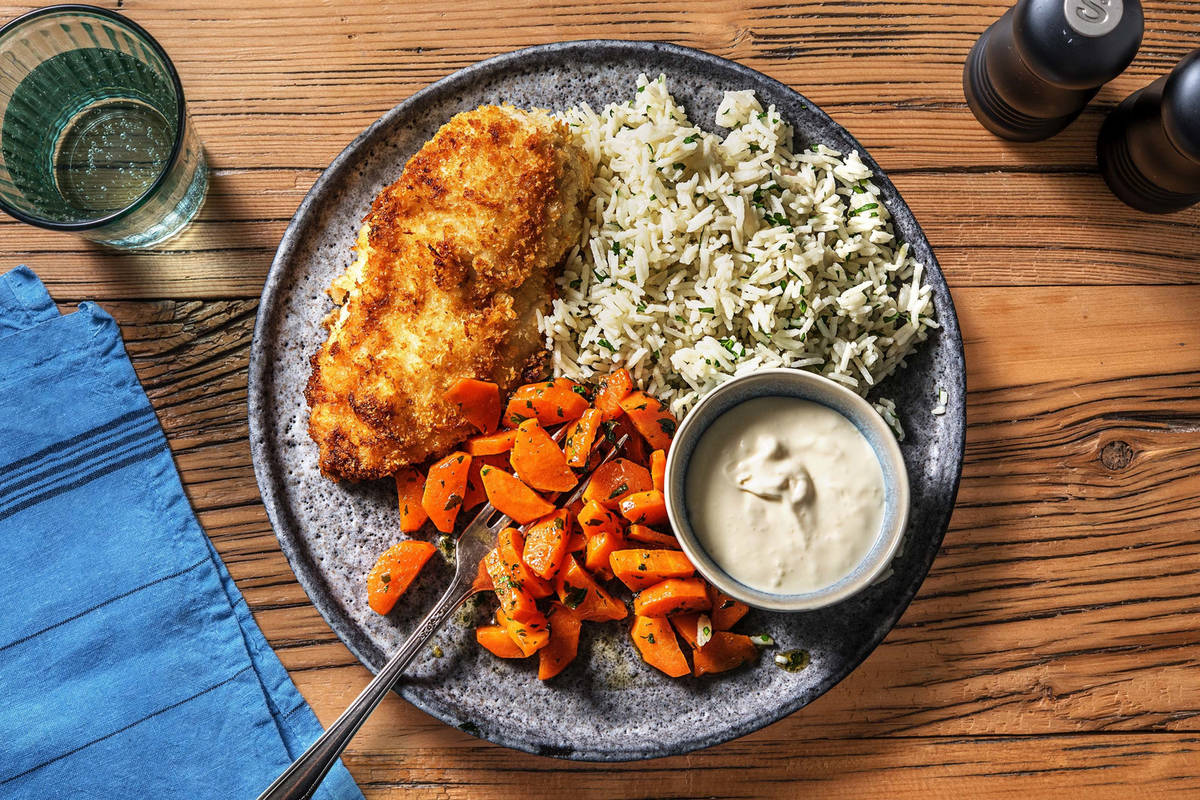 Properly prepped breaded chicken placed on a wire rack before cooking ensures even browning and crispiness.
Credit: www.hellofresh.ca
Properly prepped breaded chicken placed on a wire rack before cooking ensures even browning and crispiness.
Credit: www.hellofresh.ca
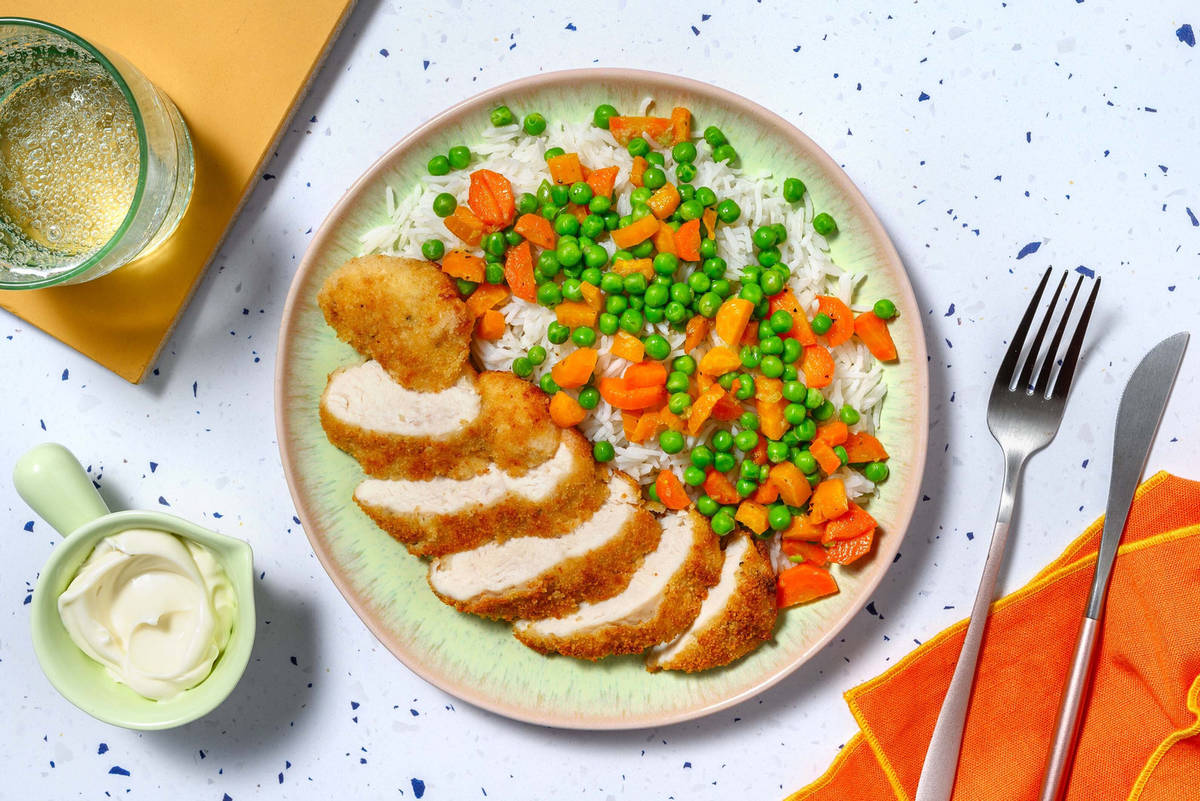 Properly cooked breaded chicken has an internal temperature of 165°F and a uniformly golden crust.
Credit: www.hellofresh.ca
Properly cooked breaded chicken has an internal temperature of 165°F and a uniformly golden crust.
Credit: www.hellofresh.ca
Oven-Baking for Lower-Fat, Even Crisp
Oven-baking delivers a crisp crust with minimal oil, making it ideal for weeknight meals or anyone reducing their fat intake. The key to success is air circulation: always place breaded chicken on a wire rack set over a rimmed baking sheet, rather than directly on the sheet pan, so hot air can circulate around all sides of the chicken and prevent the bottom from getting soggy. Preheat your oven to 425°F—this high heat promotes rapid browning and crisping before the chicken dries out. Lightly spray the breaded chicken with a high-smoke-point cooking spray or brush with a thin layer of oil to help the crust golden evenly. Bake for 20-25 minutes for thin cutlets, 25-30 minutes for thicker breasts, flipping halfway through, until the crust is deep golden and the internal temperature reaches 165°F when measured with a meat thermometer. For extra crispiness, switch the oven to broil for the last 1-2 minutes of cooking, watching closely to avoid burning. If your oven has uneven hot spots, rotate the baking sheet halfway through cooking for uniform browning.
Air Frying for Quick, Low-Mess Crisp
Air frying is the fastest, most energy-efficient method for crispy breaded chicken, using little to no added oil and producing results nearly identical to deep-frying in a fraction of the time. Preheat your air fryer for 3 minutes before cooking to ensure consistent temperature, then arrange chicken in a single layer with space between each piece—overcrowding the basket traps steam and leads to soggy, uneven crust. Lightly spray chicken with cooking spray, then cook at 375°F for 12-18 minutes, flipping halfway through, until the crust is golden and the internal temperature hits 165°F. For extra crunch, spritz the chicken with a small amount of oil halfway through cooking. Always clean the air fryer basket immediately after use to avoid burnt crumb residue that can cause smoke and off-flavors in future cooks. For quick cleanup of crumbs or oil splatters on your countertops after cooking, a sturdy scrub brush works perfectly to scrub away grime without scratching surfaces.
Troubleshooting Common Breading Failures
Even experienced cooks encounter breading issues from time to time. These are the most common problems and their proven fixes:
Fix Soggy, Limp Coating
Soggy breading is almost always caused by one of three issues: overcrowding the pan during frying (which drops oil temperature and causes the coating to absorb excess oil), covering chicken after cooking (which traps steam and softens the crust), or not drying the chicken thoroughly before breading. To fix it, fry in small batches, drain chicken on a wire rack instead of covering it, and pat chicken dry twice before breading. For baked or air-fried chicken, avoid stacking pieces in the oven or air fryer basket, as this traps moisture and softens the crust.
Stop Breading From Falling Off Mid-Cook
If your coating slides off mid-cook, you likely skipped the flour base layer, didn’t press the crumbs into the chicken firmly, or didn’t pat the chicken dry enough before starting. Always follow the full three-step breading process, press crumbs gently but firmly into the chicken after dipping in egg wash, and pat chicken dry with paper towels twice before starting. If marinating, let excess marinade drip off before breading, as wet marinade will make the flour slide off the chicken’s surface.
Correct Uneven, Patchy Crisp
Patchy browning is usually caused by fluctuating cooking temperatures or uneven coating application. Use a thermometer to monitor oil or oven temperature consistently, and shake off excess flour before dipping in egg wash to avoid thick, doughy patches. When breading, turn the chicken to ensure all sides are fully coated, and press crumbs into any thin spots before cooking to avoid bare patches that burn before the rest of the crust is crisp.
Creative Flavor Coating Variations to Elevate Your Chicken
Once you’ve mastered the basic breading technique, experiment with these flavor-packed variations to take your breaded chicken to the next level:
Savory Herb & Spice Blends
Mix 1 cup of your chosen breadcrumbs or flour with 1 tsp each of garlic powder, smoked paprika, dried thyme, and salt, plus 1/2 tsp black pepper, for a savory, all-purpose seasoned crust. Add a pinch of cayenne or chili powder for a spicy kick, or dried oregano and grated Parmesan for an Italian-inspired flavor. For a tangy twist, mix 1 tsp of lemon zest into the breadcrumbs for a bright, fresh crust that pairs perfectly with roasted vegetables or salads.
Nut & Seed Crusts for Crunch & Depth
For a gluten-free, extra-crunchy coating, toast 1 cup of finely ground almonds, pecans, or walnuts, then mix with 1/2 cup of panko breadcrumbs and 1 tsp of smoked paprika. This nutty crust pairs perfectly with honey mustard or aioli dipping sauces, and adds a rich, deep flavor that’s perfect for chicken tenders or cutlets. For a lighter option, mix panko with 1 tbsp of sesame seeds for a subtle nutty crunch that works well for Asian-inspired dishes.
Global-Inspired Coating Ideas
Swap traditional breadcrumbs for cultural twists: mix panko with 1 tsp of grated ginger and 1 tsp of soy sauce (added to the egg wash) for a Japanese-style katsu coating; mix crushed tortilla chips with 1 tsp of cumin and 1 tsp of chili powder for a Mexican-inspired crunchy crust; or use crushed cornflakes mixed with 1 tsp of paprika for a Southern-style fried chicken crunch. These creative coatings pair perfectly with appetizer platters or charcuterie boards—if you’re putting together a spread, our perfect cheese slicing guide will help you arrange professional-looking servings.
How to Store Leftover Breaded Chicken for Maximum Crispness
One of the most common questions home cooks have is how to keep leftover breaded chicken crispy, not soggy, when reheating. The mistake most people make is storing it in an airtight container while it’s still warm, which traps steam and softens the crust immediately. Instead, let leftover breaded chicken cool completely to room temperature (no more than 2 hours after cooking, per USDA food safety guidelines for leftovers) before storing. Place it in a single layer on a wire rack inside an airtight container, or loosely covered with aluminum foil, and refrigerate for up to 3 days. To reheat, place it on a wire rack in a 375°F oven or air fryer for 5-7 minutes, which will re-crisp the crust without making it soggy. Avoid microwaving, as this will turn the crust soft and chewy.
Frequently Asked Questions
What is the best coating for ultra-crispy breaded chicken?
Panko breadcrumbs paired with a double-dip technique and pan-frying at 350°F yield the crunchiest, longest-lasting crust, as panko's larger, airier flakes absorb less oil than fine breadcrumbs.
Can I bread chicken without eggs?
Yes, use a mixture of 2 tbsp water + 1 tsp cornstarch, or full-fat plain yogurt, as a vegan/egg-free binder. The binder works the same way as egg wash to adhere crumbs to the chicken.
How do I keep breaded chicken crispy for a party?
After cooking, place chicken on a wire rack in a 200°F oven until serving. Avoid covering it, as trapped steam will make the crust soggy.
Can I use frozen chicken for breading?
Yes, but thaw it completely and pat it extremely dry first. Frozen chicken releases excess moisture as it thaws, which can cause breading to slip off if not fully dried.
What oil is best for frying breaded chicken?
Use a neutral oil with a high smoke point, such as avocado, peanut, or sunflower oil. These can withstand frying temperatures without breaking down or imparting off-flavors.
How long can I store breaded chicken in the refrigerator?
Properly cooled, leftover breaded chicken stays fresh for up to 3 days in the refrigerator when stored on a wire rack in an airtight container to prevent sogginess.
Conclusion
Mastering what to bread chicken with is equal parts science and experimentation. The right coating paired with proper prep and cooking technique will give you that perfect shatteringly crisp crust and juicy, flavorful chicken every time, no matter your dietary needs or flavor preferences. Start with the basic three-step technique and classic panko coating, then experiment with herbs, spices, and alternative coatings to find your favorite combination. For more tested recipes, kitchen hacks, and guides to simplify your cooking routine, browse our kitchen safety and prep resources to keep elevating your home cooking game.

I’m Abby Lu, a passionate home cook who loves simplifying everyday meals. At PlugChef.com, I share product reviews and cooking guides to help you find the best tools for your kitchen.
Related posts:
 How to Make a Fruit Basket for a Gift: Easy DIY Guide
 Mesh Desk Organizer With Sliding Drawer: Maximize Efficiency
 Decorative Woven Baskets for Wall: Transform Your Space
 Rubbermaid Large Dish Drying Rack: Ultimate Kitchen Solution
 Gray Kitchen With Stainless Steel Appliances: Modern Elegance
 Appliance Play Food Kitchen Toys: Ignite Imaginative Play

