
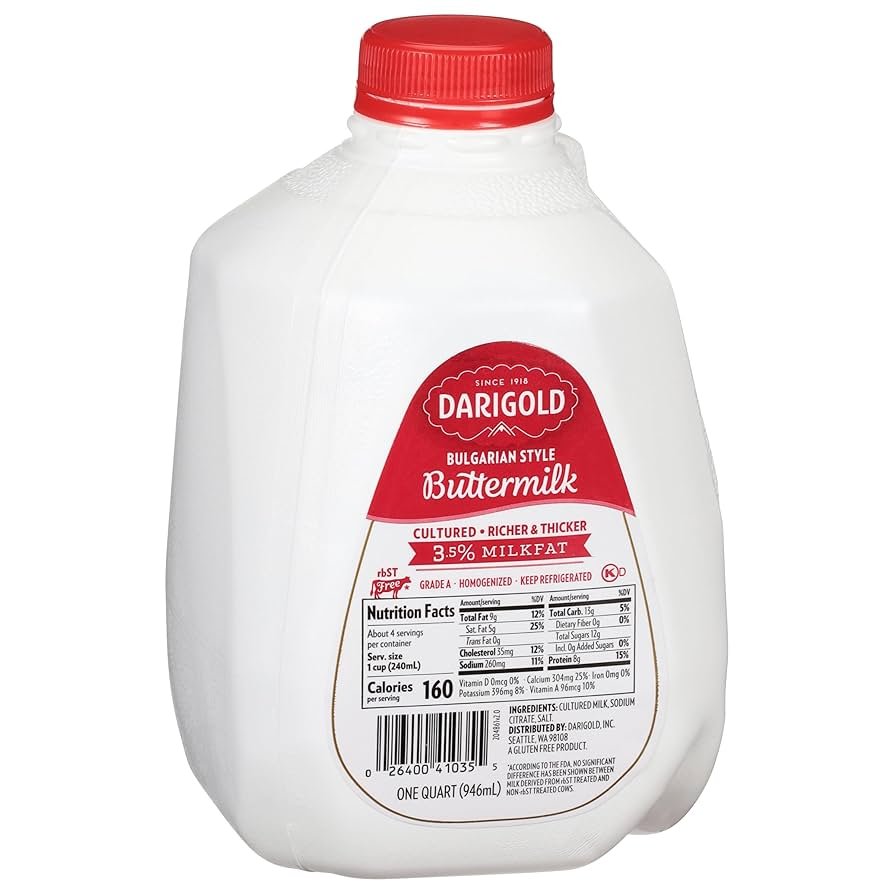
Have you ever wondered what makes Bulgarian style buttermilk so special? If you’re curious about this creamy, tangy drink that’s been a staple in Bulgarian kitchens for centuries, you’re in the right place.
Understanding Bulgarian style buttermilk can change the way you think about simple, everyday foods. It’s not just a drink—it’s a natural source of health and flavor that you can easily add to your diet. Keep reading, and you’ll discover what sets this buttermilk apart and why it might be the perfect addition to your meals and wellness routine.
Bulgarian Style Buttermilk Basics
Bulgarian style buttermilk is a traditional fermented dairy product. It has a rich history and unique taste. This buttermilk is prized for its creamy texture and tangy flavor. It is a staple in Bulgarian kitchens and enjoyed worldwide.
Origins And Tradition
Bulgarian buttermilk dates back centuries. It is linked to the nomadic tribes of the Balkans. They used natural fermentation to preserve milk. The drink reflects Bulgaria’s rich dairy heritage. It remains a symbol of health and wellness in Bulgarian culture.
Distinctive Characteristics
- Thick and creamy texture
- Mildly sour and tangy taste
- Rich in probiotics and nutrients
- Often consumed plain or in recipes
- Low-fat and easily digestible
How It’s Made
The process starts with fresh cow’s milk. It is heated gently to kill unwanted bacteria. Then, it cools to a warm temperature. A special starter culture of Lactobacillus bulgaricus is added. This bacteria ferments the milk sugars into lactic acid. The milk thickens and develops its signature sour taste. The buttermilk is left to ferment for 12 to 24 hours. After fermentation, it is chilled and ready to drink.
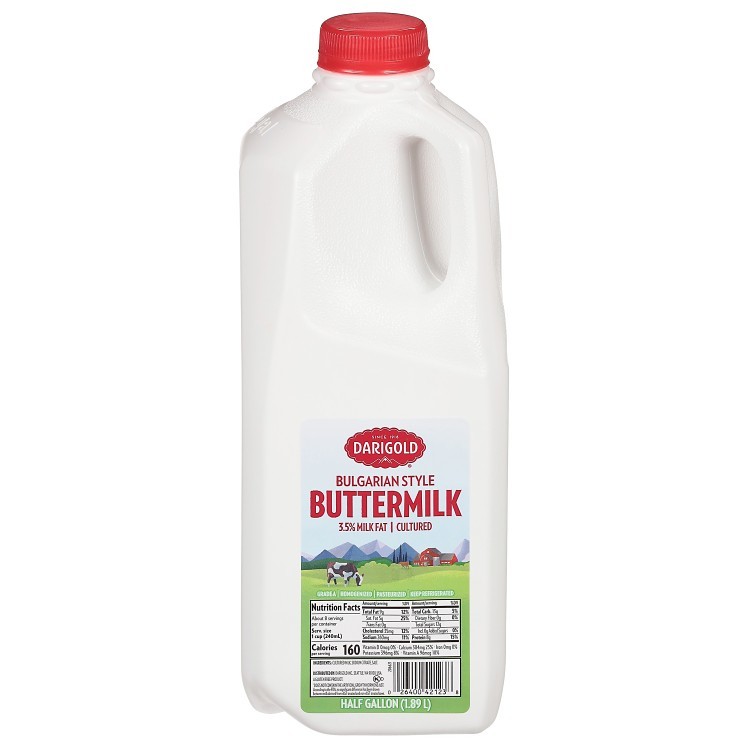
Credit: www.chefstore.com
Nutritional Profile
Understanding the nutritional profile of Bulgarian style buttermilk can help you see why it’s a great addition to your diet. This traditional drink is more than just a refreshing beverage—it offers a unique blend of nutrients that support your overall health. Let’s break down what makes it stand out nutritionally.
Key Vitamins And Minerals
Bulgarian style buttermilk is packed with essential vitamins and minerals that your body needs daily. It contains significant amounts of calcium, which is crucial for strong bones and teeth. You’ll also find vitamins B2 (riboflavin) and B12, both important for energy production and maintaining healthy nerve function.
Magnesium and phosphorus are present too, playing roles in muscle function and cellular repair. If you’re looking to boost your intake of these nutrients without taking supplements, buttermilk offers a natural and tasty source.
Probiotic Content
One of the most exciting nutritional benefits of Bulgarian style buttermilk is its rich probiotic content. These live bacteria help balance your gut microbiome, improving digestion and supporting your immune system. Unlike many commercial dairy products, traditional buttermilk undergoes natural fermentation, encouraging the growth of beneficial microbes.
Have you noticed how a regular glass of buttermilk can ease digestion after a heavy meal? That’s the probiotics at work. Including this drink in your routine could help maintain gut health and reduce digestive discomfort.
Calorie And Fat Content
Bulgarian style buttermilk is generally low in calories, making it a smart choice if you want to watch your weight. A typical serving contains around 40 to 50 calories, which is much less than many sugary drinks or even some dairy products.
The fat content is also relatively low, especially when made from low-fat or skimmed milk. This means you get the creamy taste and nutritional benefits without the heaviness or excess calories. Would you consider swapping your usual snack drink for buttermilk and see how your energy levels respond?
Health Benefits
Bulgarian Style Buttermilk is not just a culinary delight but also a powerhouse of health benefits. This fermented dairy product is rich in probiotics, which can significantly enhance your well-being. Whether you’re looking to improve your digestion, boost your immune system, or maintain a healthy weight, Bulgarian Style Buttermilk offers a natural solution.
Digestive Health
One of the standout benefits of Bulgarian Style Buttermilk is its ability to support digestive health. The probiotics present in this drink help balance your gut microbiome. This balance can lead to improved digestion and reduced bloating.
Have you ever felt discomfort after a heavy meal? A glass of Bulgarian Style Buttermilk can aid in soothing your stomach, making it a perfect post-meal remedy. Regular consumption may also help in alleviating symptoms of digestive disorders.
Immune System Support
Maintaining a strong immune system is crucial for overall health. Bulgarian Style Buttermilk can play a key role in fortifying your body’s defenses. The beneficial bacteria in it enhance your immune response.
Imagine having a natural shield against common infections and illnesses. By incorporating this buttermilk into your diet, you can support your immune system naturally. This can mean fewer sick days and more energy for your daily activities.
Bone Strength
Calcium is vital for bone health, and Bulgarian Style Buttermilk is a rich source of this essential mineral. Consuming it regularly can contribute to maintaining strong bones. This is particularly important as you age, when bone density tends to decrease.
Have you considered the long-term health of your bones? Adding this buttermilk to your routine can help ensure you stay strong and active. It’s a delicious way to take care of your skeletal health.
Weight Management
Are you on a journey to manage your weight? Bulgarian Style Buttermilk can be a helpful ally. It’s low in calories yet filling, making it a smart choice for those mindful of their weight.
This buttermilk can be a satisfying snack or meal addition without the guilt. It helps you feel full longer, reducing the temptation to overeat. Consider it a tasty tool in your weight management toolkit.
Credit: www.freshbybrookshires.com
Culinary Uses
Bulgarian style buttermilk is more than just a tangy drink; it plays a versatile role in the kitchen. Its unique texture and flavor make it a valuable ingredient for a variety of dishes. Understanding its culinary uses will help you add depth and health benefits to your meals.
Drinking And Refreshments
This buttermilk is often enjoyed plain as a refreshing drink. Its natural probiotics help soothe your digestive system after a heavy meal.
You can also mix it with herbs like mint or dill to create a cooling beverage. Ever tried a cold glass after spicy food? It works wonders.
Cooking And Baking
Bulgarian style buttermilk adds moisture and a subtle tang to baked goods. Use it in pancakes, muffins, or bread to improve texture and flavor.
Its acidity reacts with baking soda, helping dough rise beautifully without overpowering taste. Have you ever noticed how buttermilk pancakes taste fluffier and lighter? That’s the magic of this ingredient.
Traditional Recipes
Many Bulgarian dishes rely on this buttermilk for authenticity. Try it in cold soups like Tarator, where it blends with cucumber and garlic for a refreshing dish.
It’s also used in marinades to tenderize meat, adding a mild sourness that enhances the overall flavor. Would you consider experimenting with these traditional uses to bring a new twist to your cooking?
Storage And Shelf Life
Understanding how to store Bulgarian Style Buttermilk properly can make all the difference in keeping its fresh, tangy flavor intact. This traditional fermented dairy product has a unique texture and taste that you want to preserve as long as possible. Knowing the right storage techniques and recognizing when it’s no longer good can save you from unpleasant surprises.
Proper Refrigeration
Bulgarian Style Buttermilk thrives in a cool environment. Store it in the coldest part of your refrigerator, usually near the back, where the temperature stays consistent around 4°C (39°F). Avoid placing it in the fridge door as the temperature there fluctuates more.
Keep the container tightly sealed to prevent exposure to air and other odors. If you’ve transferred it to a different jar, use a clean, airtight lid. This helps maintain the buttermilk’s natural probiotics and prevents spoilage.
Signs Of Spoilage
You might wonder how to tell if your buttermilk has gone bad. Trust your senses: a sour smell stronger than usual, a change in color to a dull or yellowish shade, or an off taste means it’s time to discard it.
Also, watch for mold growth on the surface or any unusual lumps that don’t mix in when shaken. These signs indicate bacterial contamination beyond the normal fermentation process.
Have you ever tasted buttermilk that felt different but weren’t sure if it was spoiled? Learning these clear signs helps you avoid wasting good food or risking your health.
Choosing Quality Buttermilk
Choosing quality Bulgarian style buttermilk can make a big difference in taste and health benefits. Not all buttermilk is created equal, and knowing what to look for helps you get the most authentic and flavorful product. Let’s break down how to spot the best buttermilk for your kitchen.
Labels And Certifications
Labels tell you a lot about what’s inside the bottle. Look for certifications like “Live Cultures” or “Probiotic” to ensure the buttermilk contains the beneficial bacteria that give it its unique tang and health perks.
Another important label is the “Expiration Date.” Fresh buttermilk delivers a better taste and texture, so avoid anything close to or past its expiry.
Have you ever checked for a “Non-GMO” or “Grass-Fed” label? These can indicate higher quality milk sources, which often result in richer buttermilk.
Organic Vs. Conventional
Organic buttermilk comes from cows that are fed organic feed and raised without synthetic hormones or antibiotics. This can impact the flavor and nutritional profile, often making it creamier and more natural tasting.
Conventional buttermilk may be cheaper, but it sometimes contains additives or comes from cows treated with hormones. If you care about what goes into your body, organic might be worth the extra cost.
Think about your priorities: Is budget your main concern, or do you want to support sustainable farming practices? Your choice between organic and conventional buttermilk will reflect your values and taste preferences.

Credit: us.amazon.com
Frequently Asked Questions
What Is Bulgarian Style Buttermilk?
Bulgarian style buttermilk is a fermented dairy drink made using specific bacterial cultures. It has a creamy texture and tangy flavor. Traditionally, it contains Lactobacillus bulgaricus and Streptococcus thermophilus bacteria. It is known for its probiotic benefits and is popular in Bulgarian cuisine.
How Is Bulgarian Buttermilk Different From Regular Buttermilk?
Bulgarian buttermilk uses unique bacterial cultures that give it a distinct taste. Regular buttermilk is often a byproduct of butter-making. Bulgarian style buttermilk is thicker, creamier, and contains live probiotics. It has a smoother, less sour flavor compared to conventional buttermilk.
What Are The Health Benefits Of Bulgarian Buttermilk?
Bulgarian buttermilk is rich in probiotics that support gut health. It aids digestion and boosts the immune system. It is low in fat and calories, making it a healthy drink choice. Regular consumption can improve lactose digestion and overall digestive wellness.
Can Bulgarian Buttermilk Be Used In Cooking?
Yes, Bulgarian buttermilk is versatile in cooking and baking. It adds moisture and tang to bread, pancakes, and sauces. It can replace yogurt or regular buttermilk in recipes for a unique flavor. It also works well in cold soups and salad dressings.
Conclusion
Bulgarian style buttermilk offers a unique, tangy flavor you can enjoy daily. It supports good digestion and contains healthy probiotics. Many people find it refreshing and easy to drink. You can use it in recipes or as a simple drink.
Its long tradition shows its value in Bulgarian culture. Try it to discover a new taste and health benefits. Simple, natural, and tasty—Bulgarian style buttermilk stands out. Give it a chance and enjoy its benefits yourself.

I’m Abby Lu, a passionate home cook who loves simplifying everyday meals. At PlugChef.com, I share product reviews and cooking guides to help you find the best tools for your kitchen.
Related posts:
 What Type of Cooking Utensils are Safe: Expert Picks
 What Innovations Could Blenders Make: Unleashing Future Tech
 Smart Strategies to Organize a Small Kitchen: Maximize Space
 How to Organize a Kitchen Cabinet: Expert Tips & Tricks
 How to Organize Kitchen Drawers: Expert Tips and Tricks
 How to Organize a Corner Kitchen Cupboard: Expert Tips

