
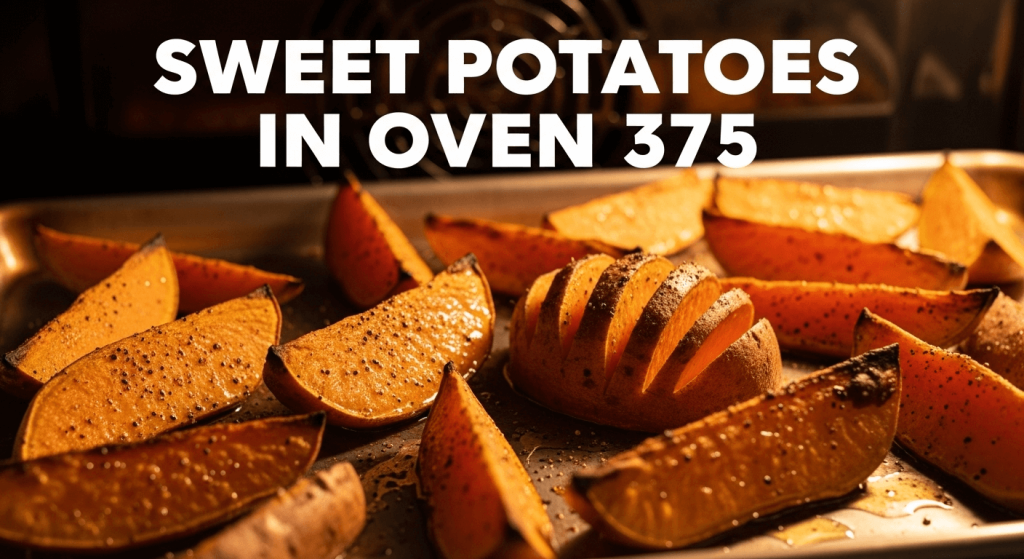
If you’ve ever pulled soggy, bland sweet potatoes out of the oven, or wrestled with burnt edges and raw centers, this foolproof 375°F recipe is for you. Baking sweet potatoes at 375°F hits the perfect balance: hot enough to caramelize natural sugars for a crispy, golden exterior, but gentle enough to cook the dense flesh through evenly without drying it out. This guide covers everything from picking the best tubers to pro tips for ultra-crispy skin, customizable seasoning blends, and storage tricks to keep leftovers tasting fresh. No fancy equipment required, just 10 minutes of prep and 45 minutes of hands-off baking for a versatile side, snack, or meal base that works for weeknights and weekend gatherings alike.
Why 375°F Is the Ideal Temperature for Oven-Baked Sweet Potatoes
Many sweet potato recipes call for temperatures as high as 425°F or as low as 350°F, but 375°F is the Goldilocks zone for consistently perfect results. Higher heat risks burning the thin sweet potato skin before the dense, starchy flesh is fully tender, while lower temperatures lead to steamed, soggy results with no caramelization. At 375°F, the natural sugars in sweet potatoes caramelize slowly, creating that craveable crispy, golden exterior, while the steady, moderate heat penetrates the tuber evenly for a fluffy, sweet interior. This temperature also works seamlessly for both whole baked sweet potatoes and cut wedges or cubes, making it a versatile go-to for any preparation.
Choosing the Best Sweet Potatoes for Crispy, Flavorful Results
The variety and freshness of your sweet potatoes will make or break the final dish. Different varieties have distinct flavor and texture profiles, so picking the right one for your desired preparation ensures the best results.
| Variety | Flavor Profile | Best Use Case |
|---|---|---|
| Orange-fleshed (Covington, Beauregard) | Bright, sweet, moist | Whole baked potatoes, mashed, fries |
| White-fleshed (Hannah, O'Henry) | Mild, nutty, firm | Roasted wedges, salads, savory dishes |
| Japanese (Purple) | Dense, ultra-sweet, earthy | Roasted cubes, glazed sides |
| Garnet | Rich, deep orange, very soft | Whole baked, desserts, baby food |
When selecting tubers, look for firm, unbruised specimens with smooth, dry skin. Avoid any with soft spots, cracks, or mold, as these indicate spoilage or moisture loss that will lead to uneven cooking. Smaller to medium-sized sweet potatoes (4-6 inches long) are ideal for most home ovens, as they cook more evenly than extra-large tubers. If you’re buying organic, you can skip peeling if you scrub the skin thoroughly, as the skin holds extra fiber and nutrients. Use a sturdy kitchen scrub brush to remove all dirt and debris from the skin, even on organic varieties. For more expert guidance on selecting and storing root vegetables, the University of Minnesota Extension recommends choosing firm, unblemished tubers and storing them in a cool, dark, well-ventilated space before baking to preserve texture and flavor.
Step-by-Step Prep for Perfect Oven-Baked Sweet Potatoes
Proper prep is 90% of the battle for crispy skin and even cooking. Most home cooks skip one key step: drying the potatoes completely after washing, which leads to steamed, soggy skin instead of crispy caramelization.
Washing, Peeling, and Cutting for Even Cooking
Start by rinsing sweet potatoes under cool running water, scrubbing vigorously to remove all dirt and debris. Pat completely dry with a clean kitchen towel — this non-negotiable step removes excess moisture that would otherwise steam the skin during baking. If you prefer peeled sweet potatoes, use a sharp Y-shaped peeler to remove the skin in long, even strips, taking off as little of the flesh as possible to avoid waste.
Cut into your desired shape, but aim for uniform 1-inch pieces if making wedges or cubes. Uniform size ensures all pieces cook at the same rate, so you don’t end up with burnt edges and raw centers. For precise, uniform cuts, use a sharp, stable knife and a steady cutting board to avoid uneven pieces. If making whole baked potatoes, skip cutting and just pierce the skin 3-4 times with a fork to let steam escape and prevent bursting.
Seasoning Blends for Every Taste Preference
Start with a base of 1 tablespoon high-smoke-point oil (avocado or light olive oil work best for crispiness) per pound of sweet potatoes, plus 1 teaspoon kosher salt. Toss the sweet potatoes thoroughly to coat every side evenly, then add one of these tested blends:
- Savory Garlic-Herb: 1 teaspoon garlic powder, 1 teaspoon dried rosemary, ½ teaspoon black pepper
- Sweet Cinnamon-Maple: 1 teaspoon ground cinnamon, 1 teaspoon brown sugar, ½ teaspoon ground nutmeg (perfect for a dessert-like side)
- Spicy Chili-Lime: 1 teaspoon chili powder, ½ teaspoon cumin, 1 teaspoon lime zest, pinch of cayenne (optional for heat)
- Umami Parmesan: 2 tablespoons grated Parmesan cheese, 1 teaspoon smoked paprika, ½ teaspoon garlic powder (add after baking for best results)
Baking Instructions for 375°F: Timing and Pro Tips for Crispy Results
Preheat your oven fully to 375°F for at least 10 minutes before adding your sweet potatoes — a cold oven will lead to uneven cooking and soggy skin. Place the oven rack in the middle position for optimal heat circulation. Arrange the sweet potatoes in a single, uncrowded layer on a rimmed baking sheet (line with parchment paper for easy cleanup, if desired). Overcrowding the sheet traps steam and leads to soggy, unevenly cooked pieces, so use two sheets if you’re making a large batch.
Use this guide to time your bake for perfect results every time:
| Cut Style | Baking Time at 375°F | Doneness Test |
|---|---|---|
| Whole (medium, 4-6 inches) | 45-60 minutes | Pierce the thickest part with a fork; it should slide in easily with no resistance |
| Thick wedges or halves (1-inch thick) | 30-40 minutes | Edges are golden and crispy, flesh is tender when pierced |
| 1-inch cubes | 25-30 minutes | Golden brown on all sides, crispy edges, tender interior |
Flip the sweet potatoes halfway through baking to ensure even browning on all sides. If you want extra crispy edges, turn on the broiler for the last 1-2 minutes of baking — watch closely to avoid burning.
3 Common Mistakes to Avoid When Baking Sweet Potatoes at 375°F
Even with a perfect temperature, small prep errors can ruin your batch. Avoid these frequent pitfalls for consistent results:
- Skipping the drying step: Excess moisture on the skin leads to steaming instead of roasting, resulting in soft, chewy skin instead of crispy caramelization. Always pat sweet potatoes completely dry after washing.
- Overcrowding the baking sheet: When sweet potatoes are piled on top of each other, steam gets trapped, leading to soggy, unevenly cooked pieces. Use two baking sheets if needed, and leave ½ inch of space between each piece.
- Not preheating the oven: Putting sweet potatoes into a cold oven extends cooking time and leads to uneven heat exposure, causing some pieces to burn while others remain raw. Always preheat your oven for at least 10 minutes before adding the sweet potatoes.
Serving Ideas and Pairings
Sweet potatoes baked at 375°F work for nearly any meal. Try these tested pairings and serving ideas:
- For a quick weeknight side, pair with grilled chicken, baked salmon, or roast pork for a balanced, nutrient-dense meal.
- For a healthy snack, serve with a 2-ingredient dip: mix ½ cup Greek yogurt with 1 teaspoon honey and a pinch of cinnamon, or blend 1 avocado with lime juice and salt for a creamy, savory option.
- For a hearty vegetarian meal, top roasted sweet potato cubes with black beans, salsa, and a dollop of sour cream for a filling, flavor-packed bowl.
- For a holiday side, toss roasted wedges with a glaze of melted butter, brown sugar, and a dash of bourbon for a rich, indulgent flavor.
Storing and Reheating Leftovers Without Losing Crispiness
According to USDA Food Safety guidelines, cooked sweet potatoes can be stored in an airtight container in the refrigerator for up to 4 days. Always let sweet potatoes cool to room temperature within 2 hours of baking before storing to prevent bacterial growth. Do not leave baked sweet potatoes out at room temperature for more than 2 hours, especially in warm climates.
For reheating, avoid the microwave if you want to preserve crispy skin, as it will make the exterior soggy. Instead, preheat your oven to 375°F, place the sweet potatoes in a single layer on a baking sheet, and heat for 10-12 minutes until warmed through. For an extra crispy finish, broil for the last 1 minute of reheating. If you’re short on time, an air fryer set to 375°F works perfectly, heating cubes or wedges in 3-5 minutes. Scrub your baking sheet with a professional-grade kitchen brush to remove stuck-on caramelized sugar without scratching the surface. For quick cleanup of prep tools and dishes, use a dedicated dish scrub brush to cut down on scrubbing time.
Frequently Asked Questions
How long do sweet potatoes take to bake at 375°F?
Baking time varies based on size and cut: whole medium sweet potatoes take 45-60 minutes, thick wedges take 30-40 minutes, and 1-inch cubes take 25-30 minutes. Always test for doneness by piercing the thickest part with a fork — it should slide in easily with no resistance. If the skin is browning too quickly before the inside is tender, tent the baking sheet loosely with aluminum foil for the remaining cooking time.
Should I wrap sweet potatoes in foil at 375°F?
Wrapping sweet potatoes in foil traps moisture, leading to a softer, steamed skin and extra-tender flesh — perfect if you prefer creamy, mashable sweet potatoes. For crispy, caramelized skin, bake unwrapped on a baking sheet. If you want the best of both worlds, wrap whole sweet potatoes in foil for the first 30 minutes of baking, then unwrap for the last 15-20 minutes to crisp the skin.
Can I bake sweet potatoes at 375°F without oil?
Yes, you can bake oil-free sweet potatoes at 375°F by piercing the skin and placing them directly on the oven rack or a baking sheet. The skin will be softer and less crispy without oil, but the flesh will still be tender and sweet. For extra crispiness without added oil, toss cut pieces in a light dusting of cornstarch before baking.
What is the best way to prep sweet potatoes for oven baking?
Start by washing sweet potatoes thoroughly to remove all dirt, then pat them completely dry with a clean towel. Pierce whole sweet potatoes 3-4 times with a fork to let steam escape, or cut into your desired shape for roasted pieces. Toss cut pieces in oil and seasoning, and arrange in a single layer on a baking sheet for even cooking. For extra crispiness, sprinkle cut pieces with a light dusting of cornstarch before seasoning.
Can I use frozen sweet potatoes for this recipe?
Yes, but you will need to adjust the baking time and prep steps. Thaw frozen sweet potato cubes or wedges completely and pat them dry before tossing in oil and seasoning. Frozen pieces will take 5-10 minutes longer to bake at 375°F, and the skin may be less crispy than fresh sweet potatoes, as freezing releases excess moisture.
Conclusion
Baking sweet potatoes at 375°F is a simple, foolproof way to get tender, sweet flesh and crispy, caramelized skin without the hassle of higher or lower temperatures. By following these prep, seasoning, and baking tips, you’ll avoid common mistakes like soggy skin and uneven cooking, and end up with a versatile dish that works as a side, snack, or meal base. Whether you prefer savory herb-seasoned wedges or sweet cinnamon-glazed whole potatoes, this recipe is easy to customize to your taste. Ready to make kitchen prep even easier? Explore our top-rated kitchen tools to speed up washing, cutting, and cleanup for all your favorite recipes.
 Freshly roasted sweet potato wedges with crispy edges and tender, caramelized interiors
 Uniformly cubed sweet potatoes tossed in oil and seasoning, ready for the oven
 Whole baked sweet potatoes with blistered, crispy skins and fluffy orange flesh
Conclusion
Baking sweet potatoes at 375°F delivers the perfect balance of crispy, caramelized skin and fluffy, sweet flesh without the guesswork of higher or lower temperatures. The prep steps—thorough drying, uniform cutting, and even oil coating—are the true game-changers for consistent results, while the moderate heat ensures the natural sugars develop fully without burning the delicate exterior. This recipe’s flexibility means you can tailor seasonings to any craving, from savory herb blends to warm cinnamon-sweet glazes, making it a reliable staple for weeknight sides, weekend meal prep, or healthy snacks. For faster, more even prep, upgrade your toolkit with our kitchen cleaning brush set to scrub sweet potatoes quickly and clean up caramelized residue from baking sheets with minimal effort.

I’m Abby Lu, a passionate home cook who loves simplifying everyday meals. At PlugChef.com, I share product reviews and cooking guides to help you find the best tools for your kitchen.
Related posts:
 Dried Flower Bud in a Spice Rack: Transform Your Cooking
 Coollog Waterproof under Sink Mat: Ultimate Leak Protection
 How to Cook Pan Squash: Easy, Delicious Recipes to Try Today
 Yogurt Instead of Sour Cream: Healthy Swaps You’ll Love
 How to Store Wild Mushrooms: Essential Tips for Freshness
 Stewed Black Eyed Peas Recipe: Delicious, Easy & Nutritious Guide

