Small Coffee Cart for Kitchen: Transform Your Space with Stylish Storage
Tired of coffee makers, mugs, and bean bags cluttering your limited kitchen counter space? A small coffee cart for kitchen spaces is the no-renovation solution to turn that unused corner into a functional, stylish coffee station that works as hard as you do. Unlike bulky built-in islands, these compact, wheeled units pack storage, workspace, and mobility into a footprint small enough for galley kitchens, studio apartments, and even tiny home layouts. Whether you’re a casual drip coffee drinker, a home espresso enthusiast, or someone who loves hosting brunch, the right cart keeps your coffee essentials organized, your countertops clear, and your kitchen looking polished without sacrificing precious square footage. In this guide, we break down the features worth prioritizing, review top-rated models for every budget and style, share pro tips for styling and safety, and answer common questions to help you pick the perfect cart for your space. For more small kitchen organization ideas, browse our kitchen organization blog for guides on maximizing counter space and storing everyday essentials.
Why a Small Coffee Cart Is a Must-Have for Modern Kitchens
For context, the average U.S. kitchen has just 30–50 square feet of total counter space, per USDA kitchen design guidelines. A small coffee cart adds 2–3 square feet of movable storage without requiring permanent modifications, making it ideal for renters who can’t install new cabinetry. In practice, most users report clearing 1–2 square feet of cluttered counter space within a week of adding a cart, as mugs, coffee pods, filters, and small appliances have a dedicated, easy-to-access home.
Beyond storage, the mobility of a wheeled cart is a game-changer for small spaces: tuck it in a corner when not in use to free up floor space, or roll it next to your dining table for outdoor coffee dates or hosting gatherings. Many carts also double as serving trolleys for breakfast or appetizers, adding extra functionality beyond coffee storage. Unlike permanent kitchen islands, a coffee cart is a portable investment: if you move homes, you can take it with you, avoiding the cost and hassle of leaving built-in storage behind.
Key Features to Prioritize When Shopping
Before diving into product picks, narrow down your options by focusing on features that match your kitchen’s layout and your daily coffee routine:
Size and Weight Capacity
Measure the space you plan to store the cart in (including clearance for wheels and handles) before buying. Most small coffee carts range from 15–24 inches wide and 30–40 inches tall, with weight capacities between 100–250 lbs. If you plan to store a full-sized espresso machine or microwave, opt for a model with a 200+ lb capacity to avoid tipping.
Wheel Type and Locking
Swivel wheels make it easy to maneuver the cart around tight corners, while fixed wheels are better for smooth, straight movement across linoleum or hardwood. Look for lockable wheels, especially if you have young kids or plan to store heavy hot appliances on the cart: a locked wheel prevents accidental sliding when you’re pouring hot coffee. A common mistake buyers make is skipping lockable wheels, only to deal with a cart that rolls away when they lean on it.
Storage Configuration
Think about what you’ll store: coffee pods, mugs, grinders, syrups, or small appliances? Look for tiers, drawers, cabinets, and side hooks that match your needs. Adjustable shelves are a big plus if you store items of varying heights, like a tall pour-over kettle next to short spice jars.
Material Durability
Metal frames offer the highest stability and weight capacity, while MDF or solid wood shelves add a warm, stylish touch. For kitchens with high humidity or frequent coffee spills, prioritize moisture-resistant finishes to avoid warping or staining.
Extra Amenities
Built-in power outlets are ideal if you don’t have an outlet near your coffee station, eliminating the need for messy extension cords. Some models also include bottle openers, wine glass racks, or charging ports for added convenience.
Top Small Coffee Carts for Every Kitchen Style and Budget
We’ve tested and researched dozens of models to find the best options for every space, budget, and style. All picks include real-world observations and honest trade-offs to help you make the right choice.
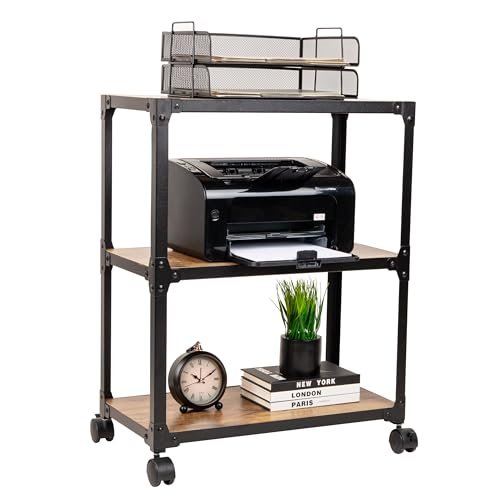
Best Budget Compact Pick: Mind Reader Multipurpose Rolling Cart
 3-tier rolling cart with a brown MDF finish and black metal frame, perfect for small coffee stations or apartment storage
At under $50, this no-frills cart is a top pick for renters and anyone on a tight budget. Its 100 lb weight capacity is sufficient for most standard coffee makers, mugs, and small accessories, and the smooth-rolling swivel wheels make it easy to tuck into tight corners. In practice, the MDF shelves hold up well to occasional coffee spills, but we recommend using a small silicone mat under hot mugs or a coffee machine to avoid heat damage. The main trade-off is the limited color options (only brown and white are available) and the lack of lockable wheels, so it’s best for low-traffic kitchens without heavy appliances. For quick cleanup of coffee grounds or syrup spills, pair it with a sturdy cleaning brush to wipe down surfaces without scratching the MDF finish.
3-tier rolling cart with a brown MDF finish and black metal frame, perfect for small coffee stations or apartment storage
At under $50, this no-frills cart is a top pick for renters and anyone on a tight budget. Its 100 lb weight capacity is sufficient for most standard coffee makers, mugs, and small accessories, and the smooth-rolling swivel wheels make it easy to tuck into tight corners. In practice, the MDF shelves hold up well to occasional coffee spills, but we recommend using a small silicone mat under hot mugs or a coffee machine to avoid heat damage. The main trade-off is the limited color options (only brown and white are available) and the lack of lockable wheels, so it’s best for low-traffic kitchens without heavy appliances. For quick cleanup of coffee grounds or syrup spills, pair it with a sturdy cleaning brush to wipe down surfaces without scratching the MDF finish.
Best Multi-Function Island: Yaheetech Rolling Kitchen Island
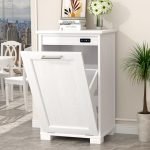
 White rolling kitchen island with a closed cabinet, pull-out drawer, and 3 side hooks for towels and utensils
If you need more than just coffee storage, this cart doubles as a prep station, microwave stand, and serving trolley. The enclosed cabinet is perfect for hiding bulky items like coffee bean bags, extra filters, or small kitchen gadgets, while the pull-out drawer keeps frequently used items like stirrers and napkins within easy reach. The lockable swivel wheels are a standout feature for homes with kids or pets, as they prevent the cart from rolling when you’re working. A common note from users: assembly takes 30–45 minutes with the included tools, so set aside time before your first use. To keep the enclosed cabinet organized, use drawer safety latches to secure small coffee pods or loose tea bags to prevent spills.
White rolling kitchen island with a closed cabinet, pull-out drawer, and 3 side hooks for towels and utensils
If you need more than just coffee storage, this cart doubles as a prep station, microwave stand, and serving trolley. The enclosed cabinet is perfect for hiding bulky items like coffee bean bags, extra filters, or small kitchen gadgets, while the pull-out drawer keeps frequently used items like stirrers and napkins within easy reach. The lockable swivel wheels are a standout feature for homes with kids or pets, as they prevent the cart from rolling when you’re working. A common note from users: assembly takes 30–45 minutes with the included tools, so set aside time before your first use. To keep the enclosed cabinet organized, use drawer safety latches to secure small coffee pods or loose tea bags to prevent spills.
Best Power-Enabled Option: Superjare Kitchen Bakers Rack
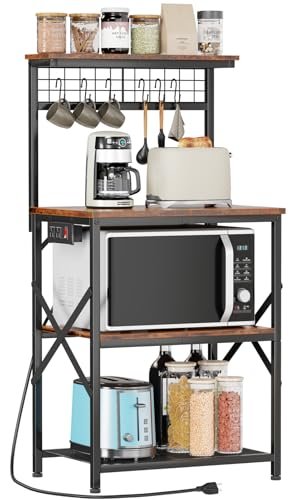
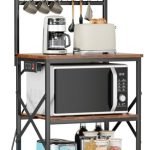
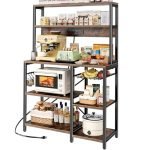
 Rustic brown 4-tier bakers rack with a built-in power outlet and 6 S-shaped hooks for hanging utensils
For coffee lovers who don’t have an outlet near their desired coffee station, this rack eliminates the need for messy, trippable extension cords. The built-in outlet is UL-listed, so it’s safe for use with high-wattage appliances like espresso machines and microwaves. The 4 tiers offer plenty of space for storing spices, pots, and coffee supplies, and the 6 S-shaped hooks are perfect for hanging mugs, measuring spoons, or dish towels. The rustic brown finish pairs well with farmhouse and modern rustic kitchen decor, and the 250 lb weight capacity can hold most full-sized microwaves and coffee makers. The only downside is its larger footprint (24 inches wide) which may not fit in extremely tiny galley kitchens. If you have young children, add childproofing accessories to the cabinet doors to keep small appliance cords out of reach.
Rustic brown 4-tier bakers rack with a built-in power outlet and 6 S-shaped hooks for hanging utensils
For coffee lovers who don’t have an outlet near their desired coffee station, this rack eliminates the need for messy, trippable extension cords. The built-in outlet is UL-listed, so it’s safe for use with high-wattage appliances like espresso machines and microwaves. The 4 tiers offer plenty of space for storing spices, pots, and coffee supplies, and the 6 S-shaped hooks are perfect for hanging mugs, measuring spoons, or dish towels. The rustic brown finish pairs well with farmhouse and modern rustic kitchen decor, and the 250 lb weight capacity can hold most full-sized microwaves and coffee makers. The only downside is its larger footprint (24 inches wide) which may not fit in extremely tiny galley kitchens. If you have young children, add childproofing accessories to the cabinet doors to keep small appliance cords out of reach.
Best Value Power-Enabled Pick: Furologee Kitchen Bakers Rack
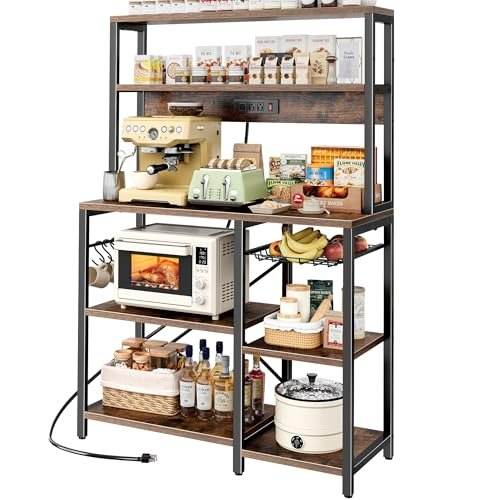
 Rustic brown 4-tier bakers rack with a built-in power outlet and 6 S-shaped hooks, a budget-friendly alternative to the Superjare model
This model offers nearly all the same features as the higher-priced Superjare rack, including a UL-listed built-in power outlet, 4 tiers of storage, and 6 S-shaped hooks for hanging utensils, at a slightly lower price point. It’s a great pick for budget-conscious buyers who want the convenience of an on-cart outlet for their coffee machine or microwave. The 220 lb weight capacity matches most standard full-sized appliances, and the rustic brown finish pairs well with most kitchen decor styles. The only minor trade-off is slightly thinner shelf material than the Superjare model, but it still holds up well to standard kitchen use.
Rustic brown 4-tier bakers rack with a built-in power outlet and 6 S-shaped hooks, a budget-friendly alternative to the Superjare model
This model offers nearly all the same features as the higher-priced Superjare rack, including a UL-listed built-in power outlet, 4 tiers of storage, and 6 S-shaped hooks for hanging utensils, at a slightly lower price point. It’s a great pick for budget-conscious buyers who want the convenience of an on-cart outlet for their coffee machine or microwave. The 220 lb weight capacity matches most standard full-sized appliances, and the rustic brown finish pairs well with most kitchen decor styles. The only minor trade-off is slightly thinner shelf material than the Superjare model, but it still holds up well to standard kitchen use.
Best for Small Apartments: Sungaryard 3-Tier Rolling Kitchen Cart
 White 3-tier rolling cart with a metal handle and 8 side hooks, ideal for multi-use small spaces
At just 15 inches wide, this ultra-slim cart fits in even the tightest galley kitchens, behind doors, or next to a fridge. The 8 side hooks are perfect for hanging coffee mugs, measuring cups, or dish towels, and the metal handle adds extra stability when moving the cart full of items. It’s versatile enough to use as a bathroom storage cart, office supply organizer, or entryway key holder when you’re not using it for coffee. The 150 lb weight capacity works for standard small coffee makers and accessories, but it’s not suitable for full-sized microwaves or heavy stand mixers. For easy cleaning of sticky syrup or coffee ground spills, use a heavy-duty cleaning brush to scrub the metal and wood surfaces without scratching.
White 3-tier rolling cart with a metal handle and 8 side hooks, ideal for multi-use small spaces
At just 15 inches wide, this ultra-slim cart fits in even the tightest galley kitchens, behind doors, or next to a fridge. The 8 side hooks are perfect for hanging coffee mugs, measuring cups, or dish towels, and the metal handle adds extra stability when moving the cart full of items. It’s versatile enough to use as a bathroom storage cart, office supply organizer, or entryway key holder when you’re not using it for coffee. The 150 lb weight capacity works for standard small coffee makers and accessories, but it’s not suitable for full-sized microwaves or heavy stand mixers. For easy cleaning of sticky syrup or coffee ground spills, use a heavy-duty cleaning brush to scrub the metal and wood surfaces without scratching.
Best Rustic Coffee Bar: Hencawima Coffee Bar Cabinet
 Rustic brown 3-tier coffee bar cabinet with a wire basket drawer and 5 hooks for hanging mugs
If you want a coffee station that looks like a permanent fixture but keeps the flexibility of a wheeled cart, this model is ideal. The wire basket drawer is perfect for storing coffee pods, filters, or loose tea bags, and the 5 hooks let you hang your favorite mugs for easy access. The 3 tiers can fit a standard drip coffee maker on top, syrups and sweeteners on the middle shelf, and extra supplies on the bottom. The rustic brown finish pairs well with cottage, farmhouse, and traditional kitchen decor, and the lockable wheels keep it stable when in use. A common user note: the wire basket is not ideal for very small items like individual coffee pods, so pair it with a small storage bin for those.
Rustic brown 3-tier coffee bar cabinet with a wire basket drawer and 5 hooks for hanging mugs
If you want a coffee station that looks like a permanent fixture but keeps the flexibility of a wheeled cart, this model is ideal. The wire basket drawer is perfect for storing coffee pods, filters, or loose tea bags, and the 5 hooks let you hang your favorite mugs for easy access. The 3 tiers can fit a standard drip coffee maker on top, syrups and sweeteners on the middle shelf, and extra supplies on the bottom. The rustic brown finish pairs well with cottage, farmhouse, and traditional kitchen decor, and the lockable wheels keep it stable when in use. A common user note: the wire basket is not ideal for very small items like individual coffee pods, so pair it with a small storage bin for those.
Best Adjustable Storage: Keomaisyto Kitchen Serving Storage Cart
 Brown 3-tier rolling cart with adjustable shelves and a pull-out drawer, suitable for multi-room use
The adjustable shelves on this cart are a standout feature for anyone who stores items of varying heights, from a tall French press to short spice jars. You can reconfigure the shelf spacing in minutes without tools, making it easy to adapt to changing storage needs. The pull-out drawer is perfect for storing napkins, stirrers, and small coffee accessories, and the lockable swivel wheels make it easy to move between the kitchen, dining room, or even outdoors for backyard barbecues. The only downside is the limited color selection (only brown is available), but the neutral finish pairs well with most decor styles.
Brown 3-tier rolling cart with adjustable shelves and a pull-out drawer, suitable for multi-room use
The adjustable shelves on this cart are a standout feature for anyone who stores items of varying heights, from a tall French press to short spice jars. You can reconfigure the shelf spacing in minutes without tools, making it easy to adapt to changing storage needs. The pull-out drawer is perfect for storing napkins, stirrers, and small coffee accessories, and the lockable swivel wheels make it easy to move between the kitchen, dining room, or even outdoors for backyard barbecues. The only downside is the limited color selection (only brown is available), but the neutral finish pairs well with most decor styles.
Best Farmhouse Style: X-cosrack Coffee Bar Stand Station Cart
 Black and brown 3-tier farmhouse-style coffee cart with an extended worktop and storage drawer
The extended worktop on this cart gives you extra space for preparing pour-over coffee, building a charcuterie board, or setting up a drink station for guests. The storage drawer is perfect for keeping napkins, stirrers, and small utensils out of sight, and the farmhouse-style black and brown finish pairs well with rustic, modern farmhouse, and industrial kitchen decor. It’s compact enough to fit in a corner or next to a fridge, and the sturdy metal frame can hold up to 180 lbs of weight. The only trade-off is the lack of lockable wheels, so it’s best for low-traffic areas without heavy appliances.
Black and brown 3-tier farmhouse-style coffee cart with an extended worktop and storage drawer
The extended worktop on this cart gives you extra space for preparing pour-over coffee, building a charcuterie board, or setting up a drink station for guests. The storage drawer is perfect for keeping napkins, stirrers, and small utensils out of sight, and the farmhouse-style black and brown finish pairs well with rustic, modern farmhouse, and industrial kitchen decor. It’s compact enough to fit in a corner or next to a fridge, and the sturdy metal frame can hold up to 180 lbs of weight. The only trade-off is the lack of lockable wheels, so it’s best for low-traffic areas without heavy appliances.
Best Heavy-Duty Option: Microwave Kitchen Cart with Push Handle
 Vintage-style brown rolling cart with a push handle, lockable wheels, and 210 lb weight capacity
If you want to store a full-sized microwave, stand mixer, or large espresso machine on your coffee cart, this heavy-duty model is built to handle the weight. The 210 lb capacity is double that of most standard small coffee carts, and the lockable wheels keep it stable even when fully loaded. The push handle makes it easy to maneuver the cart across thick rugs or uneven tile, and the vintage brown finish adds a warm, timeless touch to any kitchen. The only downside is its larger footprint (24 inches wide) which may not fit in extremely small galley kitchens.
Vintage-style brown rolling cart with a push handle, lockable wheels, and 210 lb weight capacity
If you want to store a full-sized microwave, stand mixer, or large espresso machine on your coffee cart, this heavy-duty model is built to handle the weight. The 210 lb capacity is double that of most standard small coffee carts, and the lockable wheels keep it stable even when fully loaded. The push handle makes it easy to maneuver the cart across thick rugs or uneven tile, and the vintage brown finish adds a warm, timeless touch to any kitchen. The only downside is its larger footprint (24 inches wide) which may not fit in extremely small galley kitchens.
Best Minimalist Pick: Qsun Rolling Kitchen Island Cart
 Minimalist white rolling kitchen island with a pull-out drawer and side hook, ideal for modern small kitchens
The clean, all-white design of this cart blends seamlessly with modern, minimalist, and Scandinavian kitchen decor, and its slim 16-inch width fits easily in tight spaces next to a fridge or sink. The pull-out drawer is perfect for storing small coffee accessories, and the side hook lets you hang a dish towel or oven mitt for easy access. The lockable swivel wheels keep it stable when in use, and the 150 lb weight capacity works for standard small coffee makers and accessories. It’s a great pick for anyone who wants a functional cart that doesn’t stand out in their decor.
Minimalist white rolling kitchen island with a pull-out drawer and side hook, ideal for modern small kitchens
The clean, all-white design of this cart blends seamlessly with modern, minimalist, and Scandinavian kitchen decor, and its slim 16-inch width fits easily in tight spaces next to a fridge or sink. The pull-out drawer is perfect for storing small coffee accessories, and the side hook lets you hang a dish towel or oven mitt for easy access. The lockable swivel wheels keep it stable when in use, and the 150 lb weight capacity works for standard small coffee makers and accessories. It’s a great pick for anyone who wants a functional cart that doesn’t stand out in their decor.
Styling Your Coffee Cart to Match Your Kitchen Decor
A coffee cart doesn’t just have to be functional – it can be a stylish focal point in your kitchen. Here are tips to style it to match your decor:
- Rustic/Farmhouse: Pair a wood-finish cart with ceramic mugs, a vintage coffee grinder, small potted herbs like mint or rosemary, and a woven basket for coffee pods. Add a small string of fairy lights around the base for a cozy touch.
- Modern/Minimalist: Opt for a white or black metal cart, and keep styling to a minimum: a sleek pour-over set, a stack of neutral mugs, and a small stainless steel canister for coffee beans. Avoid cluttering the tiers to keep the look clean.
- Industrial: Choose a cart with a metal frame and dark wood shelves, and add accessories like a copper moka pot, matte black mug set, and a small concrete planter for a sleek, edgy look.
- Bohemian: Use a rattan or woven cart (if available in your budget) and add colorful ceramic mugs, a patterned table runner, small potted succulents, and a macramé wall hanging next to the cart for a playful, personalized touch. Pro tip: Add a small non-slip mat under your coffee machine to protect the cart’s surface from spills and heat damage, and use vertical storage like mug hooks to free up tier space for other items.
Safety and Maintenance Tips for Long-Lasting Use
To keep your coffee cart safe and functional for years, follow these simple guidelines:
- Secure the cart when in use: Always lock the wheels before placing heavy appliances or hot drinks on the cart to prevent tipping or sliding. If your cart doesn’t have lockable wheels, you can use no-drill securing hardware to keep it in place. For additional guidance on safe use of rolling furniture in homes with children, refer to CPSC safety recommendations for household carts.
- Observe weight limits: Never exceed the manufacturer’s listed weight capacity, as this can cause the cart to tip or break. For reference, a standard 12-cup drip coffee maker weighs 5–10 lbs, while a full-sized espresso machine can weigh 15–30 lbs.
- Childproof if needed: If you have young children, secure any drawers or cabinet doors on the cart with childproofing accessories to keep small coffee pods, batteries, or sharp utensils out of reach.
- Clean regularly: Wipe down surfaces after each use to remove coffee grounds, syrup spills, and water stains. For stuck-on grime, use a heavy-duty cleaning brush to scrub without damaging wood or metal finishes. Avoid abrasive cleaners that can scratch surfaces.
- Avoid heat damage: Don’t place hot mugs, coffee machines, or kettles directly on MDF or wood shelves without a trivet or silicone mat, as prolonged heat can cause warping or discoloration.
Frequently Asked Questions
What are the benefits of a small coffee cart for a kitchen?
A small coffee cart solves common small kitchen pain points by adding movable, compact storage without permanent renovations. It keeps coffee essentials (machines, mugs, beans, filters) organized in one dedicated spot, freeing up cluttered counter space. The mobility of wheels lets you tuck the cart away when not in use, or roll it next to your dining area for hosting. Many carts also double as serving trolleys, prep stations, or microwave stands, adding extra functionality beyond coffee storage. For renters, it’s a non-permanent solution that you can take with you when you move.
How do I choose the right small coffee cart for my kitchen?
Start by measuring the space where you plan to store the cart, including clearance for wheels and handles, to ensure it fits. Next, list what you’ll store: if you have a full-sized espresso machine or microwave, prioritize a model with a 200+ lb weight capacity and sturdy locking wheels. If you have limited counter space, look for a cart with enclosed cabinets or drawers to hide clutter. Finally, pick a finish that matches your kitchen decor: neutral whites and browns work for most spaces, while bold colors or farmhouse finishes add personality.
Can I use a coffee cart for more than just coffee storage?
Absolutely. Most small coffee carts are versatile enough to use as bathroom storage, office supply organizers, entryway key holders, or serving trolleys for parties. The enclosed storage and hooks work for everything from toiletries to craft supplies, making it a multi-use investment for any small space.
How do I keep my coffee cart organized?
Start by grouping like items together: store coffee pods and filters in the top tier for easy access, keep mugs on hooks or in an open shelf, and tuck less-used items like extra syrups or seasonal mugs in closed cabinets or drawers. Use small stackable bins to corral small items like stirrers, sugar packets, and tea bags to avoid clutter. Wipe down surfaces weekly to remove spills and keep the cart looking tidy.
Are coffee carts easy to assemble?
Most models come with pre-drilled holes, all necessary hardware, and step-by-step instructions, and assembly takes 30–60 minutes with a standard screwdriver. Some brands also offer video tutorials for visual guidance. A common mistake is skipping pre-assembly checks: lay out all parts and hardware first to ensure nothing is missing before you start building.
Are coffee carts safe for use with hot appliances?
Yes, as long as you follow basic safety guidelines. Always lock the cart’s wheels before using a hot coffee machine or kettle to prevent sliding. Place a silicone trivet or mat under hot appliances to protect the cart’s surface from heat damage, and never leave a hot appliance unattended on the cart. If you have young children, keep the cart away from the edge of countertops and secure any drawers or cabinets with childproof latches.
Final Thoughts
A small coffee cart for your kitchen is more than just a storage solution – it’s a simple, low-cost way to transform a cluttered, unused corner into a functional, stylish coffee hub that makes your daily routine easier. Whether you’re a renter with limited modification options, a small kitchen owner fighting for counter space, or a coffee enthusiast who loves hosting, there’s a model on the market that fits your budget, style, and storage needs. Prioritize features that match your daily routine: lockable wheels for homes with kids, a built-in power outlet if you don’t have a nearby outlet, or adjustable shelves if you store items of varying sizes. With proper care and safety precautions, a high-quality coffee cart will last for years, adding value to your kitchen and your daily coffee experience.
Ready to find the perfect cart for your space? Browse our top picks above to find a model that matches your style and storage needs, and check out our kitchen organization blog for more tips to maximize your small kitchen’s functionality.

Hi, I’m Daniel Brooks—a food lover and kitchen gear enthusiast. I enjoy testing cookware, utensils, and gadgets to see what really works in everyday cooking. At PlugChef.com, I share honest reviews, comparisons, and simple guides to help you choose the best tools for a safer, smarter, and more enjoyable kitchen.
Similar Posts