
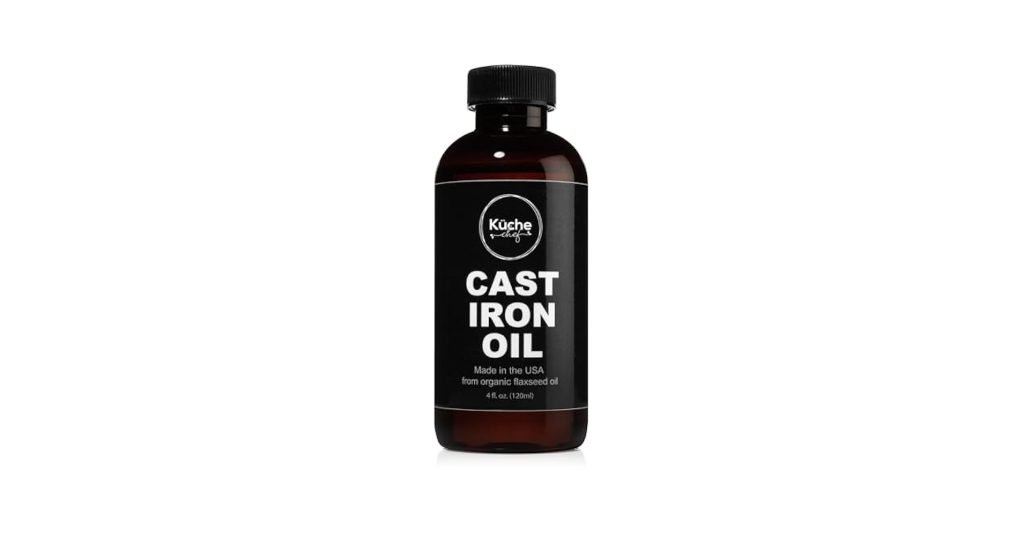
If you want your cast iron pan to last a lifetime and cook like a dream, seasoning it properly is key. But not all oils are created equal when it comes to seasoning.
Flaxseed oil has become a favorite for many because of its unique ability to create a hard, durable layer on your pan. You’ll discover why flaxseed oil might be the secret ingredient your cast iron needs. Get ready to learn how to season your pan the right way, so every meal you make turns out perfectly cooked and easy to clean.
Keep reading, and transform your cast iron experience forever.

Credit: www.amazon.com
Benefits Of Flaxseed Oil
Flaxseed oil stands out as a popular choice for seasoning cast iron pans because of its unique properties that help create a strong, lasting coating. Using flaxseed oil can transform your cookware, making it easier to cook with and clean. Let’s look at what makes this oil so effective and why you might want to choose it over other oils.
Natural Polymerization Properties
Flaxseed oil is rich in omega-3 fatty acids, which allow it to polymerize naturally when heated. This means it forms a hard, protective layer on your cast iron surface as it dries and cures. Unlike oils that just sit on the pan, flaxseed oil actually bonds to the metal, creating a tougher seasoning.
Have you noticed how some oils leave a sticky residue? Flaxseed oil’s polymerization helps avoid that problem by turning into a solid layer instead of a greasy film.
Durable Non-stick Surface
The layer formed by flaxseed oil is incredibly durable. It resists peeling and chipping, which means your pan maintains its non-stick qualities longer. This durability saves you time and effort in the kitchen because food slides off easily and cleaning becomes simpler.
If you value a pan that improves with use, flaxseed oil seasoning can enhance your cooking experience over time.
Food-safe And Non-toxic
One major benefit of flaxseed oil is that it is completely food-safe and non-toxic. When it cures properly, it doesn’t release harmful chemicals or unpleasant odors. This makes it a healthier option compared to some synthetic coatings or other oils that can degrade under high heat.
Are you concerned about what chemicals might be in your cookware? Using flaxseed oil ensures you’re seasoning your cast iron with a natural, safe product that’s good for you and your family.

Credit: www.amazon.com
Choosing Quality Flaxseed Oil
Choosing the right flaxseed oil is crucial for seasoning your cast iron pan effectively. Not all flaxseed oils are created equal, and picking the best one can affect the durability and finish of your pan’s seasoning layer. Understanding the differences between types of flaxseed oil and how to maintain their quality will help you get the most out of your seasoning process.
Cold-pressed Vs Refined
Cold-pressed flaxseed oil is extracted without heat, preserving its natural nutrients and flavor. This type usually works best for seasoning because it polymerizes well, creating a hard, durable layer on your cast iron. Refined flaxseed oil, on the other hand, undergoes heat and chemical treatments, which can reduce its effectiveness for seasoning.
If you want a strong, long-lasting seasoning, choose cold-pressed flaxseed oil labeled as “organic” or “extra virgin.” This ensures minimal processing and better performance. Have you checked the label carefully to confirm the extraction method before buying?
Storage Tips For Freshness
Flaxseed oil is sensitive to light, heat, and air, which can cause it to spoil quickly. To keep your oil fresh, store it in a dark glass bottle away from direct sunlight. Refrigeration after opening is also a smart move to slow down oxidation.
Always seal the bottle tightly to prevent air exposure. Think about how often you use the oil—buy smaller bottles if you don’t season your cast iron frequently to avoid waste. Have you ever noticed a change in your oil’s smell or color? That’s a sign it may be losing its freshness.
Avoiding Rancid Oil
Using rancid flaxseed oil can ruin your seasoning and leave an unpleasant smell on your cast iron. Rancidity happens when the oil oxidizes and breaks down, often resulting in a bitter or sour odor. If your oil smells off or tastes strange, it’s time to replace it.
Check the expiration date and trust your senses. Sometimes, even before the date, oil can go bad if it’s not stored properly. Have you ever seasoned a pan and ended up with a sticky or uneven coating? Poor oil quality might be the culprit.
Preparing Cast Iron For Seasoning
Clean the cast iron thoroughly using warm water and a brush to remove rust or dirt. Dry it completely before applying flaxseed oil for seasoning. Ensure the surface is smooth and free of moisture to help the oil bond well.
Preparing your cast iron skillet for seasoning with flaxseed oil is a crucial step in maintaining its non-stick surface and longevity. A well-seasoned pan can transform your cooking experience, providing an even cooking surface and improving the flavor of your dishes. To achieve this, you need to start with a clean slate. Here’s how you can prepare your cast iron for a fresh coat of seasoning.Cleaning And Drying
Begin by scrubbing your cast iron skillet with warm water and a mild dish soap. Use a stiff brush or a non-metal scrubber to remove any food particles and grime. Rinse thoroughly to ensure no soap residue is left behind. Once clean, it’s essential to dry your skillet completely to prevent rust. Use a clean towel to pat it dry, then place it on a stovetop over low heat. This will evaporate any remaining moisture and prepare the surface for seasoning.Removing Old Seasoning
If your skillet has old, flaky seasoning, it’s best to remove it for a fresh start. You can do this by placing the skillet upside down in an oven set to 450°F (230°C) for an hour. This process will loosen the old seasoning. After the oven treatment, scrub the pan again using a mixture of coarse salt and water. This abrasive method will help remove any remaining residue. Rinse and dry thoroughly before proceeding.Inspecting For Rust
Check your skillet for any signs of rust, especially around the edges and handle. Rust can damage your skillet over time if left unchecked. To remove rust, use a fine steel wool pad to scrub the affected areas until the rust is gone. Rinse and dry immediately to prevent further rusting. Preparing your cast iron correctly ensures the new seasoning bonds well, providing you with a reliable kitchen companion. Are you ready to give your skillet the care it deserves?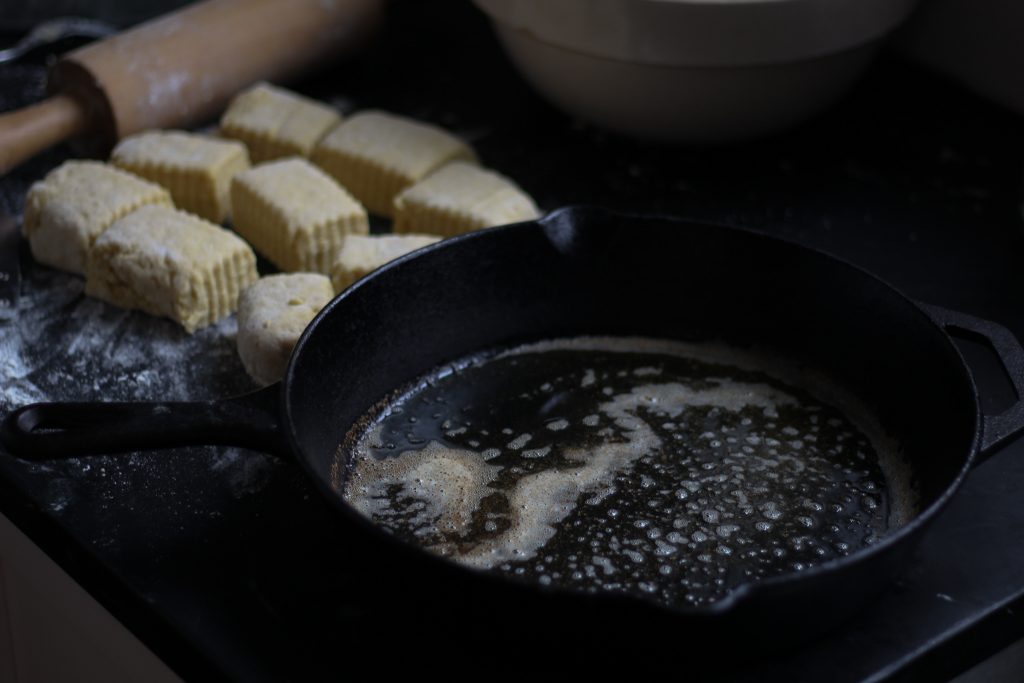
Credit: hopewellheightsblog.com
Step-by-step Seasoning Process
Seasoning cast iron with flaxseed oil creates a strong, durable coating. This process protects your cookware from rust and creates a natural non-stick surface. A careful, step-by-step approach ensures the best results and long-lasting seasoning.
Applying Thin Oil Layers
Start with a clean, dry cast iron surface. Use a lint-free cloth or paper towel to apply flaxseed oil. Spread a very thin layer over the entire surface, inside and out. Remove any excess oil to avoid sticky patches. Thin layers help build a smooth, even coating.
Heating Techniques And Temperatures
Preheat your oven to 450°F (232°C). Place the cast iron upside down on the oven rack. Put a baking sheet or foil below to catch drips. Heat the pan for one hour to polymerize the oil. Turn off the oven and let the pan cool inside. This process bonds the oil to the metal.
Number Of Coats For Best Results
Apply multiple thin coats for a strong seasoning. Three to five layers work well for most cast iron. Repeat the oiling and heating process for each coat. More coats build a thicker, more durable surface. Patience during seasoning improves your pan’s performance.
Common Mistakes To Avoid
Seasoning cast iron with flaxseed oil requires care and attention. Many beginners make simple mistakes that harm their pan instead of protecting it. Avoiding these errors saves time and improves your pan’s performance.
Using Too Much Oil
Applying too much flaxseed oil creates sticky, uneven layers. The oil should coat the surface lightly and evenly. Excess oil pools and forms sticky spots that never fully cure. Thin layers dry better and produce a smooth, durable finish.
Skipping Cleaning Steps
Skipping thorough cleaning before seasoning traps dirt and old residue. These block oil from bonding with the metal. Always wash your pan with warm water and mild soap. Dry it completely to prevent rust before applying oil.
Incorrect Oven Settings
Setting the oven temperature too low stops oil from polymerizing properly. Too high heat can cause smoke and damage the seasoning. The ideal temperature for flaxseed oil seasoning is around 450°F (232°C). Use a reliable oven thermometer to maintain this heat steadily.
Maintaining Seasoned Cast Iron
Maintaining seasoned cast iron is key to its long life and great cooking results. Proper care keeps the protective layer strong. This layer stops rust and makes food release easier. Regular attention preserves the seasoning and improves the pan’s performance.
Proper Cleaning Methods
Clean cast iron right after cooking. Use warm water and a soft brush or sponge. Avoid soap or harsh detergents that can strip the seasoning. For stuck food, scrub gently with coarse salt and water. Dry the pan completely to stop rust.
Reapplying Oil After Use
Apply a thin coat of flaxseed oil after each use. This helps keep the surface smooth and shiny. Use a paper towel to spread the oil evenly. Heat the pan on low for a few minutes to let the oil soak in. This strengthens the seasoning layer.
Storage Best Practices
Store cast iron in a dry place. Avoid stacking pans without protection to prevent scratches. Place a paper towel or cloth between pans if stacking is needed. Keep the pan uncovered or lightly covered to stop moisture buildup.
Troubleshooting Seasoning Issues
Seasoning cast iron with flaxseed oil can sometimes bring challenges. Problems like sticky surfaces, uneven coating, and rust spots can appear. These issues affect the pan’s performance and lifespan. Understanding how to fix them helps keep your cast iron in top shape.
Sticky Or Flaky Surface
A sticky or flaky surface often means the oil did not polymerize correctly. This happens if the oil is heated too low or too high. Use an oven thermometer to check the temperature is around 450°F (232°C). Apply a very thin layer of flaxseed oil. Too much oil creates a sticky finish. Bake the pan for one hour, then cool it slowly. Repeat this process with thin layers for a smooth, hard surface.
Uneven Seasoning
Uneven seasoning shows as patches or dull spots on the pan. This occurs when the oil is not spread evenly. Use a lint-free cloth or paper towel to wipe the oil across the entire surface. Avoid pooling oil in any spot. Rotate the pan in the oven during seasoning for even heat exposure. Multiple thin coats build a balanced, shiny layer over time.
Handling Rust Spots
Rust spots can form if the pan stays wet or is not dried properly. Remove rust by scrubbing with steel wool or a stiff brush. Rinse and dry completely. Re-season the affected area with a thin layer of flaxseed oil. Heat the pan in the oven to restore the protective coating. Regular drying and light oiling after use prevent rust from returning.
Comparing Flaxseed Oil To Other Oils
Choosing the right oil for seasoning your cast iron skillet can make all the difference in how well your pan performs and lasts. Flaxseed oil stands out among many options, but how does it truly compare to more common oils like vegetable oil? Understanding these differences helps you decide what’s best for your cooking routine and your cast iron’s care.
Advantages Over Vegetable Oil
Flaxseed oil forms a harder, more durable seasoning layer compared to vegetable oil. This is because flaxseed oil is a drying oil, which means it polymerizes and creates a solid, protective coating when heated properly.
Vegetable oil often leaves a softer, stickier seasoning that can peel or wear off quickly. If you want a smooth, non-stick surface that improves with each use, flaxseed oil offers a noticeable edge.
Have you noticed your vegetable oil seasoning flaking off after a few uses? Switching to flaxseed oil might save you the hassle of frequent re-seasoning.
Longevity And Durability
Seasoning with flaxseed oil results in a longer-lasting finish that resists damage from cooking and cleaning. Over time, this means less time spent maintaining your pan and more time cooking.
Vegetable oils tend to break down faster under high heat, especially if not applied correctly. This can lead to patchy seasoning and uneven cooking surfaces.
Think about how often you’ve had to strip and re-season your pan. Using flaxseed oil can reduce this need and keep your skillet in better shape for years.
Cost And Availability
One downside of flaxseed oil is its price—it’s generally more expensive than common vegetable oils. However, a little goes a long way when seasoning, so you don’t need large quantities.
Flaxseed oil isn’t always found in every grocery store, which might require a special trip or ordering online. Vegetable oils, on the other hand, are widely available and budget-friendly.
Consider whether the extra investment in flaxseed oil is worth the enhanced seasoning quality for your cooking style and how often you use your cast iron cookware.
Frequently Asked Questions
What Makes Flaxseed Oil Ideal For Seasoning Cast Iron?
Flaxseed oil has a high concentration of polyunsaturated fats. These fats polymerize well, forming a durable, non-stick coating on cast iron. It creates a smooth, hard layer that resists rust and improves cooking performance over time.
How Often Should I Season Cast Iron With Flaxseed Oil?
Seasoning frequency depends on usage, but generally once a month is good. Frequent use and cleaning may require more seasoning to maintain the protective layer and prevent rust.
Can I Use Flaxseed Oil Instead Of Other Oils For Seasoning?
Yes, flaxseed oil is preferred for its strong polymerization properties. It creates a harder, longer-lasting seasoning than many other oils like vegetable or canola oil.
Is Flaxseed Oil Seasoning Safe For Cooking?
Absolutely. Once baked onto the cast iron, flaxseed oil forms a stable, non-toxic surface. It’s safe and enhances the pan’s natural non-stick qualities.
Conclusion
Seasoning cast iron with flaxseed oil creates a strong, smooth surface. It helps prevent rust and keeps food from sticking. The process takes time but gives great results. Use thin layers and bake at the right temperature. Careful seasoning makes your pan last for years.
Enjoy cooking with a well-seasoned cast iron skillet every day. Simple steps bring long-term benefits to your kitchen tools.

Hi, I’m Daniel Brooks—a food lover and kitchen gear enthusiast. I enjoy testing cookware, utensils, and gadgets to see what really works in everyday cooking. At PlugChef.com, I share honest reviews, comparisons, and simple guides to help you choose the best tools for a safer, smarter, and more enjoyable kitchen.
Related posts:
 What Type of Cooking Utensils are Safe: Expert Picks
 What Innovations Could Blenders Make: Unleashing Future Tech
 Smart Strategies to Organize a Small Kitchen: Maximize Space
 How to Organize a Kitchen Cabinet: Expert Tips & Tricks
 How to Organize Kitchen Drawers: Expert Tips and Tricks
 How to Organize a Corner Kitchen Cupboard: Expert Tips

