
If you love grilling but dread the cleanup, you’re not alone. Cleaning your gas grill grates can feel like a tough, greasy chore.
But what if there was a simple, natural way to make those grates shine again without harsh chemicals? Using vinegar to clean your gas grill grates is easy, effective, and safe. You’ll discover how vinegar can help you restore your grill quickly, so you can spend less time scrubbing and more time enjoying delicious meals.
Keep reading to learn the step-by-step method that will change the way you clean your grill forever.

Credit: www.amazon.com
Why Vinegar Works
Vinegar is a popular choice for cleaning gas grill grates. It works well because of its unique properties. Understanding why vinegar cleans so effectively helps you use it better. The natural qualities of vinegar target grease and grime without harming your grill.
Acidic Properties
Vinegar contains acetic acid, which breaks down tough residues. This acid loosens burnt food and carbon buildup. It dissolves mineral deposits and rust spots gently. The acidity helps lift grime from the grill’s surface. This makes scrubbing easier and faster.
Natural Degreaser
Vinegar cuts through grease and oily stains effectively. It dissolves fat without harsh chemicals. This makes it ideal for cleaning grill grates covered in grease. Vinegar removes sticky residue left by cooking oils. It leaves the grates clean and fresh.
Safe For Grill Surfaces
Vinegar is gentle on metal and enamel surfaces. It does not cause damage or corrosion when used correctly. Unlike strong chemicals, vinegar is non-toxic and eco-friendly. It keeps your grill safe and extends its lifespan. Vinegar cleans without harming the finish or structure.
Credit: www.rd.com
Gathering Supplies
Gathering the right supplies makes cleaning gas grill grates with vinegar easier and more effective. Prepare everything before you start. This saves time and avoids frustration during the process.
Types Of Vinegar To Use
White distilled vinegar is the best choice. It is strong and affordable. Apple cider vinegar works too but is less acidic. Avoid using flavored or colored vinegars. They may leave stains or smells on the grill grates.
Additional Cleaning Tools
- Spray bottle to apply vinegar evenly
- Scrub brush with stiff bristles for tough grime
- Steel wool or scouring pad for stuck-on residue
- Old cloth or sponge for wiping
- Bucket for mixing vinegar and water if dilution is needed
Safety Gear
- Rubber gloves to protect your hands from vinegar’s acidity
- Safety glasses to shield your eyes from splashes
- Apron or old clothing to avoid stains
- Work in a well-ventilated area to reduce fumes
Preparing The Grill Grates
Vinegar is a great cleaning agent for gas grill grates. Preparing the grill grates correctly ensures a smooth cleaning process. Let’s dive into the steps for preparing your grill grates for cleaning with vinegar.
Removing Grates Safely
First, ensure the grill is cool before handling. Wear gloves to protect your hands. Carefully lift the grates out of the grill. Place them on a stable surface for cleaning.
Initial Cleaning Steps
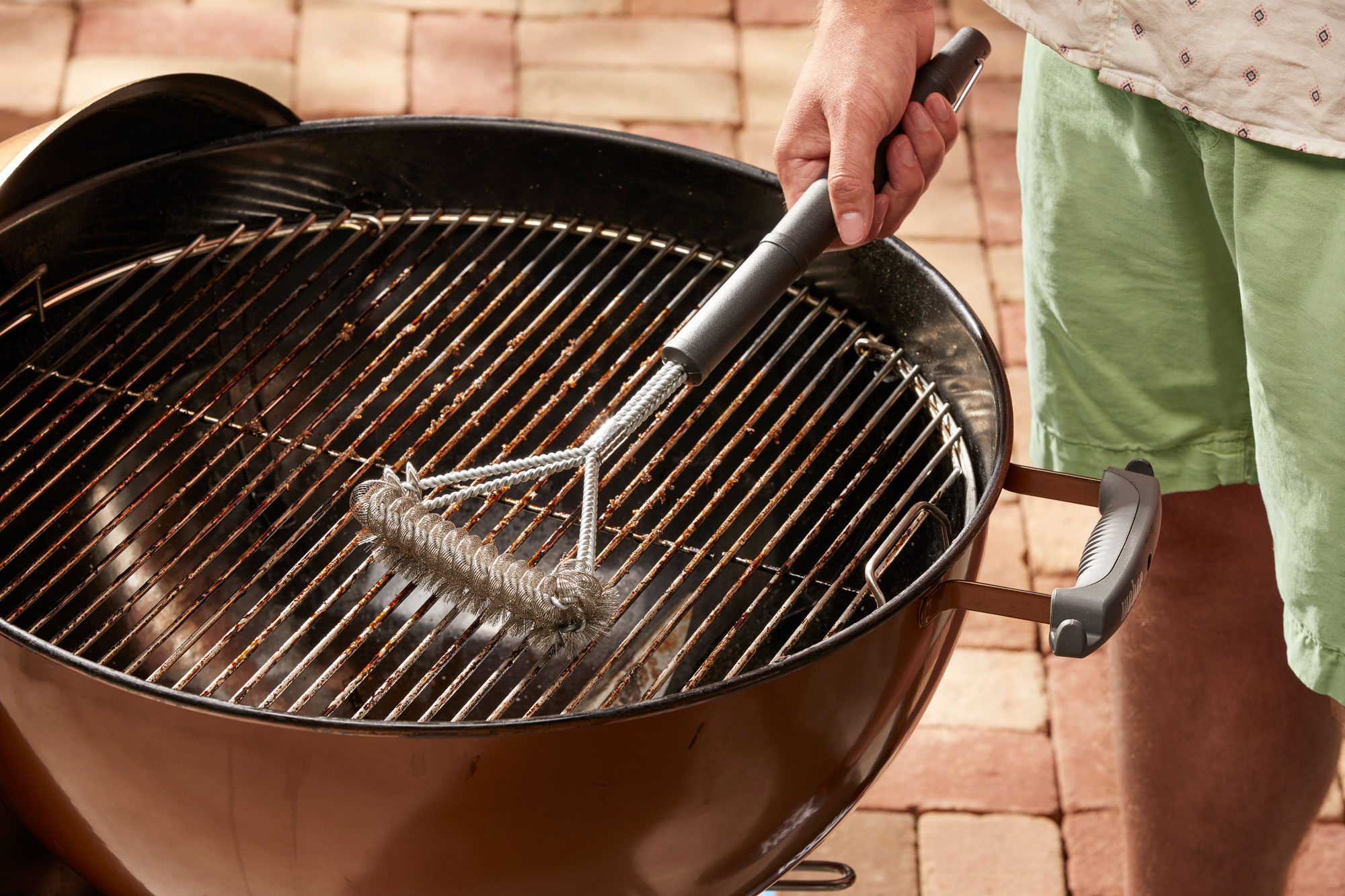
Brush off loose debris using a grill brush. Remove any large food particles. This makes the vinegar soak more effective. Rinse the grates with warm water to remove excess dirt.
Soaking Tips
Fill a container with equal parts water and vinegar. Submerge the grates completely in the solution. Let them soak for at least an hour. For tough grime, soak overnight. This loosens stubborn residue, making it easier to scrub away.
Applying Vinegar For Cleaning
Applying vinegar for cleaning gas grill grates is simple and effective. Vinegar’s natural acidity breaks down grease and grime. It helps restore the grates to their clean, shiny state. This method is safe and uses common household vinegar.
The cleaning process varies based on how you apply the vinegar. Spraying, soaking, and scrubbing are popular techniques. Each method targets tough residue and burnt food remains.
Spray Method
Fill a spray bottle with white vinegar. Spray the grates evenly with vinegar. Let the vinegar sit for 10 to 15 minutes. This softens the grease and food particles. Wipe the grates with a clean cloth or sponge. Repeat if needed for stubborn spots.
Soak Method
Remove the grates from the grill. Place them in a large container or sink. Pour enough vinegar to cover the grates fully. Let them soak for 30 minutes to one hour. The vinegar loosens burnt-on debris. Rinse the grates with warm water after soaking.
Scrubbing Techniques
After spraying or soaking, use a brush to scrub. A grill brush or a stiff-bristle brush works best. Focus on areas with stuck food or grease. Use circular motions to lift residue gently. Rinse the grates thoroughly to remove vinegar and loosened dirt.
Dealing With Stubborn Residue
Stubborn residue on gas grill grates can be frustrating. Regular cleaning might not always remove tough, baked-on grease or char. Tackling these spots requires a bit more effort and smart techniques to restore your grill to a clean, ready-to-use condition.
Using Baking Soda Paste
Baking soda is a gentle abrasive that helps lift stubborn grime without damaging your grill grates. Mix baking soda with a small amount of water to create a thick paste. Apply this paste directly to the tough residue and let it sit for 15-20 minutes.
After waiting, scrub the area with a grill brush or a non-scratch scrubber. This method works well because baking soda breaks down grease while the scrubbing action loosens debris. Have you noticed how much easier cleaning gets when you let the paste do some of the work first?
Repeated Vinegar Applications
Vinegar is a natural cleaner that cuts through grease effectively, but sometimes one application isn’t enough. Spray your grill grates with white vinegar and let it soak for 10 minutes before scrubbing. If residue remains, repeat the spraying and scrubbing process several times.
Each application softens the buildup a bit more, making it easier to remove with each pass. Consider using a spray bottle for easy application and even coverage. How often do you give your grill grates this kind of detailed attention?
Alternative Natural Cleaners
If vinegar and baking soda don’t fully do the job, other natural options can help. Lemon juice works similarly to vinegar because of its acidity, breaking down grease and grime. You can also try a mixture of salt and lemon for extra scrubbing power.
- Rub salt onto the grates after applying lemon juice.
- Let the mixture sit for 10 minutes.
- Scrub away residue with a brush.
These alternatives are not only effective but also safe and eco-friendly. What natural cleaner do you think fits best in your regular grill maintenance routine?

Credit: www.amazon.com
Rinsing And Drying
Rinsing and drying your gas grill grates after cleaning with vinegar is essential. This process removes vinegar residue and prevents damage. Proper rinsing ensures no leftover acid harms the metal. Drying stops rust from forming and keeps the grill ready for use.
Proper Rinsing Methods
Use warm water to rinse the grates thoroughly. Avoid harsh sprays that could damage the metal. A gentle flow removes vinegar and loosened debris. Rinse until no vinegar smell remains. Using a soft brush during rinsing helps remove stuck particles.
Drying To Prevent Rust
Dry the grates completely after rinsing. Use a clean towel or cloth to wipe them down. Air drying can work but takes longer. Moisture left on grates causes rust and corrosion. Ensure all water drops are removed from crevices.
Reassembling The Grill
Place the grates back in their original positions carefully. Check for any remaining moisture before reassembly. Tighten all parts securely to avoid instability. Reassembling properly ensures even heat and safe grilling. Test the grill briefly to confirm everything fits well.
Maintenance Tips
Keeping your gas grill grates clean with vinegar isn’t just about a deep scrub after every use. It’s about a smart maintenance routine that saves you time and effort in the long run. Let’s look at some practical tips to keep those grates spotless and ready for your next barbecue.
Regular Cleaning Schedule
Set a cleaning routine that fits your grilling frequency. If you grill often, aim to clean the grates with vinegar at least once a week. This prevents buildup and keeps rust at bay.
For lighter use, a monthly vinegar soak followed by a thorough rinse can work well. Consistency here means you avoid tough grime that’s harder to remove later.
Post-cooking Quick Clean
Right after cooking, while the grill is still warm, wipe down the grates with a vinegar-soaked cloth or spray. This quick action softens grease and food residue, making deep cleaning easier later.
Have you tried heating the grill for a few minutes after wiping? It helps evaporate moisture, reducing rust risks. A simple step that saves you from stubborn stains next time.
Storage Advice
When not in use, protect your grates by coating them lightly with vegetable oil after cleaning with vinegar. This creates a barrier against moisture and keeps rust away.
Store your grill covered and in a dry spot. If your grill stays outside, consider a weatherproof cover to shield it from rain and humidity. Your grates will thank you with longer life and better performance.
Common Mistakes To Avoid
Cleaning gas grill grates with vinegar is simple and effective. Still, some mistakes can reduce its benefits or cause damage. Avoid these common errors to keep your grill safe and clean.
Using Harsh Chemicals
Avoid mixing vinegar with bleach or strong cleaners. These can create harmful fumes and damage grates. Vinegar alone is enough to break down grease and residue. Harsh chemicals might also strip the protective coating on your grates.
Ignoring Safety Precautions
Wear gloves to protect your skin from vinegar’s acidity. Work in a well-ventilated area to avoid inhaling strong smells. Keep vinegar away from open flames or hot grill parts. Safety helps prevent accidents and skin irritation.
Over-soaking Grates
Soaking grill grates too long in vinegar can cause rust. Limit soaking to 15-30 minutes for best results. After soaking, scrub gently and rinse thoroughly with water. Dry grates completely to avoid moisture buildup and corrosion.
Frequently Asked Questions
How Effective Is Vinegar For Cleaning Gas Grill Grates?
Vinegar is highly effective for cleaning gas grill grates. Its acidity breaks down grease and grime quickly. It also removes rust and food residue without harsh chemicals. Using vinegar is an eco-friendly and affordable way to keep grill grates spotless and ready for cooking.
Can I Use Vinegar On All Types Of Grill Grates?
Yes, vinegar is safe for most grill grates, including stainless steel and cast iron. However, avoid prolonged exposure on cast iron to prevent damage. Always rinse thoroughly and dry grates after cleaning. Vinegar gently cleans without harming the metal or coating on your grill grates.
How Do I Clean Grill Grates With Vinegar?
Spray or soak grill grates with white vinegar. Let it sit for 10-15 minutes to loosen grime. Scrub with a grill brush or sponge to remove residue. Rinse well with water and dry completely before using the grill again to prevent rust.
Is Vinegar Better Than Commercial Grill Cleaners?
Vinegar is a natural, non-toxic alternative to commercial grill cleaners. It effectively removes grease and rust without harsh chemicals or fumes. Vinegar is affordable and eco-friendly but may require more scrubbing. Commercial cleaners can be stronger but often contain harmful ingredients.
Conclusion
Cleaning gas grill grates with vinegar is simple and effective. Vinegar helps remove grease and grime without harsh chemicals. Just soak the grates, scrub gently, and rinse well. This method saves time and keeps your grill in good shape. Regular cleaning improves cooking and extends grill life.
Try this easy tip to enjoy better grilling every time.

Hi, I’m Daniel Brooks—a food lover and kitchen gear enthusiast. I enjoy testing cookware, utensils, and gadgets to see what really works in everyday cooking. At PlugChef.com, I share honest reviews, comparisons, and simple guides to help you choose the best tools for a safer, smarter, and more enjoyable kitchen.
Related posts:
 What Type of Cooking Utensils are Safe: Expert Picks
 What Innovations Could Blenders Make: Unleashing Future Tech
 Smart Strategies to Organize a Small Kitchen: Maximize Space
 How to Organize a Kitchen Cabinet: Expert Tips & Tricks
 How to Organize Kitchen Drawers: Expert Tips and Tricks
 How to Organize a Corner Kitchen Cupboard: Expert Tips

