
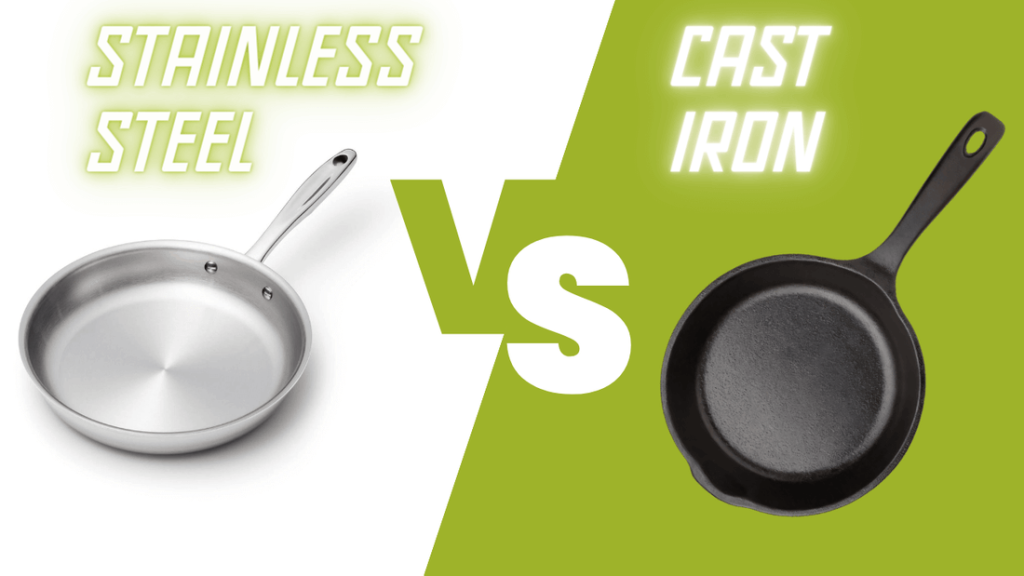
Choosing between rolled steel and cast iron for a construction project, custom fabrication, or even high-performance cookware can feel overwhelming, especially with conflicting claims about each material’s strength and lifespan. As of 2026, updated manufacturing standards and new alloy variants have shifted the performance landscape for both materials, making old one-size-fits-all advice obsolete. This guide breaks down the core differences between rolled steel and cast iron, with concrete performance data, real-world use cases, and honest trade-offs to help you pick the right material for your needs, no guesswork required.
Core Material Composition & Key Grades
A material’s chemical makeup is the single biggest driver of its mechanical properties, and rolled steel and cast iron have fundamentally different compositions that dictate how they perform under stress.
Rolled Steel: Alloys & Carbon Content
Rolled steel is an iron-carbon alloy with a carbon content between 0.05% and 0.5%, depending on the grade. Low-carbon (mild) steel, the most common variant for general construction and fabrication, has <0.3% carbon, giving it high ductility and ease of welding. Higher-carbon rolled steel grades (0.3–0.5% carbon) offer increased tensile strength for high-stress applications like automotive frames or heavy machinery components. Common alloying additives include manganese (to improve hardness and wear resistance), silicon (to boost strength), and trace amounts of sulfur and phosphorus (to improve machinability). A common mistake DIYers make is assuming all rolled steel has the same properties: cold-rolled steel, for example, is 20–30% stronger than hot-rolled steel of the same grade due to work hardening during the rolling process, but is far less formable for complex bends.
Cast Iron: Carbon Content & Variant Differences
Cast iron is defined by its high carbon content, which ranges from 2% to 4%, along with 1–3% silicon. Unlike rolled steel, the carbon in cast iron forms graphite flakes (in gray cast iron, the most common variant) or spherical nodules (in ductile cast iron) during cooling, which drastically changes its mechanical properties. Gray cast iron is extremely hard and compression-resistant but highly brittle, while ductile iron offers a balance of strength and ductility that rivals low-carbon rolled steel in some applications. Other cast iron variants include white cast iron (extremely wear-resistant for industrial crushing equipment) and malleable cast iron (impact-resistant for small hardware and automotive parts). For home cooks, properly seasoned cast iron cookware offers exceptional heat retention, and gentle cleaning with a professional kitchen cleaning brush preserves its seasoning for decades of use.
 Sample of hot-rolled steel (left) and gray cast iron (right) showing distinct surface textures and grain structures.
Credit: www.boroughkitchen.com
Sample of hot-rolled steel (left) and gray cast iron (right) showing distinct surface textures and grain structures.
Credit: www.boroughkitchen.com
Manufacturing Processes: How Each Material Is Formed
The way a material is processed defines its internal grain structure, which directly impacts strength, durability, and suitability for different use cases.
Rolled Steel: Hot Rolling vs Cold Rolling
Rolled steel starts as a heated steel billet or slab, heated to 1200–1300°C until malleable. For hot-rolled steel, the red-hot billet is passed through a series of rollers to be squeezed into sheets, beams, or structural shapes. This process aligns the steel’s internal grain structure parallel to the direction of rolling, increasing tensile strength and ductility. Cold-rolled steel is produced by passing hot-rolled steel through rollers at room temperature, which further hardens the material, improves surface finish, and tightens dimensional tolerances, but reduces formability for complex bends. As of 2026, 70% of rolled steel in North America is produced via electric arc furnaces using recycled scrap, reducing the energy intensity of production by 60% compared to traditional blast furnace methods.
Cast Iron: Casting Methods & Their Impact on Properties
Cast iron is produced by melting iron scrap and virgin iron in a furnace at 1150–1300°C, then pouring the molten metal into sand, metal, or ceramic molds shaped to the final part design. Sand casting, the most common method for large, low-volume parts like manhole covers or machinery bases, produces rough surface finishes but allows for extremely complex shapes. Die casting, used for high-volume small parts like pipe fittings or cookware, produces smoother, more consistent parts at lower per-unit cost. The slow cooling rate of cast iron in molds allows graphite to form in flakes or nodules, which gives cast iron its signature wear resistance but also its brittleness.
 Machined gray cast iron components after cooling and finishing, highlighting the dense, non-granular surface of cast material.
Credit: www.reliance-foundry.com
Machined gray cast iron components after cooling and finishing, highlighting the dense, non-granular surface of cast material.
Credit: www.reliance-foundry.com
Head-to-Head Strength Comparison
Strength is not a single metric: it varies based on the type of stress a material will face in use. The table below compares standard performance ranges for the most common rolled steel and cast iron variants, as defined by the American Iron and Steel Institute.
| Property | Hot-Rolled Low-Carbon Steel | Cold-Rolled Low-Carbon Steel | Gray Cast Iron | Ductile (Nodular) Cast Iron |
|---|---|---|---|---|
| Tensile Strength (MPa) | 400–550 | 450–620 | 100–400 | 400–600 |
| Compressive Strength (MPa) | 400–550 | 450–620 | 600–1200 | 700–1100 |
| Impact Resistance (J, Charpy) | 10–20 | 15–25 | 1–5 | 5–15 |
| Elongation at Break (%) | 15–25 | 10–20 | <1 | 2–10 |
Tensile Strength: Resistance to Stretching & Bending
Rolled steel outperforms all standard cast iron variants in tensile strength, or the ability to withstand pulling or bending forces without breaking. This makes it the only viable choice for structural applications like building frames, bridge supports, and automotive body panels, where materials must absorb dynamic loads, wind stress, and seismic activity without fracturing. Even high-strength ductile iron has lower elongation at break than low-carbon rolled steel, meaning it will crack suddenly under excessive tensile stress rather than bending first to warn of impending failure.
Compressive Strength: Resistance to Crushing Loads
Cast iron dominates in compressive strength, or the ability to withstand crushing loads without deforming. Gray cast iron has 30–100% higher compressive strength than rolled steel, making it ideal for static load applications like heavy machinery bases, column supports, and manhole covers. Ductile iron offers even higher compressive strength than gray iron, with the added benefit of moderate ductility for impact resistance. Rolled steel is still suitable for many compressive load applications, but requires thicker cross-sections to match the load-bearing capacity of cast iron.
Impact & Fatigue Resistance
Rolled steel’s high ductility allows it to absorb 2–5x more impact energy than cast iron before fracturing, making it far more durable for applications with repeated stress cycles, like truck frames, agricultural equipment, and wind turbine towers. Cast iron’s brittle grain structure makes it prone to cracking under sudden impact or repeated fatigue loading, limiting its use to static, low-vibration applications.
 Red-hot steel billets passing through rolling mill rollers to form uniform sheet or structural stock.
Credit: www.reliance-foundry.com
Red-hot steel billets passing through rolling mill rollers to form uniform sheet or structural stock.
Credit: www.reliance-foundry.com
Durability Performance in Real-World Conditions
Strength under lab conditions does not always translate to long-term performance in real-world environments. These are the key durability factors to consider for your project.
Wear Resistance for High-Friction Applications
Rolled steel’s uniform, fine grain structure gives it high resistance to abrasion and wear from constant friction, making it ideal for moving parts like conveyor belts, excavator arms, and industrial cutting tools. Gray cast iron’s graphite flakes act as a natural lubricant, giving it excellent wear resistance for static, high-friction applications like brake rotors, machine tool beds, and industrial flooring. Ductile iron offers better impact wear resistance than gray iron, making it suitable for applications like dump truck beds and earthmoving equipment that face both abrasion and moderate impact.
Corrosion Resistance & Long-Term Rust Prevention
Uncoated low-carbon rolled steel and uncoated cast iron have nearly identical corrosion resistance in humid or wet environments, both rusting at a rate of 0.1–0.2 mm per year when exposed to moisture. For structural and outdoor applications, rolled steel is almost always coated with galvanization, powder coating, or paint to extend its lifespan to 50+ years. Cast iron’s corrosion resistance is only superior in specific use cases: seasoned cast iron cookware, for example, has a polymerized oil layer that makes it nearly rust-proof for kitchen use, while uncoated cast iron plumbing pipes can rust through in as little as 20 years in acidic soil. Restoring vintage cast iron cookware often starts with removing old, damaged seasoning using a bathroom and kitchen cleaning brush before re-applying a new layer of oil for protection.
Temperature Tolerance & Thermal Stability
Cast iron has 2–3x higher thermal conductivity than rolled steel, making it far better for applications that require even heat distribution, like cookware, engine cylinder heads, and industrial heat exchangers. Cast iron also retains heat for far longer than steel, which is why it is the preferred material for searing pans and wood-fired pizza ovens. Rolled steel, by contrast, heats and cools quickly, making it suitable for applications where temperature control is critical, like food processing equipment and aerospace components.
Common Industrial, Consumer & DIY Applications
The choice between rolled steel and cast iron almost always comes down to the specific demands of your project. Below are the most common use cases for each material as of 2026.
Top Use Cases for Rolled Steel
Rolled steel’s combination of strength, ductility, and weldability makes it the most widely used metal in industrial and consumer applications:
- Structural construction: Building frames, bridge supports, and roof trusses
- Automotive manufacturing: Body panels, frames, and suspension components
- Renewable energy: Wind turbine towers, solar panel mounting frames, and hydroelectric dam components
- Shipbuilding: Hull plates and structural supports for commercial and military vessels
- DIY fabrication: Custom furniture, storage racks, and home improvement projects. For DIYers working with rolled steel, following detailed fabrication guides ensures safe, accurate results when cutting, bending, or welding material for custom builds.
Top Use Cases for Cast Iron
Cast iron’s unique hardness, wear resistance, and heat retention make it the best choice for specialized static and high-heat applications:
- Cookware: Skillets, Dutch ovens, and griddles for even heat retention
- Heavy machinery: Engine blocks, machine tool bases, and crushing equipment components
- Plumbing: Legacy water and sewer pipes, valve bodies, and pump housings
- Architectural elements: Manhole covers, historic building columns, and decorative castings
- Small-scale fabrication: Workbench tops and weight plates for home gyms. Small-scale fabricators often opt for cast iron bases for workbenches and heavy machinery, which can be paired with kitchen drawer safety latches for childproofing for multi-use workshop and home spaces.
Total Cost of Ownership & Maintenance Requirements
Upfront cost is only one part of the equation: long-term maintenance and replacement costs often have a much bigger impact on your total budget over the material’s lifespan.
Upfront Material & Fabrication Costs
As of 2026, hot-rolled steel sheet typically costs 20–30% less per kilogram than gray cast iron, with ductile iron (a higher-performance cast iron variant) costing 50–70% more than standard rolled steel due to its more complex manufacturing process. Fabrication costs also differ: rolled steel is easy to cut, bend, and weld on-site with standard tools, while cast iron requires specialized cutting tools, pre-heating for welding, and custom molds for casting, increasing fabrication costs by 30–50% for custom parts.
Long-Term Maintenance & Replacement Frequency
Rolled steel requires regular maintenance to prevent corrosion: uncoated steel needs to be repainted or recoated every 5–10 years in outdoor environments, extending its total lifespan to 50+ years with proper care. Cast iron requires far less frequent maintenance for static, low-stress applications: gray cast iron machinery bases can last 100+ years with minimal upkeep, while cast iron cookware can last generations with only occasional re-seasoning. The biggest durability risk for cast iron is impact damage: a single hard blow can crack a cast iron part, requiring full replacement, while rolled steel will typically bend rather than break under the same impact. For residential builders prioritizing safety, rolled steel framing pairs seamlessly with kitchen safety locks for kids to create durable, child-ready home environments.
Environmental Impact & Sustainability
For eco-conscious projects, the environmental footprint of each material is a key consideration, with major shifts in sustainability performance occurring as of 2026.
Production Carbon Footprint & Energy Use
Primary steel production (made from virgin iron ore) has a higher carbon footprint than cast iron production, but 70% of rolled steel produced in North America and Europe as of 2026 is made from 100% recycled scrap via electric arc furnaces, which have a 25% lower carbon footprint per ton than cast iron production. Cast iron production relies almost exclusively on virgin iron, as recycled cast iron often contains impurities that weaken the final product, requiring the addition of new raw material for every recycling cycle.
Recyclability & Circular Economy Fit
Rolled steel is one of the most recyclable materials on earth, and can be reused indefinitely without any loss of strength or quality. Cast iron is also recyclable, but repeated recycling cycles reduce its ductility and increase its brittleness, limiting its reuse to low-stress applications after 2–3 cycles. For projects prioritizing circular economy principles, rolled steel is the more sustainable choice, especially when sourced from post-consumer recycled scrap.
Frequently Asked Questions
What are the main differences between rolled steel and cast iron?
Rolled steel is formed by passing heated steel through rollers, creating a strong, ductile material ideal for structural and dynamic load applications. Cast iron is made by pouring molten iron into molds, creating a hard, brittle material best suited for static, high-compression or high-wear use cases. Rolled steel can be welded and modified on-site with standard tools, while cast iron requires specialized fabrication techniques.
Which material is stronger: rolled steel or cast iron?
It depends on the type of stress: rolled steel is far stronger under tensile (pulling/bending) stress, while cast iron is stronger under compressive (crushing) stress. High-strength ductile iron has a tensile strength comparable to low-carbon rolled steel, but is far more brittle under impact loads.
Is cast iron or rolled steel more durable?
Rolled steel is more durable for dynamic, high-impact, or high-stress applications, as it will bend rather than crack under unexpected loads. Cast iron is more durable for static, low-stress applications where its high hardness and wear resistance reduce wear over time, but it is prone to sudden catastrophic failure if impacted.
Which is better for construction: rolled steel or cast iron?
Rolled steel is the standard for all modern structural construction, as its ductility allows it to absorb seismic activity, wind loads, and dynamic weight without cracking. Cast iron is only used in limited, non-structural construction applications like historic building restoration or decorative elements.
Can cast iron be used for structural applications?
Only in very limited, low-tensile-stress applications like historic building columns or heavy machinery bases. Modern building codes almost exclusively require rolled steel or reinforced concrete for structural loads due to cast iron’s brittleness and unpredictable failure mode under tension.
Final Verdict: Which Material Fits Your Project?
Rolled steel and cast iron each have clear, well-defined strengths that make them ideal for specific use cases. Choose rolled steel if your project requires flexibility, impact resistance, weldability, or performance under tensile or dynamic stress: it is the right choice for structural construction, automotive parts, DIY fabrication, and any application where the material will face bending, stretching, or sudden impact. Choose cast iron if your project requires high compressive strength, exceptional wear resistance, or superior heat retention: it is the right choice for cookware, heavy machinery bases, industrial braking systems, and static decorative elements.
If you’re finalizing a project that requires precision metal components, consult a local metal fabricator to review grade specifications and load requirements for your use case, or browse our library of DIY project walkthroughs for step-by-step guidance on working with both materials.

I’m Abby Lu, a passionate home cook who loves simplifying everyday meals. At PlugChef.com, I share product reviews and cooking guides to help you find the best tools for your kitchen.
Related posts:
 Seville Expandable Cabinet And Pantry Organizer: Space Savior
 Glideware Pull Out Cabinet Organizer for Pots & Pans: Space Saver
 Small 3-Tier Shelf Organizer: Maximize Space Effortlessly
 Trader Joe’S Spicy Lentil Wrap: Delicious, Healthy, and Quick Meal!
 Easy Way to Peel Pumpkin: Quick Tips for Effortless Prep
 How Long Do Grapes Last: Ultimate Freshness Guide Revealed

