
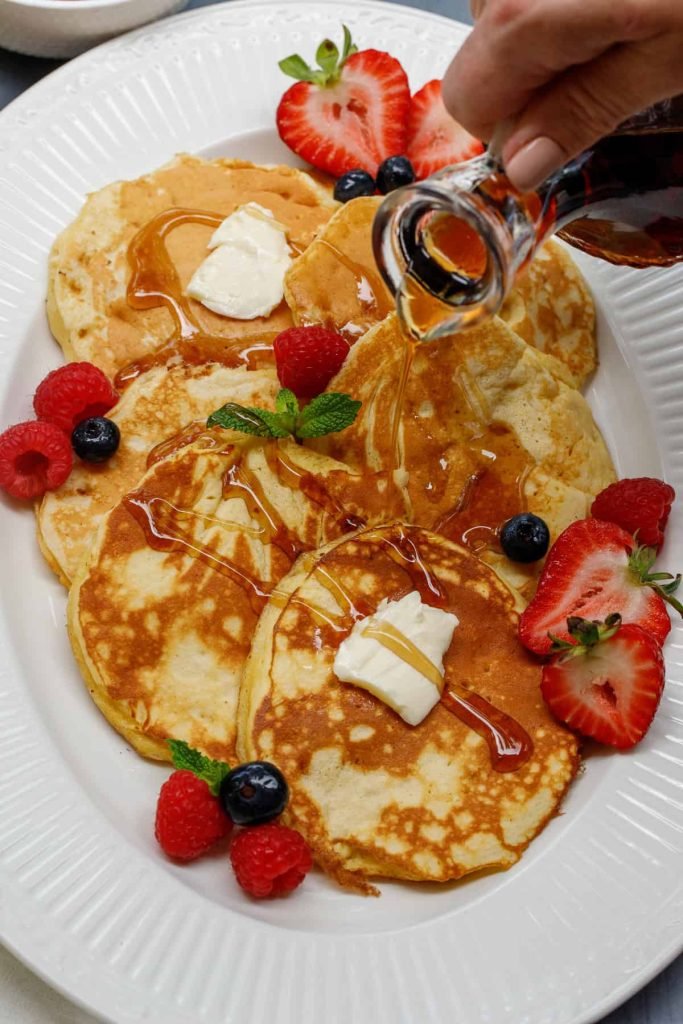
Tired of sugary cereals that leave you crashing by 10 a.m., or bland oatmeal that gets boring after a week? A protein pancake with cottage cheese is the solution: it’s fluffy, packed with 25–30g of complete protein per 2-pancake serving, and takes less than 15 minutes to make from start to finish. Unlike traditional flour pancakes that spike your blood sugar then leave you hungry, this recipe combines slow-digesting casein from cottage cheese and fast-absorbing protein from eggs (or protein powder, if you use it) for steady energy that lasts until lunch. It’s perfect for fitness enthusiasts tracking macros, busy parents needing a filling kid-friendly breakfast, or anyone who wants a nutritious morning meal without hours of prep.
Key Benefits Of Cottage Cheese Protein Pancakes
These pancakes deliver far more nutritional value than traditional breakfast options, with benefits that support both fitness goals and overall daily wellness.
High Complete Protein For Lasting Energy
The combo of eggs, cottage cheese, and optional protein powder provides all 9 essential amino acids your body can’t produce on its own. A standard serving hits roughly 50% of the daily recommended protein intake for average adults per USDA MyPlate guidelines, making it far more nutrient-dense than traditional breakfast pastries or plain toast. For athletes or people with higher protein needs, you can easily add an extra egg or scoop of protein powder to bump the protein count to 35g per serving.
Supports Muscle Growth And Recovery
The dual protein profile of this recipe is ideal for active people: whey protein (if using whey-based powder) is absorbed quickly to kickstart muscle repair after morning workouts, while casein from cottage cheese digests slowly over 4–6 hours to prevent muscle breakdown during fasting periods. This steady amino acid delivery supports lean muscle maintenance even on rest days, making these pancakes a great post-workout or pre-workout meal depending on your schedule.
Promotes Long-Lasting Satiety
As confirmed by University of Minnesota Extension nutrition research, high-protein morning meals reduce mid-morning hunger pangs and unnecessary snacking far more effectively than high-carb alternatives. The combination of protein and small amounts of healthy fat in cottage cheese slows gastric emptying, so you won’t feel the urge to reach for a sugary snack before lunch. For anyone managing their calorie intake or working toward weight loss goals, this satiety boost makes the recipe a far more effective choice than low-protein breakfast options.
Why Cottage Cheese Is The Secret Ingredient
Cottage cheese is the star of this recipe for good reason: it adds creaminess, boosts protein, and brings micronutrients most pancake recipes lack.
Slow-Digesting Casein For Sustained Fuel
Unlike sweetened yogurts or processed breakfast meats, cottage cheese is naturally rich in casein, a slow-digesting complete protein. Casein releases amino acids gradually into your bloodstream, providing steady energy without the crash associated with fast-digesting carbs. This makes cottage cheese pancakes an excellent choice for days when you have back-to-back meetings or a long morning of errands with no time for a snack.
Low-Calorie, Nutrient-Dense Dairy Option
A ½-cup serving of low-fat cottage cheese has just 90 calories, 10g of protein, and only 2g of fat, making it a far lighter base for pancakes than heavy cream or full-fat cheese. If you prefer a richer, creamier texture, full-fat cottage cheese works perfectly too—there’s no need to cut out fat entirely unless it aligns with your dietary goals. Either option keeps the pancakes far lower in calories than diner-style buttermilk pancakes, which often have 400+ calories per serving before toppings.
Packed With Bone-Supporting Micronutrients
Beyond protein, cottage cheese is a powerhouse of micronutrients many people miss at breakfast: 1 cup provides 20% of your daily recommended calcium for bone health, 25% of your B12 needs for energy metabolism, and meaningful amounts of phosphorus and selenium for immune function. If you opt for live-culture cottage cheese, you’ll also get a small dose of probiotics to support gut health, a bonus most traditional pancake recipes can’t match.
Ingredients For Fluffy, Protein-Packed Pancakes
The right ingredients make all the difference between gummy, dense pancakes and light, fluffy ones that rival traditional breakfast options. Use a dry measuring cup to portion oats and protein powder accurately, and wipe the cup clean with a kitchen cleaning brush with handle after use to avoid cross-contamination with wet ingredients.
Essential Base Ingredients (For 2 Servings)
- 1 cup small-curd low-fat or full-fat cottage cheese (small-curd blends smoother for lump-free batter)
- 2 large eggs, room temperature
- ½ cup rolled oats (or gluten-free oat flour for gluten-free diets)
- 1 scoop unflavored or vanilla whey or plant-based protein powder (baking-friendly blends work best to avoid grittiness)
- 1 tsp baking powder
- Pinch of fine sea salt
- Optional: 1 tsp vanilla extract, ½ tsp ground cinnamon for subtle sweetness
Optional Add-Ins For Custom Flavor
- Fresh or frozen blueberries, sliced bananas, or diced apples
- 1 tbsp chia seeds or flaxseeds for extra fiber and healthy fats
- 1 tbsp natural nut butter stirred into the batter for extra creaminess
- Pinch of cocoa powder for a chocolate pancake base
How To Pick The Best Cottage Cheese For This Recipe
Skip flavored cottage cheeses (like pineapple, chive, or salted caramel) unless you’re making a dedicated savory batch, as added sugars and savory flavorings will clash with sweet pancake recipes. Opt for small-curd varieties if you want a perfectly smooth batter, and avoid ultra-pasteurized cottage cheese if possible, as the high heat processing can make the texture grainy. If you have mild lactose intolerance, look for lactose-free cottage cheese options, which work identically in this recipe.
Step-By-Step Guide To Perfect Protein Pancakes
Getting the texture right is easier than you think with a few simple, tested steps.
Blending The Perfect Batter
- Add cottage cheese, eggs, vanilla extract (if using), and cinnamon (if using) to a high-speed blender. Blend on medium speed for 30 seconds until completely smooth, with no visible curds.
- Add rolled oats, protein powder, baking powder, and salt. Pulse 2–3 times just to combine—overmixing at this stage will develop gluten in the oats and make pancakes dense and chewy. A few small lumps are totally fine and will disappear as the pancakes cook.
- Let the batter rest for 5 minutes while you heat your pan. This allows the oats to absorb moisture from the cottage cheese and eggs, leading to a fluffier final texture.
Cooking For Even, Golden Results
- Heat a non-stick skillet or cast-iron pan over medium-low heat (350°F / 175°C if you have an infrared thermometer). Grease lightly with avocado oil or non-stick cooking spray—avoid butter for the first batch, as it burns quickly at high heat.
- Pour ¼ cup of batter per pancake onto the pan, spacing them 2 inches apart to avoid merging. Use the back of a spoon to gently spread the batter into a 3-inch circle.
- Cook for 2–3 minutes, until bubbles form on the surface of the pancake and the edges look set. Slide a thin spatula under the pancake and flip gently—if the batter tears, it’s not ready yet.
- Cook the second side for 1–2 more minutes, until golden brown. Transfer cooked pancakes to a wire rack (not a plate) to avoid sogginess from trapped steam.
Pro Tips For Extra Fluffy Texture
- For ultra-fluffy pancakes, separate the egg yolks from the whites before blending. Whip the egg whites with a pinch of salt until stiff peaks form, then fold them gently into the finished batter at the end. This adds extra air without adding extra flour.
- If you prefer thicker pancakes, reduce the batter by 1 tbsp per pancake and cook for an extra 30 seconds on each side.
- Don’t press down on the pancakes while they cook—this squeezes out air pockets and leads to dense, flat results.
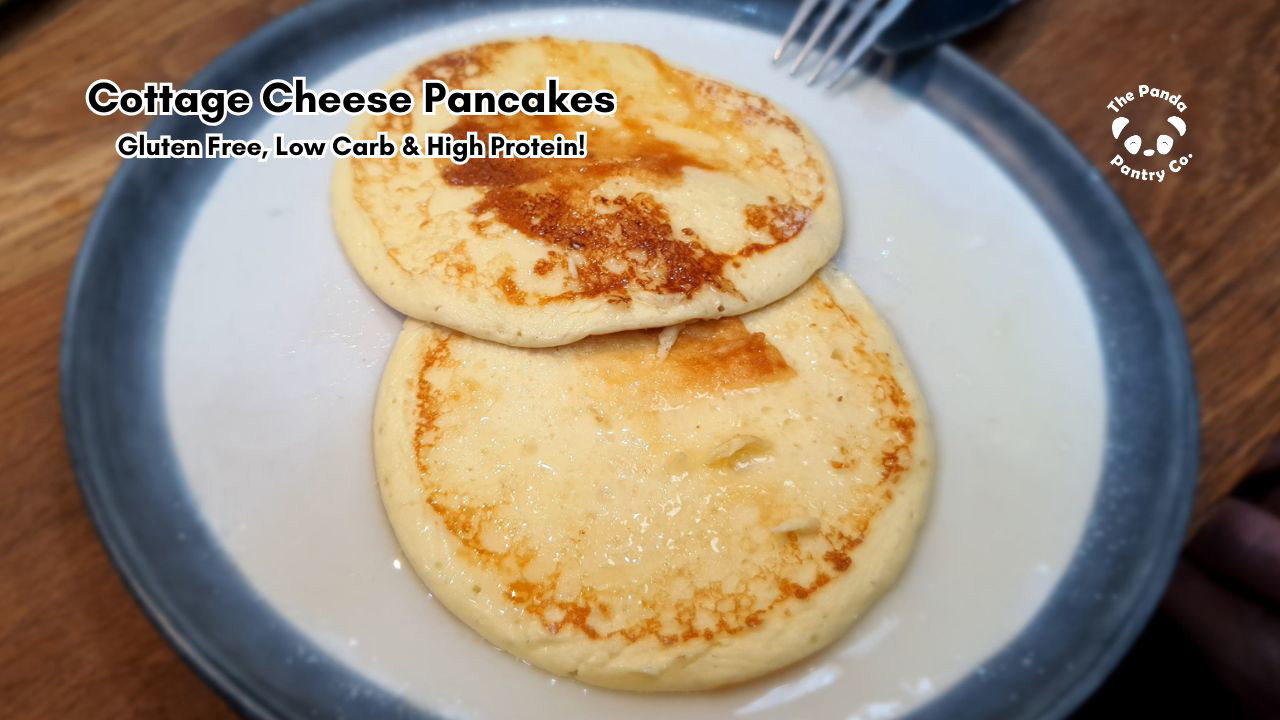 Freshly cooked protein pancakes topped with mixed berries and a drizzle of maple syrup, ready to serve.
Flavor Variations To Keep Breakfast Interesting
The basic batter works for both sweet and savory flavor profiles, so you’ll never get bored with this recipe.
Sweet Indulgence Options
- Peanut butter banana: Top each pancake with 1 tsp natural peanut butter and ½ a sliced banana, plus a dash of cinnamon.
- Mixed berry compote: Simmer ½ cup frozen mixed berries with 1 tsp chia seeds and 1 tsp maple syrup for 5 minutes, then spoon over pancakes.
- Chocolate almond: Stir 1 tsp unsweetened cocoa powder into the batter, then top with sliced almonds and a sprinkle of dark chocolate shavings.
Savory, Hearty Twists
- Spinach feta: Stir ¼ cup chopped fresh spinach into the batter, then top with 1 tbsp crumbled feta and a pinch of red pepper flakes.
- Smoked salmon dill: Top cooked pancakes with 1 oz smoked salmon, fresh dill, 1 tsp capers, and a dollop of plain Greek yogurt.
- Mushroom Swiss: Sauté ¼ cup sliced cremini mushrooms, then top pancakes with the mushrooms and 1 tbsp shredded Swiss cheese. For clean, even cheese slices for your toppings, use a dedicated cheese cutting tool to get professional results.
Nutritious Topping Combinations
For a balanced meal, pair pancakes with 1 tbsp of chia or flaxseeds for omega-3s, a side of scrambled eggs for extra protein, or a handful of arugula with a light drizzle of balsamic glaze for a fresh, tangy contrast. If you’re meal prepping, portion toppings into small containers the night before for a grab-and-go breakfast.
 Smooth, lump-free cottage cheese pancake batter before cooking, blended for a fluffy texture.
Meal Prep, Storage, And Reheating Tips
Making a large batch ahead of time cuts morning prep time to less than 2 minutes, and these pancakes reheat better than almost any other breakfast item.
Refrigerating Leftovers
Store cooled pancakes in an airtight container in the refrigerator for up to 3 days. Line the container with parchment paper between layers to prevent sticking. Before storing, make sure the pancakes are fully cooled to avoid condensation that makes them soggy. Clean the container with a kitchen cleaning scrub brush before reuse to avoid cross-contamination from leftover batter or syrup.
Freezing For Quick Breakfasts
For make-ahead breakfasts, layer cooled pancakes between sheets of parchment paper in a freezer-safe bag, and freeze for up to 2 months. Portion them into single-serving bags for easy grab-and-go access on busy mornings. If you’re prepping toppings, freeze fresh berries or pre-cooked savory toppings in separate bags to avoid sogginess.
Reheating For Best Texture
Avoid microwaving pancakes if possible, as it makes them rubbery or soggy. Instead, reheat in a toaster oven or air fryer at 350°F (175°C) for 2 minutes, or in a dry skillet over low heat for 1 minute per side. This restores the crispy exterior and fluffy interior without drying them out.
Common Mistakes To Avoid
Even experienced cooks run into these pitfalls, but they’re easy to fix with a few small adjustments.
Overmixing The Batter
It’s tempting to mix until all lumps disappear, but overmixing develops gluten in the oats or flour, leading to dense, chewy pancakes instead of fluffy ones. Mix just until the ingredients are combined, and don’t worry about small lumps—they’ll cook out as the pancakes set. If you want perfectly smooth batter, press the finished mix through a fine-mesh sieve before cooking.
Cooking On Too High Heat
A screaming hot pan might seem like it speeds up cooking, but it burns the outside of the pancake before the inside is fully cooked, leading to raw, doughy centers. Test your pan heat by dropping a single drop of water on the surface: if it sizzles gently and evaporates slowly, it’s ready. If it evaporates instantly, turn the heat down.
Using Low-Quality Ingredients
Chalky, artificially flavored protein powder or grainy, ultra-pasteurized cottage cheese will ruin the texture and taste of your pancakes, no matter how good your cooking technique is. Opt for protein powders labeled “baking friendly” with minimal added sugars, and choose small-curd, non-ultra-pasteurized cottage cheese for the smoothest results. If you’re prepping ingredients with kids nearby, secure lower kitchen cabinets with child safety latches for kitchen cabinets to keep cooking supplies and sharp utensils out of reach.
Skipping The Batter Rest Time
Rushing to cook right after mixing leads to dense, gummy pancakes, as the oats don’t have time to absorb moisture from the wet ingredients. Let the batter rest for the full 5 minutes while your pan heats—this small step makes a dramatic difference in texture.
Frequently Asked Questions
What are the benefits of protein pancakes with cottage cheese?
This recipe delivers 25–30g of complete protein per serving, supports muscle growth and recovery, keeps you full for 3–4 hours, and provides bone-supporting calcium and B vitamins from cottage cheese. It’s far lower in added sugar than traditional breakfast pastries, and can be customized for almost any dietary need, from gluten-free to low-carb.
How do I make protein pancakes with cottage cheese?
Blend 1 cup cottage cheese, 2 eggs, ½ cup rolled oats, 1 scoop protein powder, 1 tsp baking powder, and a pinch of salt until smooth. Let the batter rest 5 minutes, then cook ¼-cup portions on a greased non-stick pan over medium-low heat for 2–3 minutes per side, until golden. Top with your favorite sweet or savory add-ins.
Can protein pancakes with cottage cheese help with weight loss?
Yes, the high protein and fiber (from oats) content promotes long-lasting satiety, which reduces overall calorie intake by cutting back on mid-morning snacking. A standard serving has just 250–300 calories before toppings, making it a far more filling option than a 500-calorie sugary pastry or bagel with cream cheese.
Is cottage cheese a good ingredient for pancakes?
Absolutely: cottage cheese adds creaminess without extra sugar or heavy cream, boosts the protein content of the recipe significantly, and creates a tender, moist texture that’s far less dense than pancakes made with only protein powder and eggs. Its mild flavor blends seamlessly with both sweet and savory add-ins.
Can I make these pancakes without protein powder?
Yes! The cottage cheese and eggs already provide 15–18g of protein per serving without protein powder. Omit the powder and add an extra ¼ cup of rolled oats if you want a thicker, heartier texture. This version is perfect for people who don’t like the taste or texture of protein powder.
Are these pancakes keto-friendly?
With 10–12g of net carbs per serving (before add-ins), these pancakes can fit into a keto diet if you use low-carb protein powder and reduce the oat portion to ¼ cup, or substitute oats for almond flour. Skip high-carb toppings like bananas or maple syrup, and opt for nut butter, seeds, or a dollop of Greek yogurt instead.
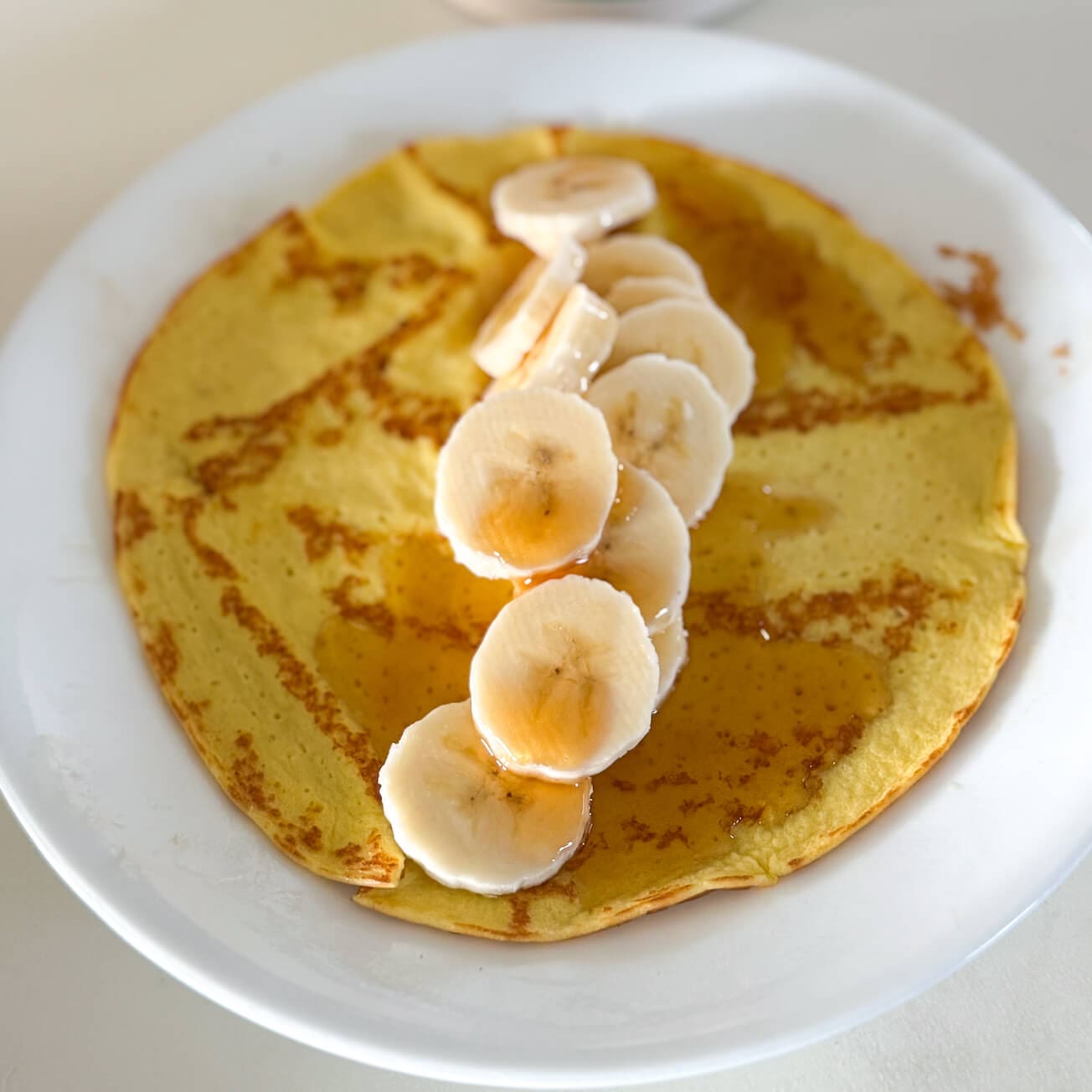 Savory variation of protein pancakes topped with sautéed spinach and crumbled feta cheese.
Final Thoughts
A protein pancake with cottage cheese is one of the most versatile, nutritious breakfast options you can make at home in under 15 minutes. It delivers far more protein and sustained energy than traditional pancakes, is easy to customize for any dietary need or flavor preference, and can be prepped ahead for busy mornings. Whether you prefer sweet toppings like fresh berries and nut butter or savory add-ins like spinach and feta, this recipe is a far more satisfying alternative to sugary, low-nutrient breakfast options. Don’t be afraid to experiment with flavor combinations to find your perfect version—once you master the basic batter, the possibilities are endless.
Ready to upgrade your morning routine? Whip up a batch of these pancakes this weekend, and pair them with your favorite toppings for a filling, nutrient-dense start to your day. For more easy, high-protein breakfast recipes and kitchen tips, browse our full blog library.

I’m Abby Lu, a passionate home cook who loves simplifying everyday meals. At PlugChef.com, I share product reviews and cooking guides to help you find the best tools for your kitchen.
Related posts:
 How to Make a Fruit Basket for a Gift: Easy DIY Guide
 Do You Need a Basket? Essential Guide for Air Fryers
 What Blenders Do Tropical Smoothie Use: Expert Insights
Stainless Steel Vs White Kitchen Appliances: Ultimate Showdown
What Blenders Do Tropical Smoothie Use: Expert Insights
Stainless Steel Vs White Kitchen Appliances: Ultimate Showdown
 Kitchen Appliances for Wedding Registry: Must-Have Essentials
 Top 10 Best Non-Toxic Cooking Utensils – Safe & Durable Choices for Healthy Homes

