
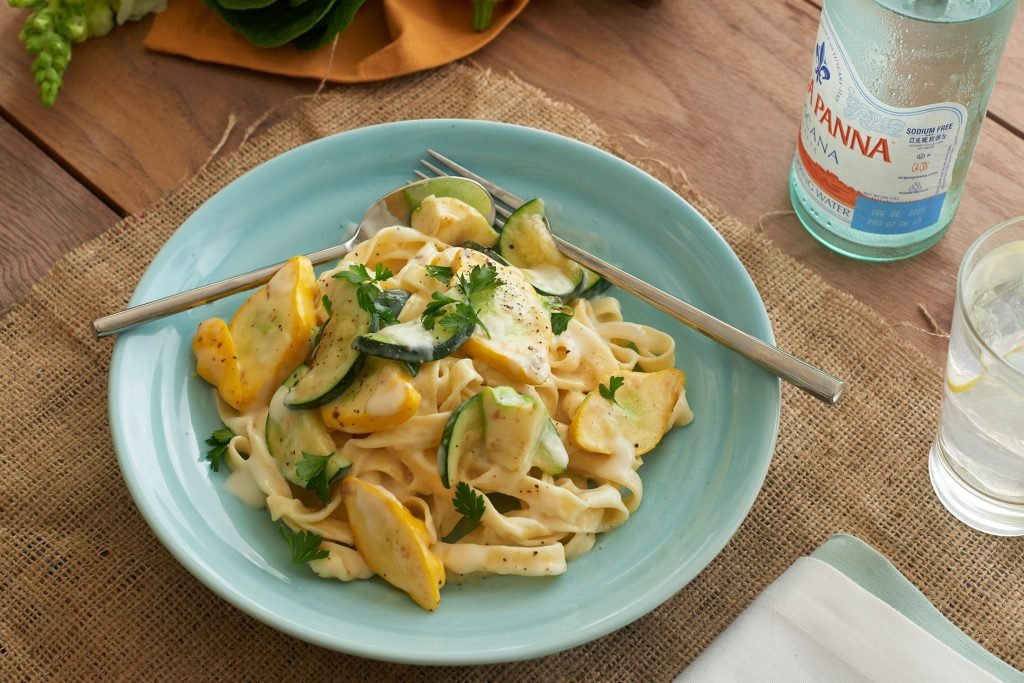
When peak summer squash and zucchini hit markets in mid-2026, this bright, low-effort pasta is the perfect way to celebrate the season’s best produce. Ready in just 30 minutes with minimal cleanup, it balances the natural sweetness of tender veggies, al dente pasta, and bright herbaceous notes for a dish that’s light enough for hot July nights but hearty enough for backyard cookouts or casual weeknight dinners. No fancy techniques or hard-to-find ingredients required — just fresh, simple flavors that taste like summer on a plate.
Why This Squash and Zucchini Pasta Is a 2026 Summer Staple
Peak-season summer squash and zucchini (harvested June through August) have significantly higher nutrient density and brighter, sweeter flavor than off-season varieties shipped long distances, per University of Minnesota Extension's summer squash and zucchini guide. This recipe leans into that natural sweetness, avoiding heavy, creamy sauces that overwhelm delicate produce.
It’s also naturally flexible: swap in gluten-free pasta for dietary restrictions, add plant-based protein for a vegan meal, or toss in grilled chicken for a post-workout boost. The one-pan cooking method means less time scrubbing dishes and more time enjoying your meal.
Core Ingredients (Fresh, Simple, Easy to Find)
Selecting the Best Squash and Zucchini
Look for firm, unblemished veggies with smooth, taut skin and no soft spots or mold. Smaller zucchini (6–8 inches long) and yellow squash have smaller, less bitter seeds and lower water content, which prevents sogginess in the final dish. For extra visual appeal and sweetness, try heirloom varieties like tromboncino squash or pattypan squash. Avoid overgrown zucchini with large, hard seeds — they tend to be watery and bitter, even when cooked.
Scrub the squash and zucchini under cold running water with a sturdy kitchen cleaning brush with handle to remove any dirt or wax residue from the skin, then pat completely dry with a clean towel to avoid excess moisture when cooking.
Pantry Staples You Already Have
Beyond fresh produce, this recipe uses ingredients most home cooks have on hand:
- 1 pound pasta (spaghetti, linguine, penne, or rigatoni all work well)
- 2 tablespoons extra virgin olive oil
- 3–4 cloves garlic, minced
- 1 pint cherry tomatoes, halved
- ¼ cup fresh basil or parsley, chopped
- ¼ cup grated Parmesan cheese (or nutritional yeast for vegan diets)
- Pinch of red pepper flakes (optional, for heat)
- Salt and freshly ground black pepper, to taste
Optional add-ins: toasted pine nuts, lemon zest, grilled shrimp, or crispy chickpeas for extra protein.
 Fresh peak-season produce is the foundation of this bright, flavorful pasta dish.
Credit: www.marthastewart.com
Fresh peak-season produce is the foundation of this bright, flavorful pasta dish.
Credit: www.marthastewart.com
Step-by-Step Cooking Instructions (30 Minutes Total)
Prep Work (10 Minutes)
Cut the dried squash and zucchini into uniform ½-inch half-moons or small cubes — consistent sizing ensures even cooking, so no piece ends up undercooked or mushy. Bring a large pot of salted water to a rolling boil (use 4 quarts of water per 1 pound of pasta, and salt it as heavily as seawater to season the pasta from the inside out). Wipe down your countertops with a top-rated kitchen cleaning brush to clear away any vegetable scraps or drips before moving to the stove.
Cook the Pasta (8–10 Minutes)
Add pasta to the boiling water and stir occasionally for the first 2 minutes to prevent clumping. Cook until al dente (firm to the bite) — check 1–2 minutes before the package’s suggested cook time, as the pasta will finish cooking slightly when tossed with the hot veggies. Reserve 1 cup of starchy pasta water before draining, then drain the pasta in a colander (do not rinse it — the starchy coating helps sauce cling to every strand). Cooking pasta al dente also lowers its glycemic impact compared to overcooked, mushy pasta, per Harvard T.H. Chan School of Public Health's pasta nutrition guide.
Sauté the Vegetables (7 Minutes)
While the pasta cooks, heat olive oil in a large skillet over medium heat. Add minced garlic and sauté for 30 seconds until fragrant, then add the squash and zucchini in a single layer (cook in batches if you’re doubling the recipe to avoid overcrowding the pan, which causes steaming instead of sautéing). Cook for 5–7 minutes, stirring occasionally, until the veggies are tender-crisp and lightly golden on the edges. Add cherry tomatoes in the last 2 minutes of cooking so they stay intact and don’t turn to mush. After cooking, a quick scrub with a reliable kitchen cleaning scrub brush will lift any caramelized veggie bits from the pan without scratching the surface.
Combine and Serve (5 Minutes)
Add the drained pasta to the skillet with the sautéed veggies, then toss to combine. Add 2–3 tablespoons of the reserved starchy pasta water and toss again to create a light, emulsified sauce that coats every strand. Stir in fresh basil, season with salt, pepper, and red pepper flakes (if using), then top with grated Parmesan and toasted pine nuts (if using). Serve immediately.
 Tossing hot pasta with the sautéed veggies and a splash of starchy water creates a light, cohesive sauce.
Credit: www.mydiaryofus.com
Tossing hot pasta with the sautéed veggies and a splash of starchy water creates a light, cohesive sauce.
Credit: www.mydiaryofus.com
Pro Tips to Avoid Common Mistakes
These small adjustments make the difference between a soggy, bland dish and a bright, flavorful summer staple:
- Don’t skip drying the veggies after washing: excess surface moisture will steam them instead of sautéing, leading to sogginess.
- Don’t overcook the squash and zucchini: they should be tender-crisp, not mushy, as residual heat from the pasta will soften them slightly when combined.
- Don’t rinse the pasta after draining: the starchy coating is what helps the sauce cling evenly to every piece.
- Don’t oversauce: the natural juices from the veggies and a splash of pasta water are all you need for a light, cohesive sauce — heavy sauces will overpower the delicate summer produce.
- Don’t use pre-shredded Parmesan: it contains anti-caking agents that prevent it from melting smoothly into the dish, leaving a gritty texture.
Serving and Pairing Ideas
Plating for Summer Gatherings
For a polished, restaurant-worthy look, serve the pasta in wide, shallow bowls to showcase the bright colors of the squash, zucchini, and cherry tomatoes. Top with an extra sprinkle of fresh basil, a drizzle of high-quality extra virgin olive oil, and flaky sea salt for added depth. This makes it a great option for potlucks, backyard barbecues, or casual date nights at home.
Pairing Options
This light pasta pairs well with crisp, acidic drinks and simple sides that don’t overpower its delicate flavor:
- Wines: A chilled Vermentino, Pinot Grigio, or light Loire Valley Cabernet Franc complements the veggie-forward profile.
- Sides: A simple arugula salad with lemon vinaigrette, grilled corn on the cob, or crusty sourdough for dipping into leftover sauce.
- Protein pairings: Grilled chicken, shrimp, or crispy chickpeas turn it into a full, balanced meal.
 A sprinkle of fresh basil and grated Parmesan finishes this bright summer meal.
Credit: www.marthastewart.com
A sprinkle of fresh basil and grated Parmesan finishes this bright summer meal.
Credit: www.marthastewart.com
Customization Options for Every Diet
This recipe is incredibly flexible, so you can tweak it to suit any taste or dietary need:
Protein Add-Ins
- Grilled chicken or shrimp for a lean, savory boost
- Crispy bacon or pancetta for a salty, umami kick
- Chickpeas, white beans, or crispy tofu for plant-based protein
- Crumbled goat cheese or feta for a tangy, creamy note
Sauce and Flavor Swaps
- Stir in 2 tablespoons of basil pesto for a herby, nutty twist
- Add a splash of heavy cream and extra garlic for a light creamy sauce
- Mix in a spoonful of tomato paste for a brighter, tangier base
- Add lemon zest and a squeeze of fresh lemon juice for extra brightness
Dietary Adjustments
- Use gluten-free pasta for a gluten-free meal
- Swap Parmesan for nutritional yeast or vegan Parmesan for a vegan version
- Omit garlic and use low-FODMAP pasta for a gut-friendly option
- Add extra cherry tomatoes and skip the cheese for a lower-carb, Whole30-compliant meal
Meal Prep and Storage Tips
This pasta stores and reheats beautifully, making it a great option for meal prep for work or school lunches.
Storing Leftovers Safely
Let the pasta cool to room temperature (no more than 2 hours, per USDA food safety guidelines) before transferring to airtight containers. Store in the refrigerator for up to 3 days, or freeze in individual portion-sized containers for up to 1 month. Label containers with the date to track freshness.
Reheating Without Losing Flavor or Texture
Reheat portions on the stovetop over low heat, adding 1–2 tablespoons of water or vegetable broth per serving to loosen the sauce and prevent dryness. Stir gently to combine, and avoid microwaving on high, as it will make the veggies mushy. Reheat only the portion you plan to eat to reduce waste. For quick post-meal cleanup of all your prep and cooking tools, a complete kitchen cleaning brush set will handle everything from greasy pans to crumb-covered counters. If you have young children in the home, secure cleaning supplies and sharp kitchen tools with child-safe kitchen locks to keep little ones safe while you cook.
Frequently Asked Questions
What type of pasta works best with squash and zucchini?
Both short and long pasta work well, depending on your preference. Short pasta like penne, rigatoni, or fusilli holds chunky veggie pieces and light sauce in its nooks, making it easy to eat with a fork. Long pasta like spaghetti or linguine lets the delicate veggies and sauce coat every strand for a lighter, more elegant bite. For meals with added chunky protein like grilled chicken or shrimp, short pasta is often the more practical choice.
How do you prevent squash and zucchini from getting soggy?
The three key steps are: 1) pat the veggies completely dry after washing to remove excess surface moisture, 2) cook over medium-high heat without overcrowding the pan so they sauté instead of steam, and 3) don’t overcook them — they should be tender-crisp, not mushy, as they’ll continue cooking slightly when tossed with hot pasta.
Can I use frozen squash and zucchini for this recipe?
Yes, but only if you use individually quick frozen (IQF) veggies, and thaw and drain them completely before cooking to remove excess water. Avoid frozen veggies that are pre-sautéed or pre-sauced, as they’ll make your dish watery. Fresh peak-season produce will always have brighter, sweeter flavor, but frozen is a reliable off-season substitute when fresh isn’t available.
Is this pasta healthy?
Yes, this recipe is naturally low in saturated fat and high in fiber from the veggies and whole-grain pasta (if used). A 2-cup serving made with whole-grain pasta has roughly 350 calories, 8g of fiber, and 12g of plant-based protein, making it a balanced standalone meal or a perfect side for grilled proteins.
Can I make this ahead of time for a potluck or party?
Yes, cook the pasta and veggies separately, store them in airtight containers in the fridge for up to 2 days. When you’re ready to serve, reheat the veggies in a skillet, toss with the pasta and a splash of reserved pasta water, and serve immediately. This prevents the pasta from absorbing all the sauce and turning mushy during storage.
Conclusion
This pasta with squash and zucchini is the ultimate celebration of summer’s best produce, requiring minimal effort for maximum flavor. Its flexible formula means you can tweak it to suit any dietary need, taste preference, or occasion, from quick weeknight dinners to casual backyard cookouts. The light, veggie-forward profile feels indulgent without being heavy, and the 30-minute cook time makes it accessible even for beginner cooks. For more easy, fresh summer recipes and kitchen hacks to streamline your cooking routine, browse our full blog library.

I’m Abby Lu, a passionate home cook who loves simplifying everyday meals. At PlugChef.com, I share product reviews and cooking guides to help you find the best tools for your kitchen.
Related posts:
 How to Make a Fruit Basket for a Gift: Easy DIY Guide
 Do You Need a Basket? Essential Guide for Air Fryers
 What Blenders Do Tropical Smoothie Use: Expert Insights
Stainless Steel Vs White Kitchen Appliances: Ultimate Showdown
What Blenders Do Tropical Smoothie Use: Expert Insights
Stainless Steel Vs White Kitchen Appliances: Ultimate Showdown
 Kitchen Appliances for Wedding Registry: Must-Have Essentials
 Top 10 Best Non-Toxic Cooking Utensils – Safe & Durable Choices for Healthy Homes

