
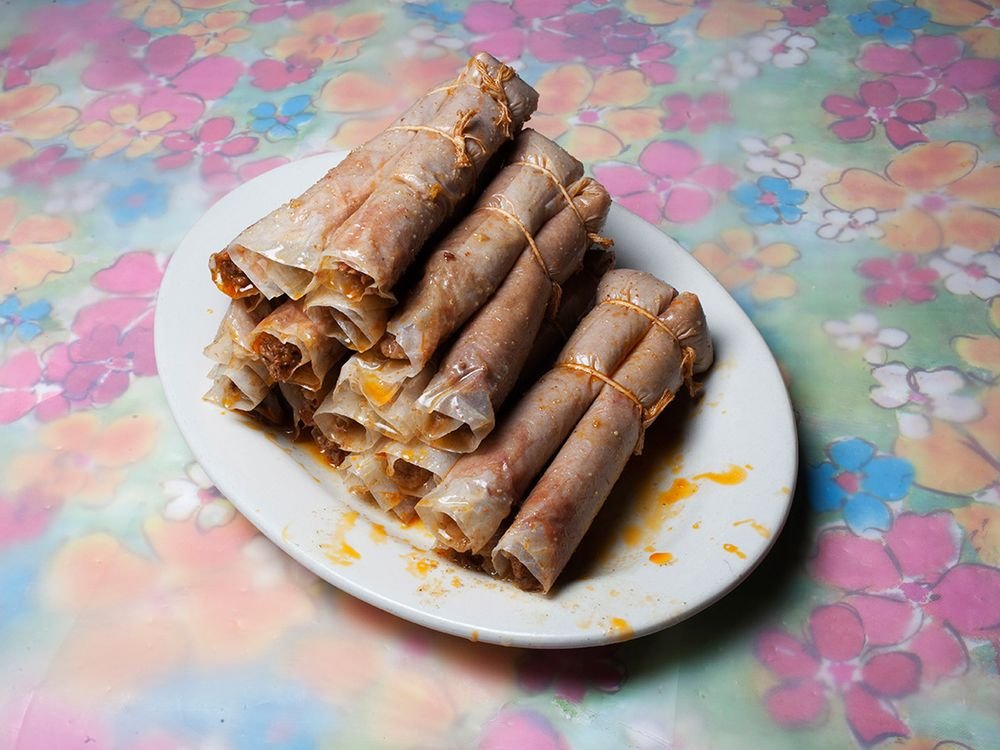
If you’ve never tried Mississippi Delta Hot Tamales, you’re missing out on a true Southern treasure. These spicy, flavorful treats are perfect for anyone who loves a little heat with their meal.
Imagine biting into a tender, seasoned tamale that’s packed with bold flavors, made right in your own kitchen. In this recipe, you’ll discover how simple it is to bring this classic comfort food to your table. Ready to spice up your cooking and impress your friends?
Let’s get started!
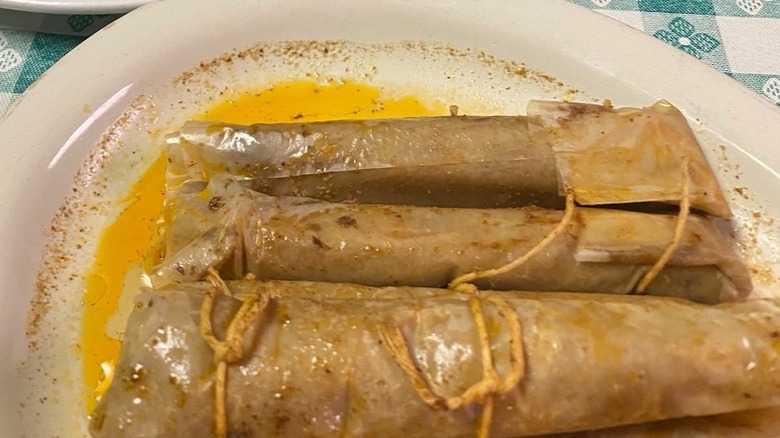
Credit: www.islands.com
Preparing The Meat Filling
Combine ground beef with onions, spices, and broth for a flavorful meat filling. Cook until browned and tender, stirring often for even taste.
Preparing the meat filling for Mississippi Delta hot tamales is crucial. This step is where flavors truly come alive. The right combination of spices and cooking methods makes all the difference.
Seasoning The Meat
Begin with fresh, quality meat for the best results. Ground beef or pork works well. Mix in spices like cumin, paprika, and garlic powder. Add a touch of cayenne for heat. A pinch of salt and black pepper enhances the taste. For a rich depth, include some chili powder. Each spice plays a role in the flavor profile. Blend the spices evenly with the meat.
Cooking Techniques For Flavor
Choose a slow cooking method for tender meat. Simmer the meat in a pot with water or broth. This allows the flavors to meld beautifully. Stir occasionally to prevent sticking. Cook until the meat is tender and easy to shred. Shredding helps the meat absorb more flavor. Let the cooked meat cool before filling the tamales. This step ensures easy handling and even distribution.
Making The Dough
Making the dough for Mississippi Delta Hot Tamales is where the magic begins. This dough is the foundation of the tamale’s unique texture and flavor. Getting it right means your tamales will hold together perfectly and taste authentic.
Mixing Cornmeal And Flour
Start with a good balance between cornmeal and flour. Cornmeal gives that signature grit and corn flavor, while flour adds the necessary binding strength.
Use a fine-ground cornmeal to avoid a gritty bite. Mix the cornmeal and flour thoroughly in a large bowl before adding any liquid. This helps distribute the ingredients evenly and prevents clumps.
- Try using about 2 parts cornmeal to 1 part flour for a traditional texture.
- Season the dry mix lightly with salt or spices to enhance the dough’s flavor early on.
Achieving The Perfect Texture
The dough should feel moist but not sticky. Adding warm broth or stock little by little helps you control the consistency. You want a dough that’s soft enough to spread but firm enough to hold its shape.
Test the dough by pinching a small piece – it should hold together without cracking or falling apart. If it feels crumbly, add a bit more liquid. If too sticky, sprinkle in a touch more flour or cornmeal.
Remember, the texture can vary slightly depending on your cornmeal brand and humidity. Don’t be afraid to trust your hands and adjust as you go.
Assembling The Hot Tamales
Assembling Mississippi Delta Hot Tamales is a fun and hands-on process. It brings all the flavors together before cooking. Each step shapes the tamale into a perfect bundle of taste. Attention to detail ensures a tender and flavorful result.
Spreading The Dough
Start by placing a corn husk flat on your workspace. Use a spoon to scoop some dough onto the husk. Spread the dough evenly with the back of the spoon. Aim for a thin, smooth layer about 1/4 inch thick. Leave space at the edges for folding.
Adding The Filling
Place a small amount of seasoned meat filling in the center of the dough. Use about two tablespoons per tamale. Keep the filling narrow and centered. Avoid overfilling to prevent tearing during wrapping. The filling should be visible but contained.
Wrapping Techniques
Fold the sides of the corn husk over the dough and filling. Make sure the edges meet in the middle. Fold the bottom of the husk up to secure the tamale. Tie the tamale with a strip of husk or kitchen twine. This keeps the tamale tight and intact while cooking.
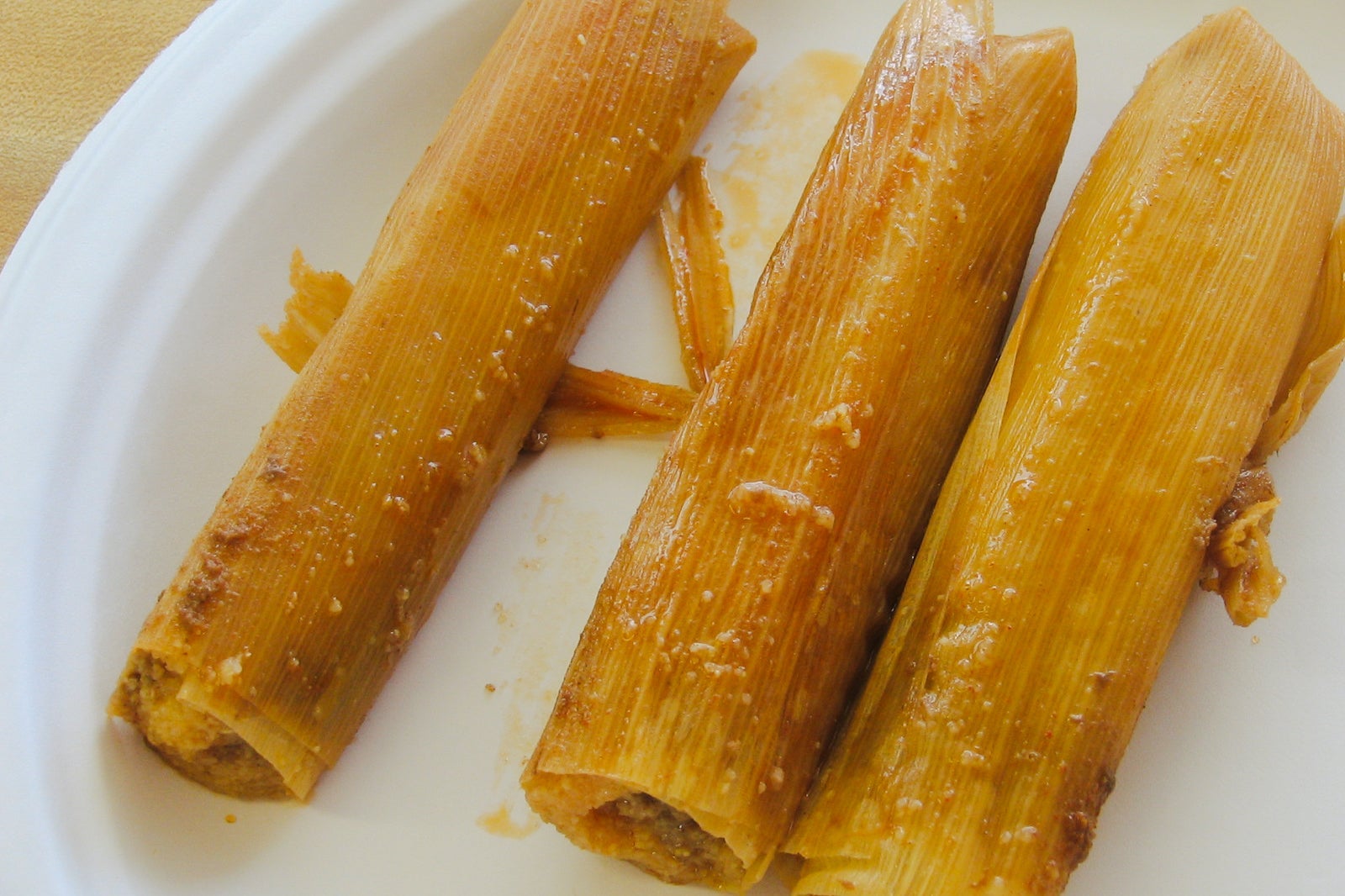
Credit: thepointsguy.com
Cooking Methods
Cooking Mississippi Delta Hot Tamales involves careful attention to the method used. The cooking technique affects texture and flavor deeply. Choosing between boiling and steaming changes the final taste and consistency.
Boiling Vs. Steaming
Boiling hot tamales cooks them quickly and makes the masa soft and moist. This method allows water to seep into the tamale, making it tender but sometimes a bit soggy.
Steaming keeps the tamales firmer and drier. It preserves the flavor of the filling better. The steam gently cooks the tamale without direct water contact, which helps maintain its shape.
- Boiling: faster cooking, softer texture.
- Steaming: slower cooking, firmer texture.
- Both methods are traditional and effective.
Timing And Temperature Tips
Keep the water at a gentle boil or steady steam for best results. Too hot or too cold affects cooking quality. Maintain a consistent temperature around 212°F (100°C).
Cook tamales for about 45 to 60 minutes. Check by unwrapping one tamale carefully. The masa should be firm and pull away easily from the husk.
- Use a timer to avoid overcooking.
- Keep tamales covered to trap heat and steam.
- Turn tamales occasionally for even cooking.
Serving Suggestions
Serving Mississippi Delta Hot Tamales offers a chance to enjoy bold flavors with perfect accompaniments. These spicy, savory tamales pair well with simple and traditional sides that balance heat and texture. Choosing the right sides brings out the best in this classic dish.
Consider sides that provide freshness and crunch. They add contrast to the warm, spicy tamales. Light salads or crisp vegetables keep the meal balanced and satisfying. These serving suggestions help create a memorable dining experience.
Traditional Sides
- Coleslaw: Creamy and cool, it softens the tamale’s heat.
- Pickled Okra: Adds a tangy crunch that complements the spices.
- Black-eyed Peas: A hearty, earthy side that pairs well with tamales.
- Cornbread: Slightly sweet and crumbly, perfect for soaking up sauces.
- Collard Greens: Slow-cooked greens add depth and a Southern touch.
Beverage Pairings
- Sweet Iced Tea: Refreshing and sweet, it cools the palate.
- Light Beer: A crisp lager balances the rich, spicy flavors.
- Lemonade: Tart and sweet, it cuts through the heat nicely.
- Milk: Soothes the mouth from the spicy kick of tamales.
- Cold Water: Simple and hydrating, always a good choice.
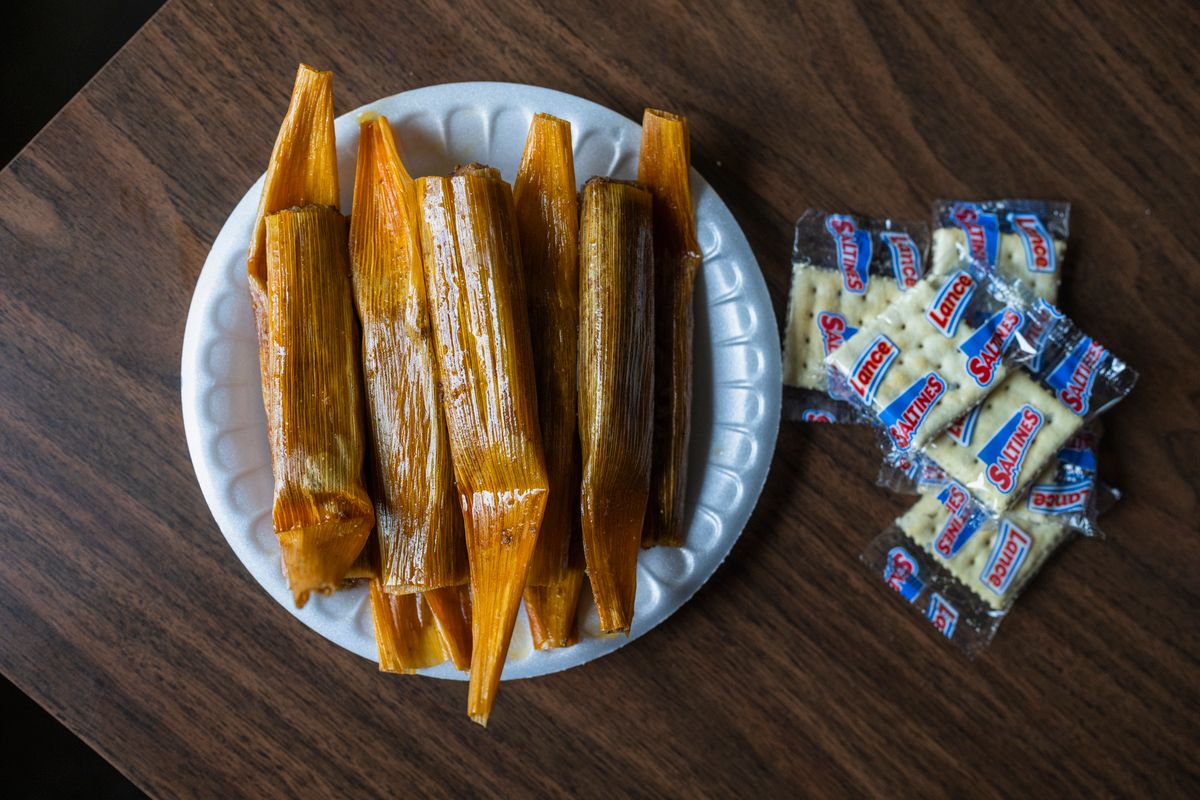
Credit: www.atlasobscura.com
Tips For Spicy Variations
Spicing up your Mississippi Delta Hot Tamales can make the dish even more exciting. Small changes can bring bold new flavors and heat levels. Experiment with these tips to find your perfect spicy twist. Each adjustment lets you enjoy the classic recipe in a fresh way.
Adjusting Heat Levels
Control the spice by changing the type and amount of chili used. Use milder peppers like ancho for a gentle heat. For more kick, add cayenne or chipotle powder. Fresh jalapeños or habaneros can boost heat quickly. Start with small amounts to avoid overpowering the dish.
- Reduce chili powder for mild heat
- Use smoked paprika for smoky warmth
- Add hot sauce for a quick spice lift
- Include chili flakes for texture and heat
Adding Extra Flavors
Enhance your tamales with layers of flavor beyond heat. Garlic, cumin, and smoked paprika add depth. Try fresh herbs like cilantro or oregano for brightness. A splash of lime juice can balance spiciness with acidity. Adding a bit of tomato paste or sauce brings richness.
- Mix in roasted garlic for a mellow, rich taste
- Sprinkle cumin for earthy notes
- Use fresh lime juice to brighten flavors
- Add chopped onions or green peppers for crunch
Common Mistakes To Avoid
Making Mississippi Delta hot tamales can be simple with the right approach. Many cooks face common issues that affect taste and texture. Avoiding these mistakes helps you make authentic and delicious tamales every time.
Below are common pitfalls and tips to prevent them. These points ensure your tamales are spicy, tender, and full of flavor.
Using The Wrong Type Of Cornmeal
Mississippi Delta tamales require finely ground cornmeal. Coarse cornmeal creates a gritty texture. Choose cornmeal labeled “fine” or “medium grind” for smooth tamales.
Overcooking Or Undercooking The Tamales
Cooking tamales too long dries them out. Undercooking leaves them doughy inside. Steam tamales for about 45 minutes to one hour. Check texture by gently pressing a tamale.
Skipping The Seasoning In The Meat Filling
Plain meat filling lacks the spicy kick tamales need. Add chili powder, garlic, and onion to the meat. Season well for rich, bold flavors.
Not Soaking Corn Husks Properly
Dry corn husks can tear or burn during cooking. Soak husks in warm water for 30 minutes before use. This softens them and makes wrapping easier.
Using Too Much Or Too Little Water In The Dough
Dough that is too wet becomes sticky and hard to handle. Too dry dough cracks and breaks. Add water gradually. Aim for soft, pliable dough that holds shape.
Storing And Reheating
Store Mississippi Delta Hot Tamales in an airtight container in the fridge for up to three days. Reheat them gently in the microwave or oven to keep them moist and flavorful. Warm tamales taste best when served fresh.
Storing and reheating Mississippi Delta Hot Tamales is crucial if you want to enjoy them as deliciously as when they were freshly made. Proper storage ensures that the tamales retain their moisture and flavor, while the right reheating technique brings them back to life without drying them out. Let’s dive into how you can keep these delightful treats ready to savor, anytime you crave them.
How To Store Your Hot Tamales
Place your hot tamales in an airtight container to prevent them from drying out. Refrigerate them if you plan to consume within a few days. For longer storage, freeze them, ensuring they are well-wrapped to avoid freezer burn.
Refrigeration Tips
Store tamales in the fridge for up to five days. To preserve their flavor, make sure they are completely cooled before refrigerating. A quick tip: wrap them individually in aluminum foil for extra freshness.
Freezing For Longer Freshness
If you want to keep your tamales for weeks, freezing is your best bet. Wrap each tamale in plastic wrap and then foil. This double-layer protection keeps them fresh and ready for your next craving.
The Best Way To Reheat Hot Tamales
Reheating tamales can be done in several ways, but steaming them is the gold standard. Steaming helps retain their moisture and ensures they are warmed through evenly. Alternatively, you can use a microwave—just wrap the tamale in a damp paper towel to prevent it from drying out.
Microwave Tips For Quick Reheating
Place a damp paper towel over your tamale and microwave for about two minutes. Check to make sure it’s heated through, as microwave times can vary. The damp towel helps maintain moisture and keeps the tamale tender.
Stovetop Steaming For Best Results
If you have a steamer basket, use it to reheat your tamales. Steam for about 15-20 minutes until they’re hot and ready to eat. This method keeps the tamales moist, maintaining their authentic texture and taste. Remember, the way you store and reheat your tamales can make all the difference in taste. Have you tried any of these methods? Share your own tips for keeping your tamales deliciously fresh!
Frequently Asked Questions
What Are Mississippi Delta Hot Tamales?
Mississippi Delta Hot Tamales are spicy, flavorful cornmeal-based tamales. They have a unique, rich taste with seasoned meat and hot spices. This dish reflects Southern culinary traditions and is popular in Mississippi’s Delta region.
How Do You Make Authentic Hot Tamales?
Authentic Hot Tamales use cornmeal, seasoned meat, and hot spices. The mixture is wrapped in corn husks and steamed. Key ingredients include ground beef or pork, chili powder, and garlic for bold flavor.
What Makes Mississippi Delta Hot Tamales Unique?
Their use of cornmeal instead of masa dough sets them apart. The Delta hot tamales are spicier with a distinct Southern seasoning blend. They have a firmer texture and robust, smoky flavor.
Can I Freeze Mississippi Delta Hot Tamales?
Yes, these tamales freeze well for up to three months. Wrap them tightly in plastic wrap or foil before freezing. Reheat by steaming or microwaving for best texture and flavor.
Conclusion
This Mississippi Delta Hot Tamales recipe brings bold flavors to your kitchen. It’s simple to make and perfect for sharing. Enjoy the spicy taste and tender meat in every bite. Serve them at family dinners or casual gatherings. This dish shows a rich part of Southern food culture.
Try it today and taste a true Delta favorite. Cooking can be fun and delicious with recipes like this. Give it a go and see how easy it is to enjoy hot tamales at home.

Hi, I’m Daniel Brooks—a food lover and kitchen gear enthusiast. I enjoy testing cookware, utensils, and gadgets to see what really works in everyday cooking. At PlugChef.com, I share honest reviews, comparisons, and simple guides to help you choose the best tools for a safer, smarter, and more enjoyable kitchen.
Related posts:
 What Type of Cooking Utensils are Safe: Expert Picks
 What Innovations Could Blenders Make: Unleashing Future Tech
 Smart Strategies to Organize a Small Kitchen: Maximize Space
 How to Organize a Kitchen Cabinet: Expert Tips & Tricks
 How to Organize Kitchen Drawers: Expert Tips and Tricks
 How to Organize a Corner Kitchen Cupboard: Expert Tips

