
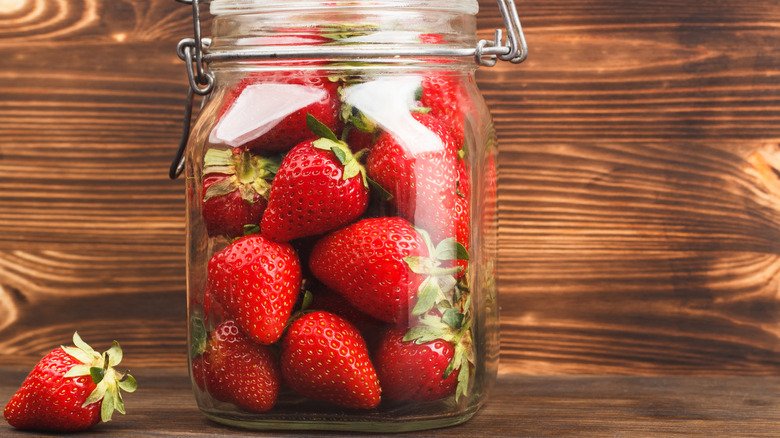
Fresh strawberries are delightful—aromatic, sweet, and incredibly perishable. Stored incorrectly they soften, mold, or lose flavor within days. This guide gives clear, practical, science-backed steps to buy, clean, store, freeze, and revive strawberries so they stay flavorful longer. Read the short checklist now and use the step-by-step sections below for details.
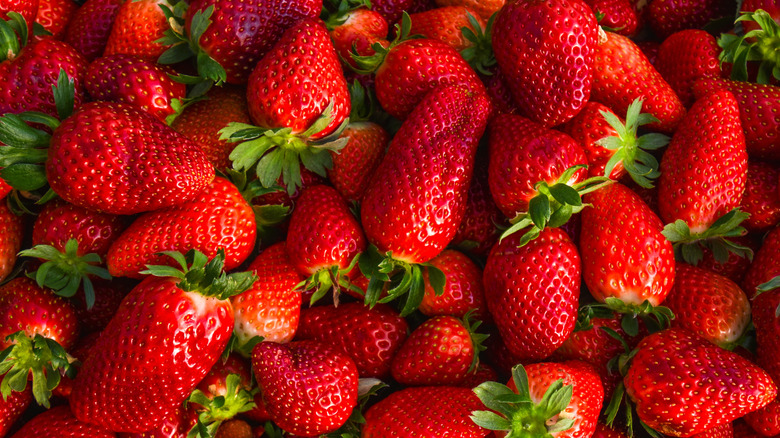 Credit: www.foodrepublic.com
Fresh, ripe strawberries ready to store.
Quick checklist (what really matters)
- Buy bright, fully red, firm berries with fresh green caps.
- Don’t wash until ready to eat. Wash gently and dry fully.
- Store in a single layer in a ventilated container lined with paper towels.
- Refrigerate at about 32–36°F (0–2°C), not in the coldest, frost-prone spot.
- Freeze by flash-freezing on a tray for long-term use.
- Remove any soft or moldy berries immediately to protect the rest.
1. Choosing the best strawberries to buy
Start with quality—storage can only preserve what you bring home.
What to look for
- Deep, uniform red color and shiny surface. Avoid white or green tips.
- Firm but slightly springy texture; not hard or mushy.
- Fresh green calyx (cap); a brown or wilted cap often indicates older fruit.
- Smell: a sweet strawberry aroma is a good sign; no sour or fermented odors.
Where to inspect
- Check the bottom of store clamshells—packaging can hide crushed berries. If buying from a market, ask for a top-layer sample. A quick rule of thumb from produce handling guides: inspect every visible berry before purchase to avoid bringing spoilage home (see a general fruit ripeness guide for more picking cues).
Why ripeness at purchase matters
- Strawberries are non-climacteric: they do not appreciably ripen after harvest. If under-ripe at purchase, they won’t sweeten much at home, so buy as ripe as you intend to eat.
2. Preparing strawberries: washing and prepping correctly
The single most common mistake is washing too early. Water speeds spoilage.
When to wash
- Only wash strawberries immediately before eating or cooking. Storing wet berries invites mold.
How to wash safely
- Gently rinse under cool running water. Avoid long soaks because berries are porous.
- For extra cleaning, use a quick dip of one part white vinegar to three parts water for 1 minute, then rinse with cool water and dry thoroughly—this can reduce surface microbes and mold spores. (A vinegar bath is optional and should be rinsed off well.)
Drying method
- Air-dry briefly on a clean towel, then pat gently with paper towels until surface moisture is gone. Moisture trapped in the calyx area causes rapid decay.
If you must wash before storing (short trip)
- Dry completely and place berries in a ventilated container with paper towels to absorb residual moisture.
(For more on safe soaking methods, see this note on a simple salt-water soak used by some cooks.)
3. Short-term refrigeration: best container and placement
Refrigeration slows spoilage—but humidity and airflow matter.
Ideal temperature and humidity
- Aim for about 32–36°F (0–2°C), which is cold enough to slow decay but warm enough to avoid freezing damage. Store in the crisper or a cool shelf away from freezer vents. Government and extension bodies advise keeping produce cool to extend shelf life; for general guidance see USDA produce guidance.
Best containers and layout
- Keep strawberries in a single layer if possible to avoid bruising. If layering, separate layers with paper towels.
- Use a ventilated produce container or the store clamshell with holes. Avoid fully airtight containers that trap condensation. Lightweight colanders placed inside a bowl work well. For everyday use, a shallow container lined with paper towels absorbs moisture and reduces contact that causes bruises.
Paper towels and reusable options
- Place a paper towel on the bottom of the container to absorb expelled moisture; replace it every 1–2 days. If you prefer reusable options, consider designs tested for absorbency like paper towel fabrics and reusable napkins.
Crisper drawer settings
- Use the high-humidity setting if your fridge has it, but monitor condensation—if droplets form, open a crack in the container or move the berries to a less humid spot.
Common storage myths
- Myth: Hull strawberries before storing. Reality: leave the cap on until use; removing it exposes flesh and speeds up decay.
- Myth: Store at room temperature to ripen. Reality: they won’t ripen significantly after harvest and will spoil faster at room temperature.
4. Preventing mold and spoilage (practical steps)
Mold spreads quickly—stop it early.
Daily checks and removal
- Inspect fruit daily and remove any soft, shriveled, or moldy berries immediately. One bad berry can contaminate the rest.
Ventilation and airflow
- Keep containers ventilated. If using a sealed container, leave the lid ajar or add holes. Airflow reduces pockets of high humidity where mold thrives.
Absorb excess moisture
- Use paper towels or breathable cloths to keep the container dry. If you prefer reusable cloths, see options like the best reusable towels or non-toxic towels.
Avoid cross-contamination
- Don’t store strawberries beside spoiled produce or strong-smelling foods. Strawberries are delicate and can pick up odors and microbes.
In practice
- In practice, switching from sealed bags to a vented container and adding a paper towel can add several extra days of usable fruit. For longer preservation methods, see the freezing section below.
5. Freezing strawberries for long-term use
Freezing preserves flavor and most nutrients; texture changes on thawing.
Best preparation
- Pick firm, ripe berries. Rinse and dry thoroughly. Hull (remove caps) if desired. Whole berries freeze better for later use in smoothies, while sliced or macerated berries are easier for baking.
Flash-freezing method (recommended)
- Arrange dry berries single-layer on a parchment-lined baking sheet (parchment-lined trays work well).
- Freeze until solid (several hours).
- Transfer frozen berries to airtight freezer bags or containers, remove excess air, and label with date.
Sugar pack or syrup method
- Toss berries with a small amount of sugar to preserve texture and sweetness, or pack in light syrup for softer thawed fruit. These methods are better for desserts but add calories.
Vacuum sealing and alternatives
- Vacuum sealing reduces freezer burn but can crush soft berries—freeze first on a tray, then vacuum-seal if desired. For purees, freeze in ice-cube trays for single-serving portions.
Defrosting use
- Thawed strawberries are best used in smoothies, sauces, baking, or compotes—texture will be softer than fresh. For smoothies, keep frozen whole or puree before freezing for grab-and-go cubes.
For more general freezing tips beyond strawberries, some home-freezing guides (e.g., on freezing herbs and other preserves) can be helpful.
6. Reviving slightly wilted strawberries
Small recovery steps can extend usability for a day or two.
Cold-water soak
- For berries that are soft but not moldy, place unhulled strawberries in cool water for 10–20 minutes on ice; then drain and dry fully. This can firm them slightly. Be cautious—over-soaking causes flavor loss.
Gentle refrigeration after revival
- After hydrating, store in a single layer on paper towels in the fridge. Check within 24–48 hours and use quickly in cooking or smoothies.
Do not use if mold is present
- If any mold appears, discard the whole berry—mold threads can penetrate soft fruit beyond what you see.
7. Storing prepared, sliced, or pureed strawberries
Cut fruit spoils faster—handle accordingly.
Short-term (1–2 days)
- Store sliced berries in an airtight container lined with paper towels and use within 24–48 hours.
Longer-term
- Puree with a little lemon juice and sugar, freeze in ice-cube trays, then transfer to sealed bags for smoothies or sauces.
Prevent browning in preparations
- To reduce discoloration in salads or desserts, toss slices quickly with a squeeze of lemon and serve promptly—similar tips exist in guides on how to prevent browning.
8. Troubleshooting: common mistakes and fixes
- Mistake: Washing and storing wet. Fix: Dry completely and use absorbent liners.
- Mistake: Piling berries. Fix: Store single layer or separate layers with paper towels.
- Mistake: Leaving damaged fruit in container. Fix: Remove soft/moldy berries immediately.
- Mistake: Freezing without flash-freezing. Fix: Flash-freeze on tray first to avoid clumping.
For more on choosing containers and small kitchen-product tips, readers compare reusable and disposable options such as bamboo towel reviews or popular paper towel options.
FAQ
How long do strawberries last in the fridge?
- Properly stored, ripe strawberries typically last 3–7 days in the refrigerator. Keep them dry, ventilated, and check daily.
Should you hull strawberries before storing?
- No. Leave the green cap on until you’re ready to eat. Hulled berries deteriorate faster.
Can you store strawberries in the original clamshell?
- Often yes—if the clamshell has ventilation holes and the berries are dry and unbruised. Moving them to a single-layer vented container with paper towels can extend life.
Do strawberries need to be refrigerated immediately?
- If you plan to eat within a few hours, they can sit at cool room temperature. For longer storage, refrigerate as soon as practical.
Are strawberries safe after a vinegar wash?
- Yes—if rinsed well afterward and dried fully. Vinegar reduces surface microbes but must be used correctly.
Where can I learn more about safe produce storage?
- Trusted institutions like your local university extension offer actionable produce-handling tips—see general guidance from a university extension resource.
(For quick links to related kitchen tips and recipes mentioned earlier, see resources on smart storage choices, parchment-lined trays, and related home-kitchen guides such as freezing and storage posts like this strawberry storage post.)
Conclusion — one simple experiment to try
Next time you buy strawberries, split them into two small batches: store one in a sealed bag and the other on a ventilated, paper-towel-lined tray in the fridge. Compare them after 48–72 hours. You’ll clearly see (and taste) which method preserves texture and flavor better.
Try the flash-freeze method this week—freeze a cup of berries on a tray and keep them ready for smoothies. It’s the most convenient way to make fresh-season strawberries usable all year.
If you want more practical kitchen-storage tips, check eco-friendly ideas for reducing waste in the kitchen and related recipes like that risotto recipe for using up fruit sides.

Hi, I’m Daniel Brooks—a food lover and kitchen gear enthusiast. I enjoy testing cookware, utensils, and gadgets to see what really works in everyday cooking. At PlugChef.com, I share honest reviews, comparisons, and simple guides to help you choose the best tools for a safer, smarter, and more enjoyable kitchen.
Related posts:
 Woven Basket Wall Decor Set of 3: Transform Your Space
 9 Inch Wide Drawer Organizer: Maximize Space Efficiently
 How to Decorate a Christmas Basket: Festive Tips & Ideas
 Crab Salad With Canned Crab: Easy, Delicious, and Refreshing Recipe
Red Wine And Ginger Ale: Refreshing Twist for Perfect Cocktails
Crab Salad With Canned Crab: Easy, Delicious, and Refreshing Recipe
Red Wine And Ginger Ale: Refreshing Twist for Perfect Cocktails
 Baked Chicken With Parchment Paper: Easy, Juicy & Healthy Recipe

