
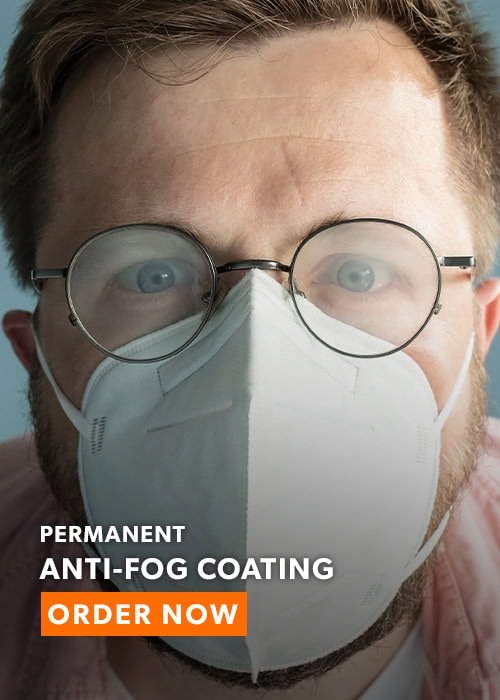
Fogged safety goggles are more than annoying — they reduce situational awareness and increase the chance of accidents. This guide explains exactly why lenses fog, what works (and what doesn’t), and practical step-by-step fixes you can use right now. Use the quick checklist, follow the detailed procedures, and you’ll reduce fogging during a shift, a lab session, or a workshop task.
What causes goggles to fog (plain language + physics)
Fog is simply condensed water forming into tiny droplets on the lens. The process usually follows three linked factors:
- Temperature difference: If your goggles are colder than the air you breathe or the ambient air, moisture will condense on the lens surface when the warm, humid air hits it.
- Humidity and sweat: Exhaled breath and facial perspiration increase the local humidity inside the goggles; the trapped moisture has nowhere to go without ventilation.
- Surface condition and coatings: Scratched lenses or degraded anti‑fog coatings let water form discrete droplets (fog). Hydrophilic coatings spread water into an invisible film; hydrophobic ones repel water.
In practice, fogging is most common when you move between temperature zones (example: entering a warm shop from a cold outdoors) or when you wear a mask or respirator that redirects exhaled air upward. A common mistake is assuming “an anti‑fog coating can’t fail.” Coatings wear, foam seals compress, vents clog — each makes fogging more likely over time.
Quick checklist: Choose goggles that reduce fogging
Pick goggles with these features when possible:
- Factory-applied permanent anti‑fog (look for manufacturer claims and warranty).
- Good ventilation or indirect vents to allow airflow without letting debris in.
- Compatibility with masks/respirators (goggles that seal too tightly against a respirator often trap breath).
- Polycarbonate lenses (impact-resistant and hold coatings well).
- Replaceable foam/face seals and adjustable straps for proper fit.
OSHA and occupational PPE guidance emphasize selecting eye protection appropriate to the hazard and work environment — check workplace PPE requirements before you buy or modify gear (see OSHA for more on eye and face protection). If you need clinical or industrial-grade selection guidance, the NIOSH/CDC site has broader PPE resources that can help determine what’s most appropriate for your setting.
Anti‑fog technologies: what they are and how they behave
- Permanent factory coatings: Applied during lens manufacture; long-lasting but not immortal. They reduce fog without affecting clarity, but they will degrade with abrasive cleaning or heavy solvents.
- Sacrificial / reapply coatings (sprays and wipes): Easy to use and effective for hours to days depending on product and environment. Require regular reapplication.
- Hydrophilic coatings: Make moisture form a clear film rather than droplets — ideal for consistent clarity.
- Hydrophobic coatings: Cause water to bead and run off; good for rain and splashes but less effective against the fine condensation that creates “fog.”
Trade-offs: permanent coatings need less frequent care but can be ruined by aggressive cleaners. Sprays are flexible and inexpensive but demand discipline to reapply.
Proven anti‑fog treatments and exactly how to use them
Below are tested application techniques and how long you can expect them to last in typical use.
Commercial anti‑fog sprays and wipes (best balance for many workers)
- How to apply: Clean lenses first (see cleaning steps below). Spray a small amount on the inside lens, spread evenly with a microfibre cloth, let dry per product directions (usually 30–60 seconds), buff gently.
- Effectiveness: Typically lasts hours to a few days depending on humidity and activity.
- Safety note: Use only products labelled for polycarbonate or your lens material.
Factory-applied permanent coatings
- How to care for them: Clean gently with mild soap and water and a soft microfibre cloth. Avoid solvents and abrasive pads.
- When to replace: When you see streaking that won’t clear after cleaning or visible coating flaking.
DIY methods (short-term, low-cost)
- Mild dish soap or baby shampoo: Apply a single drop to the inside lens, spread thin with a finger or soft cloth, rinse lightly so a microscopic film remains, then air-dry or blot with microfibre. This usually works for several hours.
- Shaving cream (non-gel): Apply and buff off leaving a thin trace film — effective for short sessions.
- What to avoid: Abrasive toothpaste, ammonia-based cleaners, bleach, or solvent cleaners. These can scratch the lens or remove coatings; toothpaste in particular often contains abrasive particles.
In practice: DIY films last less time than commercial sprays. For professionals who need reliable clarity across shifts, invest in a commercial product or goggles with a durable factory coating.
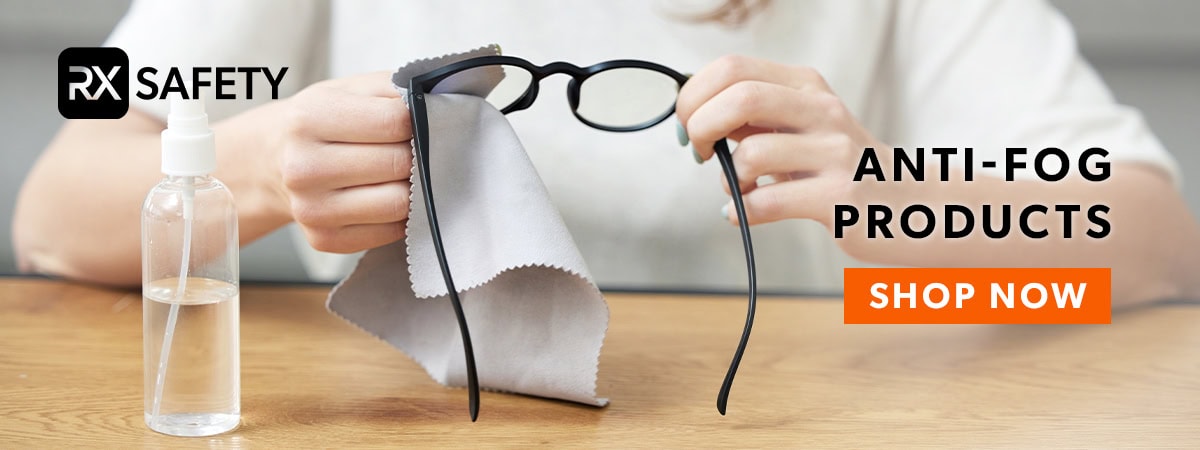
Goggles with anti-fog treatment help maintain clarity during use.
Credit: rx-safety.com
Step‑by‑step cleaning process that preserves anti‑fog coatings
- Inspect lenses for scratches, dust, or coating damage. Replace if the lens is deeply scratched or coating is flaking.
- Rinse under lukewarm running water to remove grit (prevents scratching during cleaning).
- Apply a tiny amount of mild liquid soap or designated lens cleaner. Gently rub both sides with your fingers.
- Rinse thoroughly. For coated lenses: avoid hot water, which can accelerate coating breakdown.
- Dry by dabbing with a clean microfibre cloth. Don’t rub aggressively.
- If applying a spray or wipe, follow the manufacturer’s directions immediately after cleaning.
Common mistakes: using paper towels, shop rags, or household glass cleaners containing ammonia — these often scratch or chemically attack lens coatings. If a lens fogs repeatedly despite correct cleaning, the coating may be compromised.
Fit and wearing habits that reduce fogging
- Adjust strap tension so goggles sit snugly but not overly tight (over-tightening traps heat).
- Ensure a proper seal without compressing foam beyond its comfort range — compressed foam stops working.
- If you wear a mask or respirator, make sure its top edge fits tightly against the nose (a metal nose strip or tape over the nose bridge can stop upward airflow).
- When possible, direct exhaled air down and away from the lenses (practice breathing techniques during non-hazardous tasks).
- Briefly remove goggles (if safe to do so) or lift them slightly to ventilate if fog forms — do this only in a safe, contamination-free area.
In practice, the combination of a snug but comfortable face seal plus indirect ventilation is the most effective behavioral change to cut fogging on most jobs.
Troubleshooting: when anti‑fog steps aren’t enough
If fog persists after applying treatments and adjusting fit, run through this checklist:
- Are the lenses scratched or the coating visibly worn? Replace the lens or goggles.
- Are vents blocked (paint, dust, or debris)? Clean vents carefully; some vents are one-way and can be damaged if forced.
- Are you using incompatible PPE? Some respirators and goggles pair poorly — try a different model or use goggles designed to fit over respirators.
- Is the work environment extreme (steam, chemical mists)? For heavy condensation conditions, look for goggles rated for high-humidity or consider powered air‑purifying respirators with integrated eye protection.
- Try a different anti‑fog product (what works in one microclimate may not in another). If commercial products fail, factory-coated replacement goggles are often the best long-term fix.
Maintenance, storage and replacement guidance
- Dry fully before storing; moisture left inside the case breeds mold and odor.
- Store in a hard case or clean pouch away from direct sunlight and heat. UV and heat both speed up coating failure.
- Inspect seals, straps, and lenses before each use. Replace foam seals when they’re flattened or disintegrating.
- Replace goggles when scratches impair vision or when anti‑fog treatments no longer take effect.
In practice: a regular monthly inspection is adequate for light use; for daily industrial users, a weekly quick check plus a monthly deep clean/inspection prevents surprises.

Applying an anti-fog spray evenly to the inside lens before use.
Credit: www.youtube.com
Quick fixes on the job (fast, safe, and practical)
- Use a microfibre cloth to buff a thin film of mild soap or commercial anti‑fog — quick and effective between tasks.
- Tape the top of a disposable mask to the bridge of the nose to redirect exhaled air downwards (use medical tape that won’t irritate skin).
- Swap to goggles with indirect vents if your current pair is fully sealed and fogs quickly.
- Keep a small bottle of anti‑fog spray or a pack of anti‑fog wipes in your toolbox or PPE locker for fast reapplication.
FAQ
Q: Is saliva a safe anti‑fog treatment?
A: Saliva can work very short-term but is unhygienic and not appropriate for many workplaces (labs, food, medical). Use a soap or approved commercial product instead.
Q: How long do anti‑fog sprays last?
A: It depends on activity and humidity. Expect anything from several hours to a few days. High-humidity or heavy-sweat environments shorten effectiveness.
Q: Can I repair scratched lenses?
A: Minor surface scratches may be buffed out from non-coated plastic using specialty kits, but these often ruin anti‑fog coatings. For safety-critical work, replace the lens or goggles instead.
Q: Which cleaners are safe for polycarbonate lenses?
A: Mild soap and water or cleaners labelled safe for polycarbonate. Avoid solvents, acetone, ammonia, and strong degreasers.
Final checklist and next steps
- Immediate: clean your goggles, apply a commercial anti‑fog spray or mild soap film, and test by breathing on the lens.
- Short-term: check fit with your mask/respirator, adjust strap tension, replace compressed foam.
- Long-term: when possible, choose goggles with a durable factory coating or plan to reapply anti‑fog treatments routinely.
If fogged goggles are costing time or compromising safety in your workplace, pick one change from this list and try it on your next shift (start with cleaning + a commercial anti‑fog spray). For workplace PPE policies or equipment selection, consult your safety manager and refer to guidance from OSHA or NIOSH for compliant practices and selection criteria.

Store goggles clean and dry in a protective case to protect coatings.
Credit: www.safetyandhealthmagazine.com For formal workplace rules and selection criteria, consult your organization’s safety manager and trusted regulatory guidance such as the Occupational Safety and Health Administration (OSHA) and the National Institute for Occupational Safety and Health (NIOSH) for compliance and PPE selection best practices. These agencies provide authoritative recommendations on eye and face protection that apply across many industries.
Routine action plan (one-minute read)
- Keep one dedicated microfibre cloth and one small bottle of anti‑fog spray in your PPE kit.
- Inspect goggles at the start of every shift for seal integrity and visible coating damage.
- If fog returns despite correct care, replace the goggles rather than risk impaired vision.
If you want clearer vision today: clean the lenses gently, apply a purpose-made anti‑fog product, adjust the fit so it’s snug but not overly tight, and test during a low‑risk task. Small, consistent steps prevent repeated fogging and protect both productivity and safety.
Take action now: pick one anti‑fog method from this guide and test it on your next shift — if it doesn’t hold up, upgrade to goggles with a durable factory anti‑fog coating or ask your safety manager for an alternative model.

Hi, I’m Daniel Brooks—a food lover and kitchen gear enthusiast. I enjoy testing cookware, utensils, and gadgets to see what really works in everyday cooking. At PlugChef.com, I share honest reviews, comparisons, and simple guides to help you choose the best tools for a safer, smarter, and more enjoyable kitchen.
Related posts:
 How to Make a Fruit Basket for a Gift: Easy DIY Guide
 Do You Need a Basket? Essential Guide for Air Fryers
 What Blenders Do Tropical Smoothie Use: Expert Insights
Stainless Steel Vs White Kitchen Appliances: Ultimate Showdown
What Blenders Do Tropical Smoothie Use: Expert Insights
Stainless Steel Vs White Kitchen Appliances: Ultimate Showdown
 Kitchen Appliances for Wedding Registry: Must-Have Essentials
 Top 10 Best Non-Toxic Cooking Utensils – Safe & Durable Choices for Healthy Homes

