
A greasy, baked-on oven doesn’t have to mean hours of scraping or strong chemical fumes. Steam cleaning loosens grime with hot water vapor so you can wipe it away quickly — often without harsh cleaners. This guide gives a clear, practical, safety-first step-by-step method, plus troubleshooting, tips for different oven types, and how to keep your oven cleaner longer.
Note: always check your oven manual before cleaning and follow any manufacturer-specific warnings.
 Credit: www.youtube.com
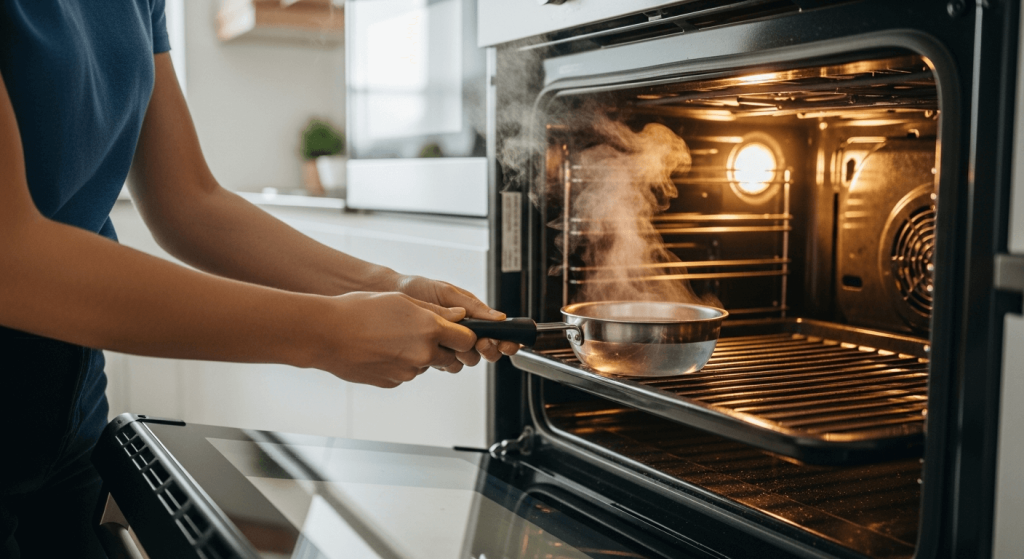
Open oven prepared for steam cleaning; racks removed for access.
Credit: www.youtube.com
Open oven prepared for steam cleaning; racks removed for access.
Why steam cleaning works (and when not to use it)
Steam cleans by softening and loosening carbonized food and grease so it can be wiped away. Compared with abrasive scraping or harsh oven chemicals, steam:
- Reduces chemical exposure and fumes (safer for pets, kids, and indoor air).
- Softens baked-on residue, cutting elbow grease and time.
- Kills many bacteria and reduces odors because of high temperature.
Trade-offs and cautions:
- Steam is not magic for very thick carbonized layers — targeted mechanical scrubbing or a baking soda paste is sometimes needed.
- Avoid directing steam at electronic controls, thermocouples, or door seals — moisture can damage sensors or void warranties. For appliance-specific care, consult the manufacturer’s guidance such as resources from Maytag.
For guidance on safe household chemical use and disposal, consider the environmental and safety recommendations from the EPA when choosing cleaners or deciding between DIY and commercial products: epa.gov.
What you’ll need (tools, materials, optional equipment)
Essential
- Heat-safe shallow dish or oven tray (to hold water).
- Kettle/pot or handheld steam cleaner.
- Microfiber cloths and non-abrasive sponges (no steel wool).
- Rubber gloves and eye protection (for hot steam and scrubbing).
- Soft nylon scrub brush — a good option is the site’s recommendation for a best scrub brush.
Optional helpful supplies
- White vinegar (for grease-cutting steam) — use sparingly.
- Baking soda (for stubborn spots after steaming).
- A large basin or bathtub to soak racks, or heavy-duty trash bag with soapy water.
Device options
- Handheld steam cleaner (designed for kitchen use) — follow the device manual.
- DIY method: heat a shallow pan of water in the oven to create steam (details below).
Quick safety checklist before you start
- Turn the oven off and unplug if possible. For gas ovens, turn pilot lights off per manual.
- Remove racks, thermometers, pans, foil, and any plastic items.
- Protect the door gasket: don’t saturate the seal with steam.
- Ventilate the kitchen (open a window or run a fan).
- Let the oven cool enough to handle, but the steaming step requires hot water/steam — follow steps exactly to avoid burns.
Step-by-step: Steam cleaning your oven
Below are two common, effective approaches: a low-tech oven-steaming method and using a handheld steam cleaner. Pick the one that fits your tools and oven type.
Summary table (at a glance)
| Method | Heat source | Typical time | Best for |
|---|---|---|---|
| Tray with hot water + oven heat | Oven set to 200°F (93°C) | 20–25 minutes steaming + cool down | Light–moderate grease |
| Handheld steam cleaner | Electric steamer unit | 10–30 minutes active steaming | Targeted spots, heavy grease with scrubbing |
Important: Do not run your oven’s high-temperature self-clean cycle before steam cleaning — the self-cleaning process is a different, high-heat method and may be recommended or warned against depending on your oven model.
Prepare the oven
- Remove racks and any accessories. Brush or vacuum loose crumbs.
- Place towels on the floor in front of the oven to catch drips.
Choose your steam approach
- Tray + oven heat (DIY): Fill a shallow, oven-safe dish with 2–3 cups hot water. Optionally mix 1:1 water and white vinegar if dealing with greasy buildup (vinegar helps cut grease). Place the dish on the center rack or oven floor and set oven to 200°F (93°C). Leave for 20–25 minutes to generate steam.
- Handheld steam cleaner: Fill and heat the unit per its instructions. Use the appropriate nozzle (wide fan or brush head) and work systematically.
Let steam work, then cool slightly
- After steaming, turn the oven off and let it cool for 10–15 minutes so steam subsides but residues remain softened. Avoid opening immediately — that hot rush of steam can burn.
Wipe and address stubborn spots
- Wipe loosened grime with a damp microfiber cloth. For stubborn spots, apply a baking soda paste (about 3 tablespoons baking soda + small water to form a paste), let sit 10–20 minutes, then scrub gently with a non-abrasive pad and wipe clean.
Rinse and dry
- Rinse cloths and repeat wiping until no residue remains. Dry the interior with a clean cloth and return racks once fully dry.
Common mistakes to avoid
- Pointing steam directly at electronic sensors or the door gasket.
- Using abrasives that scratch enamel or ceramic finishes.
- Overfilling trays (water can spill when moving hot dish).
Using a handheld steam cleaner (detailed)
- Start at the top of the oven and work downward so gravity carries loosened debris away.
- Keep nozzle 3–6 inches from the surface for general cleaning; bring closer (1–2 inches) for tough spots with a brush accessory.
- Use short bursts rather than holding continuous steam on one spot to avoid overheating enamel or seals.
DIY oven-steam with kettle or tray (detailed)
- If using boiling water in a pot or kettle: pour hot water into the oven-safe tray already inside the oven (never pour into an oven that’s on a hot burner).
- Oven temperature: keep around 200°F (93°C); higher temperatures risk activating self-clean cycles or causing grease to smoke.
- Vinegar option: a 1:1 water:white vinegar mix helps with grease, but avoid excessive vinegar if your oven manual warns against acidic cleaners.

Cleaning oven racks and accessories
- Soak racks: Place racks in a bathtub or large basin with very hot water and a few tablespoons of dish soap. For tough grease add 1/2 cup baking soda and 1–2 cups white vinegar, then let soak 1–4 hours (overnight for heavy buildup).
- Scrub: Use a nylon brush or non-abrasive scrubber. Rinse and dry thoroughly to prevent rust.
- Alternative: If racks are dishwasher-safe and not coated, you can run them through the dishwasher.
Note: Some racks have protective coatings; check the manual or the manufacturer’s recommendations before soaking or using a dishwasher.
Post-steam scrubbing: products and techniques
- Non-abrasive scrubbing pads (e.g., Scotch-Brite non-scratch) are safe for most oven interiors.
- Baking soda paste is excellent for carbonized spots: spread, wait, scrub lightly, then wipe.
- Commercial oven cleaners are still useful on extremely stubborn carbon but usually require ventilating the kitchen and avoiding contact with seals. If choosing a commercial product, follow label and your oven manufacturer's recommendations.
Maintenance habits to keep your oven cleaner
- Wipe spills immediately after the oven cools — a quick wipe prevents hardening.
- Use baking trays and silicone mats under dishes to catch drips (avoid covering the entire oven floor).
- Clean racks monthly if used frequently; small, frequent cleans beat big intense sessions.
- Avoid aluminum foil directly on the oven floor unless specifically allowed by your manual — it can trap heat and damage coatings.
 Credit: www.maytag.com
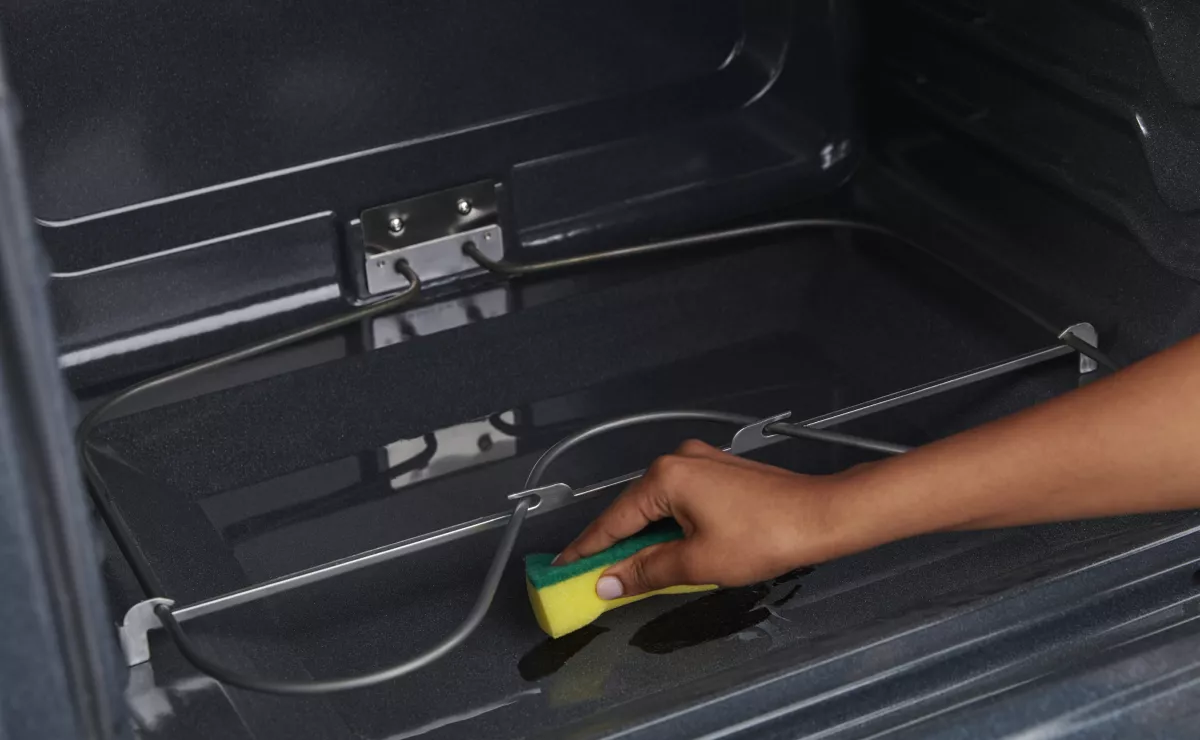
Comparison visual: steam cleaning is lower-temperature alternative to self-clean.
Credit: www.maytag.com
Comparison visual: steam cleaning is lower-temperature alternative to self-clean.
Safety, warranty, and special oven types
- Always consult your oven’s manual first. Manufacturers may specify which cleaning methods void warranty or are not recommended — check the brand page like Maytag’s care resources if you don’t have the paper manual.
- Ovens with catalytic liners or special coatings may be damaged by abrasive scrubbing or acidic cleaners — use only manufacturer-recommended methods.
- Gas ovens: avoid wetting igniters or pilots. For any gas-specific concerns, refer to the appliance manual.
- Smart ovens / electronics: avoid spraying steam or liquid directly onto displays or controls.
If in doubt, call the manufacturer’s customer service or a qualified appliance technician.
Troubleshooting common issues
- Stubborn black carbon that won’t budge: apply baking-soda paste, let sit longer (30–60 min), then scrub with a nylon brush. Repeat if needed.
- Persistent odors after cleaning: run the oven at 350°F (177°C) empty for 10–15 minutes after cleaning to burn off residual moisture and mild odors. If smell persists, check and clean drip trays and racks.
- Rusty racks: remove rust by scrubbing with a paste of baking soda and water; if deeply corroded, replacement may be cheaper and safer.
Frequently asked questions
Q: How long does steam cleaning take from start to finish? A: Expect 30–60 minutes total for a typical steam clean (including prep, 20–25 minutes steaming, cooling, wiping, and spot-scrubbing). Heavy buildup will take longer.
Q: Can I use steam cleaning on any oven type? A: Steam cleaning is suitable for most electric and gas ovens, but check your manual for exceptions (coated racks, catalytic liners, or sensitive electronics). When unsure, consult the manufacturer’s care guidance.
Q: Is steam cleaning safe for oven door glass? A: Yes, but avoid hitting the glass gasket directly with high-pressure steam and use non-abrasive cloths. If the door has a special coating, check the owner’s manual first.
Q: Will steam cleaning damage the oven’s seals or electronics? A: Proper use — avoiding direct, prolonged steam on seals and controls — generally prevents damage. Excessive moisture near seals or electronics is the main risk; maintain distance and use short bursts with steam cleaners.
Q: Can I combine steam with vinegar or baking soda? A: Yes. Vinegar added to steam helps cut grease; baking soda paste works well after steaming for stubborn spots. Avoid combining strong commercial chemical cleaners with steam; fumes may concentrate and irritate.
For more general oven-cleaning options and troubleshooting, see the oven cleaning FAQ on the site’s comprehensive oven cleaning resource.
Conclusion
Steam cleaning is a practical, lower-chemical way to keep most ovens clean: it softens baked-on grime, reduces scrubbing time, and can be done with a handheld steam cleaner or a hot water tray method. Always follow safety steps, protect gaskets and electronics, and consult your oven manual or the manufacturer for model-specific guidance. Try this method on light-to-moderate buildup, and use the baking soda paste or a targeted scrub for problem spots.
If this guide helped, bookmark it for your next cleaning and try a 10–15 minute steam refresh monthly to keep grime from building up.

Hi, I’m Daniel Brooks—a food lover and kitchen gear enthusiast. I enjoy testing cookware, utensils, and gadgets to see what really works in everyday cooking. At PlugChef.com, I share honest reviews, comparisons, and simple guides to help you choose the best tools for a safer, smarter, and more enjoyable kitchen.
Related posts:
 How to Make a Fruit Basket for a Gift: Easy DIY Guide
 Do You Need a Basket? Essential Guide for Air Fryers
 What Blenders Do Tropical Smoothie Use: Expert Insights
Stainless Steel Vs White Kitchen Appliances: Ultimate Showdown
What Blenders Do Tropical Smoothie Use: Expert Insights
Stainless Steel Vs White Kitchen Appliances: Ultimate Showdown
 Kitchen Appliances for Wedding Registry: Must-Have Essentials
 Top 10 Best Non-Toxic Cooking Utensils – Safe & Durable Choices for Healthy Homes

