
Fresh asparagus is a beloved spring staple, with its crisp texture, mild grassy flavor, and high nutrient content making it a versatile addition to everything from weeknight roasts to healthy charcuterie boards or simple side dishes. But asparagus is also one of the most delicate vegetables to store—its high water content and thin stalks mean it can wilt, turn slimy, or lose its vibrant flavor in as little as 2 days if stored incorrectly. Whether you bought a bulk bundle on sale, harvested your own garden asparagus, or just want to reduce food waste, this guide covers every step to keep your spears crisp and tasty for days or even months.
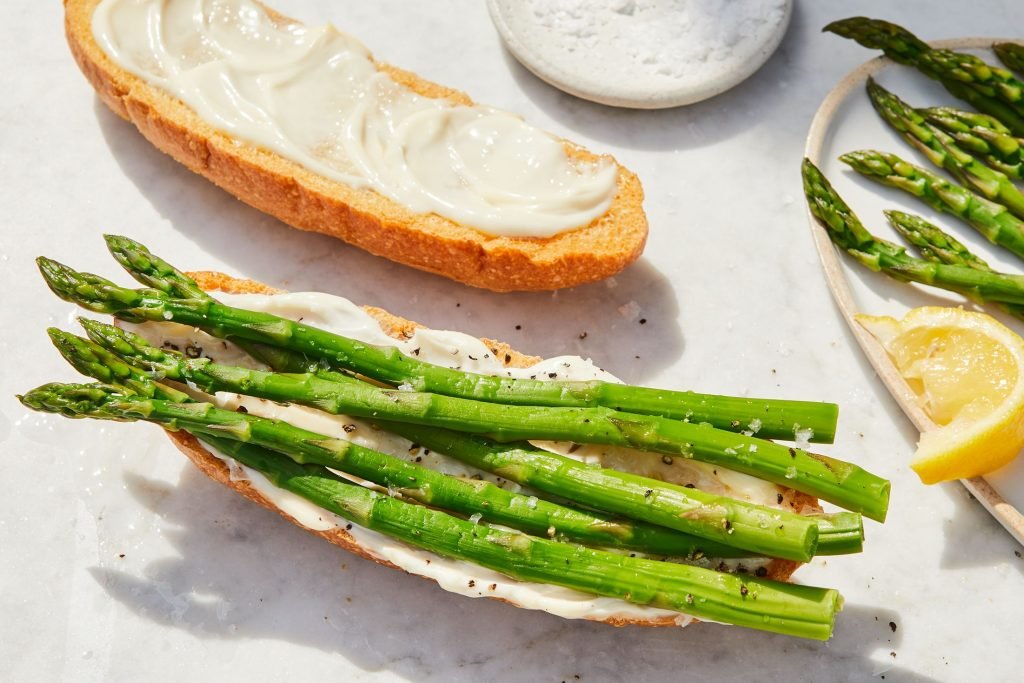
Fresh, crisp asparagus spears stored correctly can last up to 10 days in the fridge
Credit: www.lemon8-app.com
Proper storage starts with selecting the freshest stalks at the grocery store or farmer’s market, followed by simple prep and the right storage method for your timeline. In practice, the difference between soggy, flavorless asparagus and crisp, bright spears comes down to a few small, easy-to-follow steps.
Start With Fresh Asparagus: How to Pick the Best Bundles
You can’t store low-quality asparagus into perfect condition, so selection is the first step to long-lasting freshness. Fresh asparagus holds more nutrients, has a satisfying snap, and will stay edible 2-3x longer than wilted, pre-cut bundles.
Key Signs of Fresh, Crisp Asparagus
When shopping for asparagus, look for these clear markers of peak freshness:
- Firm, turgid stalks that snap cleanly when bent (limp, bendy stalks are already past their prime)
- Tightly closed, compact tips with no open, flowering buds or shedding pollen (open tips indicate over maturity)
- Vibrant green to deep green color, with a subtle purple blush on the tips (avoid yellowed, brown, or dull stalks)
- Smooth, unblemished skin with no dark spots, slimy patches, or mold growth
- Mild, fresh grassy aroma, with no sour, musty, or rotten smells
Stalks to Skip at the Store
Avoid these red flags to prevent wasting money on asparagus that will spoil within a day or two:
- Stalks that feel soft, limp, or rubbery to the touch
- Dry, shriveled, or cracked ends, which indicate the stalks have been sitting out for too long
- Tips that are browning, mushy, or shedding yellow pollen
- Any visible white fuzz, slime, or dark mold spots on the stalks or tips
- Bundles that feel unusually light for their size, which means the stalks are dehydrated
If you’re buying asparagus from a local farmer’s market, it is often harvested the same day, so it will last longer even with basic storage. Still, follow the prep and storage steps below to get the most out of your purchase.
Prep Asparagus Correctly Before Storing
Small prep steps before storing make a massive difference in how long asparagus stays fresh. The goal is to remove the parts that spoil fastest, and avoid adding excess moisture that encourages mold growth.
Trim the Woody Ends First
The bottom 1-2 inches of asparagus stalks are tough, fibrous, and dry out much faster than the tender upper spears. To trim correctly, hold a stalk by the base and the tip, then bend it gently—it will naturally snap at the line between the woody, inedible part and the tender edible part. This is far more accurate than guessing where to cut with a knife, and ensures you don’t waste any of the good part of the spear.
Trimming also removes the part of the stalk that absorbs water least efficiently, so if you’re using the upright water storage method, the remaining spears will stay crisper for longer. Only trim asparagus right before you plan to store it, as exposed cut ends dry out quickly if left sitting out.
Washing: Do It Right (Or Skip It Entirely)
Moisture is the #1 cause of mold and spoilage in stored asparagus, so only wash your spears if you plan to cook them within 24 hours. If you do need to wash them before storage, use cold running water to gently rinse off any dirt or debris, then pat every stalk completely dry with a clean kitchen towel or paper towels—no damp spots should remain, even on the cut ends.
If your asparagus is slightly limp before storing, you can revive it by soaking the trimmed ends in a bowl of cold water for 10-15 minutes to rehydrate the stalks, then patting them completely dry before storing. For everyday cleaning of produce and kitchen surfaces, a gentle produce brush works well to remove stubborn dirt without damaging delicate stalks.
3 Proven Short-Term Refrigerator Storage Methods
All short-term storage methods work best when asparagus is kept in the crisper drawer of your fridge, which maintains higher humidity and a more consistent cool temperature than the rest of the fridge compartment. Below are the three most effective methods, ranked by how long they keep asparagus fresh:
| Storage Method | Expected Freshness | Best For | Key Prep Step |
|---|---|---|---|
| Upright water jar | 7-10 days | Large bundles, meal prepping | Trim woody ends, submerge cut ends in 1-2 inches of water |
| Damp paper towel wrap | 4-6 days | Small bundles, limited fridge space | Pat stalks completely dry before wrapping |
| Perforated plastic bag | 3-4 days | Quick storage, same-week use | Trim ends, leave bag unsealed for airflow |
Method 1: Upright Water Storage (Longest Freshness)
This is the most effective short-term storage method, recommended by the University of Minnesota Extension as the closest way to keep asparagus fresh as the day it was harvested University of Minnesota Extension. To use it:
- Place trimmed asparagus upright in a tall glass, mason jar, or storage container, like a bouquet of flowers.
- Add 1-2 inches of cold water to the bottom, making sure the cut ends are fully submerged, but the tips stay above the water line to avoid sogginess.
- Loosely cover the tips with a damp paper towel or reusable silicone produce bag to trap humidity without sealing in excess moisture.
- Place the container in the fridge, and change the water every 2 days to keep it fresh and prevent bacterial growth.
A common mistake people make with this method is submerging the tips in water, which leads to mushy, slimy spear ends within a few days. If you don’t have a tall enough container, trim the stalks to fit, as long as the cut ends are still fully submerged. This method requires more vertical fridge space, but it is worth it if you bought a large bundle on sale and plan to use it over the course of a week.
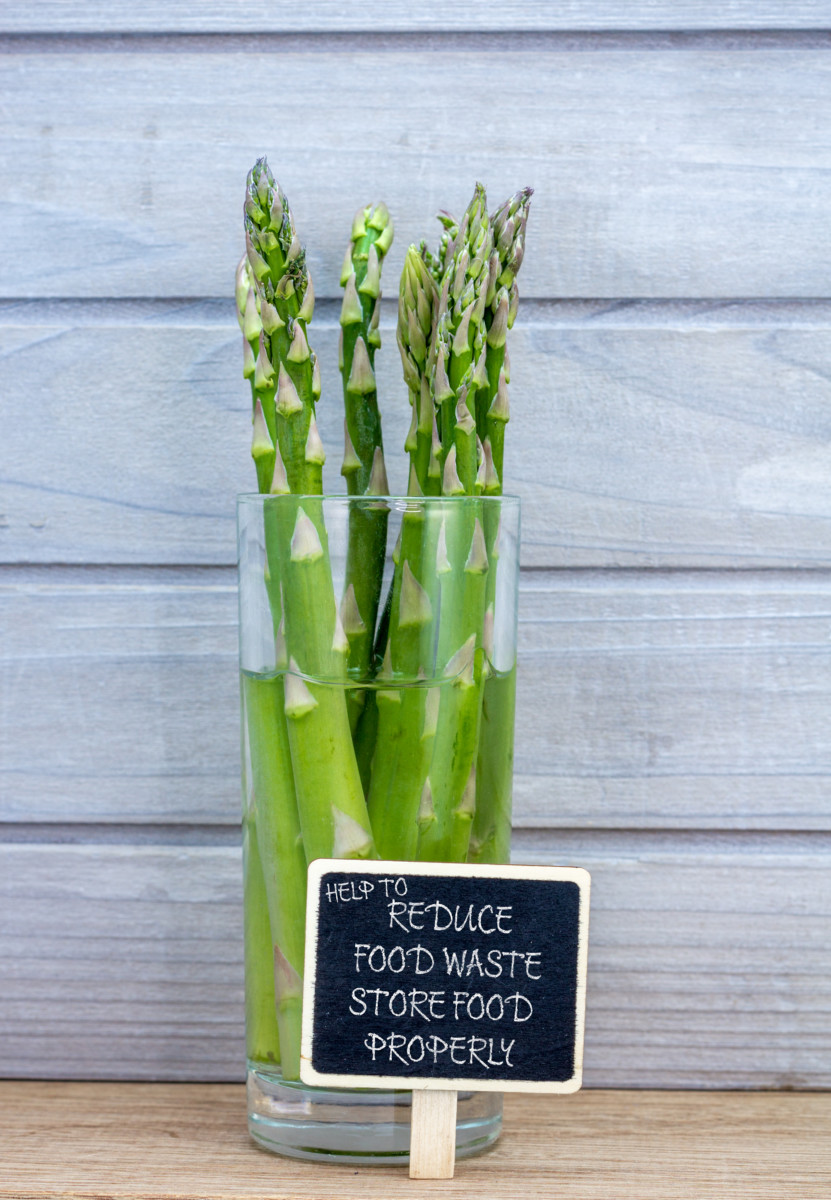 The upright water method keeps asparagus crisp for up to 10 days, nearly as fresh as the day of purchase
Credit: www.ruralsprout.com
The upright water method keeps asparagus crisp for up to 10 days, nearly as fresh as the day of purchase
Credit: www.ruralsprout.com
Method 2: Damp Paper Towel Wrap
If you don’t have space for a water jar, this low-effort method works well for small bundles of asparagus:
- Lay trimmed, completely dry asparagus spears in a single layer on a clean, dry paper towel.
- Gently roll or wrap the paper towel around the spears, making sure it is damp but not dripping wet (sprinkle 1-2 drops of water on the towel if it feels dry).
- Place the wrapped bundle in a perforated plastic produce bag, or a regular plastic bag with 5-10 small holes poked in it for airflow.
- Store in the crisper drawer, and check the paper towel every 2 days: re-dampen it if it has dried out, or replace it entirely if it feels slimy.
This method creates a humid microclimate around the spears that slows moisture loss, without the excess water that causes mold. It’s ideal for people who buy asparagus in small quantities and plan to use it within a week.
Method 3: Perforated Plastic Bag Storage
If you’re short on time and plan to use your asparagus within a few days, this quick method works well:
- Place trimmed, dry asparagus in a perforated plastic produce bag, or poke small holes in a regular plastic bag with a fork to allow air circulation.
- Do not seal the bag tightly—leave a small gap to let excess moisture escape, and avoid compressing the spears.
- Store in the crisper drawer, far away from ethylene-producing fruits like apples, bananas, pears, tomatoes, and avocados, which speed up spoilage.
While this method has the shortest shelf life of the three, it requires no extra prep or containers, making it perfect for busy weeknight cooking.
How to Freeze Asparagus for Long-Term Storage (Up to 12 Months)
If you have more asparagus than you can use in a week, freezing is a great way to preserve its flavor and nutrients for months, even when it’s out of season. Frozen asparagus is perfect for roasted side dishes, soups, stir-fries, and pasta bakes, though it will have a softer texture than fresh, so it’s not ideal for raw eating.
The USDA recommends blanching all vegetables before freezing to stop enzyme activity that causes loss of flavor, color, and texture over time USDA. Skipping this step will result in mushy, dull, off-tasting asparagus within a few months.
Step 1: Blanch Asparagus to Lock In Quality
To blanch asparagus correctly:
- Bring a large pot of salted water to a rolling boil, and prepare a separate bowl of ice water.
- Trim asparagus to your desired size (whole spears, or cut into 1-2 inch pieces for easy use in recipes).
- Add asparagus to the boiling water: blanch thin spears for 2 minutes, medium spears for 3 minutes, and thick spears for 4 minutes.
- Immediately transfer the asparagus to the ice water for the same amount of time as you blanched it, to stop the cooking process.
- Pat the spears completely dry with paper towels to remove all excess moisture, which causes freezer burn.
Step 2: Package for Freezer Storage
There are two easy ways to package blanched asparagus for freezing:
- Individual quick freeze (IQF): Arrange dried, blanched asparagus in a single layer on a baking sheet lined with parchment paper, place in the freezer for 1-2 hours until solid, then transfer to a freezer-safe airtight bag or container. This prevents spears from sticking together, so you can grab just the amount you need for a recipe without thawing the whole batch.
- Bulk freeze: Place all asparagus in a freezer bag, squeeze out as much air as possible (use a vacuum sealer for best results) to prevent freezer burn. Label the bag with the date, and store for up to 12 months. Note that while frozen asparagus is safe to eat after 12 months, its flavor and texture will start to decline after that point.
Frozen asparagus does not need to be thawed before cooking—just add it directly to your recipe, and adjust cooking time by 2-3 minutes to account for its already softened texture.
5 Common Asparagus Storage Mistakes to Avoid
Even with the best intentions, small errors can cut your asparagus’s shelf life in half. Avoid these common pitfalls to keep your spears fresh longer:
- Trimming asparagus right after buying, then leaving it unrefrigerated: Exposed cut ends dry out quickly at room temperature. Trim asparagus only right before you plan to store it in the fridge or freezer, or wrap the cut ends in a damp paper towel if you need to wait a few hours to store it.
- Sealing asparagus in an airtight bag without ventilation: This traps excess moisture, leading to mold and sliminess within 2 days, even if the stalks were fresh when stored. Always use a perforated bag, or leave a small gap in a regular bag for airflow.
- Storing asparagus near ethylene-producing fruits: Apples, bananas, pears, tomatoes, and avocados release ethylene gas, which speeds up the aging and spoilage of asparagus. Keep asparagus in a separate crisper drawer from these fruits to extend its shelf life.
- Storing asparagus in the warmest part of the fridge: The fridge door is the warmest area, and temperature fluctuations cause asparagus to wilt faster. Always store it in the crisper drawer, which maintains a consistent, cool temperature and high humidity.
- Using the water storage method but submerging the tips: If the delicate tips are under water, they will turn mushy and slimy within days. Always keep the tips above the water line, and loosely cover them with a damp paper towel to trap humidity.
How to Revive Slightly Wilted Asparagus
If you forgot to store your asparagus properly and it’s starting to go limp, you can often revive it for use in cooked dishes:
- Trim off the woody ends as you would for fresh storage.
- Place the stalks upright in a jar of cold water, with the cut ends fully submerged.
- Let the asparagus sit at room temperature for 30-60 minutes to rehydrate.
- Pat the spears dry, then store using one of the short-term refrigerator methods above.
This method works best for slightly wilted asparagus that is still firm to the touch. If the spears are already slimy, mushy, or have mold growth, discard them immediately—do not try to cook or eat spoiled asparagus, as it can cause foodborne illness.
How to Tell If Asparagus Has Gone Bad
It’s important to know the difference between slightly wilted asparagus that can be revived, and spoiled asparagus that needs to be thrown away. Look for these clear signs of spoilage:
Visual Indicators
- Tips that are mushy, slimy, or have turned dark brown or black
- White, fuzzy mold growth on the stalks or tips
- Stalks that are shriveled, yellowed, or have dark, sunken spots
- Cut ends that are dark, mushy, or oozing liquid
Texture and Smell Cues
- Stalks that are limp, rubbery, or bend easily without snapping
- Tips that feel sticky or slimy to the touch
- Strong sour, rotten, or musty odor (fresh asparagus has a mild, fresh grassy smell)
If only the very tips are slightly mushy but the stalks are still firm, you can trim off the bad tips and use the rest immediately in cooked dishes like soups, stir-fries, or roasted vegetables. If the spoilage signs extend down the stalks, discard the entire bunch. If you do end up with spoiled asparagus, a heavy-duty produce scrubber makes quick work of cleaning any residue from your fridge shelves or cutting boards to prevent cross-contamination with other produce.

Frequently Asked Questions
How long does properly stored asparagus stay fresh?
Using the upright water storage method, fresh asparagus stays crisp for 7-10 days. The damp paper towel method keeps it fresh for 4-6 days, and the perforated bag method lasts 3-4 days. Frozen asparagus (blanched and stored properly) stays high quality for up to 12 months.
Can I store asparagus without trimming it first?
You can, but trimming the woody ends first extends shelf life by 1-2 days, as the tough, fibrous bottom ends dry out faster than the tender upper stalks. If you don’t want to trim before storing, wrap any pre-cut ends in a damp paper towel to slow drying.
Is it okay to store asparagus at room temperature?
Asparagus stays fresh at room temperature for only 4-6 hours, and will start to wilt and lose flavor quickly. For any storage longer than a few hours, refrigerate or freeze it immediately. If you need to store it on the counter for a short time, place the trimmed ends in a small amount of water, like a bouquet of flowers, and keep it out of direct sunlight.
Can I freeze asparagus without blanching it first?
It is not recommended. Blanching stops enzyme activity that causes loss of flavor, color, and texture during freezing. Unblanched frozen asparagus will become mushy, dull, and develop off-flavors within a few months.
Why does my stored asparagus get slimy so quickly?
Sliminess is almost always caused by excess moisture and poor airflow. Avoid sealing asparagus in an airtight bag, and make sure stalks are completely dry before storing. If using the water method, change the water every 2 days to prevent bacterial growth. If using the paper towel method, replace the towel if it becomes damp or slimy.
Conclusion
Proper asparagus storage comes down to three simple rules: start with fresh, firm stalks, trim the woody ends to remove the part that dries out fastest, and choose the storage method that matches your timeline. For the longest freshness, use the upright water method in the fridge; for short-term use, the damp paper towel or perforated bag methods work well. If you have extra asparagus, blanch and freeze it for up to a year of fresh flavor.
Avoid common mistakes like sealing asparagus in airtight bags, storing it near ethylene-producing fruits, and letting cut ends sit exposed to air. If your asparagus does start to wilt, you can often revive it with a quick cold water soak. By following these steps, you’ll reduce food waste, save money on out-of-season asparagus, and always have crisp, tasty spears on hand for your favorite recipes.
If you’re prepping asparagus for a week of meals, keep your cutting board and produce tools in top shape with our all-purpose kitchen brush collection to make post-cooking cleanup fast and easy. For more tips on keeping your kitchen produce fresh and your cooking space organized, check out our kitchen produce storage guides for additional advice.

I’m Abby Lu, a passionate home cook who loves simplifying everyday meals. At PlugChef.com, I share product reviews and cooking guides to help you find the best tools for your kitchen.
Related posts:
 Organizer for Corner Kitchen Cabinet: Maximize Your Space
 3 Tier Dish Drying Rack: Maximize Kitchen Space Effortlessly
 2 Tier Drying Rack Dishes: Maximize Kitchen Space
 Draw a Diagram Showing How Mitosis Creates Life Stages
 Sterno Chafing Dish Wire Rack: Ultimate Catering Essential
 Oxo Good Grips Expandable Utensil Drawer Organizer: Maximize Space

