
A sharp, well-made kitchen knife transforms meal prep from a tedious chore into an enjoyable, efficient task, and American-made cutlery has earned a global reputation for durability, consistent performance, and precise engineering. But with dozens of brands marketing "USA-style" or "USA-assembled" products in 2026, separating truly domestic knives from imported imitations takes insider knowledge. This guide breaks down exactly what to look for, from blade materials to brand reputations, so you can invest in a knife that lasts decades without overspending.
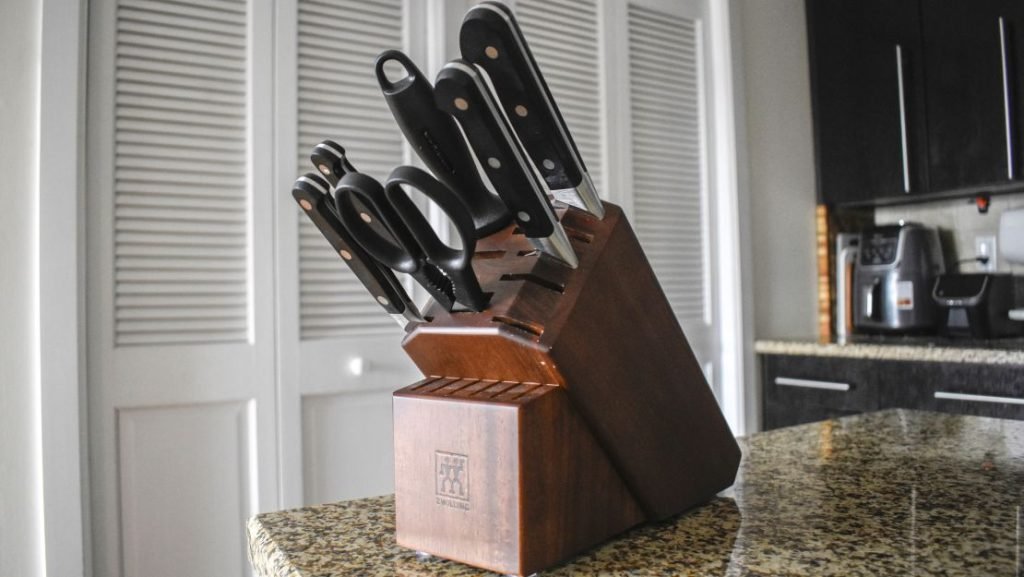
 A curated set of American-made knives eliminates the need for cheap, short-lived imported alternatives.
Image source: www.cnn.com
A curated set of American-made knives eliminates the need for cheap, short-lived imported alternatives.
Image source: www.cnn.com
Why Choose USA-Made Kitchen Knives?
Many cooks assume all high-quality knives are made in Germany or Japan, but American cutlery manufacturers have a long history of producing some of the most durable, reliable kitchen tools on the market. Choosing a truly USA-made knife comes with key benefits:
- Strict domestic quality control standards ensure consistent performance and minimal defects
- Most high-end USA-made knives use domestically sourced high-carbon steel that holds an edge longer than low-grade imported stainless steel
- Purchasing domestic products supports US manufacturing jobs and local economies
- Reputable American brands offer accessible lifetime warranties and in-country repair services, so you can get your knife sharpened or rehandled if it becomes damaged over time
A common mistake buyers make is assuming a "designed in the USA" or "USA assembled" label means the knife is fully manufactured domestically. Many brands import stamped blades and handles from overseas, only doing final assembly in the US to qualify for marketing claims. Always look for a permanent "Made in USA" stamp on the blade tang, not just vague marketing language, to confirm full domestic production. For more context on the strength of domestic manufacturing, explore our overview of domestic small appliance production to see how US-made kitchen tools are built to last.
Core Knife Types Every Home Cook Should Prioritize
You don’t need a 20-piece knife set to cover all your cooking tasks — 3-4 high-quality USA-made knives will handle 90% of home prep work. Below is a breakdown of the most essential types, and what to look for in American-made versions:
| Knife Type | Primary Use | Ideal USA-Made Specs |
|---|---|---|
| Chef's Knife (8-10 inch) | All-purpose chopping, slicing, dicing vegetables, meat, and herbs | Full tang, 1095 or 440C high-carbon stainless steel blade, ergonomic handle |
| Paring Knife (3-4 inch) | Peeling fruit, trimming fat, removing seeds, small precision tasks | Thin, sharp blade, lightweight design for extended use |
| Serrated Bread Knife (9-10 inch) | Slicing bread, tomatoes, citrus, and other soft-skinned produce without crushing | Toothed, rust-resistant steel edge that holds sharpness for acidic foods |
| Boning Knife (5-6 inch) | Removing meat from bones, trimming sinew, filleting fish | Flexible or stiff blade option, high edge retention for precision cuts |
| Utility Knife (4-5 inch) | Mid-sized tasks: sandwich prep, cheese slicing, small fruit cutting | Versatile blade length, comfortable non-slip grip for long use |
For most home cooks, an 8-inch chef's knife and 3-inch paring knife are the two non-negotiable pieces to start with. Add a serrated bread knife if you bake regularly, or a boning knife if you frequently work with whole cuts of meat. A utility knife is also ideal for slicing hard cheeses for charcuterie boards — follow our guide to slicing gouda for boards for clean, even cuts every time. Many USA-made brands sell individual knives rather than expensive pre-assembled sets, so you can build your collection over time as your needs change.
Key Features to Evaluate When Shopping
Not all USA-made knives are created equal, so prioritize these features to avoid low-quality imitations and get the best value for your budget.
Blade Material
The two most common blade materials for high-quality American-made knives are high-carbon stainless steel and pure high-carbon steel, each with distinct trade-offs:
- High-carbon stainless steel (1095 or 440C grade): The most popular option for home cooks, as it balances rust resistance and edge retention. It won’t rust if dried immediately after washing, and holds a sharp edge for 6-12 months with regular use. This steel meets domestic steel industry standards for durability and food safety.
- Pure high-carbon steel (1095 grade): Preferred by professional chefs for its exceptional edge retention and ease of sharpening, but it requires more frequent maintenance. It will develop a dark patina over time if not wiped with food-grade mineral oil after each use, and is more prone to rust if left wet.
Avoid knives marketed only as "stainless steel" without a specific grade or carbon content listed, as these often use low-quality steel that dulls within weeks of regular use.
Handle Construction
Your knife’s handle impacts grip, comfort, and long-term durability. The most common options for USA-made knives are:
- Polypropylene: Lightweight, non-porous, and dishwasher-safe (though hand washing is still recommended to preserve the blade). It’s ideal for cooks with small hands, arthritis, or limited grip strength, as it’s easy to hold even when wet.
- Micarta: A layered fabric composite that is extremely durable and develops a natural non-slip patina with use. It’s the most common handle material for premium hand-forged American knives.
- Stabilized wood: Warm, comfortable to hold, and aesthetically pleasing, but requires occasional oiling to prevent cracking. It’s a popular choice for heirloom-quality knives meant to last generations.
Avoid hollow plastic handles, which crack easily, feel unbalanced, and can harbor bacteria in small crevices.
Balance & Weight
A knife’s balance point determines how little effort it takes to use for extended prep sessions. For an 8-inch chef's knife, the ideal balance point is right at the base of the blade where it meets the handle — this means the knife does most of the work for you when chopping, reducing wrist fatigue during long cooking sessions.
Heavier knives (12-16oz) are better for cutting through dense ingredients like winter squash or bone, while lighter knives (8-12oz) are better for precision tasks like fruit peeling or herb mincing. Always hold the knife in your dominant hand for 10-15 seconds when testing in-store to confirm it feels comfortable and well-balanced for your hand size.
Full Tang Construction
A full tang means the metal of the blade runs the entire length of the handle, rather than being a thin, stamped blade attached to a separate, hollow handle. Full tang knives are far more durable, less likely to break if dropped, and have better overall balance than partial tang or stamped knives. Almost all high-quality USA-made knives use full tang construction, so this is a key feature to look for to avoid low-quality imported imitations marketed as American-made.
Warranty & Brand Support
Reputable USA knife brands offer lifetime warranties that cover defects in materials or workmanship, and many will sharpen or rehandle your knife for a small fee if it becomes damaged over time. Avoid brands that only offer 1-2 year warranties, as this is a sign of lower-quality materials and construction. Look for brands with a physical presence in the US, so you can easily contact customer support if you have issues with your knife.
Budget Planning for USA-Made Knives
You don’t need to spend $500 to get a high-quality USA-made knife, but avoiding the cheapest options will save you money long-term, as low-quality knives dull quickly and need to be replaced every 1-2 years. Below is a breakdown of what to expect at different price points in 2026:
- Entry-level ($50-$100): Stamped high-carbon stainless steel blades, polypropylene handles, full tang construction. Perfect for casual home cooks, with brands like Victorinox’s USA-made lines falling in this range. These knives hold an edge for 6-12 months with regular use, and are a great starting point for new cooks.
- Mid-range ($100-$300): Forged high-carbon steel blades, ergonomic composite or stabilized wood handles, lifetime warranties. Brands like Dexter-Russell, Kershaw, and Wüsthof’s Conrad line fall here. These knives hold an edge for 1-2 years with proper care, and can be sharpened dozens of times over their lifespan.
- Premium ($300+): Hand-forged blades, premium handle materials, custom engraving options, and lifetime sharpening services. Brands like Lamson and Benchmade fall in this range. These are heirloom-quality knives that can last a lifetime if properly cared for, and are worth the investment for serious home cooks who prep food regularly.
A common mistake is buying a cheap 10-piece knife set for $50 — these are almost always made with low-quality stamped steel that dulls in weeks, and you’ll end up spending more replacing individual knives over time. It’s far better to start with 2-3 high-quality individual knives and add to your collection as needed. Pairing your USA-made knives with other durable, long-lasting kitchen tools will round out your prep setup for years to come, from classic kitchen appliance styles to heavy-duty cutting boards.
Top Domestic Knife Brands to Trust in 2026
As of 2026, these are the most reputable USA-made knife brands, all with transparent manufacturing locations and material sourcing:
- Dexter-Russell: The oldest continuously operating knife manufacturer in the US, founded in 1819 in Southbridge, Massachusetts. Their knives are hand-finished with domestically sourced high-carbon steel, and are popular in both home and professional kitchens. Their 8-inch chef's knife is a reliable workhorse that retails for under $100.
- Victinox (USA Line): While the Swiss brand is global, their factory in Tyler, Texas produces a line of fully USA-made kitchen knives with the same high-quality 1095 steel as their Swiss models, at a slightly lower price point. Their paring and utility knives are especially popular for their lightweight, ergonomic design.
- Wüsthof (Conrad Line): The German brand’s factory in Conrad, Connecticut produces a fully USA-made line of forged knives with the same precision engineering as their imported models, with a lifetime warranty and excellent edge retention.
- Lamson: Based in Freeport, Maine, Lamson produces hand-forged, heirloom-quality knives with stabilized wood handles, ideal for serious home cooks who want a custom, comfortable feel. Their knives come with a lifetime sharpening service for US customers.
- Kershaw: Based in Tualatin, Oregon, Kershaw is best known for their kitchen and outdoor knives, with mid-range options that use high-quality 440C steel and ergonomic handles, perfect for cooks who need a durable knife for heavy, frequent use.
Note that popular brands like Shun, Global, and Zwilling are fully imported, so avoid them if you are specifically looking for 100% USA-made products.
Proper Care & Maintenance for Decades of Use
A high-quality USA-made knife can last 20+ years with proper care, while a cheap imported knife will dull and break in 1-2 years. Follow these simple steps to keep your knife in top condition:
- Hand wash only: Never put your knife in the dishwasher, as harsh detergents and high heat will dull the blade and damage the handle. Wash with warm, soapy water immediately after use, and dry thoroughly with a towel to prevent rust or water spots.
- Hone regularly: Use a honing steel once every 2-3 uses to realign the blade’s edge, which keeps it sharp for longer. Honing does not remove metal from the blade, so it won’t wear down your knife over time.
- Sharpen when needed: Sharpen your knife once every 1-2 years with a whetstone, or send it back to the manufacturer for professional sharpening (most USA brands offer this service for a small fee). A sharp knife is far safer than a dull one, as it requires less force to cut and is less likely to slip.
- Store safely: Avoid throwing knives loose in a drawer, as this will dull the blade and increase the risk of accidental cuts. Store your knives in a magnetic strip, knife block, or organized drawer system with individual slots to protect the blade and keep them easily accessible.
If you have a pure high-carbon steel blade, wipe it with a light coat of food-grade mineral oil after washing to prevent rust and dark patina. Pairing your knife with a well-maintained cutting board will also extend its life — learn keeping your board food-safe to avoid dulling the blade with deep cuts or scratches.
 Proper grip and consistent honing keep your knife sharp for years of regular use.
Image source: www.cnn.com
Proper grip and consistent honing keep your knife sharp for years of regular use.
Image source: www.cnn.com
Frequently Asked Questions
What actually makes USA-made kitchen knives different from imported options?
USA-made knives are subject to stricter domestic quality control standards, most use domestically sourced high-carbon steel that holds an edge longer than the low-grade stainless steel used in most imported mass-market knives, and brands typically offer more accessible lifetime warranties and in-country repair services. Many imported knives also use stamped, partial tang construction that is far less durable than the full tang construction standard in American-made cutlery. Follow USDA food safety guidelines when handling all kitchen knives to reduce your risk of injury.
Which steel type is best for USA kitchen knives?
For most home cooks, high-carbon stainless steel (typically 1095 or 440C grade) is the best choice, as it offers the perfect balance of rust resistance and edge retention. Pure high-carbon steel holds an edge longer and is easier to sharpen, but requires more frequent maintenance to prevent rust and patina. Avoid knives made with unknown or low-grade stainless steel, as these will dull within weeks of regular use.
How do I check if a knife is truly made in the USA?
Look for a permanent "Made in USA" stamp on the blade tang, not just marketing claims on the packaging. Avoid products labeled "USA assembled," "designed in the USA," or "with American steel," as these often use imported components and only do final assembly in the US to qualify for marketing claims. Reputable brands will clearly list their manufacturing location on their website and product pages.
Why is handle material important for USA-made knives?
The right handle material reduces hand fatigue during long prep sessions, provides a non-slip grip even when wet, and won’t crack or degrade over time. For cooks with arthritis or small hands, lightweight polypropylene handles are the most comfortable, while stabilized wood or micarta handles offer better grip and durability for heavy, frequent use.
Do USA-made knives hold an edge longer than imported options?
In most cases, yes — high-quality USA-made knives use higher-grade steel and more precise heat treatment processes than mass-produced imported knives, so they hold an edge 2-3 times longer with regular home use. That said, edge retention also depends on how well you care for your knife: regular honing and proper storage will extend the life of any knife, regardless of origin.
Final Tips for Choosing the Right USA-Made Knife
The best USA-made kitchen knife for you depends on your cooking habits, budget, and comfort preferences. Start with a high-quality 8-inch chef's knife and 3-inch paring knife to cover most of your prep needs, then add a serrated bread knife or boning knife if you regularly bake or work with whole cuts of meat. Always prioritize full tang construction and high-carbon stainless steel for the best long-term value, and avoid cheap imported imitations marketed as American-made. With proper care, a high-quality USA-made knife will last a lifetime, and become one of the most used tools in your kitchen. If you’re building out a full lineup of American-made kitchen gear, our roundup of domestic small kitchen tools has vetted options for every prep need.

I’m Abby Lu, a passionate home cook who loves simplifying everyday meals. At PlugChef.com, I share product reviews and cooking guides to help you find the best tools for your kitchen.
Related posts:
 3 Tier Lazy Susan Spice Rack: Organize & Maximize Space
 How to Make a Spice Rack: DIY Guide for Kitchen Bliss
 Sweet Cream for Coffee Recipe: Easy, Rich & Delicious Delight
 Good Sides for Beef Tenderloin: Perfect Pairings to Impress Guests
 Penne Pasta Broccoli And Chicken: Easy, Delicious, and Healthy Recipe
 Shrimp in the Crock Pot: Easy, Flavorful Recipes for Busy Nights

