
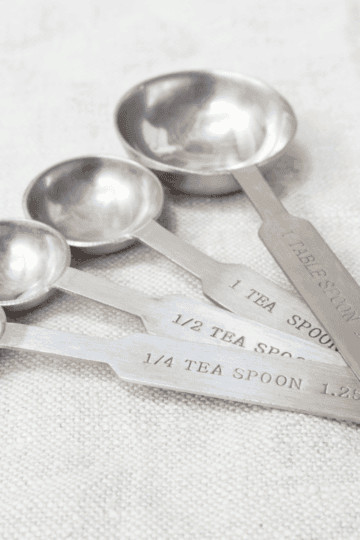
Have you ever started a recipe only to get stuck wondering how many teaspoons make up a tablespoon? It’s a small question, but it can make a big difference in your cooking or baking.
Getting the measurements right ensures your dish turns out just as delicious as you want it. Keep reading, and you’ll never have to guess again—your kitchen skills are about to get a simple but powerful upgrade.
Tsp And Tbsp Basics
Understanding the basics of teaspoons and tablespoons is important for cooking and baking. These measurements help keep recipes accurate and consistent. Knowing their sizes and differences makes following recipes easier. Here, we explain what each one means and how they relate to each other.
What Is A Teaspoon?
A teaspoon is a small unit of measurement. It is used for both liquid and dry ingredients. One teaspoon equals about 5 milliliters. It is commonly used for spices, extracts, and small amounts of liquid.
Teaspoons come in measuring sets or as part of cutlery. They help control flavor and texture in recipes. Using the right amount keeps dishes balanced.
What Is A Tablespoon?
A tablespoon is larger than a teaspoon. It measures about 15 milliliters. Tablespoons are used for bigger amounts of ingredients. Common uses include oils, sauces, and baking ingredients.
Tablespoons often come with teaspoon sets. They make measuring easier and more precise. Knowing the size difference helps adjust recipes correctly.

Credit: www.anzhucraft.com
Standard Measurement Conversion
Understanding standard measurement conversions is essential in the kitchen. It ensures your recipes turn out exactly as intended. Even a small mistake in measurement can change the flavor, texture, or appearance of your dish.
How Many Tsp In A Tbsp
One tablespoon equals three teaspoons. This is a simple but important fact to remember. Whether you’re measuring spices, baking ingredients, or sauces, knowing this conversion saves time and prevents errors.
Here’s a quick reference:
| Measurement | Equivalent |
|---|---|
| 1 Tablespoon (Tbsp) | 3 Teaspoons (Tsp) |
Why Accurate Measurements Matter
Have you ever added too much salt or too little baking powder? Precise measurements can be the difference between a delicious meal and a disappointing one. When you measure ingredients accurately, you control the taste and texture of your food.
Accurate measurement also helps when scaling recipes up or down. It prevents waste and saves money. When you get this right, cooking and baking become less stressful and more enjoyable.
Measuring Tips
One tablespoon equals three teaspoons, a simple rule for cooking and baking. Measuring correctly helps recipes turn out just right every time. Keep this conversion in mind for quick and easy ingredient adjustments.
Measuring ingredients accurately can make or break your recipe. Precision is key, especially when converting measurements, such as knowing how many teaspoons are in a tablespoon. While it might seem trivial, understanding these basics can elevate your cooking and baking skills. Here are some practical measuring tips to ensure you’re always on point.Using Measuring Spoons Correctly
Measuring spoons are a staple in every kitchen, but are you using them correctly? Make sure each spoon is level. This might mean using a straight edge, like a knife, to scrape off excess ingredients. Whether you’re measuring liquids or solids, ensure you fill the spoon completely for accuracy. Always use the correct spoon for the job. Using a tablespoon when you need a teaspoon can lead to disastrous results in your recipe. Remember, three teaspoons equal one tablespoon.Common Mistakes To Avoid
A common mistake in measuring is not checking the labels on your spoons. Are you sure you’re using a teaspoon and not a dessert spoon? This small oversight can lead to big errors. Another pitfall is measuring over your mixing bowl. A slight slip can result in too much of an ingredient being added. Always measure over a separate bowl or plate to prevent this issue. Finally, don’t rely on visual estimates. Your eyes can deceive you, leading to inaccurate measurements. Always use the right tools for the most precise results. Have you ever been surprised by how much a little extra salt or baking soda can alter a dish? It’s these small details that highlight the importance of accurate measurements. Keep your measuring skills sharp, and your recipes will thank you.Conversions In Cooking
Conversions in cooking can seem tricky, but they are essential to get your recipe just right. Knowing how to switch between teaspoons and tablespoons, or other units, saves you time and prevents mistakes. It also helps when you want to adjust a recipe to serve more or fewer people without guessing measurements.
Adjusting Recipes Easily
Have you ever doubled a recipe and ended up with too much salt or spice? Understanding that 1 tablespoon equals 3 teaspoons allows you to scale ingredients smoothly. If a recipe calls for 2 tablespoons of sugar but you want to make half the amount, you can quickly measure out 3 teaspoons instead.
Simple conversions like this help you keep flavors balanced. They also let you experiment with ingredient amounts confidently. Next time you need to tweak a recipe, try converting the measurements before adjusting, and notice how much more precise your cooking becomes.
Converting Between Other Units
Beyond teaspoons and tablespoons, cooking often involves converting cups, ounces, and milliliters. For example, 1 cup equals 16 tablespoons or 48 teaspoons. Knowing this helps when you only have smaller measuring spoons or cups on hand.
| Unit | Equivalent |
|---|---|
| 1 tablespoon (Tbsp) | 3 teaspoons (tsp) |
| 1 cup | 16 tablespoons (Tbsp) |
| 1 cup | 48 teaspoons (tsp) |
Have you ever found yourself without the right measuring tool? This kind of knowledge lets you adapt quickly and avoid last-minute trips to the store. It also makes it easier to follow recipes from different countries that use various measurement systems.
Tools For Perfect Measures
Getting your measurements right is key to any successful recipe. Using the right tools helps you avoid guesswork and ensures consistency every time you cook or bake. Let’s take a closer look at some essential measuring tools that can make your kitchen experience smoother and more accurate.
Best Measuring Spoons
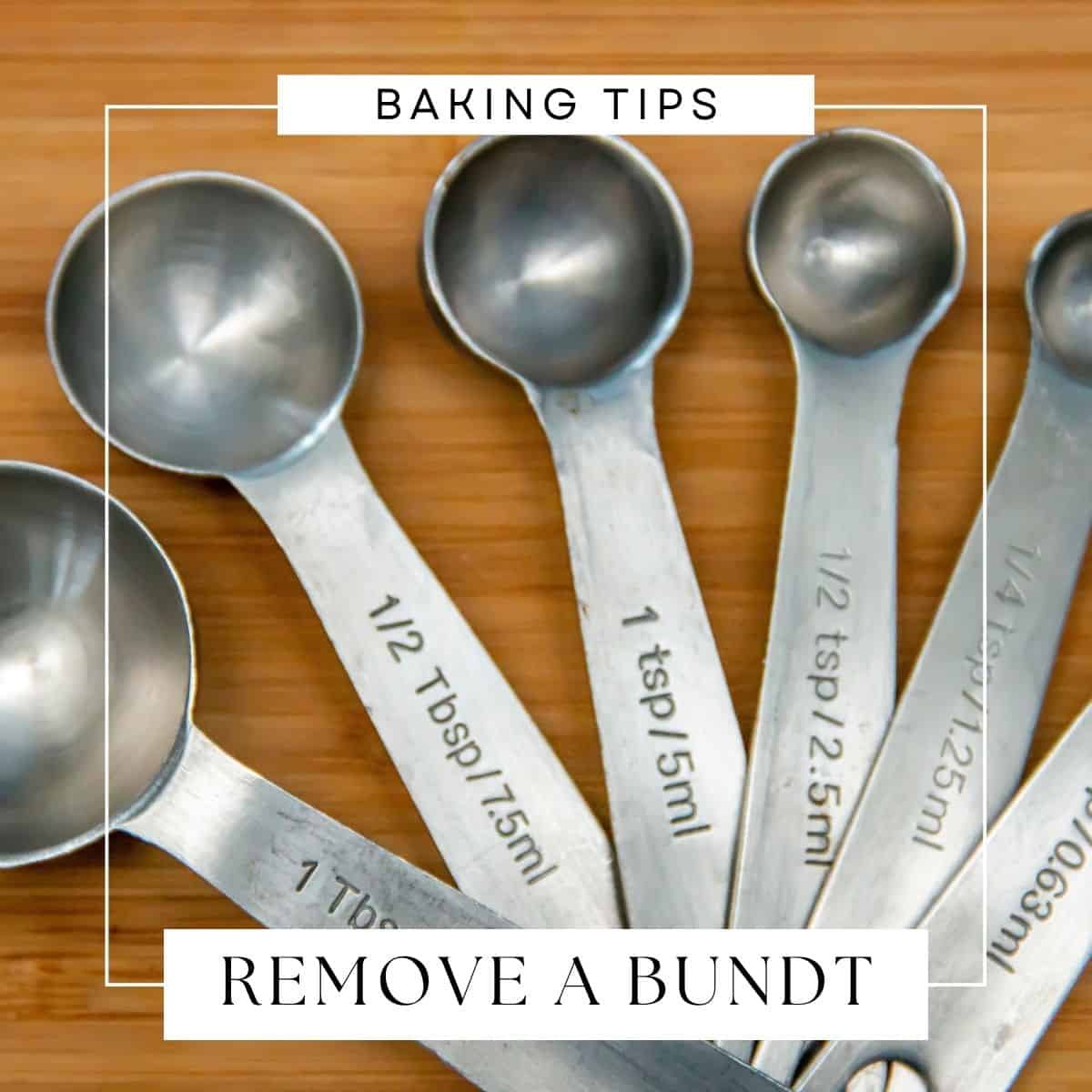
Measuring spoons come in many shapes and materials, but the best ones offer clear markings and sturdy construction. Stainless steel spoons are durable and easy to clean, while plastic ones can be lightweight and colorful. Choose spoons with engraved measurements that won’t fade after repeated washing.
Look for sets that include both teaspoons (tsp) and tablespoons (tbsp) to cover all your needs. Some spoons are designed with a flat edge to level off ingredients easily. Have you noticed how much easier your recipes turn out when your measuring spoons don’t spill or leak?
Digital Vs Manual Tools
Digital measuring tools, like electronic scales, offer precision down to the gram or ounce. They can be especially handy when recipes require exact amounts or when you want to measure ingredients by weight instead of volume.
Manual tools, such as measuring cups and spoons, are simple and reliable for everyday use. They don’t require batteries and are usually more affordable. You might find that a combination of digital and manual tools works best depending on what you’re cooking.
Which type fits your kitchen style? If you often bake intricate desserts, a digital scale might become your best friend. For quick meals and easy recipes, manual spoons and cups get the job done without fuss.
Credit: mysweetprecision.com

Credit: www.amazon.ca
Frequently Asked Questions
How Many Teaspoons Are In One Tablespoon?
One tablespoon equals three teaspoons. This is a standard conversion used in cooking and baking worldwide. Knowing this helps in accurate recipe measurements and ingredient substitutions.
Why Is The Teaspoon To Tablespoon Ratio Important?
The ratio ensures precise ingredient amounts in recipes. Accurate measurements affect taste, texture, and cooking results. Using the correct ratio prevents under or over-seasoning your dishes.
Can I Substitute Teaspoons For Tablespoons In Recipes?
Yes, but adjust quantities carefully. Use three teaspoons to replace one tablespoon. This helps maintain recipe balance and avoid altering the dish’s flavor or consistency.
Are Tablespoon And Teaspoon Sizes The Same Globally?
No, sizes may vary slightly by country. However, the 1 tablespoon = 3 teaspoons rule applies in most recipes internationally. Always check specific regional standards if unsure.
Conclusion
Knowing how many teaspoons are in a tablespoon helps in cooking and baking. One tablespoon equals three teaspoons. This simple fact avoids mistakes in recipes. Measuring ingredients correctly saves time and effort. Keep this tip in mind for better results.
Cooking becomes easier and more enjoyable this way. Small details like this make a big difference. Remember, accurate measurements lead to tasty dishes every time.

Hi, I’m Daniel Brooks—a food lover and kitchen gear enthusiast. I enjoy testing cookware, utensils, and gadgets to see what really works in everyday cooking. At PlugChef.com, I share honest reviews, comparisons, and simple guides to help you choose the best tools for a safer, smarter, and more enjoyable kitchen.
Related posts:
 What Type of Cooking Utensils are Safe: Expert Picks
 What Innovations Could Blenders Make: Unleashing Future Tech
 Smart Strategies to Organize a Small Kitchen: Maximize Space
 How to Organize a Kitchen Cabinet: Expert Tips & Tricks
 How to Organize Kitchen Drawers: Expert Tips and Tricks
 How to Organize a Corner Kitchen Cupboard: Expert Tips

