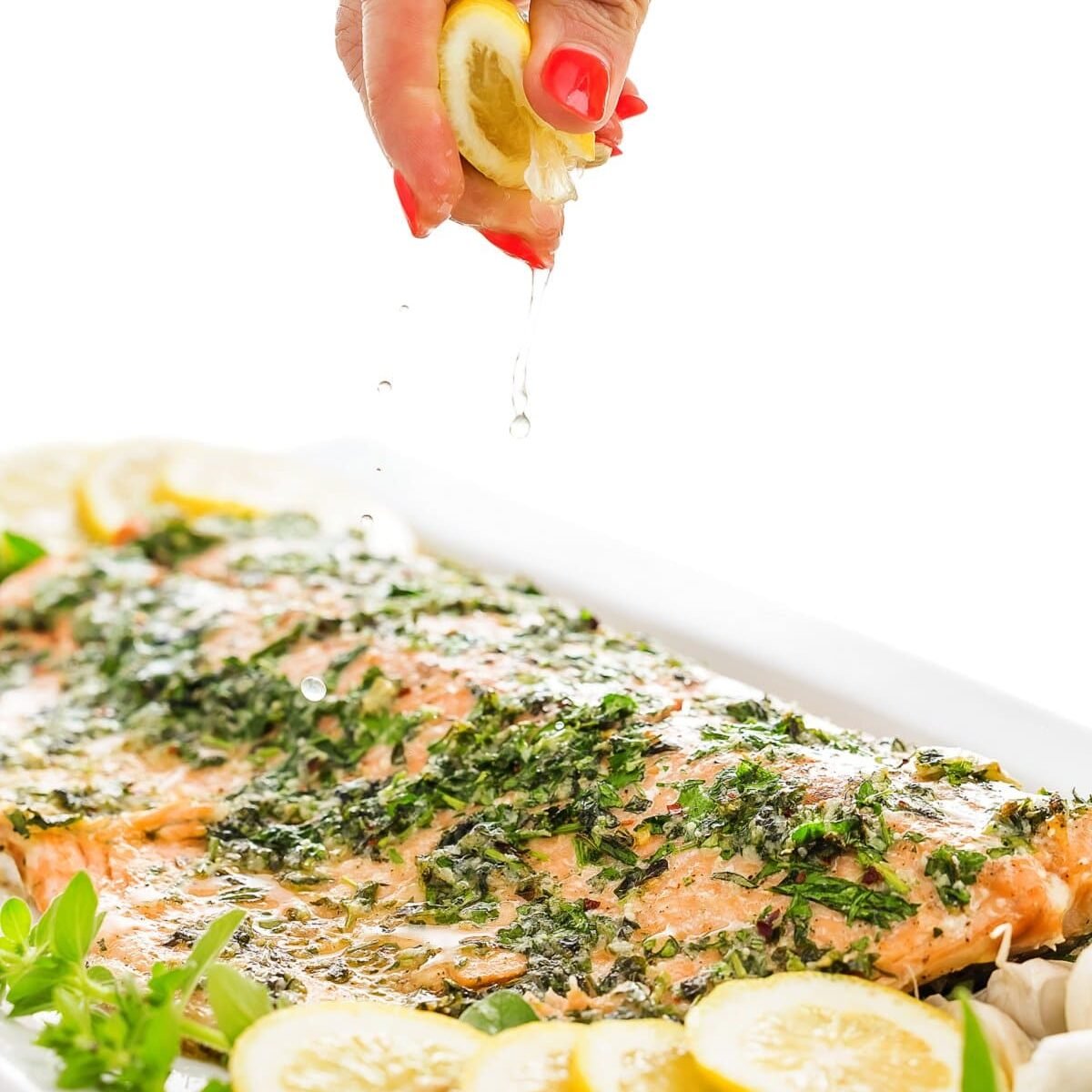
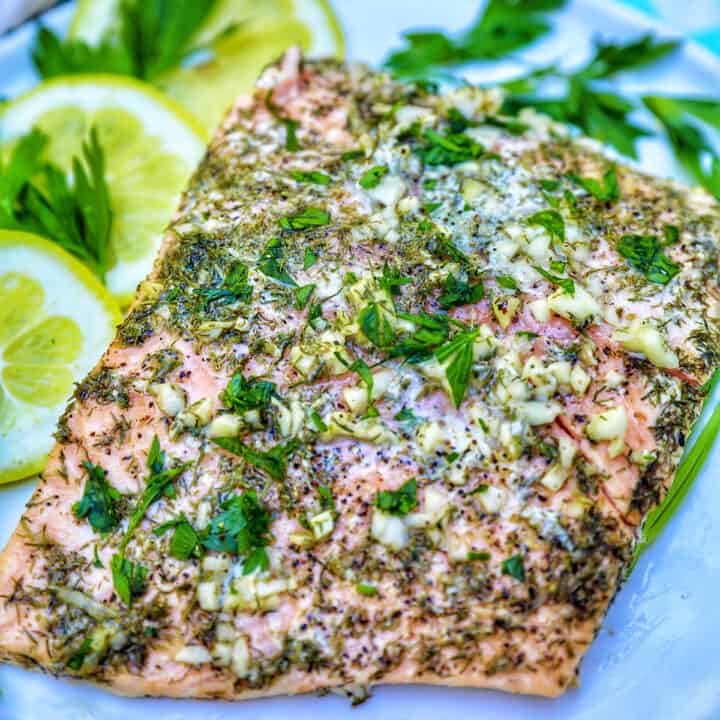
Few proteins are as versatile and well-loved as salmon, thanks to its mild, slightly briny sweetness and rich, fatty mouthfeel that acts as a perfect blank canvas for bold, fresh flavors. The difference between a forgettable salmon fillet and a dish your guests ask for the recipe to often comes down to one simple choice: the herbs you use. The right fresh, zesty picks cut through salmon’s natural richness, add bright, aromatic depth, and eliminate the need for heavy, artificial sauces. In this guide, we’ll break down the best individual herbs for salmon, foolproof herb blends, prep and storage tips, and pairing ideas for every cooking method, so you can turn ordinary salmon into restaurant-quality meals at home.
Why Salmon Pairs Perfectly With Fresh Herbs
Salmon’s high omega-3 fatty acid content gives it a luxurious, oily texture that can feel heavy if not balanced with bright, acidic, or herbal flavors. Unlike lean white fish, salmon’s mild base means delicate herbs like dill and basil don’t get lost, while its natural richness can stand up to heartier woody herbs like thyme and rosemary. A common mistake home cooks make is overloading salmon with herbs, which overpowers the fish's natural briny sweetness instead of complementing it, or using stale dried herbs that have lost their volatile essential oils, resulting in bland, dusty flavor. The right herbs amplify salmon’s natural taste without masking it, making them the secret weapon for effortless, flavorful meals.
Top Individual Herbs for Salmon
Each herb brings a unique flavor profile to salmon, so choosing the right pick for your cooking method and desired taste is key to success.
Dill: The Classic Bright, Tangy Pairing
Dill’s feathery fronds have a bright, slightly tangy, almost citrusy flavor that cuts through salmon’s richness without overpowering its natural sweetness. It’s the classic pairing for a reason: dill works equally well in creamy sauces for smoked salmon, as a garnish for baked or grilled fillets, or mixed into gravlax for a pop of fresh flavor. Pro tip: use the tender fronds for garnishing, and save the tougher stems for infusing into poaching broth or pickling brine for extra dill flavor without chewy bits. A common mistake is using too much dill, which can make the dish taste grassy; stick to 1–2 tablespoons of chopped fresh dill per 6-ounce fillet for balanced flavor.
Flat-Leaf Parsley: Clean, Peppery Balance
Often underrated as a “garnish only” herb, flat-leaf (Italian) parsley has a mild, peppery, slightly earthy flavor that balances salmon’s richness without competing with other ingredients. Unlike curly parsley, which is mostly decorative, flat-leaf parsley has a more robust flavor that holds up to heat, making it ideal for baked, roasted, or pan-seared salmon. Mix it with lemon zest and garlic for a quick gremolata to top cooked salmon, or stir chopped parsley into herb butter for a bright, savory finish. Pro tip: add parsley at the end of cooking to preserve its fresh, vibrant color and flavor, as high heat will dull its bright green hue and make it taste bitter.
Thyme: Earthy, Heat-Stable Versatility
Thyme’s small, aromatic leaves have a subtle earthy, slightly minty flavor that pairs beautifully with salmon’s natural oils, and it’s one of the few herbs that holds up to high-heat cooking methods like grilling and roasting without turning bitter. Common thyme works for most dishes, but lemon thyme adds an extra citrus note that brightens up rich salmon preparations. Use whole sprigs for poaching or braising, and chop the leaves finely for rubs, marinades, or crusts. Pro tip: you don’t need to strip the leaves from the stem if the stem is tender (young thyme stems are soft enough to eat), which saves prep time and adds extra flavor.
Basil: Sweet, Aromatic Freshness
Sweet basil has a warm, slightly peppery, aromatic flavor that adds a bright, summery note to salmon, while Thai basil has a subtle licorice note that pairs perfectly with spicy, Asian-inspired salmon dishes. Basil works best when added at the end of cooking or used raw as a garnish, as high heat breaks down its delicate volatile oils and turns the leaves bitter. Blend fresh basil with garlic, pine nuts, and parmesan for a quick pesto to toss with grilled salmon, or chiffonade (thinly slice) fresh basil and sprinkle it over pan-seared fillets with a balsamic glaze for a sweet-savory contrast. Pro tip: avoid using dried basil for salmon dishes, as it loses almost all of its signature bright, sweet flavor when dried.
Tarragon: Delicate Anise-Like Twist
Tarragon has a distinct, subtle anise (licorice) flavor that adds a unique, sophisticated twist to salmon, especially when paired with creamy sauces or lemon-based dressings. It’s a staple in French cuisine, and works beautifully in a tarragon dill sauce for poached salmon, or mixed into herb butter for baked fillets. A little goes a long way: tarragon’s flavor is potent, so start with 1 teaspoon of chopped fresh tarragon per 6-ounce fillet and adjust to taste, as overusing it can make the dish taste soapy or overpowering. Pro tip: fresh tarragon has a much brighter, more complex flavor than dried, so it’s always worth using the fresh variety for this herb.
Rosemary: Piney, Woodsy Depth
While not as classic as dill or parsley, rosemary’s piney, slightly citrusy flavor pairs wonderfully with grilled or roasted salmon, especially when paired with garlic, lemon, and black pepper. Its woody stems hold up to high heat, so you can toss whole sprigs onto the grill grates or into the roasting pan to infuse the salmon with smoky, woodsy notes as it cooks. Pro tip: chop rosemary finely for rubs or crusts, as its tough leaves can be chewy if left whole, and avoid overusing it, as its strong flavor can easily overpower salmon’s delicate taste.
Best Herb Blends for Elevated Salmon Dishes
Combining herbs creates layered, complex flavor that elevates simple salmon dishes to memorable meals. The right blend balances freshness, earthiness, and brightness to complement the fish’s natural taste.
Dill + Lemon Thyme: Bright, Zesty Perfection
This classic blend is the go-to for bright, fresh salmon dishes that feel light yet flavorful. Dill’s tangy brightness pairs seamlessly with lemon thyme’s subtle citrus notes, creating a zesty profile that complements salmon’s natural sweetness without weighing it down. This blend works for everything from grilled salmon fillets to baked salmon with roasted vegetables, and pairs perfectly with a simple drizzle of lemon juice and olive oil. Pro tip: add a pinch of flaky sea salt and freshly cracked black pepper to the blend to amplify the herbal flavors.
Parsley + Chives: Light, Mild Onion Notes
This mild, bright blend is ideal for delicate salmon preparations like poaching, steaming, or pan-searing, where you don’t want strong herbal flavors to overpower the fish. Flat-leaf parsley adds a clean, peppery base, while chives contribute a subtle, fresh onion note that adds depth without sharpness. This blend is also perfect for mixing into softened butter or cream cheese for a quick salmon spread, or sprinkling over cooked salmon just before serving for a pop of green color and fresh flavor. Pro tip: add a squeeze of fresh lemon juice to the blend right before serving to keep the herbs bright and prevent them from browning.
Basil + Garlic: Bold, Savory Depth
This bold, aromatic blend stands up to richer salmon preparations like pan-searing, roasting, or salmon burgers, where you need a more pronounced flavor profile. Sweet basil’s warm, peppery notes pair perfectly with garlic’s pungent, savory bite, creating a flavor combination that feels both fresh and hearty. Make a quick paste by blending fresh basil leaves, minced garlic, olive oil, and a pinch of salt, then spread it over salmon fillets before baking or grilling for a flavorful, golden crust. Pro tip: add a handful of toasted pine nuts to the blend for a pesto-style topping that adds extra richness and texture.
Thyme + Rosemary: Smoky, Earthy Grilling Blend
This woody, earthy blend is perfect for high-heat cooking methods like grilling or cedar plank cooking, where robust herbs can stand up to smoky, charred flavors. Thyme’s subtle minty notes balance rosemary’s piney depth, creating a savory profile that pairs beautifully with salmon’s natural oils. Mix chopped thyme and rosemary with olive oil, garlic, and black pepper for a simple rub, then coat salmon fillets before grilling for a crispy, herb-infused exterior. Pro tip: add a few lemon slices to the grill alongside the salmon to infuse extra citrus brightness into the herb rub.
Fresh vs. Dried Herbs: When to Use Which for Salmon
Fresh and dried herbs both have their place in salmon cooking, but choosing the right type for your dish will make a huge difference in flavor.
Flavor and Aroma Differences
Fresh herbs contain volatile essential oils that give them their signature bright, vibrant, aromatic flavor, but these oils degrade quickly after harvest, so fresh herbs have a short shelf life and their flavor fades over time. Dried herbs are made by dehydrating fresh herbs, which concentrates their flavor but also dulls their bright, fresh notes, leaving a deeper, more muted, sometimes dusty taste. For salmon dishes where you want bright, zesty herbal flavor, fresh herbs are almost always the better choice, but dried herbs work well for slow-cooked or marinated dishes where their concentrated flavor has time to meld with the fish.
Ideal Use Cases for Fresh vs. Dried Herbs
- Fresh herbs: Best for quick-cooking methods (pan-searing, poaching, grilling for short times), garnishes, sauces, pesto, and finishing dishes where you want bright, vibrant flavor. They’re also ideal for herb crusts that cook for 15 minutes or less, as their delicate oils won’t burn.
- Dried herbs: Best for marinades (where they have time to rehydrate and release flavor), slow-cooked baked salmon, herb rubs for grilling, and infused oils or butters that will be melted over the fish. Use dried herbs when fresh varieties are out of season or not available.
- Conversion ratio: 1 tablespoon of chopped fresh herbs equals 1 teaspoon of dried herbs, so adjust quantities accordingly to avoid over-seasoning.
Storage Tips to Keep Herbs Fresh Longer
Proper storage extends the life of fresh herbs by weeks, so you always have zesty picks on hand for salmon dishes:
- Tender herbs (dill, parsley, basil, chives, tarragon): Trim the stems, place them stem-down in a jar of cool water (like cut flowers), cover loosely with a plastic bag, and store in the refrigerator. They’ll stay fresh for 1–2 weeks, and you can revive slightly wilted herbs by soaking the stems in ice water for 10 minutes. If you’re short on fridge space, under-sink storage options can keep extra herb storage containers organized and out of the way.
- Woody herbs (thyme, rosemary, oregano): Wrap loosely in a damp paper towel, place in a sealed plastic bag or airtight container, and store in the refrigerator’s crisper drawer. They’ll stay fresh for 2–3 weeks.
- Long-term storage: Chop leftover herbs, mix with a small amount of olive oil, and freeze in ice cube trays. Once frozen, transfer the cubes to a sealed freezer bag, and use them directly in marinades, sauces, or poaching broth for up to 6 months.
Essential Herb Preparation Techniques for Salmon
How you handle herbs has a direct impact on their flavor release and texture, so mastering a few simple techniques will take your salmon dishes to the next level.
Chopping and Mincing for Maximum Flavor
The way you cut herbs has a huge impact on how much flavor they release into your salmon dish. Coarsely chopping herbs adds bursts of fresh flavor and a rustic, colorful garnish, while mincing breaks down the cell walls of the herb leaves to release more of their volatile essential oils, infusing the salmon with more intense herbal flavor. Always use a sharp chef’s knife to chop herbs, as a dull knife will bruise delicate leaves (like basil and dill) and release bitter, unpleasant flavors. For tender herbs like basil, use a chiffonade (stack leaves, roll into a tight log, slice thinly crosswise) for even, delicate pieces that won’t clump. For woody herbs like thyme and rosemary, strip the leaves from the stems and mince finely to avoid tough, chewy bits in your dish. To keep your prep tools organized, drawer organizers for utensils make it easy to access sharp knives and cutting boards without clutter.
Infusing Oils and Butters for Richer Taste
Infusing herbs into oil or butter creates a smooth, lingering herbal flavor that coats salmon beautifully, adding richness without overpowering the fish. To make herb-infused oil, gently warm extra-virgin olive oil over low heat, add chopped woody herbs (thyme, rosemary, oregano) or tender herbs (dill, parsley), and let steep for 20–30 minutes off heat. For herb butter, mix softened unsalted butter with chopped fresh herbs, a pinch of salt, and a squeeze of lemon juice, then roll into a log, wrap in plastic, and chill until firm. When cooking salmon, add a knob of herb butter to the pan in the last minute of cooking and baste the salmon with the melting butter for a rich, herby finish. Pro tip: never heat herb-infused oil above 180°F (82°C), as high heat will break down the delicate essential oils and make the oil taste bitter.
Herb Crusts and Marinades for Texture and Depth
Herb crusts add a crispy, flavorful texture to baked or roasted salmon, while marinades infuse the fish with deep, layered herbal flavor from the inside out. For a simple herb crust, mix ½ cup of panko breadcrumbs, ¼ cup of chopped fresh herbs (parsley, basil, thyme), 2 tablespoons of melted butter, ¼ cup of grated parmesan, and a pinch of salt and pepper. Press the mixture firmly onto the top of salmon fillets, then bake at 400°F (200°C) for 12–15 minutes until the crust is golden and crispy and the salmon is cooked through. For marinades, mix chopped herbs with an acid component (lemon juice, white wine vinegar), oil, garlic, and spices, and marinate salmon for 30 minutes to 1 hour (never longer than 2 hours, as the acid will start to break down the fish’s texture and make it mushy). For easy mixing of marinade ingredients, a countertop appliance slider makes it simple to move bowls and mixers around your counter without straining your wrists.
A crispy herb crust adds texture and bold flavor to tender baked salmon
Credit: fedandfit.com
Pairing Herbs With Complementary Ingredients
Herbs shine when paired with other bright, savory ingredients that amplify their flavor and balance salmon’s richness.
Citrus + Herb Combinations
Citrus is the perfect partner for fresh herbs and salmon, as its bright acidity cuts through salmon’s rich, fatty texture and amplifies the herbal flavors. Lemon is the most classic pairing: use lemon zest (which contains the most fragrant essential oils) mixed with dill and chives for a bright garnish for poached salmon, or pair lemon juice with thyme and rosemary for a tangy marinade for grilled salmon. Lime pairs beautifully with cilantro and basil for Asian-inspired salmon dishes, while orange zest mixed with tarragon and parsley adds a sweet, bright note to baked salmon. Pro tip: add citrus zest at the end of cooking to preserve its bright, fragrant flavor, as high heat will dull its aroma.
Allium + Herb Pairings
Alliums (garlic, onions, chives, shallots) add savory, pungent depth that complements herbal flavors and balances salmon’s richness. Garlic pairs perfectly with basil for a classic pesto topping, or with rosemary and thyme for a savory rub for grilled salmon. Shallots mixed with parsley and tarragon make a flavorful beurre blanc sauce for pan-seared salmon, while chives add a mild, fresh onion note that works well with dill in creamy salmon dips. Pro tip: roast garlic before mixing it into herb blends for a sweet, mellow, caramelized flavor that won’t overpower the salmon.
Spice + Herb Blends for Global Flavors
Herbs pair beautifully with spices to create globally inspired salmon dishes that feel fresh and exciting. For a Mediterranean twist, mix oregano, thyme, and parsley with smoked paprika, cumin, and garlic for a rub for roasted salmon. For an Indian-inspired dish, pair cilantro, mint, and dill with garam masala, turmeric, and cayenne for a flavorful curry with salmon. For a Mexican-inspired meal, mix cilantro, oregano, and lime juice with chili powder and cumin for a zesty salmon taco filling. Pro tip: toast whole spices (cumin, coriander) before grinding them to amplify their flavor, then mix with fresh herbs for a more complex, aromatic blend.
Herb-Infused Salmon for Every Cooking Method
The right herb pick and prep technique will vary based on your cooking method, so we’ve broken down the best approaches for every setup.
Grilling: Woody Herbs for High Heat
Grilling infuses salmon with a smoky, charred flavor that pairs perfectly with robust, heat-stable woody herbs like thyme, rosemary, oregano, and sage. To make a simple herb rub, mix 2 tablespoons of chopped woody herbs, 1 tablespoon of olive oil, 1 teaspoon of salt, ½ teaspoon of black pepper, and 1 clove of minced garlic. Brush the rub onto salmon fillets (skin-side down) and grill over medium heat (375°F/190°C) for 4–5 minutes per side for 1-inch fillets, until the internal temperature reaches 145°F (63°C) per official safe cooking guidelines. For extra smoky flavor, try cedar plank grilling: soak a cedar plank in water for 2 hours, top it with lemon slices, dill, and salmon fillets, cover the grill, and cook for 10–12 minutes for a moist, woodsy, herb-infused dish. When prepping herbs for grilling, bright under-counter kitchen LED lights make it easy to spot tough stems and blemished leaves for the best flavor.
Baking and Roasting: Layered Herbs for Even Infusion
Baking is a hands-off, foolproof method for herb-infused salmon that works for weeknight dinners and dinner parties alike. For maximum flavor, layer fresh herbs (parsley, tarragon, basil, dill) both under and on top of the salmon fillets, then drizzle with olive oil, salt, pepper, and a squeeze of lemon juice. The gentle, even heat of the oven steams the herbs into the fish as it cooks, infusing every bite with fresh flavor. Bake at 375°F (190°C) for 12–15 minutes for 1-inch fillets, until the salmon is opaque and flakes easily with a fork. For a crispy herb crust, press the herb-breadcrumb mixture onto the top of the fillets before baking, and broil for the last 1–2 minutes to golden the crust.
Fresh herb-topped baked salmon is a low-effort, high-flavor weeknight meal
Credit: thelemonbowl.com
Poaching: Delicate Herbs for Subtle Flavor
Poaching cooks salmon gently in simmering liquid, resulting in a moist, tender fillet with subtle, delicate herbal flavor. To make an herb poaching broth (court bouillon), combine 4 cups of water, 1 cup of dry white wine, 1 sliced lemon, 2 sprigs of dill, 1 bay leaf, 4 sprigs of chives, 1 teaspoon of black peppercorns, and a pinch of salt in a large pot. Bring to a gentle simmer (do not let it roll to a boil, as this will toughen the salmon), then add salmon fillets and cook for 8–10 minutes for 1-inch fillets, until the internal temperature reaches 145°F (63°C). The salmon will pick up the subtle herbal and citrus notes from the broth, making it perfect for light, low-carb meals, or for serving cold in salads. Pro tip: save the leftover poaching broth to use as a base for fish chowder or risotto for extra flavor.
Pan-Searing: Finishing Herbs for a Restaurant-Quality Touch
Pan-searing creates a crispy, golden skin on salmon while keeping the interior moist and tender, and finishing with fresh herbs adds a bright, restaurant-quality touch. After searing the salmon skin-side down in a hot cast-iron skillet for 4–5 minutes, flip the fillets, add a knob of herb butter (mixed with dill, chives, and parsley), and baste the salmon with the melting butter for the last 1–2 minutes of cooking. The herb butter infuses the salmon with rich, fresh flavor, and the herbs crisp up slightly for a beautiful garnish. This method works for weeknight dinners, as it takes less than 10 minutes from start to finish.
Cedar plank grilling infuses salmon with smoky, woodsy herb notes
Credit: urbanblisslife.com
Frequently Asked Questions
What herbs pair best with salmon for flavor?
The most versatile, widely loved herbs for salmon are dill, flat-leaf parsley, thyme, basil, and tarragon. Dill adds bright, tangy freshness that pairs with almost any salmon preparation, while parsley provides a mild, peppery balance to rich dishes. Thyme is heat-stable for grilling and roasting, basil adds sweet, aromatic notes for summer dishes, and tarragon adds a sophisticated anise twist for creamy sauces. For most home cooks, starting with a blend of dill, parsley, and lemon thyme is a foolproof way to add bright, zesty flavor to any salmon dish.
Can rosemary be used with salmon?
Yes, rosemary’s piney, slightly citrusy flavor pairs beautifully with grilled, roasted, or baked salmon, especially when paired with garlic, lemon, and black pepper. Its woody stems hold up to high heat, so you can toss whole sprigs onto the grill or into the roasting pan to infuse the salmon with smoky, woodsy notes. Avoid overusing rosemary, as its strong, pungent flavor can easily overpower salmon’s delicate taste; start with 1 teaspoon of chopped fresh rosemary per 6-ounce fillet and adjust to taste.
Is basil good for seasoning salmon?
Absolutely, basil adds a sweet, slightly peppery, aromatic note that brightens salmon dishes and pairs well with both light and rich preparations. Sweet basil works for classic summer dishes, while Thai basil’s subtle licorice note pairs perfectly with spicy, Asian-inspired salmon recipes. Avoid cooking basil for long periods, as high heat breaks down its delicate essential oils and turns the leaves bitter; add fresh basil at the end of cooking or use it raw as a garnish for the best flavor.
How does thyme enhance salmon dishes?
Thyme’s subtle earthy, slightly minty flavor complements salmon’s natural richness without overpowering it, and it’s one of the few herbs that holds up to high-heat cooking methods like grilling and roasting without turning bitter. Lemon thyme adds an extra citrus note that brightens up rich salmon dishes, while common thyme works well for poaching and marinades. Thyme pairs beautifully with lemon, garlic, and rosemary for classic herb blends, and a small amount goes a long way to add depth to salmon dishes.
Can I use frozen herbs instead of fresh for salmon?
Yes, frozen herbs work well for cooked salmon dishes like baked, grilled, or marinated salmon, as the cooking process will revive their flavor. However, frozen herbs are not ideal for garnishing, as they become soggy and lose their bright color when thawed. When using frozen herbs, add them earlier in the cooking process to give them time to rehydrate and release their flavor, and use 1.5 times the amount of frozen herbs as you would fresh, as freezing can dull their flavor slightly.
How much fresh herb should I use per salmon fillet?
For a 6-ounce salmon fillet, use 1–2 tablespoons of chopped fresh herbs for a balanced, flavorful result that doesn’t overpower the fish. For milder herbs like parsley and chives, you can use up to 2 tablespoons, while for stronger herbs like rosemary, tarragon, and thyme, start with 1 teaspoon and adjust to taste. For herb blends, use a total of 1–2 tablespoons of combined chopped herbs per fillet.
Do dried herbs work as well as fresh for salmon dishes?
Dried herbs work well for certain salmon preparations, but they don’t replicate the bright, vibrant flavor of fresh herbs. Dried herbs are more concentrated, so use 1 teaspoon of dried herbs for every 1 tablespoon of fresh herbs called for in a recipe. They’re ideal for marinades, slow-cooked baked salmon, herb rubs for grilling, and infused oils or butters, as their concentrated flavor has time to meld with the fish during cooking. Avoid using dried herbs as a garnish, as they have a dry, dusty texture and muted flavor.
Conclusion
Herbs are the simplest, most impactful way to transform ordinary salmon into a flavorful, memorable meal, whether you’re prepping a quick weeknight dinner or hosting a dinner party. From classic dill and lemon thyme to bold basil-garlic blends, the right herb picks cut through salmon’s natural richness, add bright, aromatic depth, and eliminate the need for heavy, artificial seasonings. By following the prep, storage, and cooking tips in this guide, you can avoid common mistakes like overpowering the fish or using stale herbs, and create restaurant-quality salmon dishes at home with minimal effort.
Experiment with different herb blends and cooking methods to find your favorite combination, and don’t be afraid to mix in complementary ingredients like citrus, garlic, and spices for extra depth. For more easy, flavorful weeknight dinner ideas and tips to keep your kitchen organized, explore our guide to streamlined kitchen storage to keep your herbs, tools, and ingredients within easy reach. For sustainable cooking practices, check out our picks for eco-friendly kitchen gear to reduce your environmental impact while making delicious, herb-infused meals.

Hi, I’m Daniel Brooks—a food lover and kitchen gear enthusiast. I enjoy testing cookware, utensils, and gadgets to see what really works in everyday cooking. At PlugChef.com, I share honest reviews, comparisons, and simple guides to help you choose the best tools for a safer, smarter, and more enjoyable kitchen.