

Bone broth, made by simmering animal bones (beef, chicken, fish, or lamb) for 12–24 hours, is a nutrient-dense kitchen staple that adds depth of flavor and functional benefits to nearly any savory dish. Unlike standard stock, the long cook time extracts collagen, gelatin, amino acids, and trace minerals from the bones, creating a rich, velvety base that elevates everything from quick weeknight soups to slow-braised mains.
Whether you’re new to cooking with bone broth or looking for fresh ways to use a batch you made at home, this guide shares tested, flavorful recipes across every category, plus practical tips to get the most out of this versatile ingredient.
 Bone broth works as a versatile base for everything from quick weeknight soups to slow-braised mains
Credit: www.platingsandpairings.com
Bone broth works as a versatile base for everything from quick weeknight soups to slow-braised mains
Credit: www.platingsandpairings.com
What Makes Bone Broth a Nutritious Kitchen Staple?
Bone broth’s unique nutrient profile sets it apart from standard cooking liquids. A typical 1-cup serving of homemade beef or chicken bone broth provides 5–10 grams of protein, plus small but highly bioavailable amounts of calcium, magnesium, phosphorus, and potassium, depending on the bone type and simmer time. The gelatin produced during long, low simmers may support gut lining integrity, per preliminary clinical research reviewed by the National Institutes of Health, making it a popular choice for people following gut-friendly diets like paleo or AIP.
Beyond nutrition, bone broth adds a savory, umami-rich depth that water or plain stock can’t match. It creates a silky texture in sauces and grains, and its mild, meaty flavor complements nearly every cuisine, from Italian risotto to Vietnamese pho. For home cooks looking to add more nutrients to meals without extra prep work, swapping water for bone broth is one of the simplest, most impactful changes you can make.
How to Choose the Right Bone Broth for Your Recipes
Not all bone broth is created equal, and the type you use will impact the flavor and nutrition of your finished dish. If you’re new to cooking with it, these guidelines will help you pick the right option for your needs:
Homemade vs. Store-Bought
Homemade bone broth lets you control the ingredients, salt content, and simmer time, and typically has higher collagen content than mass-produced versions. It’s also a great way to use leftover bones from roast chicken, beef, or fish. If you don’t have time to make your own, look for store-bought broth labeled “bone broth” (not just “stock”) with no added MSG, artificial flavors, or excessive sodium (aim for <300mg sodium per serving). Store leftover homemade broth in under-sink storage solutions for up to 5 days, or freeze in 1-cup portions for up to 6 months.
Bone Type Flavor Profiles
Different bones produce distinct flavor profiles, so match the broth to your recipe:
- Chicken or turkey bones: Light, mild flavor, perfect for soups, risotto, and grain bowls
- Beef or lamb bones: Rich, deep, beefy flavor, ideal for stews, braised meats, and pan sauces
- Fish bones: Delicate, briny notes, great for seafood dishes, miso soup, and light vegetable sautés
What to Avoid in Pre-Made Broths
Skip broths with added sugars, artificial preservatives, or “natural flavors” (a catch-all term that can hide unwanted additives). Many cheap store-bought “stocks” are made with just water, salt, and flavoring, with no actual bone content, so always check the ingredient list to confirm bones are the first listed ingredient.
Savory Soup and Stew Recipes
Soups and stews are the most popular use for bone broth, and for good reason: the broth’s rich base creates deeply flavorful, nourishing meals that come together with minimal effort. These recipes work with any type of bone broth, so feel free to swap chicken for beef or fish based on what you have on hand.
Classic Chicken Bone Broth Soup
This upgraded take on the classic comfort food comes together in 45 minutes, and the bone broth base adds a silky texture and immune-boosting nutrients that standard chicken soup lacks. Start by sautéing 1 diced onion, 2 chopped carrots, and 2 chopped celery stalks in 1 tablespoon of olive oil until soft, then add 2 minced garlic cloves and 1 teaspoon of dried thyme. Pour in 8 cups of warm chicken bone broth, bring to a boil, then reduce heat and simmer for 10 minutes. Add 2 cups of shredded cooked chicken and ½ cup of wide egg noodles, and cook for 5 more minutes until the noodles are tender. Finish with a handful of chopped fresh parsley and a squeeze of lemon juice for brightness. For easy prep, keep pre-chopped veggies in kitchen drawer organizers so you can throw this soup together in 10 minutes when you’re feeling under the weather.
Hearty Beef Bone Broth Stew
This slow-cooked stew gets its rich, velvety texture from the collagen in beef bone broth, which breaks down over the long cook time to create a thick, satisfying sauce. Brown 2 pounds of chuck roast cubes in 2 tablespoons of oil, then transfer to a slow cooker. Add 1 diced onion, 3 chopped carrots, 3 chopped potatoes, 2 minced garlic cloves, 1 tablespoon of tomato paste, 1 teaspoon of smoked paprika, and 8 cups of beef bone broth. Cook on low for 8 hours or high for 4 hours, until the beef is fall-apart tender. Serve with crusty bread for dipping. For a weeknight shortcut, use an Instant Pot and cook on high pressure for 35 minutes.
Vegetable Miso Bone Broth Soup
For a light, nutrient-dense option, this vegan-friendly (if you use mushroom-based “bone broth”) soup combines the savory depth of bone broth with gut-friendly miso. Heat 6 cups of vegetable or chicken bone broth until simmering, then turn off the heat and stir in 3 tablespoons of white miso paste until fully dissolved. Add 1 cup of chopped kale, ½ cup of sliced shiitake mushrooms, and ½ cup of diced firm tofu, and let sit for 2 minutes until the kale is wilted. Top with sliced green onions and a sprinkle of sesame seeds. The miso adds probiotics, while the bone broth provides minerals and a savory base that doesn’t overpower the fresh vegetables.
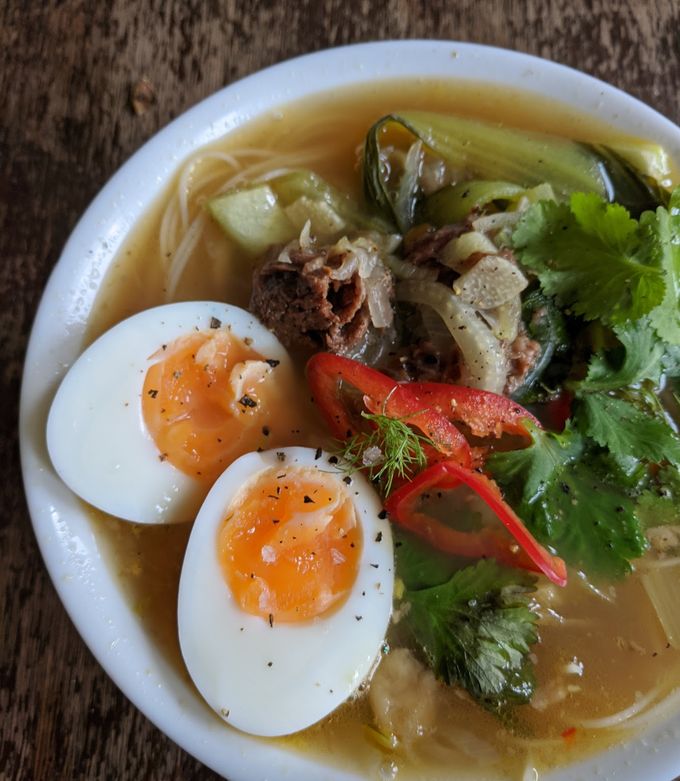 A 12-hour simmered beef bone broth creates a rich, collagen-dense base for noodle soups
Credit: cookpad.com
A 12-hour simmered beef bone broth creates a rich, collagen-dense base for noodle soups
Credit: cookpad.com
Hearty Main Dish Recipes
Bone broth works as a secret weapon for main dishes, adding moisture and flavor to proteins and grains without extra salt or fat. These recipes are balanced enough for weeknight dinners, but impressive enough for guests.
Creamy Bone Broth Risotto
This 30-minute risotto is a weeknight luxury that relies on bone broth for its rich, silky texture. Heat 6 cups of warm chicken or fish bone broth in a small pot and keep it simmering on low heat. In a large heavy-bottomed pan, sauté 1 diced shallot in 2 tablespoons of butter until soft, then add 1.5 cups of arborio rice and stir for 1 minute until the edges are translucent. Add ½ cup of dry white wine (optional) and stir until absorbed, then add the warm broth ½ cup at a time, stirring frequently and waiting for each addition to be fully absorbed before adding more, for 18–20 minutes total, until the rice is al dente. Finish with 2 tablespoons of grated parmesan, 1 cup of fresh spinach, and a sprinkle of black pepper. For a surf-and-turf twist, top with seared scallops or shredded rotisserie chicken.
 Cooking grains in bone broth infuses them with deep, savory flavor without extra salt
Credit: food52.com
Cooking grains in bone broth infuses them with deep, savory flavor without extra salt
Credit: food52.com
Braised Beef Short Ribs
Bone broth is the secret to fall-apart tender braised short ribs that don’t require hours of babysitting. Preheat your oven to 325°F. Season 4 pounds of bone-in short ribs with salt and pepper, then sear them in 2 tablespoons of oil in a Dutch oven until browned on all sides, about 3 minutes per side. Remove the ribs and set aside, then add 1 diced onion, 3 chopped carrots, 2 minced garlic cloves, and 2 tablespoons of tomato paste to the pot, and sauté for 2 minutes. Pour in 4 cups of beef bone broth and 1 cup of red wine, scraping up any browned bits from the bottom of the pot. Return the ribs to the pot, cover, and braise in the oven for 3 hours, until the meat is fall-apart tender. Serve over mashed potatoes or polenta.
Savory Bone Broth Grain Bowls
Cooking grains in bone broth instead of water adds a subtle, savory depth that makes simple grains feel like a gourmet side or main. For a basic base, combine 1 cup of rinsed quinoa or brown rice with 2 cups of chicken or vegetable bone broth in a small pot, bring to a boil, then reduce heat to low, cover, and simmer for 15–20 minutes until the liquid is absorbed. Fluff with a fork and top with roasted vegetables, grilled chicken or tofu, a drizzle of tahini or olive oil, and a sprinkle of seeds. For meal prep, portion cooked grain bowls into eco-friendly storage containers to keep them fresh for work or school lunches.
Flavor-Packed Sauces, Gravies, and Sides
Bone broth’s natural gelatin makes it a perfect base for silky sauces and rich gravies, and it adds a nutrient boost to simple side dishes. These recipes take 10 minutes or less to put together, and work with any type of bone broth.
Rich Pan Sauce
After searing steaks, chicken, or pork, use bone broth to make a glossy, flavorful pan sauce in minutes. Pour ½ cup of bone broth into the hot pan and scrape up all the caramelized browned bits stuck to the bottom (these bits, called fond, are packed with flavor). Add 1 minced garlic clove, 1 tablespoon of capers, and 1 teaspoon of fresh thyme, and simmer for 2–3 minutes until the sauce reduces by half. Finish with 1 tablespoon of cold butter, swirling the pan to melt the butter and thicken the sauce. Drizzle over cooked meat or roasted vegetables.
Creamy Bone Broth Gravy
Skip the boxed mix and make this 10-minute gravy from scratch for a fraction of the sodium. In a small pot, melt 2 tablespoons of butter over medium heat, then whisk in 2 tablespoons of all-purpose flour (or gluten-free 1-to-1 flour) and cook for 1 minute until golden. Slowly pour in 2 cups of warm bone broth, whisking constantly to avoid lumps, and simmer for 3–4 minutes until thickened. Season with salt, pepper, and a pinch of dried sage. The natural gelatin in the bone broth gives the gravy a velvety texture that holds up well over mashed potatoes or biscuits.
Bone Broth Mashed Potatoes
This upgraded take on a classic side adds extra creaminess and nutrition without extra dairy. Boil 2 pounds of peeled, cubed russet potatoes in a mix of 1 cup water and 1 cup beef or chicken bone broth until tender, about 15 minutes. Drain and mash with 4 tablespoons of butter, ½ cup of warm milk (or oat milk for dairy-free), salt, and pepper to taste. The bone broth adds a subtle savory depth that plain water can’t match, and the extra gelatin makes the mashed potatoes extra fluffy.
Quick Tips for Cooking with Bone Broth
To get the best flavor and nutrition from your bone broth, follow these simple, tested tips from home cooks:
Storage and Food Safety
A common mistake is leaving bone broth at room temperature for more than 2 hours after cooking, which can allow harmful bacteria to grow. Always cool broth quickly by dividing it into small, shallow containers, or place the pot in an ice bath before refrigerating. For safe storage timelines, refer to the USDA food safety guidelines. Store in airtight glass or BPA-free plastic containers for up to 5 days in the fridge, or freeze in 1-cup portions for up to 6 months. When reheating, warm gently over low heat to avoid boiling, which can break down the gelatin and make the broth taste bitter.
Flavor Pairings
Bone broth’s mild, savory profile pairs well with nearly every herb, spice, and aromatic. For chicken bone broth, try adding fresh thyme, rosemary, or dill; for beef broth, pair with smoked paprika, garlic, and bay leaves; for fish broth, use ginger, lemongrass, and cilantro. If your broth tastes too bland, add a splash of apple cider vinegar or a pinch of sea salt to amplify its natural umami.
Boosting Nutritional Value
To get the most nutrients from your bone broth, add nutrient-dense ingredients in the last few minutes of cooking, so heat-sensitive vitamins (like vitamin C from leafy greens) don’t break down. Stir in a handful of spinach or kale 2 minutes before serving soups, or add sliced mushrooms to grain bowls for extra B vitamins. If you’re meal prepping in the evening, install under-cabinet LED lighting to illuminate your countertop for safer chopping and measuring. Use a reliable countertop sliders to move hot pots safely between your cooktop and sink when working with large batches of broth, to avoid spills and burns.
Frequently Asked Questions
Can I use bone broth in vegetarian or vegan recipes?
Traditional bone broth is made from animal bones, so it is not suitable for vegetarian or vegan diets. For plant-based alternatives, look for mushroom-based broths, which have a similarly rich, umami flavor, or make your own vegetable broth by simmering scraps like onion peels, carrot tops, and mushroom stems for 1–2 hours.
Is bone broth keto-friendly?
Yes, most unsweetened, unflavored bone broths are low in carbs and sugar, making them compatible with keto, paleo, and Whole30 diets. Always check the label for added sugars or thickeners if you’re following a strict low-carb diet.
Does bone broth make dishes taste meaty?
Bone broth adds a subtle, savory depth that enhances the natural flavor of other ingredients, but it won’t make vegetarian dishes taste meaty. For meat dishes, it amplifies the beef, chicken, or pork flavor without tasting like “broth” on its own.
Can I freeze bone broth?
Yes, bone broth freezes beautifully for up to 6 months. Portion it into 1-cup servings, ice cube trays, or freezer-safe bags for easy use in small batches. Thaw frozen broth in the fridge overnight, or warm directly from frozen on the stovetop.
Can I use fish bone broth in savory recipes?
Yes, fish bone broth has a delicate, briny flavor that works well in light soups, seafood stews, miso soup, and as a cooking liquid for rice or quinoa paired with fish or roasted vegetables.
Final Thoughts
Bone broth is one of the most versatile, nutrient-dense ingredients you can keep in your kitchen, and it works in everything from quick 30-minute meals to slow-cooked weekend feasts. Start with a simple recipe like classic chicken soup or creamy risotto to get a feel for its flavor, then experiment with braised meats and reduction sauces as you get more comfortable.
If you’re looking to organize your kitchen to make meal prep with bone broth even easier, check out our guide to cabinet storage hacks to keep your cooking space clutter-free and efficient.

Hi, I’m Daniel Brooks—a food lover and kitchen gear enthusiast. I enjoy testing cookware, utensils, and gadgets to see what really works in everyday cooking. At PlugChef.com, I share honest reviews, comparisons, and simple guides to help you choose the best tools for a safer, smarter, and more enjoyable kitchen.
Related posts:
 How to Make a Fruit Basket for a Gift: Easy DIY Guide
 Cord Organizer for Kitchen Appliances: Tidy Up Effortlessly
 A Passive System-Dependent Recovery Process: Boost Appliance Lifespan
 Black Kitchen Cabinets With Black Appliances: Bold Elegance
 How to Clean Kitchen Sink Drain Naturally: Easy & Effective Tips
 Granite Sink Cleaner: The Best Way to Keep Your Sink Clean

