
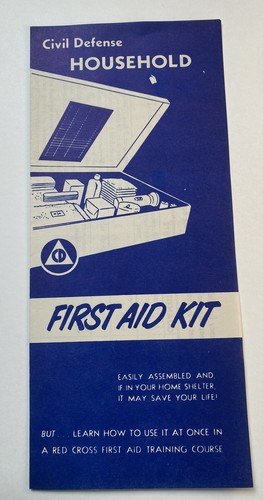
In 2026, extreme weather events, supply chain disruptions, and public safety risks make emergency preparedness a non-negotiable priority for every household and workplace. Unlike a standard retail first aid kit built for minor cuts and scrapes for 1–2 people, a civil defense first aid kit is purpose-built for high-severity scenarios where professional medical help is delayed 24–72 hours, and you may need to treat multiple casualties. It is the cornerstone of any emergency response plan, giving you the tools, supplies, and confidence to act fast when seconds count.
This guide breaks down exactly what a civil defense first aid kit requires, how to choose, store, and maintain it, and what extra skills and gear you need to use it effectively in real crises.
What Makes a Civil Defense First Aid Kit Different?
Civil defense first aid kits are designed for disaster and emergency scenarios where 911 services are overwhelmed, infrastructure is damaged, and you may be the first responder for family, neighbors, or coworkers. Unlike basic home kits, they meet FEMA’s disaster response supply standards for multi-person care, extended use, and severe injury management, including supplies for trauma, infection prevention, and long-term care.
Purpose and Use Cases
These kits are intended for use during natural disasters (hurricanes, wildfires, earthquakes), civil unrest, mass casualty events, or remote outdoor emergencies where professional medical care is inaccessible for hours or days. They are built to handle everything from severe bleeding and fractures to allergic reactions and heatstroke, not just minor abrasions.
Minimum Supply Requirements
A standard 72-hour civil defense first aid kit for one person includes enough supplies to treat 4–6 minor injuries and 1–2 severe trauma cases, with extra quantities of high-demand items like gauze, gloves, and pain relievers to account for limited access to replacement supplies during a crisis.
Core Components of a Reliable Civil Defense First Aid Kit
A well-stocked kit balances medical essentials, trauma tools, and personal protective equipment (PPE) to cover the widest range of emergency scenarios. Avoid kits with single-use, low-quantity items, as these will run out quickly during extended events.
Basic Medical Supplies
Start with a base of wound care and infection prevention supplies, with extra quantities for multiple users:
- 10+ sterile 4×4 gauze pads and 1 rolled gauze for pressure dressings
- Adhesive bandages in assorted sizes, plus 1 roll of medical tape
- 20+ alcohol-free antiseptic wipes (for sensitive skin) and 10 antibiotic ointment packets
- Burn gel packets and hydrocolloid bandages for blisters
- Sterile saline solution for eye and wound irrigation
- 1 set of butterfly closures for closing small lacerations
In practice, many pre-assembled kits skimp on gauze and tape, so always count supplies when buying or building your own.
Tools and Trauma Equipment
Precision tools are critical for fast, safe care in high-stress scenarios:
- Trauma shears (for cutting clothing and seatbelts without injuring skin)
- Fine-tip tweezers for removing splinters, glass, and ticks
- A compact SAM splint for immobilizing fractures and sprains
- A CPR mask with a one-way valve for safe rescue breathing
- A digital thermometer for monitoring fever and hypothermia
- A headlamp with extra batteries (hands-free for low-light care)
- A signal mirror and emergency whistle for attracting help if you are trapped
A common mistake is relying on regular household scissors instead of trauma shears, which can cause accidental cuts when you are working quickly under stress.
Medications and Over-the-Counter Essentials
Stock both symptom relief and emergency medications, with extra quantities for extended use:
- Acetaminophen and ibuprofen (for pain, fever, and inflammation; avoid aspirin for children due to Reye’s syndrome risk)
- Antihistamines for allergic reactions, insect bites, and respiratory irritation from smoke or dust
- Anti-diarrheal medication and oral rehydration salts (critical for waterborne illness during disasters)
- Glucose tablets for hypoglycemia, and antacids for stress-related stomach issues
- A small notebook to track doses for children, elderly household members, or multiple patients
Keep all prescription medications in their original labeled containers, and rotate them every 6 months to avoid expiration.
Personal Protective Equipment
PPE is non-negotiable for civil defense use, as you may be treating strangers or people with unknown infectious diseases:
- 10+ pairs of non-latex nitrile gloves in assorted sizes
- 3+ N95 respirator masks for protection from smoke, dust, and airborne pathogens
- A face shield for splatter protection during wound care
- Alcohol-based hand sanitizer (60%+ alcohol content) and disinfectant wipes for surface cleaning
Civil Defense–Specific Add-Ons
Unlike basic first aid kits, civil defense versions include trauma supplies for severe injuries:
- 2+ tourniquets (CAT or SOF-T style) for life-threatening limb bleeding
- Chest seals for puncture wounds to the torso
- Israeli bandages for heavy bleeding control
- Emergency mylar space blankets for treating hypothermia and shock
- A compact blood pressure cuff for monitoring for shock in severe injury cases
For the latest guidance on using tourniquets and severe bleeding control techniques, refer to CDC’s evidence-based first aid guidelines to ensure your care aligns with current medical best practices.
 This fully stocked kit includes medical supplies, PPE, trauma tools, and emergency medications for multi-person disaster response.
Credit: www.ebay.com
This fully stocked kit includes medical supplies, PPE, trauma tools, and emergency medications for multi-person disaster response.
Credit: www.ebay.com
How to Choose the Right Kit for Your Needs
When selecting a civil defense first aid kit, prioritize durability, capacity, and compliance with emergency response standards over low cost or compact size.
Build vs. Buy
Pre-assembled kits are convenient for beginners, but building your own lets you customize for your household’s specific needs (allergies, pets, regional risks). If you buy a pre-assembled kit, verify that it includes all the core components listed above, and avoid kits with single-use, low-quantity items that will run out quickly during extended emergencies.
Size and Capacity
Choose a kit size based on your household size and intended use:
- 72-hour kit for 1 person: ~2L compact size, ideal for cars or go-bags
- 72-hour kit for 4 people: ~10L size, ideal for home storage
- Workplace kits: Sized for 10+ people, with extra trauma supplies
Compact kits fit easily in a glovebox or emergency go-bag, and can be stored alongside 16-oz food storage containers pre-filled with high-energy emergency snacks for quick access during evacuations. For larger home kits, opt for a hard-shell, waterproof case that can be carried quickly if you need to evacuate.
Quality and Durability Standards
Look for kits with impact-resistant, waterproof, UV-protective cases that will stand up to rough handling, extreme temperatures, and moisture. Kits certified by the American Red Cross or meeting NFPA 450 emergency supply standards have been tested to meet minimum safety and supply requirements for civil defense use.
Customization for Your Household and Region
Tailor your kit to your specific needs and local risks:
- Add extra allergy medications, insulin cooling packs, or pet first aid items if needed
- For wildfire-prone regions, add extra N95 masks and burn gel
- For hurricane regions, add water purification tablets and extra wound care supplies for flood-related injuries
- For cold climates, add extra hand warmers and hypothermia treatment supplies
Use small, labeled pouches to separate wound care, medications, and tools—much like organizing a 4-compartment food storage container for meal prep, so you can locate critical supplies in seconds during a crisis.
Proper Storage and Accessibility
A first aid kit is useless if you can’t access it quickly during an emergency, or if supplies are degraded by poor storage conditions. Follow these guidelines to keep your kit ready for use at all times.
Optimal Locations for Multiple Kits
Store three separate kits to cover all common scenarios:
- Home kit: On the main floor, near an exit, in a cool, dry spot away from direct sunlight and food prep areas
- Car kit: Secured in the trunk or under a seat, to avoid becoming a projectile in a crash
- Workplace kit: In a clearly marked common area, accessible to all employees without a key
Avoid storing kits in attics, basements, or uninsulated garages, where temperature and humidity swings will degrade medications and adhesive supplies.
Temperature and Humidity Control
Most medications and medical supplies are designed to be stored between 59°F and 86°F (15°C to 30°C). Avoid leaving kits in car trunks or direct sunlight for extended periods, as extreme heat can degrade active ingredients in medications and weaken adhesive bandages. For basement or garage storage, keep your kit inside a waterproof 12-qt food storage container to shield it from humidity, dust, and temperature fluctuations that can degrade medical supplies. Add silica gel packets to the kit to absorb excess moisture, and replace them every 6 months.
Ensuring Fast Access During Emergencies
Avoid locking your kit in a cabinet or closet that requires a key or code, as you may not have time to locate it during a panic. Label the storage spot clearly with a bright "FIRST AID" sign, and ensure all adult household members know its location. For households with young children, store the kit on a high shelf out of reach, and explain that it is only for emergencies, not for playing.
Routine Maintenance and Updates
A civil defense first aid kit is not a "set it and forget it" item. Regular maintenance ensures supplies are usable when you need them most.
Biannual Inspection Checklist
Check your kit every 6 months, timed to coincide with daylight saving time changes to make the routine easy to remember. During each inspection:
- Verify all supplies are present, undamaged, and within expiration dates
- Test flashlights, radios, and other electronic components to ensure they work
- Check that the case seal is intact and the kit is easy to open
- Count gauze, bandages, and gloves to ensure you have enough for your household size
Replacing Expired and Used Supplies
Replace any expired or used items immediately. Medications past their expiration date may lose effectiveness or become unsafe, while damaged bandages or degraded antiseptic wipes will not prevent infection. If you have unexpired supplies you will not use, donate them to local community emergency response teams (CERT) or homeless shelters, where they will be put to good use.
Adapting to Changing Household Needs
Update your kit whenever your household circumstances change:
- Add infant pain reliever, small bandages, and diaper rash cream if you have a new baby
- Add styptic powder, tick tweezers, and a pet muzzle if you have pets
- Add insulin cooling packs and glucagon kits if you have a family member with diabetes
- Rotate seasonal supplies: add sunscreen and insect repellent in summer, extra hand warmers in winter
If you need to store temperature-sensitive medications like insulin or allergy epinephrine, a sealed 2-gallon food storage container works as a secondary cool, dry storage spot for these critical items.
Training to Use Your Kit Effectively
Having a fully stocked kit is only half the battle—you and your household members need to know how to use the supplies correctly to provide effective care during a crisis.
Foundational First Aid Skills
Focus on skills that are most likely to be needed during disasters:
- Severe bleeding control (applying pressure, using tourniquets correctly)
- CPR and rescue breathing for cardiac arrest or drowning
- Shock management (elevating legs, keeping the patient warm)
- Heimlich maneuver for choking
- Treatment for hypothermia, heatstroke, and burns
- How to recognize signs of anaphylaxis and administer epinephrine if prescribed
For free, evidence-based training, check with your local American Red Cross chapter or FEMA’s Community Emergency Response Team (CERT) program, which offers free disaster first aid courses in most U.S. communities.
Hands-On Practice with Kit Supplies
Practice using every item in your kit at least once a year, so you are familiar with how it works under stress. Practice applying bandages, using trauma shears, operating a CPR mask, and deploying a tourniquet on a practice dummy or pillow. This builds muscle memory so you do not have to fumble with instructions during a real emergency.
Family and Workplace Drills
Run 10-minute emergency drills every 3 months to practice accessing the kit, administering care for a simulated injury, and evacuating if needed. Simulate common scenarios like a kitchen cut, a sprain during a hike, or a fire evacuation where a family member is injured. Drills reduce hesitation and ensure everyone knows their role during a real crisis.
Critical Add-Ons for High-Risk Scenarios
Tailor your kit to the specific risks you are most likely to face in your region and daily life:
Natural Disaster Preparedness
If you live in an area prone to hurricanes, wildfires, or earthquakes, add:
- Extra N95 masks for smoke and dust protection
- A compact pry bar for extricating trapped people after an earthquake
- Water purification tablets or a portable filter for contaminated flood water
- Extra batteries for flashlights and radios, in case power is out for weeks
Mass Casualty and Civil Unrest Preparedness
For scenarios where you may need to treat multiple strangers or navigate unsafe areas:
- 2+ extra tourniquets and chest seals
- Extra PPE (gloves, masks, face shields) to protect against bloodborne pathogens
- A portable door stop or security bar to secure your shelter during civil unrest
- A portable power bank and printed list of emergency contacts, in case cell service is down
Outdoor and Remote Emergency Preparedness
If you use your kit for hiking, camping, or remote work:
- A blister care kit with moleskin and hydrocolloid bandages
- A region-specific snakebite or insect sting kit
- Bear spray for encounters with wildlife
- A portable water filter or purification straw for accessing natural water sources
 High-risk civil defense kits include trauma supplies like tourniquets, splints, and extra PPE for mass casualty or severe disaster scenarios.
Credit: www.ebay.com
High-risk civil defense kits include trauma supplies like tourniquets, splints, and extra PPE for mass casualty or severe disaster scenarios.
Credit: www.ebay.com
Complementary Survival Gear for Full Preparedness
A first aid kit is only one part of a complete emergency plan. Pair it with these core survival supplies to cover all your needs during a crisis:
72-Hour Food and Water Supplies
FEMA recommends storing 1 gallon of water per person per day, for a minimum of 3 days, plus non-perishable, no-prep food that does not require refrigeration. For long-term emergency rations, store dry goods in a durable 10-gallon food storage container to protect against moisture, pests, and temperature damage. Pair your first aid kit with nutrient-dense, long-shelf-life rations stored in 21-cup dry food storage containers to cover the full 72-hour window recommended for emergency preparedness.
Communication and Navigation Tools
Cell service is often down during disasters, so add these tools to your kit:
- A NOAA weather radio with a hand crank and solar charger to receive emergency alerts
- A portable power bank to charge phones and medical devices
- A printed list of emergency contacts, including local hospitals, poison control, and out-of-area family members
Shelter and Warmth Essentials
Hypothermia is a leading cause of death in disasters, even in mild temperatures. Add these supplies to your kit:
- A lightweight mylar emergency bivvy or space blanket for each person
- A compact sleeping bag rated for 40°F (4°C) or lower
- A waterproof tarp for shelter from rain and wind
- Waterproof matches or a ferro rod for starting fires for warmth and cooking
- Hand and foot warmers for cold weather scenarios
Frequently Asked Questions
What items are essential in a civil defense first aid kit?
At minimum, a civil defense first aid kit must include sterile gauze and bandages, antiseptic wipes, nitrile gloves, pain relievers, antihistamines, a CPR mask, trauma shears, tourniquets, emergency blankets, and a headlamp with extra batteries. It should also have enough supplies to treat 4–6 minor injuries and 1–2 severe trauma cases for your household size.
How often should I check my civil defense first aid kit?
Inspect your kit every 6 months, timed to coincide with daylight saving time changes to make the routine easy to remember. Replace any expired or used items immediately during each inspection.
Can a regular retail first aid kit work for civil defense use?
No. Standard retail first aid kits are designed for minor injuries and 1–2 people, with low quantities of supplies and no trauma equipment like tourniquets or splints. A civil defense kit is built for extended use, multiple casualties, and severe injuries during disasters.
Do I need a tourniquet in my civil defense first aid kit?
Yes, if you are trained to use one. Tourniquets are critical for stopping life-threatening limb bleeding from car accidents, falls, or violence, and are a required component of FEMA’s recommended civil defense supply list. If you are not trained, take a free CERT or Red Cross first aid course to learn proper use.
Where should I store my civil defense first aid kit?
Store three separate kits: one at home on the main floor near an exit, one secured in your car, and one at your workplace in a clearly marked common area. Avoid storing kits in attics, basements, or uninsulated garages, where temperature and humidity will degrade supplies.
Can I include pet first aid supplies in my civil defense first aid kit?
Yes. Add styptic powder, tick tweezers, a pet muzzle, and any prescription medications your pets require to your kit, or store them in a separate labeled pouch attached to the main kit.
Final Thoughts
A civil defense first aid kit is one of the most cost-effective investments you can make in your family’s safety, costing as little as $50 to build a fully stocked 72-hour kit for one person. It is not a one-time purchase, though: regular inspections, training, and updates are required to keep it effective. Start by building a basic 72-hour kit for your household, schedule your first 6-month inspection, and sign up for a free local first aid or CERT course to build the skills you need to use your kit effectively. For region-specific emergency preparedness guidance, check your local emergency management agency’s website for tailored recommendations for your area.

I’m Abby Lu, a passionate home cook who loves simplifying everyday meals. At PlugChef.com, I share product reviews and cooking guides to help you find the best tools for your kitchen.
Related posts:
 Fried Egg on Cast Iron: Perfect Crispy Edges Every Time
 Hot Chocolate And Jack Daniels: The Ultimate Cozy Winter Drink Recipe
 How to Clean Enamel Cookware: Easy Tips for Sparkling Results
 How Much is Misfit Market: Affordable Savings Uncovered!
 Best Vegetarian Crock Pot Recipes: Easy, Delicious & Healthy Meals
 Is There White Sweet Potatoes: Discover the Truth Now

