
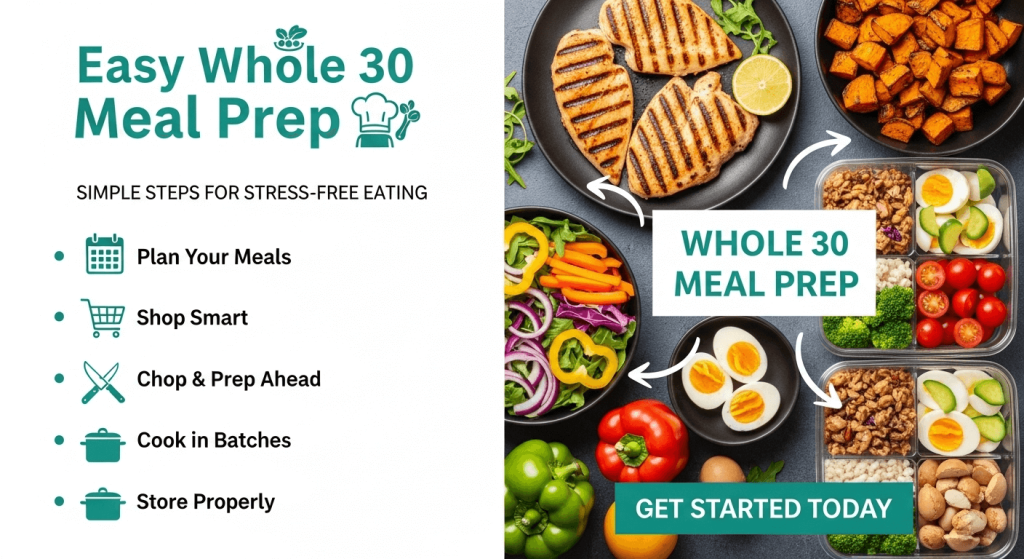
Sticking to Whole 30 can feel impossible when you’re tired after work, staring at an empty fridge, and tempted by takeout menus. The constant decision-making around compliant ingredients, last-minute cooking, and unexpected cravings is the top reason many first-time participants don’t complete the 30-day reset. Easy Whole 30 meal prep eliminates that stress by having delicious, rule-compliant meals ready to grab when you need them most. This 2026-updated guide walks you through simple, actionable steps to prep a week of meals in 90 minutes or less, no advanced cooking skills required. You’ll learn how to choose recipes that won’t bore your tastebuds, avoid common prep mistakes, and stay on track even when life gets busy—so you can hit your health goals without the daily hassle.
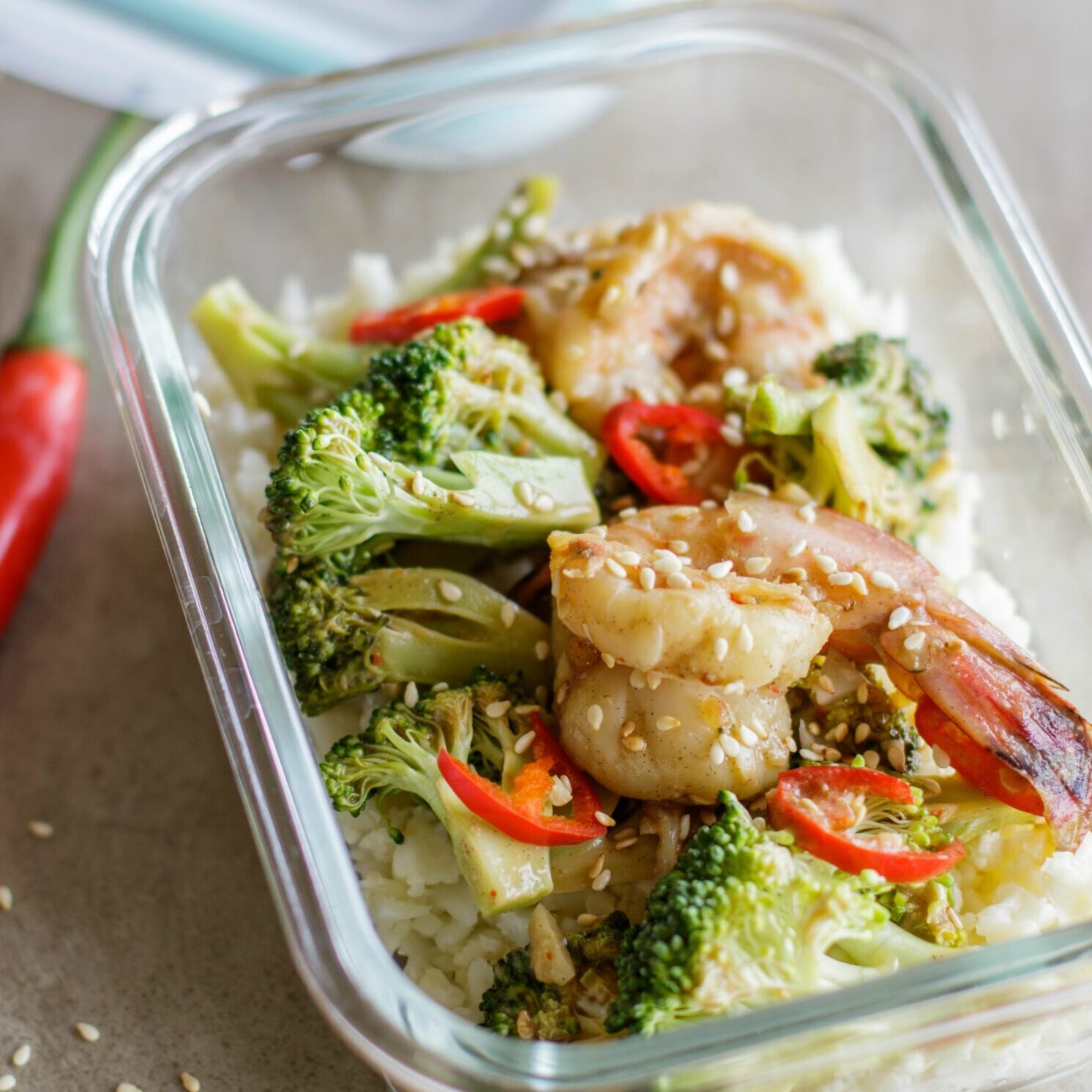 A spread of prepped Whole 30 meals ready for the week, featuring lean proteins and roasted vegetables
Credit: mealpreponfleek.com
A spread of prepped Whole 30 meals ready for the week, featuring lean proteins and roasted vegetables
Credit: mealpreponfleek.com
Whole 30 2026 Core Rules and Approved Foods
Whole 30 is a 30-day dietary reset focused on eliminating processed foods, added sugars, and common inflammatory ingredients to help you identify foods that may cause bloating, fatigue, or cravings. The program does not restrict calories or portion sizes, and its core rules have remained consistent in recent years, with only minor clarifications around compliant packaged ingredients. For the most up-to-date official guidelines, refer to the official Whole 30 program rules to avoid common compliance missteps.
A common first-time misconception is that all fruit is off-limits—unsweetened whole fruit is fully compliant and can help satisfy sweet cravings without breaking the rules. Use the table below to quickly reference approved and restricted foods:
| Category | Approved Foods | Foods to Avoid |
|---|---|---|
| Proteins | Unprocessed beef, chicken, pork, fish, shellfish, eggs (any preparation) | Processed deli meats, bacon with added sugars or nitrates, factory-farmed meats with pre-made marinades |
| Produce | All fresh, frozen (unsweetened), or canned (no added ingredients) vegetables and fruits | Fruits canned in syrup, dried fruit with added sugars, 100% fruit juices |
| Fats | Olive oil, coconut oil, avocado oil, whole avocado, olives, nuts and seeds (no peanuts) | Nut butters with added sugars or oils, peanut butter, processed seed oils (canola, soybean, corn) |
| Flavorings | Herbs, spices, salt, pepper, vinegar (no added sugars) | Sauces with added sugars, soy sauce, teriyaki sauce, artificial flavorings, MSG |
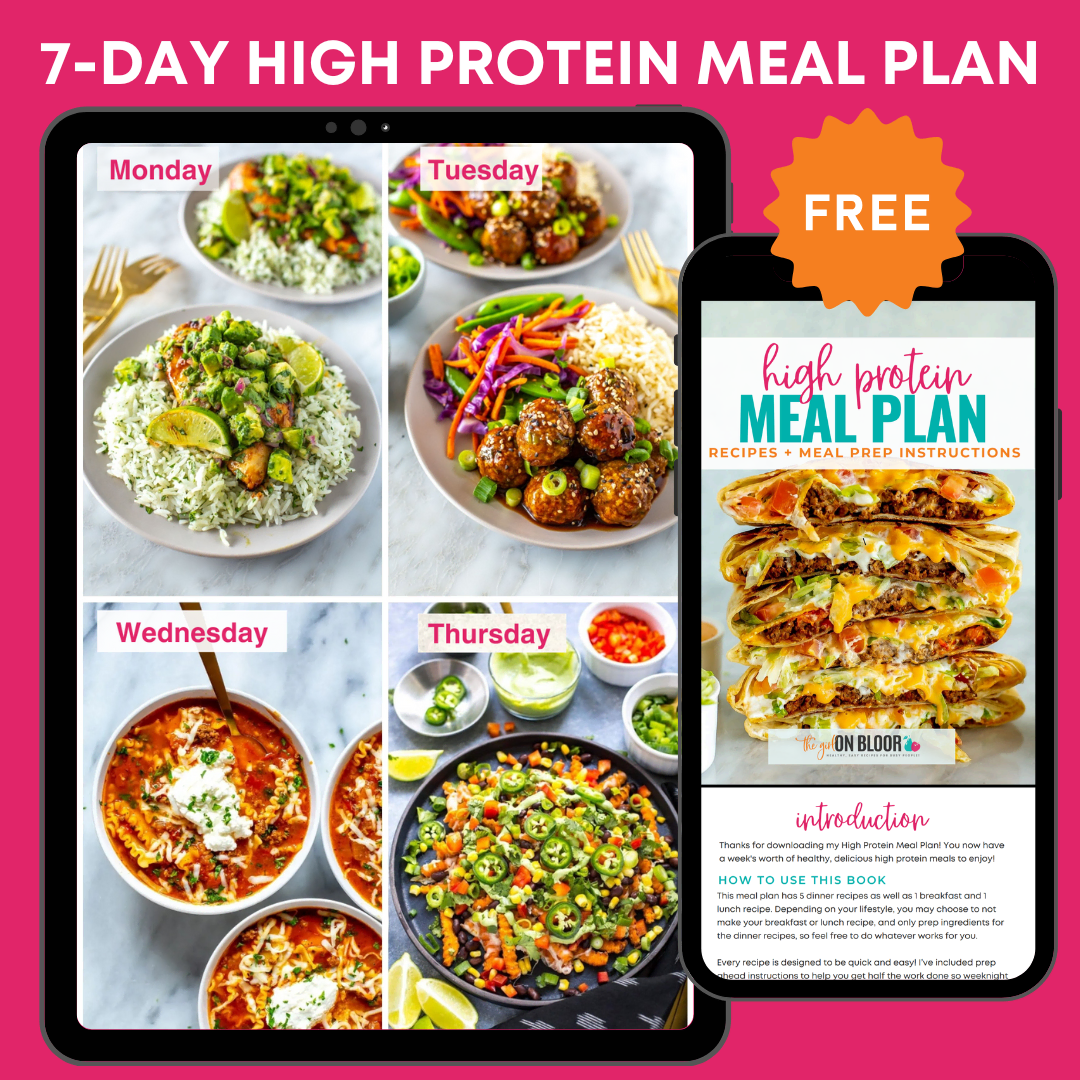 A categorized grocery list and haul make shopping faster and ensures you only buy compliant ingredients
Credit: thegirlonbloor.com
A categorized grocery list and haul make shopping faster and ensures you only buy compliant ingredients
Credit: thegirlonbloor.com
Why Easy Whole 30 Meal Prep Is a Game-Changer
The biggest barrier to completing Whole 30 is unplanned non-compliant food choices made when you’re tired, busy, or caught without a healthy option. Easy Whole 30 meal prep eliminates this barrier by having pre-portioned, compliant meals ready to grab in seconds, removing the daily decision fatigue that leads to rule-breaking. It also cuts down on food waste and reduces spending on takeout and last-minute convenience foods, making the program far more sustainable for people with busy schedules. Research from the University of Minnesota Extension confirms that consistent meal prep is one of the most effective strategies for sticking to short-term dietary reset programs like Whole 30, eliminating the daily guesswork that often leads to non-compliant choices.
Step-by-Step Easy Whole 30 Meal Prep Framework
This framework takes 90 minutes or less per week, requires no advanced cooking skills, and works for beginners and experienced Whole 30 participants alike.
1. Pick 4–6 Versatile Base Recipes
Start by selecting 2–3 breakfast options, 2–3 lunch bases, and 2–3 dinner bases that use overlapping ingredients to cut down on prep time and waste. For example, a batch of roasted chicken thighs can be used for lunch salads, dinner stir-fries, and quick snack wraps. Avoid overly complicated recipes with rare ingredients—stick to familiar flavors you already enjoy to reduce burnout. A common mistake first-time preppers make is choosing 7 entirely new recipes for the week, which leads to overwhelming prep time and excess ingredient waste. Stick to 1–2 new recipes per week to keep things simple.
2. Build a Targeted Whole 30 Shopping List
Before heading to the store, audit your pantry, fridge, and freezer for staples you already have (olive oil, spices, frozen veggies, etc.) to avoid duplicates. Group your list by store layout (produce, proteins, pantry) to speed up your shopping trip. A detailed list prevents impulse buys of non-compliant snacks, which are a common trigger for unplanned rule-breaking during the week. You can use a digital list app or a physical notebook—whatever fits your workflow best.
3. Schedule Your 90-Minute Prep Session
Pick a consistent time that works for your schedule, usually Sunday afternoon or Monday evening, to build a routine. Break the session into three 30-minute blocks to avoid overwhelm:
- Block 1: Wash and chop all produce, wash and dry leafy greens
- Block 2: Cook proteins and roast/steam veggies
- Block 3: Portion meals into individual containers, label with dates, and store If you don’t have a full 90 minutes, split the session into two 45-minute blocks midweek and on the weekend to fit prep into a busy schedule. Many participants find that two shorter sessions are easier to manage than one long, draining prep day.
Batch Cooking Best Practices for Fresh, Tasty Meals All Week
Batch cooking is the core of stress-free Whole 30 meal prep, but small mistakes can lead to soggy, bland meals by midweek. Follow these best practices to keep your food fresh and flavorful all week.
Cook Proteins in Large, Flavorful Batches
Season proteins with Whole 30 compliant spices and herbs (paprika, garlic powder, oregano, rosemary, etc.) before cooking to add depth of flavor without non-compliant sauces. Grill, bake, slow cook, or air fry proteins in bulk—cooking 2–3 lbs of chicken, 1–2 lbs of ground meat, or a full tray of salmon at once takes almost no extra time than cooking a single serving. Let cooked proteins cool completely before storing to prevent sogginess and bacterial growth. A common mistake is under-seasoning bulk proteins, which leads to bland meals later—taste and adjust seasoning while cooking to get the flavor right.
Prep Veggies for Quick Mix-and-Match Meals
Chop and roast a variety of veggies (broccoli, bell peppers, carrots, sweet potatoes, Brussels sprouts, etc.) in bulk at 400°F for 20–25 minutes to bring out their natural sweetness without added sugars or sauces. Store roasted veggies in separate airtight containers so you can mix and match with different proteins throughout the week. For salads, wash and dry leafy greens ahead of time and store them with a paper towel to absorb excess moisture and keep them crisp for 3–4 days. A quick scrub with a heavy-duty scrub brush removes dirt and debris from root veggies and potatoes in seconds, cutting down on prep time.
Store Meals Correctly to Stay Fresh and Compliant
Use glass meal prep containers with airtight lids for best results—they reheat evenly in the microwave or oven and don’t hold odors from previous meals. Portion out individual servings to avoid overeating and make grabbing a meal on busy weekdays as simple as grabbing a container. Label each container with the date and contents to avoid food waste—Whole 30 meals stored in the fridge stay fresh for 3–4 days, while frozen meals last up to 3 months. A common mistake is storing hot food directly in the fridge, which raises the internal temperature of the appliance and leads to faster spoilage—let cooked food cool to room temperature for 30 minutes before storing. If you have young kids, keep prepped snacks and meal containers organized in lower cabinets secured with child-safe cabinet locks to prevent unplanned snacking before mealtime.
10 Quick, No-Fuss Whole 30 Meal Prep Recipes
All of these recipes have 15 minutes or less of active prep time, use common ingredients, and reheat well for meal prep.
Breakfast Options
- Spinach and feta egg muffins (15 mins active prep): Whisk eggs, chopped spinach, and diced compliant sausage, pour into muffin tins, and bake for 20 mins. Store in the fridge for 3 days.
- Sweet potato and sausage hash (20 mins active prep): Roast diced sweet potatoes and ground sausage with bell peppers and onions, season with paprika and salt. Reheat in 2 mins.
- Avocado arugula breakfast bowls (10 mins active prep): Layer arugula, sliced avocado, hard-boiled eggs, and cherry tomatoes in containers, add olive oil and lemon juice dressing before eating.
- Chia seed pudding (5 mins active prep + overnight chill): Mix chia seeds, full-fat coconut milk, and vanilla, refrigerate overnight, and top with fresh berries in the morning.
- Stuffed bell peppers (25 mins active prep): Fill halved bell peppers with scrambled eggs, cooked sausage, and spinach, bake for 20 mins. Store for 3 days.
Lunch Options
- Grilled chicken Caesar salad (15 mins active prep): Grill chicken breasts, chop romaine, add a compliant Caesar dressing (olive oil, lemon juice, garlic, anchovy paste) and nutritional yeast for a cheesy flavor.
- Beef and cauliflower rice stir-fry (20 mins active prep): Brown ground beef with broccoli, bell peppers, and riced cauliflower, season with coconut aminos, ginger, and garlic.
- Turkey lettuce wraps (15 mins active prep): Cook ground turkey with shredded carrots, celery, and spices, serve in large lettuce leaves with avocado slices.
- Roasted sweet potato and kale bowls (20 mins active prep): Roast sweet potato cubes, massage chopped kale with olive oil, add grilled chicken and lemon vinaigrette.
- Shrimp and cucumber salad (10 mins active prep): Toss cooked shrimp, sliced cucumber, cherry tomatoes, and fresh herbs with olive oil and red wine vinegar.
Dinner Options
- Baked salmon with asparagus (15 mins active prep): Season salmon fillets and asparagus with olive oil, garlic, and lemon, bake at 400°F for 12–15 mins.
- Slow cooker beef stew (10 mins active prep): Add beef chunks, carrots, celery, and beef broth to a slow cooker, cook on low for 8 hours, and season with thyme and salt.
- Zucchini noodle Bolognese (20 mins active prep): Brown ground beef with no-added-sugar tomato sauce, add zucchini noodles, and simmer for 5 mins.
- Roasted chicken thighs with Brussels sprouts (15 mins active prep): Season chicken thighs and Brussels sprouts with olive oil, rosemary, and salt, roast at 400°F for 35 mins.
- Grilled pork chops with sautéed spinach (15 mins active prep): Grill pork chops, sauté spinach with garlic and olive oil, and serve with a side of roasted sweet potatoes.
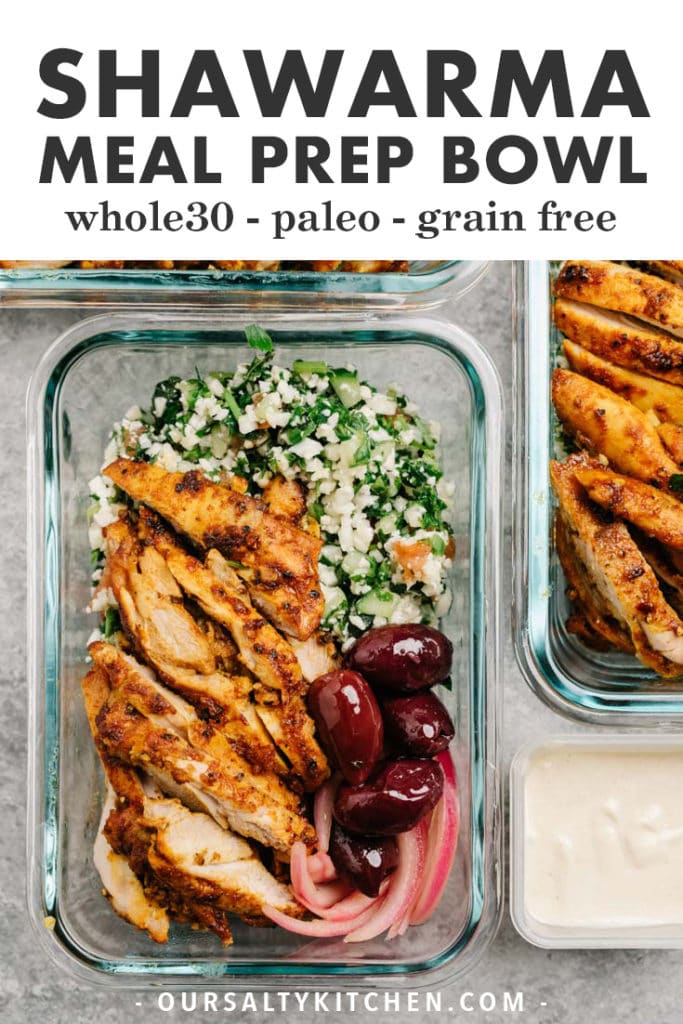 A flavorful Whole 30 compliant bowl that can be prepped in bulk for quick lunches or dinners
Credit: oursaltykitchen.com
A flavorful Whole 30 compliant bowl that can be prepped in bulk for quick lunches or dinners
Credit: oursaltykitchen.com
Essential Tools for Effortless Whole 30 Meal Prep
You don’t need fancy, expensive equipment to meal prep for Whole 30—most of the tools you already have in your kitchen will work. That said, a few key items can cut down on prep time and make the process far less stressful.
Must-Have Appliances
- Slow cooker: Perfect for hands-off cooking of stews, shredded meats, and soups that cook while you’re at work or asleep.
- Instant Pot or pressure cooker: Cuts cooking time for tough cuts of meat, root veggies, and stews by up to 70%, ideal for busy weeknights.
- Air fryer: Lets you get crispy roasted veggies and proteins without excess oil, and reheats leftovers far better than a microwave for a fresh, non-soggy texture.
- Food processor: Cuts down on chopping time for veggies by 80%, perfect for prepping large batches of slaws, diced veggies, and cauliflower rice in minutes.
Simple Gadgets That Save Time
- Sharp chef’s knife: A dull knife makes chopping tedious and unsafe—keep yours sharp to speed up prep.
- Vegetable peeler: Quickly peels sweet potatoes, carrots, and other root veggies in seconds.
- Silicone spatulas: Scrape every last bit of sauce and dressing from bowls without scratching non-stick cookware.
- Herb scissors: Chop fresh herbs in seconds without dirtying a cutting board and knife.
Storage and Organization Tools
- Glass meal prep containers: Durable, microwave-safe, and don’t hold odors, ideal for storing prepped meals.
- Reusable silicone bags: Perfect for storing snacks, leftover veggies, and marinating proteins without single-use plastic waste.
- Masking tape or a label maker: Mark containers with dates and contents to avoid food waste and confusion.
- Stackable fridge organizers: Keep prepped meals visible and easy to grab, reducing the chance of forgetting meals and letting them go bad. For easy cleanup of produce and prep tools, a set of all-purpose cleaning brushes makes wiping down counters and washing veggies fast and efficient.
Stay on Track: Motivation and Common Pitfall Fixes
Even with perfect prep, it’s easy to lose motivation or make small mistakes that derail your Whole 30 progress. Use these practical tips to stay on track.
Beat Cravings Without Breaking the Rules
Cravings are a normal part of the Whole 30 process, especially in the first two weeks as your body adjusts to no added sugars. When a craving hits, first drink a glass of water and wait 10 minutes—often thirst is mistaken for hunger. Keep Whole 30 compliant snacks pre-portioned and on hand, like almonds, apple slices, or carrot sticks with guacamole, to satisfy hunger without breaking the rules. Experimenting with new spices and flavors in your meals also keeps your palate excited and reduces cravings for familiar non-compliant foods.
Avoid Common Meal Prep Mistakes
Even experienced Whole 30 participants make small mistakes that derail their progress. Here are the most common pitfalls and how to fix them:
- Overprepping fancy recipes: Stick to 1–2 new recipes per week, and reuse your favorite base recipes to cut down on prep time and reduce burnout.
- Prepping meals with soggy ingredients: Add leafy greens, dressings, and crunchy toppings (like nuts) right before eating, rather than pre-packing them, to keep textures fresh.
- Forgetting to account for busy weeknights: Prep extra protein and roasted veggies on weekends so you have quick, compliant options for late nights when you don’t have time to cook.
- Not labeling containers: Unlabeled containers lead to forgotten meals and food waste—spend 2 minutes labeling each container with the date and contents to avoid this.
Build a Support System
Having people to hold you accountable makes completing Whole 30 far easier. Join a local or online Whole 30 support group to share recipes, troubleshoot challenges, and celebrate wins. You can also ask friends or family to join you in the challenge, or simply share your goals with a loved one who will check in on your progress. In practice, people who share their Whole 30 goals with a friend or join a community group report feeling far more motivated and less likely to give in to cravings when they hit a rough patch.
Frequently Asked Questions
What is the easiest Whole 30 meal prep for beginners?
The easiest options for beginners are one-pan roasted meals and slow cooker recipes that require minimal active prep time. Start with simple recipes like roasted chicken and veggies, slow cooker beef stew, or egg muffins, which use common ingredients and take 15 minutes or less of active work.
How long do Whole 30 meal prep meals last in the fridge?
Properly stored Whole 30 meals with cooked proteins and roasted veggies last 3–4 days in the fridge in airtight containers. Meals with fresh leafy greens or dressings added ahead of time last 2–3 days. Freeze extra meals for up to 3 months to extend their shelf life.
Can I freeze Whole 30 meal prep?
Yes, most Whole 30 meals freeze beautifully. Avoid freezing meals with fresh leafy greens, dressings, or crunchy toppings—add those fresh when you’re ready to eat. Freeze individual portions in airtight containers or freezer bags for up to 3 months, and thaw in the fridge overnight before reheating.
Do I have to eat the same thing every day during Whole 30?
No! The beauty of meal prep is that you can mix and match prepped bases to create entirely different meals each day. For example, prepped roasted chicken can be used for a lunch salad, a dinner stir-fry, and a quick snack wrap, so you never get bored.
What if I don’t like vegetables?
You don’t have to eat vegetables you dislike—focus on the ones you enjoy. Roasting veggies brings out their natural sweetness, which makes even bitter veggies like Brussels sprouts or kale taste delicious for many people. You can also blend veggies into sauces or add them to smoothies if you prefer not to eat them whole.
Easy Whole 30 meal prep saves time, reduces stress, and makes the 30-day reset far more sustainable than cooking from scratch every day. The key is to keep things simple: stick to versatile base recipes, avoid overpreping, and remember that consistency matters far more than perfection. If you slip up and eat a non-compliant meal, just get back on track at your next meal—one mistake doesn’t ruin your entire progress. For more tips on simplifying your kitchen routine and staying organized, check out our guides to top-rated kitchen brushes and dish brushes with built-in dispensers to make cleanup after prep a breeze.

I’m Abby Lu, a passionate home cook who loves simplifying everyday meals. At PlugChef.com, I share product reviews and cooking guides to help you find the best tools for your kitchen.
Related posts:
 How to Make a Fruit Basket for a Gift: Easy DIY Guide
 Do You Need a Basket? Essential Guide for Air Fryers
 What Blenders Do Tropical Smoothie Use: Expert Insights
Stainless Steel Vs White Kitchen Appliances: Ultimate Showdown
What Blenders Do Tropical Smoothie Use: Expert Insights
Stainless Steel Vs White Kitchen Appliances: Ultimate Showdown
 Kitchen Appliances for Wedding Registry: Must-Have Essentials
 Top 10 Best Non-Toxic Cooking Utensils – Safe & Durable Choices for Healthy Homes

