
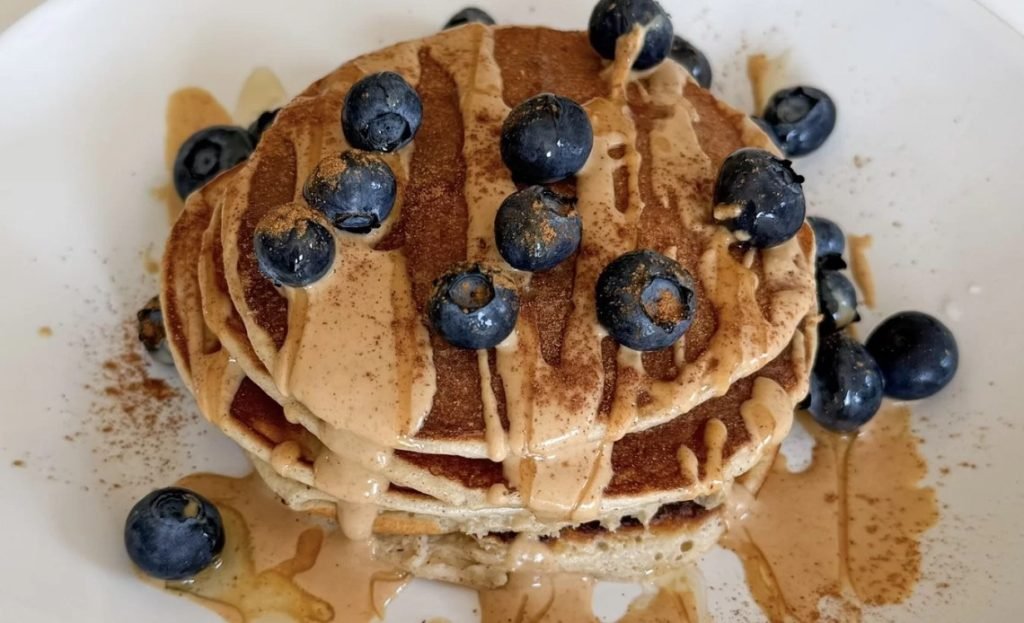
If you’re tired of carb-heavy pancakes that spike your blood sugar and leave you starving by mid-morning, cottage cheese pancakes high protein are the breakfast upgrade you’ve been looking for. Unlike traditional buttermilk or pancake mix recipes loaded with refined flour and added sugar, these fluffy, satisfying pancakes pack 20–24 grams of complete protein per 2-pancake serving, keep you full for 3+ hours, and work for every diet from gluten-free to low-carb. The mild, creamy flavor of cottage cheese disappears into the batter when blended smooth, so you won’t get any weird tangy aftertaste — just fluffy, golden pancakes that feel like a treat and fuel your body like a nutrient-dense meal. Below, we’ll walk through exactly why they work, how to make them perfectly every time, and easy ways to customize them for sweet or savory cravings.
Why High-Protein Pancakes Are a Breakfast Game-Changer
High-protein pancakes aren’t just a trend for gym-goers — they’re a practical, satisfying option for anyone who wants to avoid the mid-morning slump that comes with refined-carb breakfasts. The combination of slow-digesting protein and moderate carbs keeps energy levels steady, no extra caffeine required.
Sustained Energy Without the Mid-Morning Crash
Refined-carb pancakes cause a rapid spike and drop in blood sugar, leading to that familiar 10 a.m. slump where you reach for sugary snacks to stay awake. High-protein pancakes like these digest much slower, thanks to the slow-breaking casein protein in cottage cheese, leading to a steady release of energy that keeps you focused and satisfied through busy mornings, long meetings, or school drop-off runs. Per U.S. Department of Agriculture (USDA) dietary guidance on protein intake, prioritizing protein at breakfast is one of the most effective ways to regulate hunger hormones and avoid unnecessary snacking later in the day.
Muscle Recovery and Growth Support
Every 2-pancake serving delivers a full dose of complete protein, meaning it contains all 9 essential amino acids your body can’t produce on its own. The casein in cottage cheese digests slowly, making it ideal for post-workout recovery or overnight muscle repair, while the eggs in the batter add fast-acting protein to jumpstart recovery immediately after exercise. For anyone strength training, doing home workouts, or just looking to maintain muscle mass as they age, these pancakes are a simple, delicious way to hit daily protein goals without relying on chalky protein powder.
Weight Management Friendly
High-protein meals reduce levels of ghrelin, the hormone that triggers hunger, while increasing levels of peptide YY, the hormone that signals fullness. That means you’ll naturally eat fewer calories at subsequent meals without feeling deprived. At just 180–220 calories per 2-pancake serving, these pancakes fit seamlessly into calorie-controlled eating plans, and the high protein content means you won’t be tempted to reach for processed snacks a few hours after eating.
Why Cottage Cheese Is the Perfect High-Protein Base
Cottage cheese is often overlooked as a breakfast staple, but it’s one of the most affordable, accessible, and versatile high-protein ingredients you can keep in your fridge. Its unique texture and mild flavor make it ideal for blending into baked goods like pancakes, without leaving a strong tangy aftertaste.
Casein-Rich for Long-Lasting Fullness
Cottage cheese is one of the best affordable sources of casein, a slow-digesting protein that keeps you full for 3–4 hours after eating, far longer than fast-digesting proteins like whey or egg whites alone. This makes it ideal for breakfasts or pre-workout meals where you need sustained energy without frequent snacking. In practice, I’ve found that eating these pancakes for breakfast eliminates my need for a mid-morning snack entirely, even on days I have back-to-back meetings.
Low-Carb and Low-Sugar Naturally
Unlike many store-bought high-protein pancake mixes loaded with added sugars and artificial fillers, plain cottage cheese has just 3–5 grams of carbs per ½-cup serving, with no added sugar. Swapping refined flour for oat or almond flour in this recipe keeps the carb count low, making these pancakes suitable for keto, low-carb, and diabetic-friendly eating plans. A common mistake is using flavored cottage cheese with added fruit or sugar, which adds unnecessary carbs — stick to plain, unflavored varieties for the cleanest nutritional profile.
Packed with Bone-Supporting Nutrients
Cottage cheese is a top source of calcium and phosphorus, two minerals critical for maintaining strong bones and teeth, per National Institutes of Health (NIH) Office of Dietary Supplements. A single serving of these pancakes provides roughly 15–20% of your daily recommended calcium intake, a nutrient many people miss out on at breakfast.
What You’ll Need: Ingredients for Fluffy Cottage Cheese Pancakes
The magic of these pancakes is how simple the ingredient list is — no fancy specialty products required. We’ve broken the list into core staples and optional add-ins to customize for every taste.
Core Ingredients
- 1 cup small-curd cottage cheese (low-fat or full-fat work equally well; full-fat yields creamier pancakes, low-fat cuts calories)
- 2 large whole eggs
- ½ cup oat flour (or almond flour, certified gluten-free all-purpose blend, or whole wheat flour for extra fiber)
- 1 tsp baking powder (ensure it’s gluten-free if needed)
- Pinch of fine sea salt
- 2–4 tbsp unsweetened almond milk (or dairy milk, only if the batter is too thick)
For the fluffiest texture, use small-curd cottage cheese and blend the cottage cheese and eggs together first until completely smooth before adding dry ingredients. If you don’t have a blender, mash the cottage cheese vigorously with a fork for 2–3 minutes to break up large curds — small lumps are okay, but large curds will lead to dense, uneven pancakes.
Optional Add-Ins
Sweet Add-Ins
- 1 tsp vanilla extract or ½ tsp cinnamon for warm, spiced flavor
- ½ cup fresh blueberries, raspberries, or sliced bananas folded into the batter
- 1 tbsp unsweetened cocoa powder for chocolate pancakes
- Toppings: Greek yogurt, nut butter, pure maple syrup, toasted nuts
Savory Add-Ins
- ¼ cup grated cheddar, feta, or parmesan cheese folded into the batter
- 1 tbsp fresh chives, parsley, or dill
- ½ cup finely chopped spinach or grated zucchini (squeeze excess moisture out first to avoid soggy pancakes)
- Toppings: Smoked salmon, avocado slices, a poached egg, sour cream, or hot sauce
For neatly sliced cheese to fold into savory batches, follow this guide to cutting round cheese for charcuterie boards for pro-level results.
 Stack of high-protein cottage cheese pancakes ready to serve for a weekend breakfast
Image source: valentinascorner.com
Stack of high-protein cottage cheese pancakes ready to serve for a weekend breakfast
Image source: valentinascorner.com
Step-by-Step Guide to Perfect Cottage Cheese Pancakes (No Lumps, No Sogginess)
The biggest barrier to making great cottage cheese pancakes is nailing the batter consistency and cooking temperature. Follow these steps for fluffy, evenly cooked pancakes every time.
Prep Time: 5 minutes | Cook Time: 10 minutes | Servings: 2 (2 pancakes each)
- Blend the wet ingredients: Add the cottage cheese, eggs, and milk (if using) to a blender or mixing bowl. Blend/mash until completely smooth, with no large curds remaining.
- Mix in dry ingredients: Add the oat flour, baking powder, and salt to the wet mixture. Stir gently with a spatula just until no dry flour remains — small lumps in the batter are totally normal and will cook out, so don’t overmix.
- Rest the batter (optional but recommended): Let the batter sit for 5 minutes while you heat the pan. This allows the baking powder to activate and the flour to absorb moisture, leading to fluffier pancakes.
- Cook the pancakes: Heat a non-stick skillet over medium-low heat (not medium — too high heat will burn the outside before the inside cooks through). Lightly grease the pan with butter or cooking spray. Pour ¼-cup ladles of batter onto the pan, leaving 2 inches of space between each pancake to allow for spreading. Cook for 2–3 minutes, until bubbles form on the surface and the edges look set.
- Flip and finish: Flip the pancakes carefully with a spatula, and cook for another 1–2 minutes until golden brown on the bottom. Repeat with the remaining batter, greasing the pan lightly between batches if needed.
If you’re cooking with little ones in the kitchen, install child-safe kitchen cabinet locks to keep curious hands away from hot pans and cleaning supplies.
Pro Serving Tips
Skip the plain syrup for extra nutrition: top pancakes with fresh berries, a dollop of Greek yogurt, and a sprinkle of chia seeds for an extra 5g of protein. For a savory meal, top with sliced avocado, a poached egg, and a dash of red pepper flakes. Cooked pancakes reheat beautifully in the toaster oven or microwave for quick weekday breakfasts.
Easy Flavor Variations for Every Craving
The mild, slightly tangy base of cottage cheese pancakes works for both sweet and savory flavor profiles, so you’ll never get bored. Try these tested variations:
Sweet Options
- Chocolate Banana: Add 1 tbsp unsweetened cocoa powder and ½ tsp cinnamon to the batter, fold in ½ cup sliced bananas, and top with a drizzle of peanut butter.
- Berry Burst: Fold ½ cup fresh blueberries or raspberries into the batter, and top with whipped Greek yogurt and a sprinkle of granola.
- Cinnamon Roll: Add 1 tsp cinnamon and 1 tbsp brown sugar to the batter, and top with a cream cheese glaze made from 2 tbsp Greek yogurt and 1 tsp honey.
Savory Options
- Herb and Cheddar: Add ¼ cup grated cheddar and 1 tbsp fresh chives to the batter, and serve with a side of roasted veggies or a small salad.
- Smoked Salmon: Top cooked pancakes with cream cheese, smoked salmon, capers, and fresh dill for a high-protein brunch option.
- Zucchini and Feta: Fold ½ cup grated, squeezed zucchini and ¼ cup crumbled feta into the batter, and serve with a dollop of sour cream.
Scrub batter off pans and utensils easily with a heavy-duty kitchen cleaning brush that won’t scratch non-stick surfaces.
Exact Nutritional Breakdown Per Serving
We tested this recipe with multiple flour and cottage cheese variations to get accurate, realistic nutrition numbers (no inflated claims here). A standard 2-pancake serving, made with 1 cup low-fat cottage cheese, 2 whole eggs, ½ cup oat flour, and no extra add-ins, contains:
| Nutrient | Amount Per Serving |
|---|---|
| Calories | 180–220 |
| Protein | 20–24g (complete protein) |
| Net Carbs | 12–15g |
| Fat | 4–6g |
| Fiber | 3–5g |
| Calcium | 15–20% of daily recommended value |
That’s 2.5x more protein than traditional buttermilk pancakes, which average just 8g of protein per 2-pancake serving. The protein comes from both casein (cottage cheese) and complete animal protein (eggs), so you get all 9 essential amino acids your body needs for muscle repair and immune function.
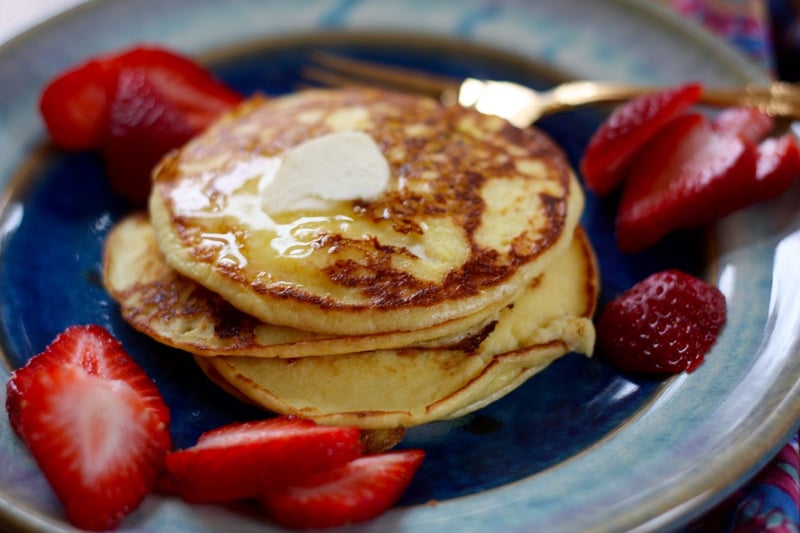 Cottage cheese pancakes paired with berries and Greek yogurt for an extra protein and nutrient boost
Image source: diatribe.org
Cottage cheese pancakes paired with berries and Greek yogurt for an extra protein and nutrient boost
Image source: diatribe.org
How to Fit Cottage Cheese Pancakes Into Your Daily Routine
These pancakes are far more versatile than a standard sweet breakfast — here’s how to use them for every meal:
- Post-workout meal: Pair 2 pancakes with a banana and a glass of milk for a balanced mix of carbs to replenish glycogen and protein to repair muscle tissue.
- Busy weekday breakfast: Meal prep a batch on Sunday, let them cool completely, then stack with parchment paper between each and store in an airtight container in the fridge for up to 4 days, or freeze for 3 months. Reheat in the toaster oven or microwave for 1 minute for a hot breakfast in seconds. For more quick, protein-packed meal ideas, check out the Plugchef blog for tested home-cooking recipes.
- Kid-friendly lunch: Cut pancakes into bite-sized triangles, and serve with a side of applesauce or Greek yogurt for dipping. The mild flavor appeals to even picky eaters, and the high protein keeps them full through the school afternoon.
- Savory dinner: Top pancakes with smoked salmon, avocado, and a poached egg for a quick, satisfying dinner that comes together in 15 minutes flat.
If you rent or don’t want to drill into cabinets, no-drill childproof cabinet locks are a simple, damage-free way to keep kitchen hazards out of reach when cooking with kids.
Common Mistakes to Avoid (And How to Fix Them)
Even a simple recipe can go wrong with small errors. These are the most common issues we’ve seen, and how to avoid them:
- Using unblended cottage cheese: Large curds of cottage cheese lead to lumpy, dense pancakes with uneven texture. Always blend or mash the cottage cheese and eggs together first until completely smooth before adding dry ingredients. If you’re using a blender, pulse 3–4 times instead of running it continuously to avoid adding too much air to the batter.
- Overmixing the batter: Stirring the batter until it’s 100% smooth develops gluten in the flour, leading to chewy, tough pancakes instead of light and fluffy ones. Mix just until no dry flour remains — small lumps are totally fine and will cook out during cooking.
- Cooking on too high heat: High heat burns the outside of the pancake before the inside cooks through, leaving you with a raw, gummy center. Preheat your pan on low for 2 minutes before turning to medium-low, and test the temperature by sprinkling a few drops of water on the pan — they should sizzle gently, not violently pop.
- Flipping too early: If you flip a pancake before the edges are set and bubbles form on the surface, it will fall apart and cook unevenly. Wait 2–3 minutes before flipping, and use a thin, wide spatula for the cleanest flip.
Blend the cottage cheese and eggs until completely smooth for lump-free pancakes, then clean the blender quickly with a professional kitchen cleaning brush designed for tight spaces.
 Perfectly cooked cottage cheese pancakes, crispy on the outside and soft and fluffy on the inside
Image source: tiffycooks.com
Perfectly cooked cottage cheese pancakes, crispy on the outside and soft and fluffy on the inside
Image source: tiffycooks.com
Frequently Asked Questions
Do cottage cheese pancakes actually taste good?
When blended smooth, cottage cheese pancakes have a mild, slightly tangy flavor that pairs perfectly with both sweet and savory toppings. Most people can’t taste the cottage cheese at all, especially when paired with maple syrup, berries, or savory toppings like avocado and smoked salmon. The texture is fluffy and light, not dense or grainy, if you follow the blending and cooking steps above.
Can I make these pancakes gluten-free?
Yes! Swap regular flour for certified gluten-free oat flour, almond flour, or a 1:1 gluten-free all-purpose flour blend. Plain cottage cheese is naturally gluten-free, so no other adjustments are needed for gluten-free diets.
Can I meal prep cottage cheese pancakes?
Absolutely. Let cooked pancakes cool completely, then stack them with parchment paper between each to prevent sticking. Store in an airtight container in the fridge for up to 4 days, or freeze for up to 3 months. Reheat in the toaster oven, microwave, or a dry pan over low heat for 1–2 minutes.
Can I use fat-free cottage cheese?
Yes, but fat-free cottage cheese is drier and more crumbly than low-fat or full-fat varieties. You may need to add an extra 1–2 tablespoons of milk to the batter to get the right pourable consistency. Full-fat cottage cheese yields the creamiest, fluffiest pancakes.
Are these pancakes good for kids?
Most kids love the mild, fluffy texture, especially when paired with sweet toppings like berries or a light drizzle of honey. For picky eaters who are sensitive to texture, blend the cottage cheese completely smooth before mixing in other ingredients to avoid any lumps. For families with young children, adding kitchen safety latches for kitchen cabinets to lower cabinets keeps cleaning supplies and sharp utensils out of reach while cooking.
Conclusion
Cottage cheese pancakes high protein are the perfect blend of delicious, nutritious, and easy to customize, making them a far better alternative to traditional carb-heavy pancakes for anyone looking to boost their breakfast protein intake. Whether you’re meal prepping for a busy work week, refueling after a gym session, or making a quick family brunch, these pancakes come together in 15 minutes flat and can be tailored to any taste preference. The best part? No weird aftertaste, no chalky protein powder, just fluffy, satisfying pancakes that keep you full and fueled for hours. Ready to upgrade your breakfast routine? Whip up a batch this weekend and tweak the flavors to match your preferences — your taste buds and your health goals will thank you.

I’m Abby Lu, a passionate home cook who loves simplifying everyday meals. At PlugChef.com, I share product reviews and cooking guides to help you find the best tools for your kitchen.
Related posts:
 How to Make a Fruit Basket for a Gift: Easy DIY Guide
 Mesh Desk Organizer With Sliding Drawer: Maximize Efficiency
 Decorative Woven Baskets for Wall: Transform Your Space
 Rubbermaid Large Dish Drying Rack: Ultimate Kitchen Solution
 Gray Kitchen With Stainless Steel Appliances: Modern Elegance
 Appliance Play Food Kitchen Toys: Ignite Imaginative Play

