
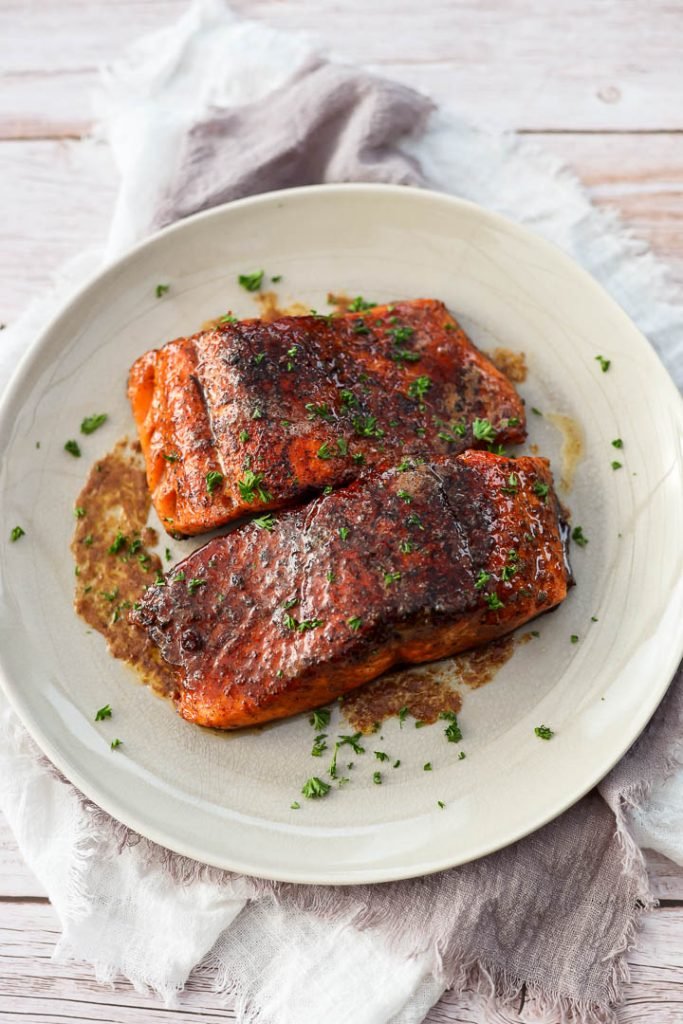
There’s a reason this Cajun honey butter sauce is a staple in Southern kitchens and backyard grilling spreads alike: it delivers the perfect balance of rich, creamy butter, bright natural sweetness, and warm, lingering spice in just 10 minutes, no fancy equipment required. Unlike generic dipping sauces, this versatile condiment works as a glaze, dip, marinade, and finishing drizzle for everything from weeknight chicken dinners to game-day shrimp platters. This tested recipe delivers consistent, balanced flavor every time, with clear guidance for adjusting sweetness and heat to match your taste.
 The glossy, velvety sauce is ready to serve warm or at room temperature
Credit: foodieandwine.com
The glossy, velvety sauce is ready to serve warm or at room temperature
Credit: foodieandwine.com
Ingredients for Perfect Flavor Balance
Getting the ingredient ratios right is the only barrier between a mediocre sauce and one that has people asking for the recipe. Each component plays a specific role in balancing sweet, spicy, and buttery notes, and small swaps can completely change the final profile to match your preferences.
Essential Components
These non-negotiable ingredients form the base of the sauce, with specific choices to avoid common flavor pitfalls:
- 8 tbsp (1 stick / 113g) unsalted butter: Use unsalted to control the sauce’s sodium level, as pre-made Cajun seasoning and added salt can make salted butter far too salty.
- 2-3 tbsp raw or wildflower honey: Raw honey has a more complex, floral sweetness than processed honey, but either works for this recipe.
- 1-2 tbsp Cajun seasoning: Choose a mild blend for low-heat options, or a spicy blend if you prefer a stronger kick. For full control, mix your own with 1 tbsp paprika, 1 tsp cayenne, 1 tsp garlic powder, 1 tsp onion powder, ½ tsp dried oregano, ½ tsp dried thyme, and ¼ tsp salt.
- 2 cloves fresh minced garlic (about 1 tsp): Fresh garlic has a brighter, more vibrant flavor than garlic powder, but powder works in a pinch.
- 1 tsp fresh squeezed lemon juice: Bottled lemon juice has a harsh, metallic aftertaste; fresh juice adds bright acidity that cuts through the sauce’s richness without overpowering other flavors.
Optional Add-Ins
Customize the sauce to match your meal or taste preferences with these simple additions:
- ½ tsp smoked paprika for a deep, smoky depth, especially if your Cajun seasoning is mild
- 1 tsp hot sauce (like Tabasco or Sriracha) for an extra layer of heat beyond the Cajun spice
- 1 tbsp chopped fresh parsley or chives for a pop of fresh color and mild herbal flavor
- ½ tsp freshly cracked black pepper to enhance the overall spice profile
- 1 tbsp maple syrup to swap or mix with honey for a woodsier, more caramel-like sweetness
Prep your aromatics and ingredients on a custom prep surface to keep your workflow organized as you work.
 All core ingredients laid out for quick, mess-free prep
Credit: asprinklingofcayenne.com
All core ingredients laid out for quick, mess-free prep
Credit: asprinklingofcayenne.com
Step-by-Step Preparation Guide
This recipe comes together in 10 minutes, but following each step carefully ensures a smooth, emulsified sauce that doesn’t separate as it cools. The biggest mistake home cooks make is rushing the melting step or adding ingredients too quickly, which leads to a greasy, uneven final product.
Melt the Butter Base
Place the unsalted butter in a small saucepan over low heat, or use a microwave-safe bowl and heat in 15-second bursts, stirring between each burst, until fully melted. Avoid high heat at all costs: scorched butter develops a bitter, nutty flavor that overpowers the sauce’s intended sweet-spicy balance. In practice, low and slow melting takes 2-3 minutes on the stove, or 30-45 seconds in the microwave, and yields a smooth, neutral base that carries all other flavors without competing.
Infuse Honey with Spices
While the butter melts, combine the honey, Cajun seasoning, and optional add-ins (smoked paprika, hot sauce, extra cayenne) in a small bowl. Stir thoroughly until no dry spice clumps remain, and the mixture is uniformly colored. This step infuses the honey with bold, warm spice notes that contrast beautifully with the butter’s richness, and mixing it separately ensures even flavor distribution instead of pockets of concentrated spice in the final sauce.
Emulsify and Finish the Sauce
Pour the spiced honey mixture into the melted butter in a slow, steady stream while whisking constantly, not just stirring, to create a stable emulsion. If you add the honey too quickly, the sauce will separate into greasy butter and sweet spice pools; if this happens, whisk in 1 tsp of warm water to bring it back together. Once fully combined, cook over low heat for 1-2 minutes to let the flavors meld, but do not let the sauce boil, as high heat will cause the butter to separate and the honey to caramelize too harshly. Remove from heat, stir in the fresh minced garlic and lemon juice, and taste to adjust seasoning.
Pro Tips for Perfect Sweet-Spicy Balance
This sauce relies on a delicate balance of three core flavor profiles, and small adjustments can make it fit any meal or preference. These tested tips eliminate guesswork and ensure consistent results every time.
Adjusting Sweetness
Honey is the primary sweetener, but you can tweak the level to match your dish: start with 2 tbsp of honey for a subtle sweetness that won’t overpower savory pairings, or up to 3 tbsp for a more dessert-like profile perfect for drizzling over popcorn or sweet potatoes. If you find the sauce too sweet even with the maximum honey, add a pinch of salt or an extra dash of Cajun seasoning to balance the flavor, rather than adding more spice, which can make the sauce harsh.
Controlling Spice Level
Cajun seasoning is the primary source of heat, and its intensity varies wildly between store-bought blends. Always start with 1 tbsp of seasoning, taste, and add more ½ tsp at a time until you reach your desired heat level. For kid-friendly or mild options, use a low-sodium, low-cayenne Cajun blend, or reduce the cayenne in your homemade mix to ½ tsp. A common mistake is adding all the spice at once, which can make the sauce uncomfortably hot with no way to tone it down.
Fixing Common Texture Issues
If the sauce separates after refrigeration or reheating, it’s almost always due to a broken emulsion from high heat or rapid mixing. To fix it, place the sauce in a small saucepan over low heat and whisk in 1 tsp of warm melted butter or heavy cream until smooth and glossy again. If the sauce thickens too much in the fridge, whisk in 1 tsp of warm water or cream to loosen it to your desired consistency.
For easy cleanup after cooking, use an effortless dishwashing tool to cut through greasy butter residue on pots and pans in seconds.
Serving Suggestions for Every Meal
This sauce’s versatility is what makes it a household staple: it works as a dip, glaze, marinade, and finishing drizzle for dozens of dishes. These pairings are tested to highlight its sweet-spicy profile without overwhelming other flavors.
Best Pairings
The sauce shines when paired with savory, hearty dishes that can stand up to its bold flavor:
- Drizzle over grilled chicken, pork chops, or salmon just before serving for a caramelized, flavorful glaze
- Use as a dipping sauce for crispy fried shrimp, chicken tenders, or buffalo wings for a sweet and spicy contrast
- Toss with roasted sweet potatoes, Brussels sprouts, or corn on the cob to make vegetables feel indulgent
- Spread on warm biscuits, cornbread, or grilled cheese sandwiches for a savory breakfast or lunch upgrade
- Brush onto bacon-wrapped appetizers or use as a dipping sauce for a charcuterie board spread for casual gatherings
Easy Presentation Ideas
You don’t need fancy equipment to make the sauce look restaurant-quality:
- Serve in small ceramic ramekins for individual dipping, or a larger bowl for family-style meals
- Garnish with a sprinkle of Cajun seasoning, a parsley sprig, or a light drizzle of extra honey for visual appeal
- Keep warm in a small slow cooker on low for parties, so the sauce stays pourable and glossy for hours
- Pour over warm dishes tableside for a dramatic, appetizing presentation
Storage, Reheating, and Shelf Life
Because this sauce contains no artificial preservatives, proper storage is key to keeping it fresh and safe to eat. Follow these guidelines to avoid spoilage and maintain its creamy texture.
Refrigeration Best Practices
Store leftover sauce in an airtight glass jar or container in the coldest part of your fridge (not the door, where temperatures fluctuate) to prevent it from absorbing other food odors. Properly stored, the sauce will stay fresh for 10-14 days. If you notice any mold, off smells, or separation that won’t come back together when whisked, discard it immediately. To keep the sauce out of reach of young children, store it in a child-safe storage spot to avoid accidental access to spicy, rich food.
Freezing for Long-Term Use
If you want to make a large batch, pour the cooled sauce into an ice cube tray and freeze until solid, then transfer the cubes to a freezer-safe bag. Frozen sauce will last up to 3 months. Thaw overnight in the fridge before reheating, and whisk in a splash of water or cream if it thickens too much during freezing.
Reheating Without Separation
Reheat the sauce gently over low heat on the stove, stirring constantly, or in the microwave in 10-second bursts, stirring between each burst, to avoid scorching. Never boil the sauce, as high heat will cause the butter to separate and the honey to burn. For an extra silky texture, whisk in 1 tsp of warm heavy cream or melted butter while reheating.
To avoid foodborne illness from improper storage or reheating, follow evidence-based food safety standards from the USDA for handling homemade sauces.
Easy Flavor Variations to Try
Small tweaks to the base recipe can create entirely new flavor profiles to match different meals or dietary needs, no extra prep required.
Sweetener Swaps
- Use pure maple syrup instead of honey for a woodsier, more caramel-like sweetness that pairs perfectly with breakfast dishes
- Mix 1 tbsp of honey with 1 tbsp of brown sugar for a richer, deeper sweetness ideal for glazes
- Use agave syrup for a mild, neutral sweetener that works for vegan or low-glycemic diets
Heat and Herb Additions
- Add 1 diced jalapeño (seeds removed for mild heat, left in for extra spice) while melting the butter for a fresh, bright heat
- Stir in 1 tsp of fresh chopped thyme or rosemary while the sauce finishes cooking for an earthy, herbal note that pairs perfectly with roasted meats
- Add ½ tsp of liquid smoke for a deep, barbecue-style smoky flavor ideal for grilled dishes
Dietary Accommodations
- For a vegan version, substitute unsalted butter with vegan butter (like Miyoko’s or Earth Balance) and use maple syrup instead of honey
- For a low-sodium option, use a low-sodium Caj seasoning blend and skip the added salt, relying on the natural salinity of the butter and seasoning
For verified guidance on traditional Cajun seasoning blends and their cultural roots, refer to Louisiana State University AgCenter culinary resources, a leading authority on Southern and Cajun foodways.
Frequently Asked Questions
What ingredients are needed for Cajun honey butter sauce?
The core ingredients are unsalted butter, honey, Cajun seasoning, fresh minced garlic, and lemon juice. Optional add-ins include smoked paprika, hot sauce, fresh herbs, and maple syrup for customization.
How do I make Cajun honey butter sauce at home?
Melt butter over low heat, mix honey with Cajun seasoning, pour the spiced honey into the melted butter while whisking constantly, then stir in garlic and lemon juice. The full process takes 10 minutes from start to finish.
What dishes pair well with this sauce?
It works as a glaze for grilled chicken, salmon, and pork; a dip for shrimp, chicken tenders, and wings; a drizzle for roasted vegetables, cornbread, and biscuits; and even a spread for grilled cheese or charcuterie boards.
Can I store Cajun honey butter sauce for later use?
Yes, it stays fresh for 10-14 days in the fridge in an airtight container, or up to 3 months in the freezer in ice cube trays. Reheat gently over low heat to maintain its smooth texture.
Can I make this sauce ahead of time?
Absolutely. You can prepare it 3-5 days in advance and store it in the fridge. Reheat gently before serving, and whisk in a splash of water or cream if it thickens too much.
Is this sauce kid-friendly?
Yes, if you use a mild Cajun seasoning blend or reduce the cayenne content. You can also make a half-batch with no spice for kids, and a spicier batch for adults.
What if my sauce separates?
Separation is usually caused by adding the honey too quickly or heating the sauce too high. Whisk in 1 tsp of warm water or melted butter while heating gently over low heat to re-emulsify it into a smooth sauce.
Can I use this as a marinade?
Yes! Coat chicken, pork, or shrimp in the sauce and marinate in the fridge for 30 minutes to 2 hours before grilling or baking. The honey helps caramelize the exterior, while the spices add deep, even flavor.
Tackle post-cooking messes with a heavy-duty cleanup tool to remove stuck-on butter and spice residue from pots and pans in seconds.
Conclusion
This Cajun honey butter sauce is a game-changer for weeknight dinners, grilling season, and casual gatherings, delivering bold, balanced flavor with minimal effort. Unlike store-bought sauces full of preservatives, this homemade version lets you control the sweetness, heat, and sodium to match your exact preferences. It’s a versatile staple that works as a dip, glaze, marinade, and finishing drizzle, making it a valuable addition to any kitchen rotation.
Ready to make this sauce a regular in your cooking routine? For more easy weeknight recipes and kitchen hacks, browse our full collection of tested ideas that take the stress out of home cooking.

I’m Abby Lu, a passionate home cook who loves simplifying everyday meals. At PlugChef.com, I share product reviews and cooking guides to help you find the best tools for your kitchen.
Related posts:
 Seville Expandable Cabinet And Pantry Organizer: Space Savior
 Glideware Pull Out Cabinet Organizer for Pots & Pans: Space Saver
 Small 3-Tier Shelf Organizer: Maximize Space Effortlessly
 Trader Joe’S Spicy Lentil Wrap: Delicious, Healthy, and Quick Meal!
 Easy Way to Peel Pumpkin: Quick Tips for Effortless Prep
 How Long Do Grapes Last: Ultimate Freshness Guide Revealed

