Individual First Aid Kit Pouch: Essential Gear for Every Adventure
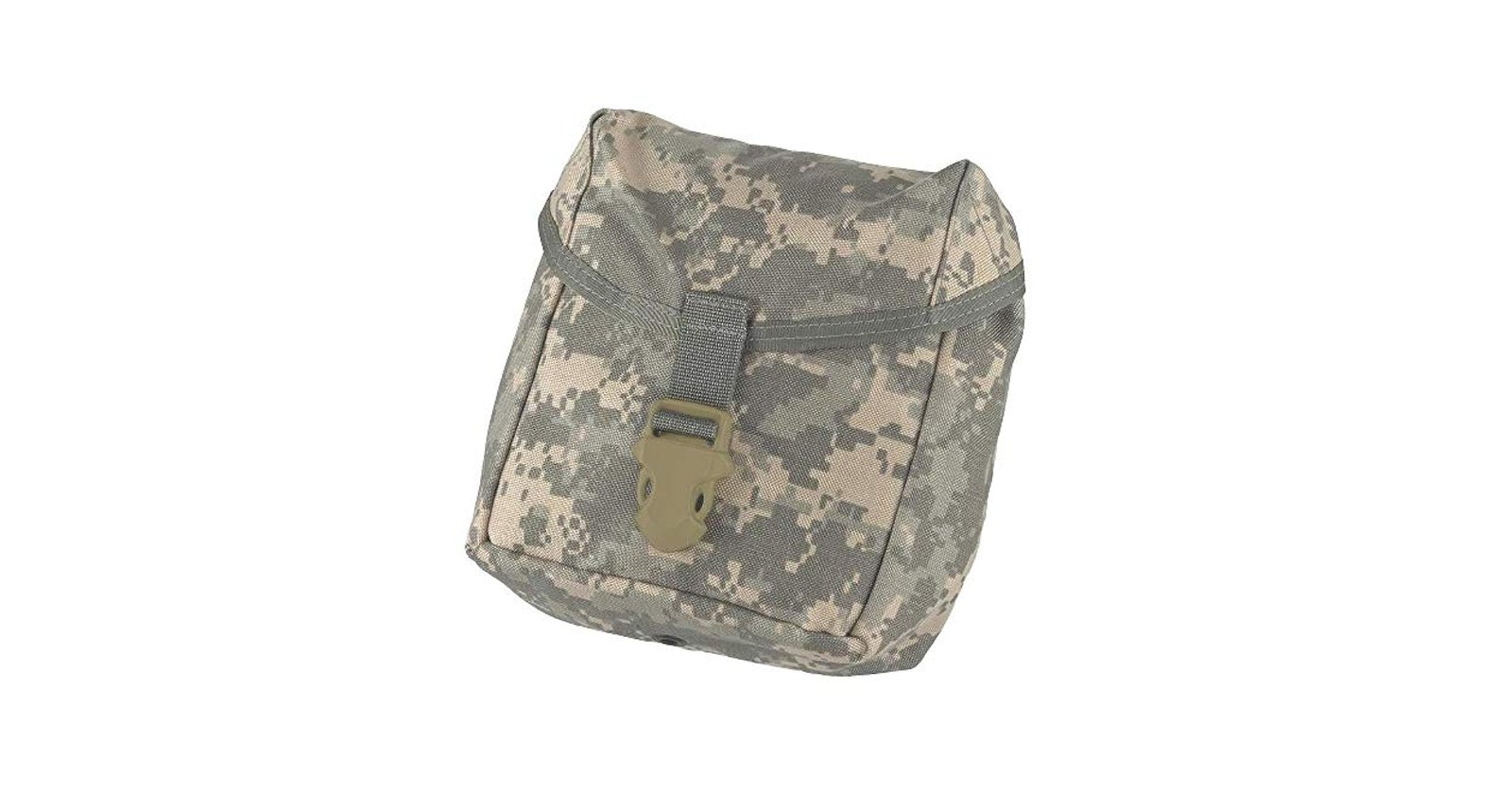
When it comes to your safety, having quick access to first aid supplies can make all the difference. Imagine being able to handle cuts, scrapes, or sudden injuries without panic or delay.
That’s exactly what an Individual First Aid Kit Pouch offers you—organized, portable, and ready whenever you need it. You’ll discover why this small pouch is a must-have for your everyday carry, outdoor adventures, or emergency preparedness. Keep reading to learn how it can protect you and those around you in crucial moments.
Importance Of First Aid Kits
First aid kits save lives. They provide quick help for injuries or sudden illness. Having a ready kit reduces panic and speeds up care. Everyone should carry a first aid kit, especially outdoors. It offers safety and peace of mind.
Why Carry A First Aid Kit
A first aid kit helps treat minor cuts, burns, and scrapes immediately. It stops bleeding and prevents infections. Carrying one means you are prepared for emergencies. It is important for children, hikers, and travelers. You never know when an accident can happen. Quick care can prevent serious problems later.
Common Risks In Outdoor Adventures
Outdoor activities have many risks like insect bites, falls, and scrapes. Weather changes can cause cold or heat-related problems. Carrying a first aid kit helps manage these issues fast. It includes bandages, antiseptics, and pain relief. Being ready keeps your adventure safe and fun.
Components Of An Individual First Aid Kit
An Individual First Aid Kit (IFAK) is more than just a container of supplies; it’s your personal lifeline during emergencies. Knowing what components to include can make a huge difference in how effectively you manage injuries. Let’s break down the essential parts that you should keep in your kit to be truly prepared.
Basic Medical Supplies
Your kit must cover common injuries and basic medical needs. Think about what you would need if you had a minor cut, burn, or sprain right now.
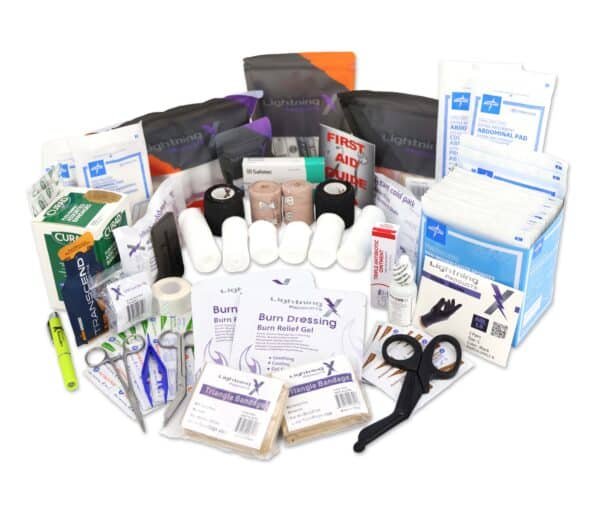
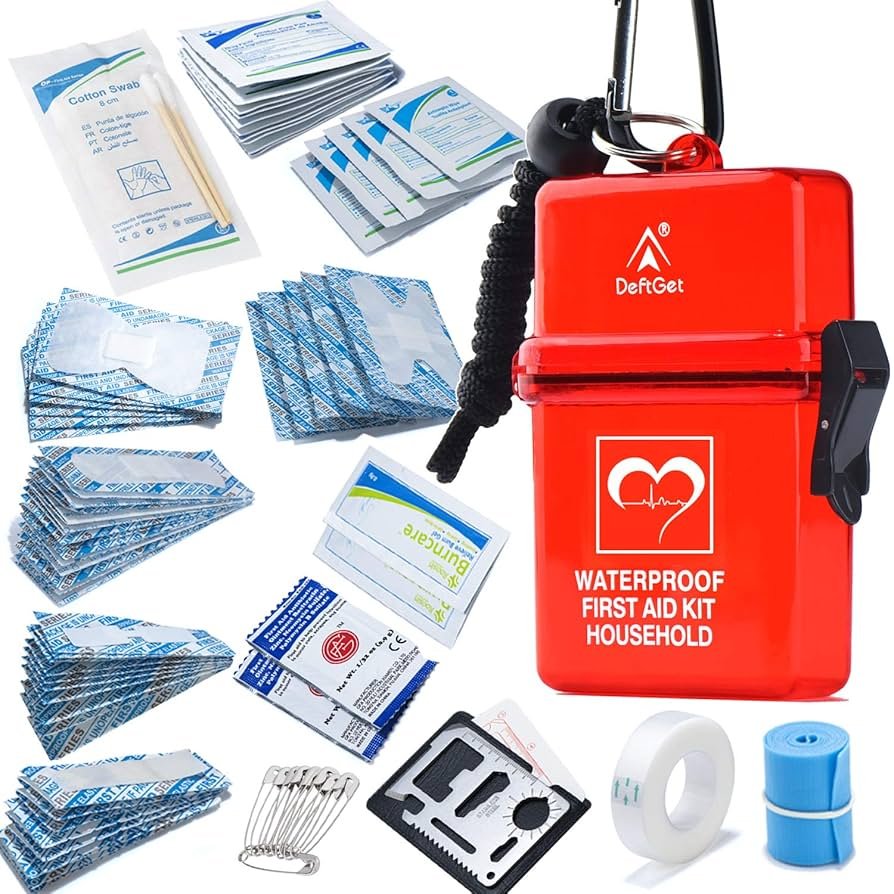
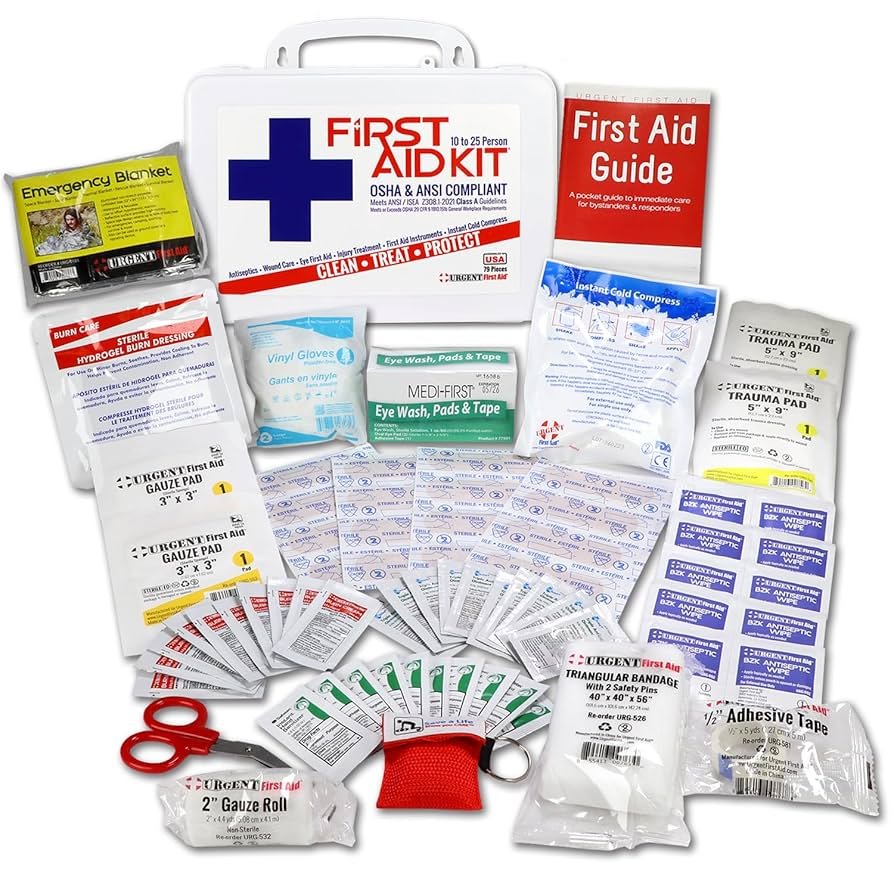
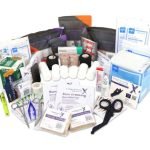
- Adhesive bandages:Various sizes to cover small cuts and scrapes.
- Sterile gauze pads:To stop bleeding and protect wounds.
- Medical tape:Keeps dressings in place and supports sprains.
- Antiseptic wipes:Clean wounds to reduce infection risk.
- Scissors and tweezers:Cut tape or remove splinters easily.
- Disposable gloves:Protect yourself and others from germs.
- Pain relievers:Such as ibuprofen or acetaminophen for discomfort.
- Elastic bandage:Provides compression for sprains or strains.
When I once faced a deep cut during a hiking trip, having just these basic supplies helped me stop the bleeding quickly and prevented a trip to the emergency room. Can you imagine being caught without these simple tools?
Specialized Items For Specific Activities
Depending on your lifestyle, you might need to add items tailored to your activities. What you carry in your kit for a camping trip should differ from what you keep in your car or office.
- Tourniquet:Crucial for controlling heavy bleeding in severe injuries.
- Burn dressings:Useful if you work around fire or cook outdoors.
- Snake bite kit:Important if you hike in areas known for venomous snakes.
- CPR mask:Provides safe rescue breaths during resuscitation.
- Allergy medication or epinephrine injector:Essential for those with severe allergic reactions.
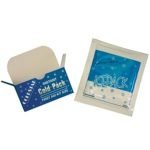
- Cold packs:Help reduce swelling after injuries during sports or physical work.
Once, on a remote trail, a fellow hiker suffered a severe cut. Having a tourniquet on hand saved precious minutes before professional help arrived. What specialized risks do you face in your daily routine, and does your kit address them?
Choosing The Right Pouch
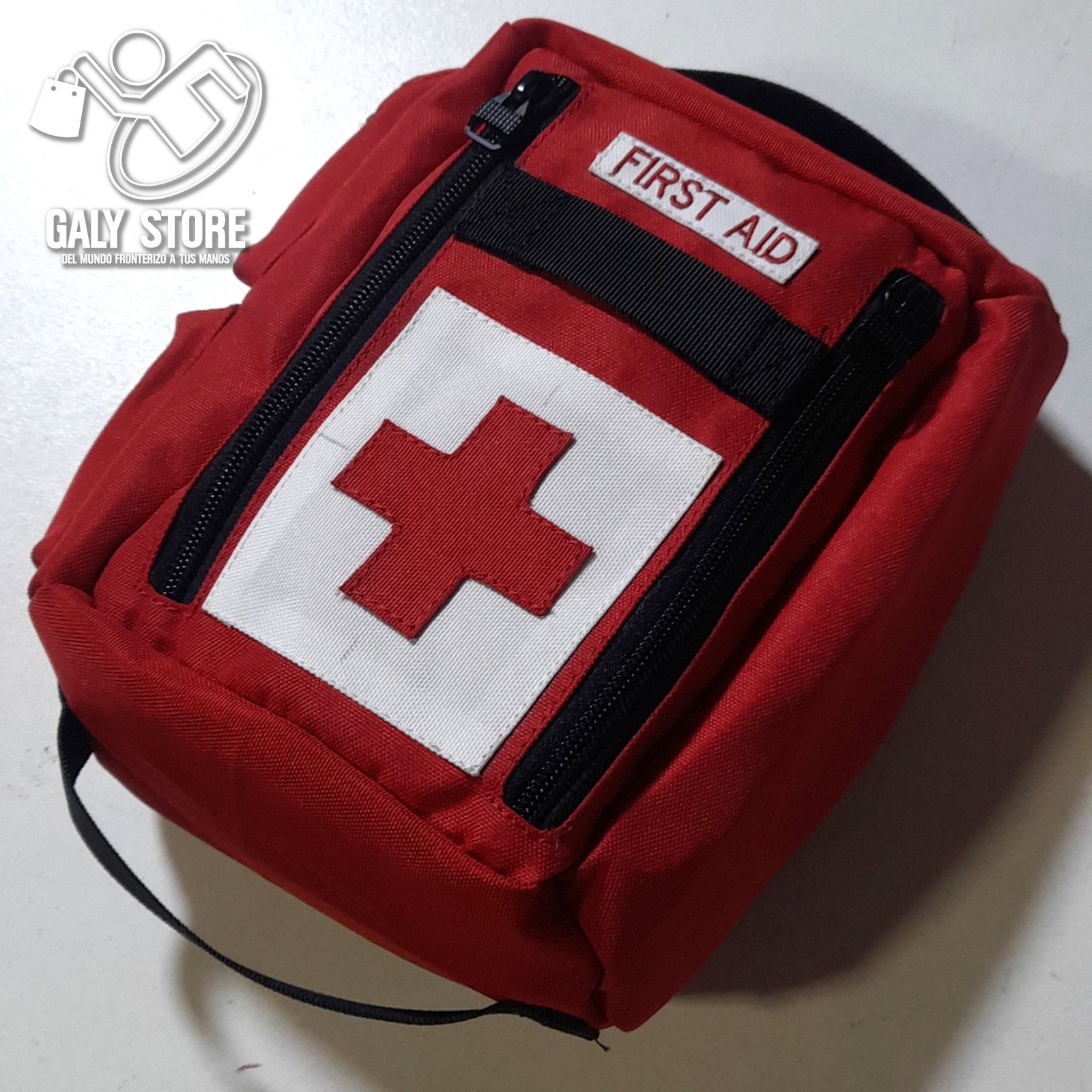
Choosing the right Individual First Aid Kit pouch is more than just picking a container. It’s about matching your needs with the pouch’s features to ensure quick access, durability, and convenience in emergencies. Let’s look at what really matters when selecting a pouch that fits your lifestyle and safety requirements.
Size And Capacity Considerations
The size of your first aid pouch directly affects what you can carry and how easily you access your supplies. A pouch too small might leave you without essential items, while one too large can become bulky and cumbersome.
Think about where you’ll carry it—will it fit comfortably on your belt, backpack, or vehicle? Consider the types of emergencies you want to be prepared for. If you’re hiking, a compact pouch with space for bandages, antiseptics, and a tourniquet might be enough.
On the other hand, if you’re assembling a kit for your car or home, a larger pouch with room for burn dressings, gloves, and medications could be more practical. Ask yourself: How much medical gear do I realistically need to carry without slowing myself down?
Material And Durability
The material of the pouch determines how well it will withstand rough use and harsh conditions. Look for pouches made of strong, water-resistant fabrics like nylon or polyester.
Durability matters because your pouch needs to protect the contents from moisture, dirt, and accidental drops. A pouch with reinforced stitching and sturdy zippers will last longer and keep your supplies safe.
Reflect on your environment—are you often outdoors in wet or rugged terrain? If yes, then a heavy-duty, weatherproof pouch is a smart choice. Have you ever had a pouch fail when you needed it the most? Choosing a reliable material can prevent that frustration.

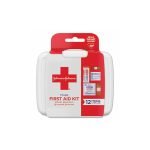
Credit: helikon-tex.com
Packing Your First Aid Kit
Packing your Individual First Aid Kit Pouch well saves time and stress during emergencies. A well-packed kit keeps all essentials in place. It helps you find what you need fast without fumbling. Organize items smartly to make your kit reliable and handy.
Organizing For Quick Access
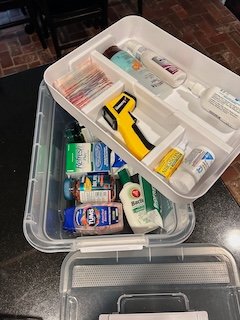
Arrange items by how often you use them. Place the most needed supplies at the top or front. Use small bags or compartments inside the pouch. Keep similar items together, like bandages with bandages.
- Use clear pouches to see contents easily
- Label compartments for fast identification
- Separate sharp tools safely from soft items
- Avoid overstuffing to prevent damage
Good organization lets you grab what you need quickly. It helps in tense moments when time matters most.
Prioritizing Essential Items
Put life-saving tools first. Include items like sterile gauze, adhesive bandages, and antiseptic wipes. Add pain relievers and allergy medicine if possible. Include scissors, tweezers, and gloves for safety.
| Essential Item | Purpose |
|---|---|
| Sterile Gauze | Stop bleeding and cover wounds |
| Adhesive Bandages | Protect small cuts and scrapes |
| Antiseptic Wipes | Clean wounds to avoid infection |
| Disposable Gloves | Prevent infection while treating injuries |
| Scissors and Tweezers | Cut bandages and remove debris |
Focus on what treats common injuries first. Add extra items based on your activity or location.
Maintenance And Restocking
Keeping your Individual First Aid Kit Pouch well-maintained and fully stocked is crucial. It ensures you have the right supplies when emergencies arise. Regular care helps avoid using expired or damaged items, which might fail when needed most.
Regular Checks And Expiry Dates
Check your kit often to spot missing or damaged supplies. Items like bandages, antiseptics, and medications expire. Expired products lose effectiveness and can cause harm.
Create a simple checklist and review it every few months. Replace any items past their expiration date immediately. Also, inspect packaging for tears or leaks. Keep your pouch clean and dry to protect the contents.
Updating Based On Adventures
Adjust your kit after each trip or activity. Different adventures require different supplies. For example, hiking in the mountains needs more blister care and insect repellent.
Think about the environment, weather, and potential injuries for your next outing. Add or remove items to match these conditions. This keeps your kit practical and lightweight.

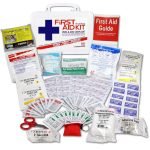
Credit: www.amazon.com
Training And Preparedness
Having an Individual First Aid Kit Pouch is only part of being prepared. Knowing how to use its contents effectively is what truly makes a difference in emergencies. Training and preparedness turn a simple pouch into a lifesaving tool.
Basic First Aid Skills
Do you know how to properly clean a wound or apply a bandage? Basic first aid skills like these can prevent infections and speed up recovery.
Practice key actions such as:
- Stopping bleeding by applying direct pressure
- Using antiseptics to clean cuts
- Securing dressings and bandages correctly
- Performing CPR if someone is unresponsive
Taking a certified first aid course can build your confidence. Imagine having the skills to help a friend or family member in a critical moment—wouldn’t you want to be ready?
Emergency Response Tips
In an emergency, your mindset matters just as much as your kit. Staying calm allows you to think clearly and use your first aid pouch efficiently.
Remember these practical tips:
- Assess the scene for safety before helping
- Call for professional medical help immediately
- Communicate clearly with the injured person if possible
- Use items from your first aid pouch in the right order
Have you ever paused in an emergency, unsure of what to do next? Training helps you respond quickly without hesitation. Your readiness can save lives, including your own.
Benefits Of Carrying A First Aid Kit
Carrying an Individual First Aid Kit Pouch brings clear advantages beyond just having medical supplies on hand. It prepares you to handle unexpected injuries swiftly, whether at home, work, or outdoors. Knowing you have essential tools ready can change how you react in emergencies, making a real difference.
Peace Of Mind
Having a first aid kit with you reduces anxiety about accidents. You won’t feel helpless if someone near you gets a cut, burn, or sprain. This peace of mind allows you to focus on the situation calmly and act quickly.
Think about a time when you or someone close needed help but didn’t have anything to treat a wound. Would having a kit have changed the outcome or eased the stress? Carrying a pouch means you’re always prepared, no matter the place or time.
Enhanced Safety
Carrying a first aid kit increases your safety and those around you. Quick access to bandages, antiseptics, and tools can prevent minor injuries from becoming serious. It also helps you manage situations until professional help arrives.
For example, if you’re hiking or traveling, injuries can happen far from immediate help. Having your own kit means you can stabilize a situation, reducing risk and potentially speeding recovery. Isn’t it worth a few extra minutes to protect yourself and others?
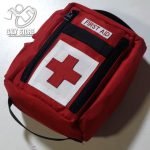
Credit: www.ebay.com
Frequently Asked Questions
What Is An Individual First Aid Kit Pouch?
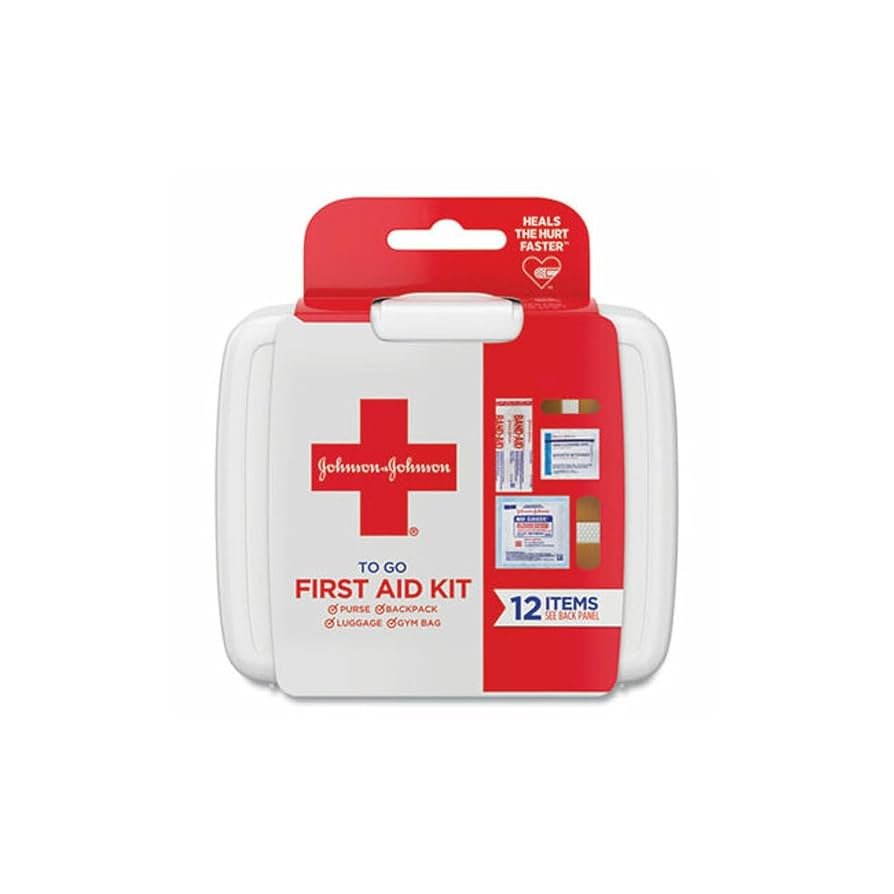
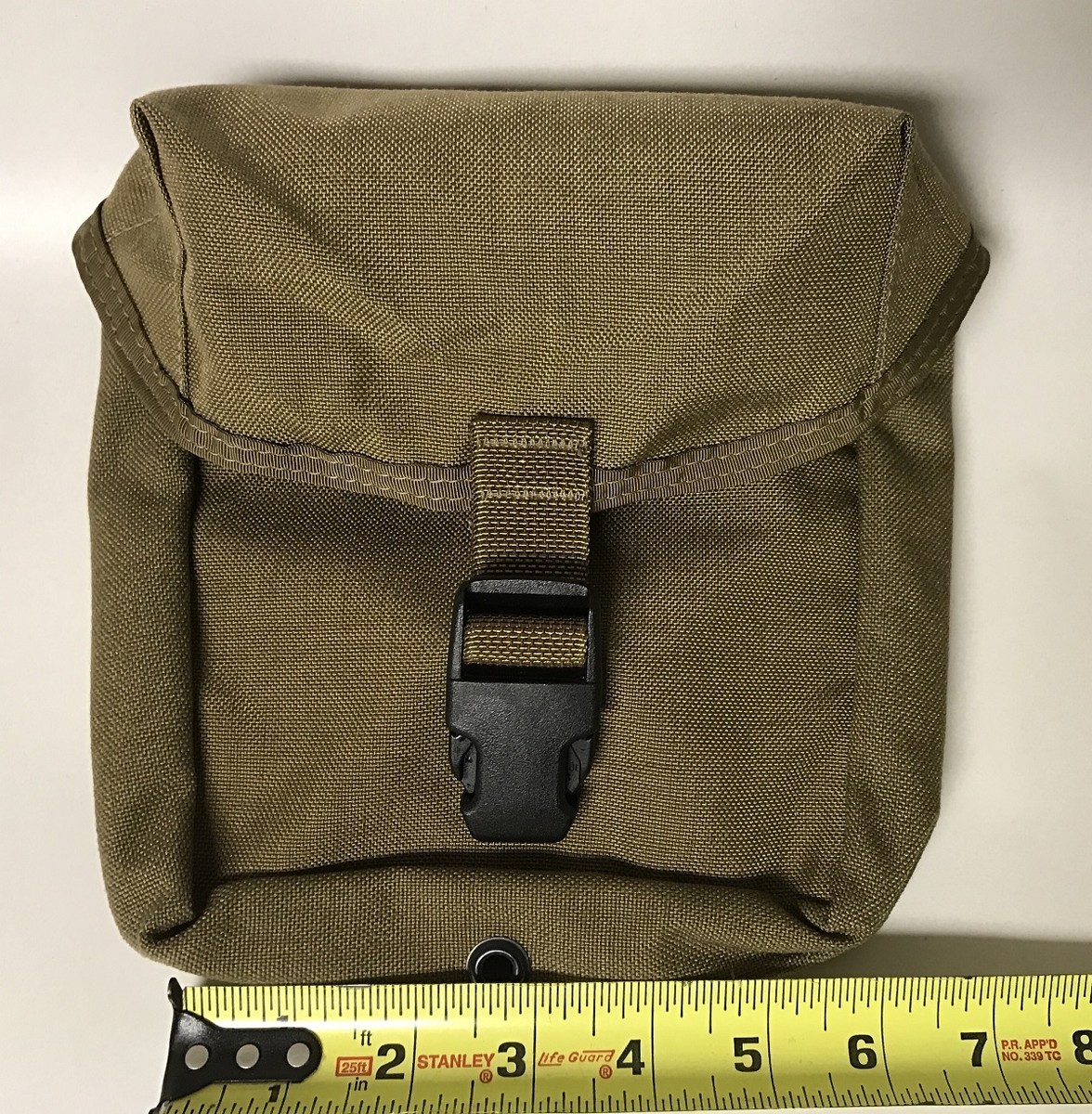
An Individual First Aid Kit Pouch is a compact, portable container for essential medical supplies. It allows quick access to first aid items during emergencies. Designed for personal use, it fits easily in backpacks, vehicles, or pockets for convenience and safety.
What Items Are Included In A First Aid Kit Pouch?
Typically, it includes bandages, antiseptic wipes, gauze pads, adhesive tape, scissors, and gloves. Some kits also have pain relievers and CPR masks. Contents may vary based on the kit’s purpose and size, but all essentials aim to treat minor injuries effectively.
How Do I Choose The Best First Aid Kit Pouch?
Choose based on size, durability, and included items. Look for water-resistant materials and organized compartments. Consider your specific needs, like outdoor activities or workplace use. A well-packed kit ensures readiness for common injuries and emergencies.
Where Should I Carry My Individual First Aid Kit Pouch?
Carry it in places you frequent, such as your backpack, car, or work bag. Keep it accessible during travel, hiking, or daily commutes. Easy access during emergencies can make a critical difference in treatment speed and effectiveness.
Conclusion
An individual first aid kit pouch keeps essential supplies close. It helps you act fast during emergencies. Compact and organized, it fits easily in bags or pockets. Everyone should carry one for safety and peace of mind. Simple tools can make a big difference.
Stay prepared, stay safe.

I’m Abby Lu, a passionate home cook who loves simplifying everyday meals. At PlugChef.com, I share product reviews and cooking guides to help you find the best tools for your kitchen.
Related posts:
 What Type of Cooking Utensils are Safe: Expert Picks
 What Innovations Could Blenders Make: Unleashing Future Tech
 Smart Strategies to Organize a Small Kitchen: Maximize Space
 How to Organize a Kitchen Cabinet: Expert Tips & Tricks
 How to Organize Kitchen Drawers: Expert Tips and Tricks
 How to Organize a Corner Kitchen Cupboard: Expert Tips
Similar Posts