Ice Packs for First Aid Kits: Essential Cold Therapy Solutions
When it comes to handling injuries quickly and effectively, having the right tools in your first aid kit can make all the difference. One essential item you might overlook is an ice pack.
You may wonder, why are ice packs so important for first aid? The truth is, they can reduce pain, swelling, and even speed up recovery when used correctly. If you want to be truly prepared for bumps, sprains, or bruises, understanding how to choose and use ice packs is key.
Keep reading to discover everything you need to know about ice packs for first aid kits and how they can become your best ally in emergencies.
Benefits Of Cold Therapy
Cold therapy offers more than just a simple way to soothe aches. It actively helps your body manage pain and speeds up healing after injuries. Using ice packs from your first aid kit can make a noticeable difference in how quickly you feel better and get back to your daily routine.
Pain Relief
Applying cold to an injury numbs the area, which lowers the pain signals sent to your brain. This immediate effect can reduce discomfort without needing medication. Have you ever tried ice after a sprain and noticed how it dulls the sharpness almost right away?
Swelling Reduction
Cold therapy helps shrink blood vessels, which slows blood flow to the injured spot. This decrease in circulation reduces swelling and inflammation that often cause stiffness. Using an ice pack soon after injury can prevent excessive swelling that might slow your recovery.
Injury Recovery
Lowering the temperature around the injury slows down cell damage and limits tissue breakdown. This protective effect supports faster healing and helps you avoid complications. When you regularly use cold therapy, you give your body a better chance to repair itself efficiently.

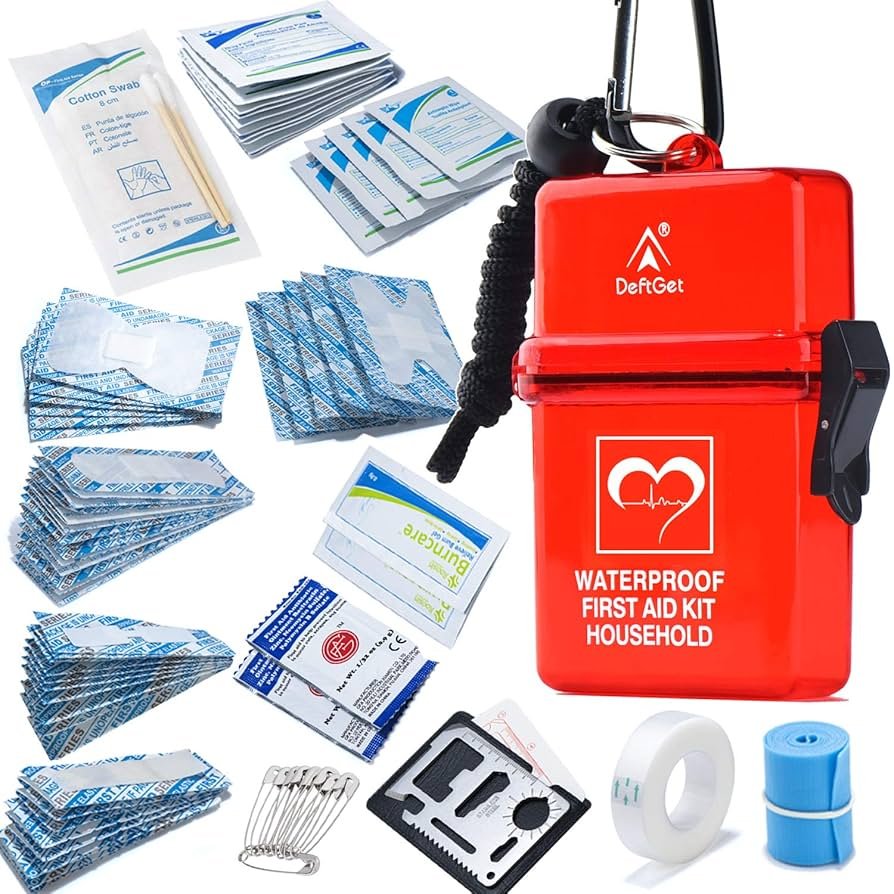
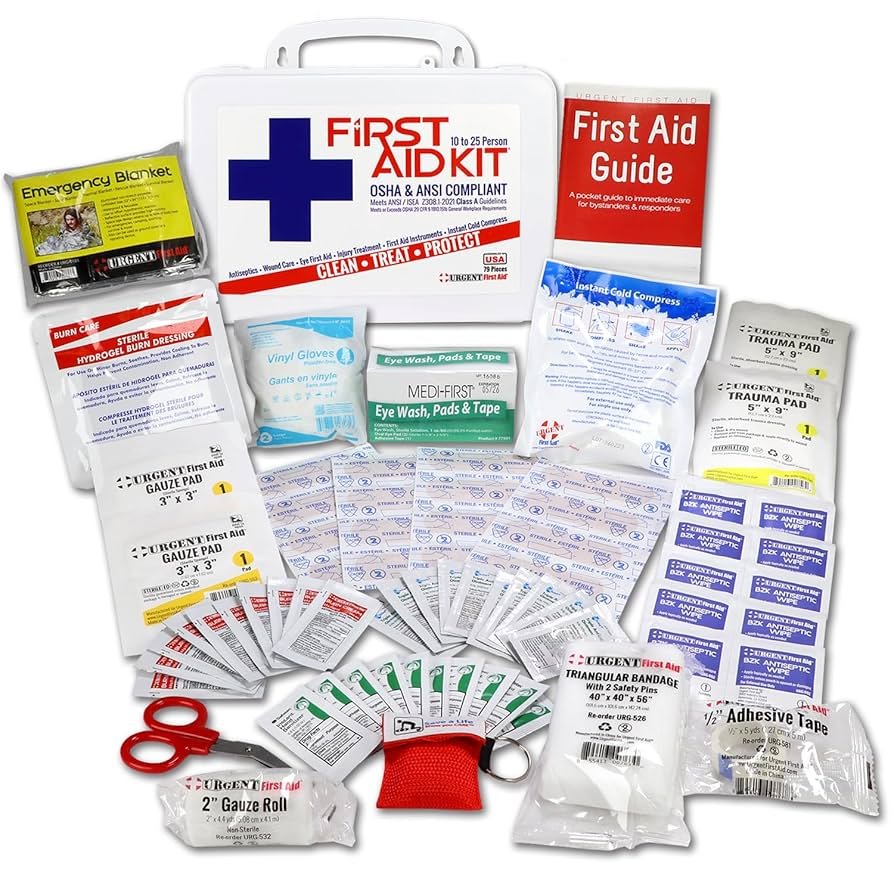
Credit: www.walmart.com
Types Of Ice Packs
Ice packs are essential for first aid kits. They help reduce pain, swelling, and inflammation after injuries. Different types of ice packs serve various needs. Choosing the right type can make first aid easier and more effective.
Gel Packs
Gel packs contain a thick gel inside a plastic pouch. They stay flexible even when frozen. This makes them easy to wrap around joints or muscles. Gel packs can be refrozen many times. They are durable and reusable for regular use.
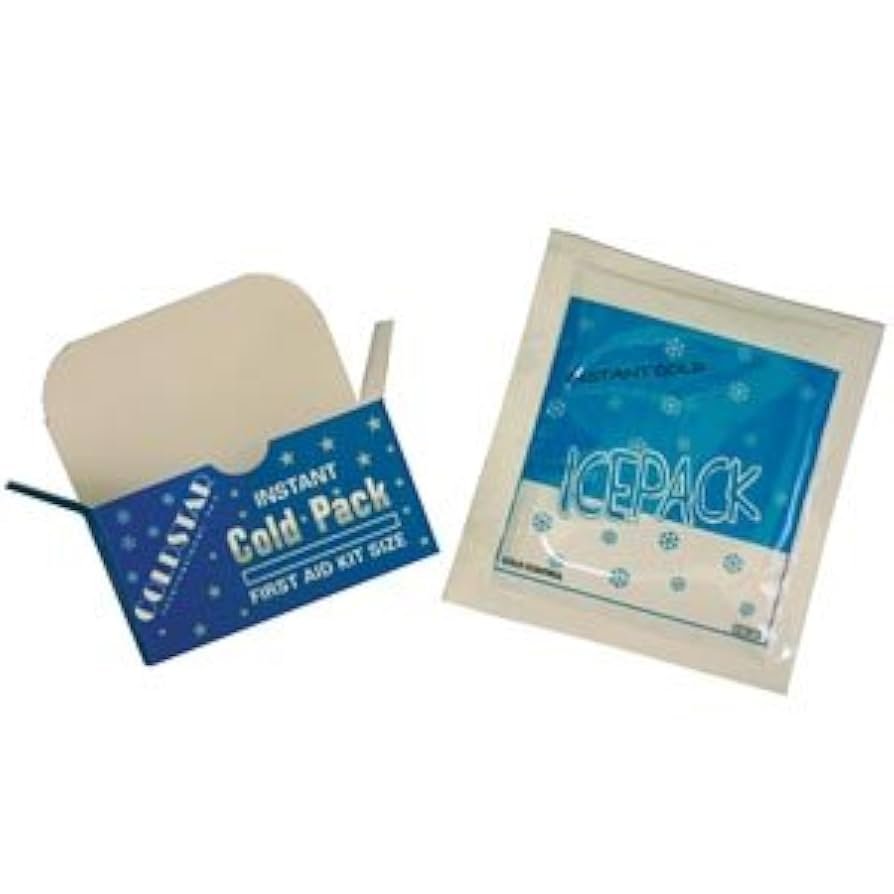
Instant Cold Packs
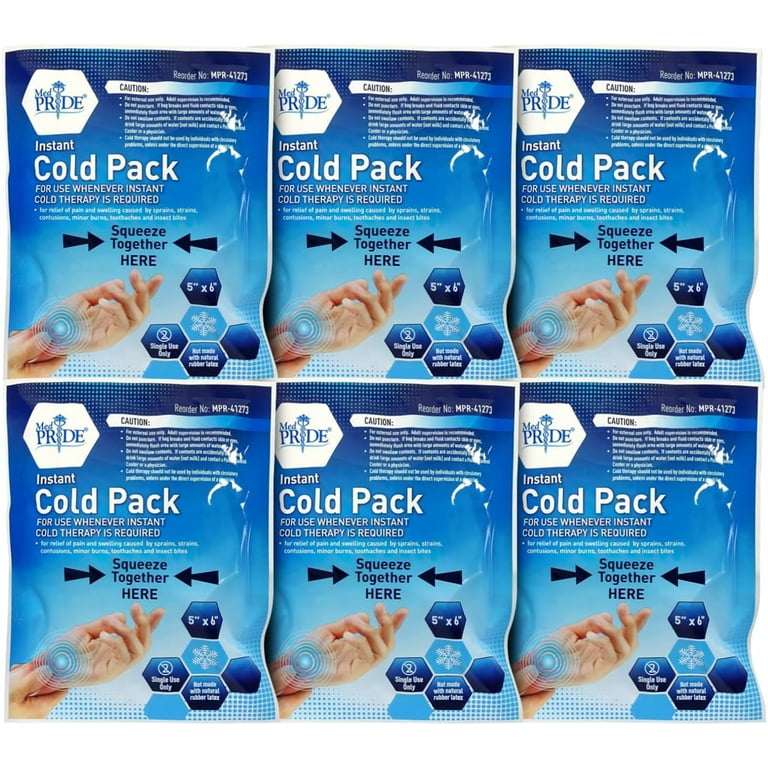
Instant cold packs activate immediately when squeezed or shaken. They contain chemicals that react to create cold without freezing. These packs are great for emergencies without access to a freezer. They are single-use and disposable, making them handy for travel or outdoor activities.
Reusable Cold Packs
Reusable cold packs can be frozen and used multiple times. They often contain water or gel inside a sealed bag. These packs are cost-effective and eco-friendly. They come in various sizes and shapes for different injuries. Reusable packs are common in home and sports first aid kits.
Choosing The Right Ice Pack
Choosing the right ice pack for your first aid kit is important. The right pack helps reduce pain and swelling quickly. It must fit the injury and be easy to use. Understanding size, material, and usability helps pick the best option.
Considerations For Size
Size matters for proper coverage and comfort. Small ice packs work well for fingers and toes. Large packs suit bigger areas like knees or shoulders. Choose a size that fits the injury without slipping.
- Small packs: ideal for minor injuries
- Medium packs: good for arms and legs
- Large packs: cover wide areas like back or thighs
Material Options
Ice packs come in different materials. Gel packs stay flexible when frozen. They mold to the body’s shape. Some packs use instant cold chemicals. Others contain water or beads for freezing. Pick a material that suits comfort and storage needs.
| Material | Benefits | Drawbacks |
|---|---|---|
| Gel | Flexible, reusable | May leak if punctured |
| Instant Cold Packs | No freezing needed, portable | Single use, less eco-friendly |
| Water Beads | Conforms well, reusable | Needs freezing, can burst |
Ease Of Use
Simple ice packs save time in emergencies. Look for packs that freeze fast and stay cold longer. Soft covers prevent skin damage. Packs with straps hold in place during movement. Quick activation matters for instant relief.
Proper Usage Techniques
Using ice packs correctly can make a big difference in how well your first aid treatment works. Knowing the right way to apply cold therapy helps reduce pain and swelling without causing harm. Let’s look at some key techniques that ensure you get the best results from your ice pack.
Application Duration
Keep the ice pack on the affected area for about 15 to 20 minutes at a time. Applying it longer can cause skin damage or frostbite. It’s important to give your skin a break between sessions—usually around 40 to 60 minutes before reapplying.
Have you noticed how easy it is to lose track of time when you’re in pain? Setting a timer can help you avoid overdoing it. Short, consistent cold treatments often work better than one long session.
Safety Precautions
Always wrap the ice pack in a thin cloth or towel before placing it on your skin. Direct contact with ice can cause burns or irritation. Check your skin regularly for redness, numbness, or unusual discomfort.
- Avoid applying ice to areas with poor circulation or open wounds.
- Do not use ice packs on very young children or individuals who can’t communicate discomfort.
- Stop using the ice pack immediately if you feel excessive pain or skin changes.
Alternating With Heat Therapy
Alternating ice packs with heat can speed up recovery. Use ice in the first 48 hours to reduce swelling, then gradually add heat to relax muscles and improve blood flow. For example, try 15 minutes of ice followed by 15 minutes of heat, repeating as needed.
Have you tried this simple switch? It can relieve stiffness and promote healing more effectively than using just one method. Remember to always end with ice if swelling is still present.
Storage And Maintenance
Proper storage and maintenance of ice packs in your first aid kit can make a big difference in their effectiveness when you need them most. Neglecting these simple care steps might leave you with a frozen pack that won’t chill or a leaky mess. Let’s look at how to keep your ice packs ready for action through easy freezing, cleaning, and longevity tips.
Freezing Instructions
Always freeze your ice packs flat. This helps them freeze evenly and fit better in your first aid kit or cooler. Avoid stacking multiple packs together while freezing—they need space for air to circulate.
Check the manufacturer’s guidelines for freezing times. Most packs need at least 4 hours to freeze fully, but some gels might require longer. Have you ever grabbed an ice pack too soon only to find it barely cold? Proper freezing prevents that disappointment.
Cleaning Methods
Keep your ice packs clean to avoid bacteria buildup and unpleasant smells. Wipe them down with a damp cloth and mild soap after each use. Avoid harsh chemicals that could damage the pack’s surface or cause leaks.
If your ice pack has a fabric cover, remove and wash it according to the care label. Dry everything thoroughly before storing to prevent mold growth. How often do you think about cleaning your first aid supplies? A little attention here can save you trouble later.
Longevity Tips
To extend the life of your ice packs, store them in a cool, dry place when not in use. Avoid puncturing or bending the packs, as this can cause leaks. Using a protective pouch or case inside your kit adds an extra layer of security.
Rotate your ice packs regularly—use older ones first and replace them when you notice any discoloration or leaks. Have you checked your ice packs lately? Keeping an eye on their condition ensures they perform well when emergencies happen.

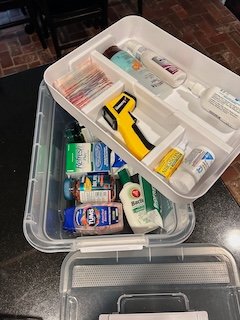
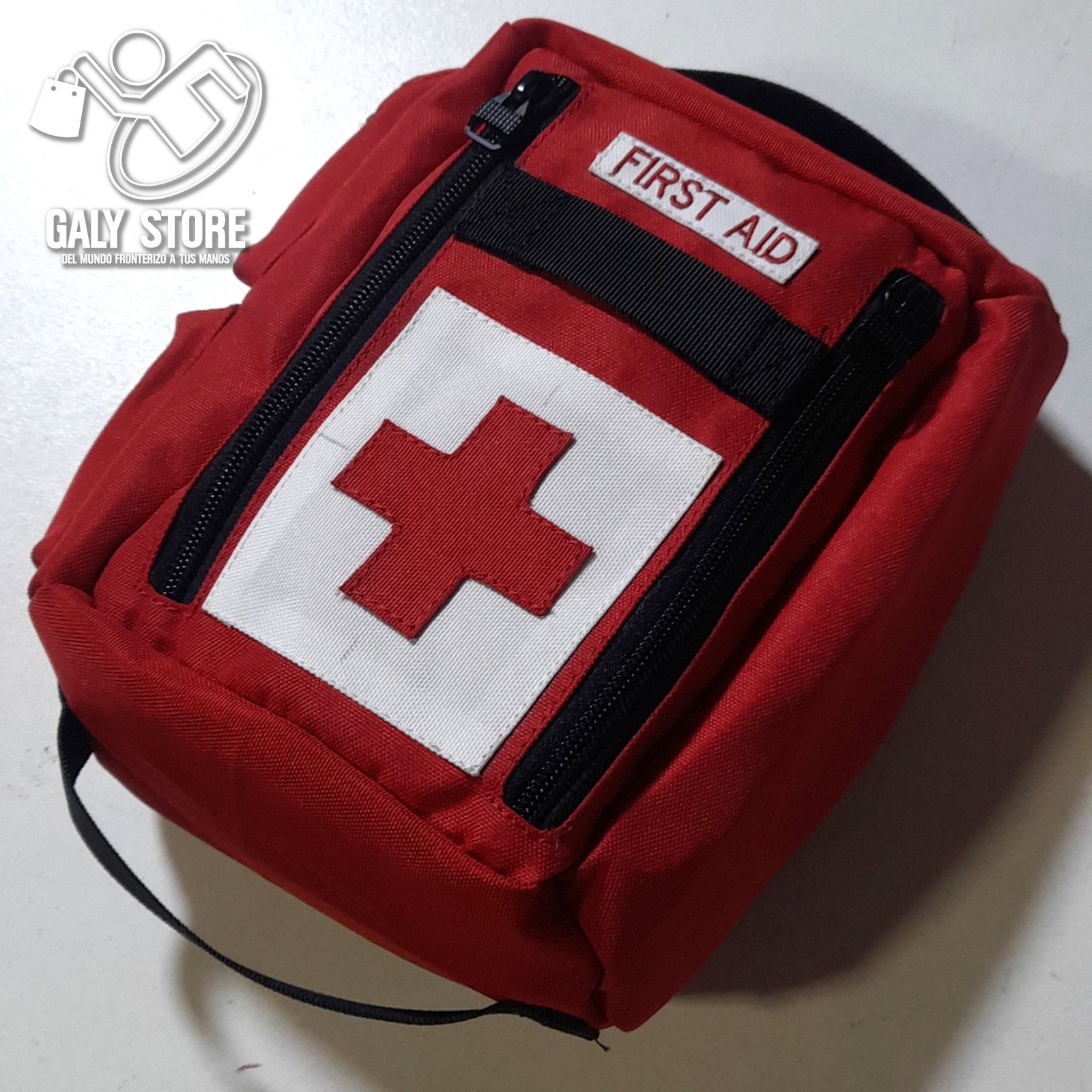
Credit: www.amazon.com
Ice Packs In Emergency Situations
Ice packs are a crucial tool in emergency situations, offering quick relief and reducing damage from injuries. Having them readily available can change how you handle unexpected accidents. Let’s look at practical ways ice packs come to your aid when you need them most.
Immediate Injury Response
When you or someone nearby suffers a sprain, bruise, or swelling, ice packs help control pain and inflammation immediately. Applying an ice pack within the first 48 hours can reduce tissue damage and speed up recovery.
Keep a flexible, reusable ice pack in your first aid kit for quick access. You don’t want to waste precious minutes searching for something cold that can make a difference.
Outdoor Activities
Outdoor adventures increase the risk of bumps and strains. Whether hiking, biking, or playing sports, an ice pack can soothe injuries that happen far from medical help.
Think about your last camping trip or trail run. Did you pack ice packs, or did minor injuries slow you down? Including ice packs in your outdoor gear prepares you for the unexpected and keeps you moving.
Travel Preparedness
Traveling often means being away from home comforts and immediate medical help. Packing ice packs in your travel first aid kit ensures you’re ready for muscle aches, insect bites, or minor injuries on the go.
Choose compact, lightweight ice packs that fit easily into your luggage. This simple addition can prevent a small injury from ruining your entire trip.
Innovations In Ice Pack Technology
Ice packs have come a long way from simple frozen gel bags. Innovations in ice pack technology now offer solutions that are more efficient, sustainable, and even smart. These advancements can change how you manage injuries and keep your first aid kit ready for anything.
Advanced Materials
New ice packs use materials that freeze faster and stay cold longer. Some contain special gels that absorb and release cold evenly, reducing the risk of frostbite. You might notice these packs are also more flexible when frozen, making them easier to wrap around injuries.
Have you ever struggled with a hard, stiff ice pack that didn’t contour to your sore muscle? These advanced materials solve that by molding to your body, providing better coverage and comfort.
Eco-friendly Options
More ice packs today are made with biodegradable or recyclable materials. This means you can treat your injuries without worrying about adding plastic waste to the environment. Some packs even use natural ingredients like water and plant-based gels instead of chemicals.
Choosing eco-friendly ice packs supports your health and the planet. Would you switch to a greener option if it performed just as well? Many users find that they do not have to compromise on effectiveness when choosing sustainable products.
Smart Ice Packs
Imagine an ice pack that tells you how cold it is or when it’s time to re-freeze. Smart ice packs have built-in sensors and Bluetooth connectivity to give real-time data through your phone. This technology helps you avoid under or over-cooling an injury, making recovery safer.
These packs can even remind you how long to keep the cold therapy on, improving your treatment routine. Would having this kind of feedback change how you manage pain or swelling after an injury?
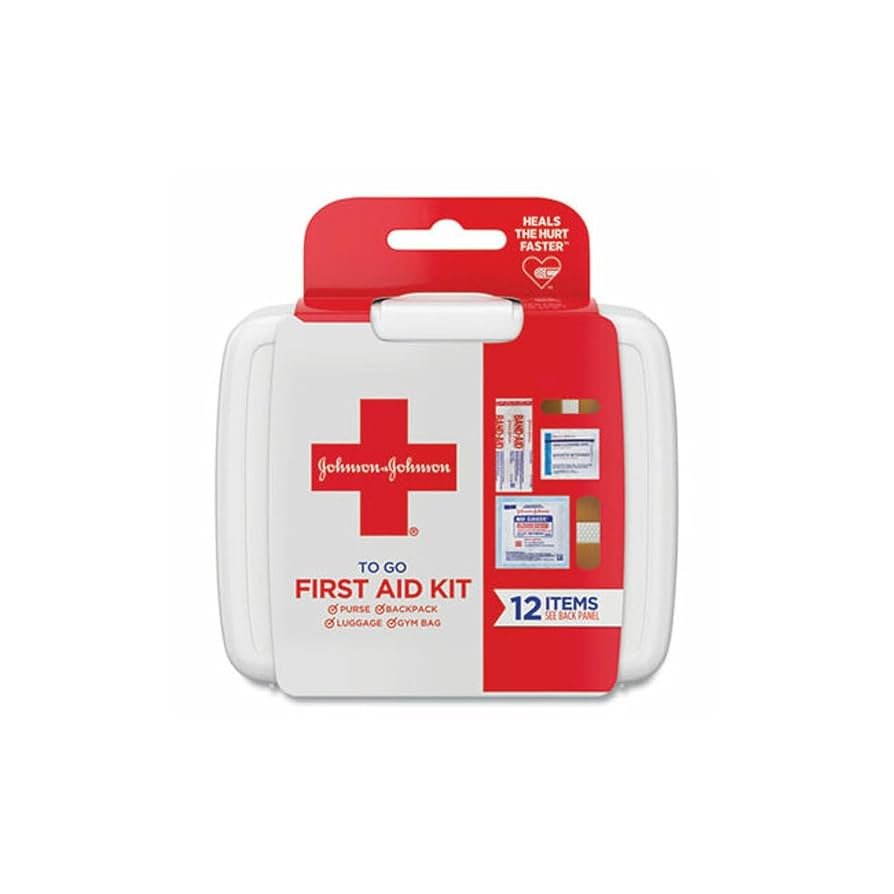
Credit: www.walmart.com
Frequently Asked Questions
What Are The Benefits Of Ice Packs In First Aid Kits?
Ice packs reduce swelling and numb pain quickly. They help treat injuries like sprains, bruises, and strains effectively. Including them in first aid kits ensures immediate cold therapy, speeding up recovery and minimizing tissue damage.
How Long Should Ice Packs Be Applied To Injuries?
Apply ice packs for 15 to 20 minutes at a time. Remove them to prevent frostbite or skin irritation. Repeat every 1 to 2 hours during the first 24 to 48 hours after injury for best results.
Can Reusable Ice Packs Stay Cold Longer Than Regular Ones?
Yes, reusable ice packs often contain gel that stays cold longer. They are convenient, easy to refreeze, and environmentally friendly. This makes them ideal for first aid kits and repeated use during emergencies.
Are Ice Packs Safe For All Types Of Injuries?
Ice packs are safe for most acute injuries like sprains and bruises. Avoid using them on open wounds or if you have circulation problems. Always wrap ice packs in cloth to protect your skin.
Conclusion
Ice packs stay cool and help reduce pain quickly. They fit well in any first aid kit. Using ice packs can lower swelling and calm injuries fast. Always keep one ready at home or in your car. Treat small injuries early to avoid bigger problems later.
Ice packs are simple tools that bring real relief. Remember, quick care matters most in emergencies. Stay prepared and stay safe with ice packs nearby.

I’m Abby Lu, a passionate home cook who loves simplifying everyday meals. At PlugChef.com, I share product reviews and cooking guides to help you find the best tools for your kitchen.
Related posts:
 What Type of Cooking Utensils are Safe: Expert Picks
 What Innovations Could Blenders Make: Unleashing Future Tech
 Smart Strategies to Organize a Small Kitchen: Maximize Space
 How to Organize a Kitchen Cabinet: Expert Tips & Tricks
 How to Organize Kitchen Drawers: Expert Tips and Tricks
 How to Organize a Corner Kitchen Cupboard: Expert Tips
Similar Posts