
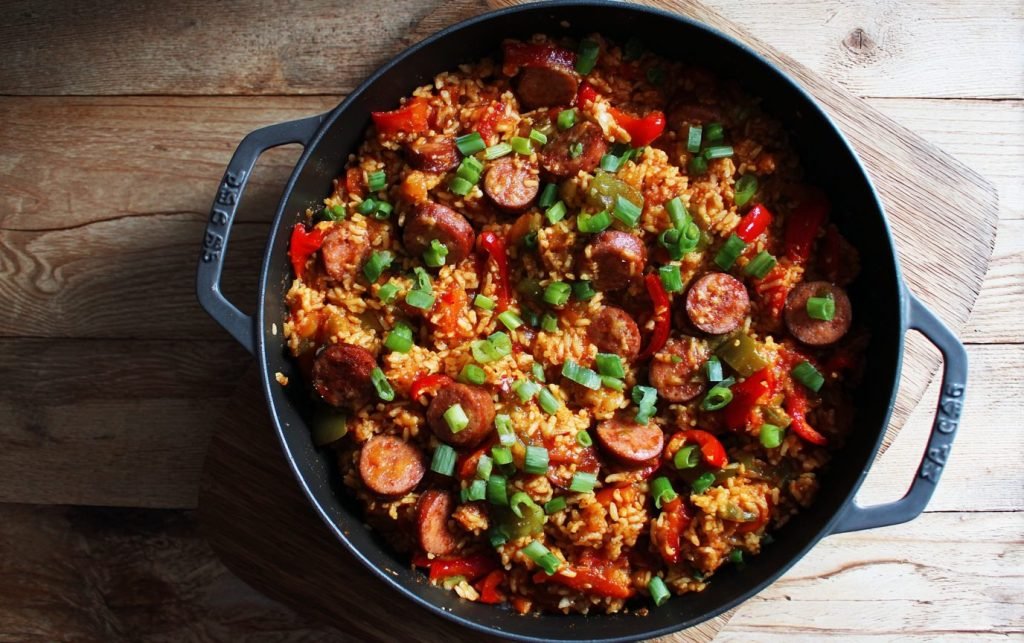
Are you ready to make your jambalaya taste even better? One simple way to do that is by adding the right vegetables.
But which vegetables go in jambalaya? Choosing the best veggies can bring out amazing flavors and textures in this classic dish. You’ll discover the key vegetables that make jambalaya delicious and how they work together to create a mouthwatering meal.
Keep reading to find out how to take your jambalaya to the next level!
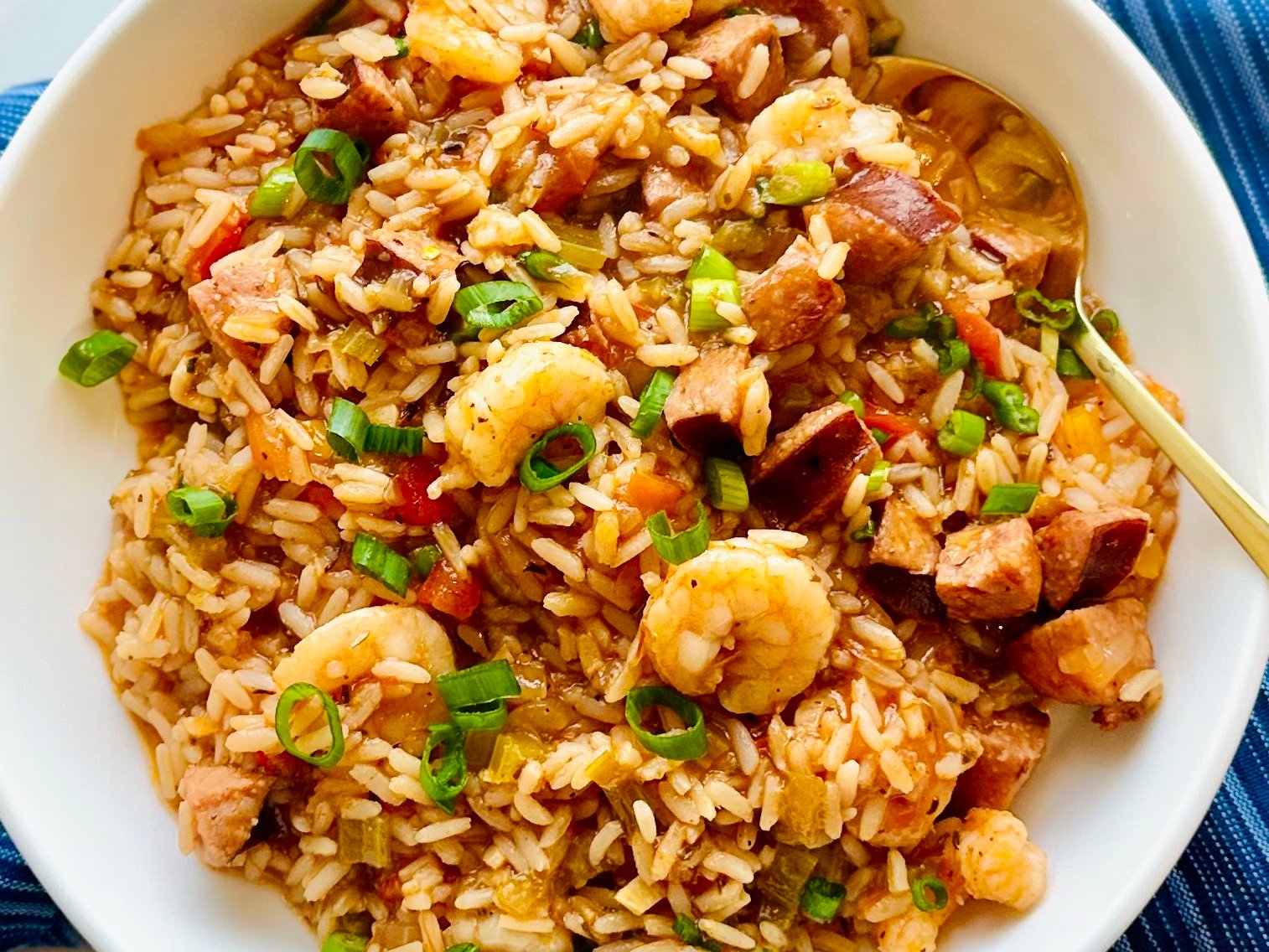
Credit: jennifercooks.com
Core Vegetables In Jambalaya
Jambalaya’s heart lies in its vegetables. They bring flavor, texture, and color to this vibrant dish. Knowing which vegetables form the base can transform your jambalaya from ordinary to unforgettable.
Bell Peppers
Bell peppers add a sweet crunch and bright color to jambalaya. Red, green, or yellow peppers all work well, each giving a slightly different taste. I once used a mix of all three and was amazed at how the flavors deepened the dish.
Chop them into bite-sized pieces so they cook evenly and release their natural sweetness. Have you tried roasting bell peppers first? It adds a smoky layer that’s surprisingly delicious.
Onions
Onions are essential for that rich, savory foundation. They soften and caramelize, giving jambalaya its signature depth. White or yellow onions are the usual choice, but sweet onions can offer a milder flavor.
Dice them finely to blend well with the rice and spices. Ever noticed how the aroma of sautéed onions fills your kitchen? It’s a sign your jambalaya is off to a great start.
Celery
Celery adds a subtle bitterness and crunch that balances the dish. It’s a must-have for authentic jambalaya. I often find that celery’s freshness cuts through the richness of meats and spices perfectly.
Chop celery finely and cook it just until tender. What’s your take on celery’s role—just filler or flavor hero? Give it a chance next time and see how it changes your jambalaya.
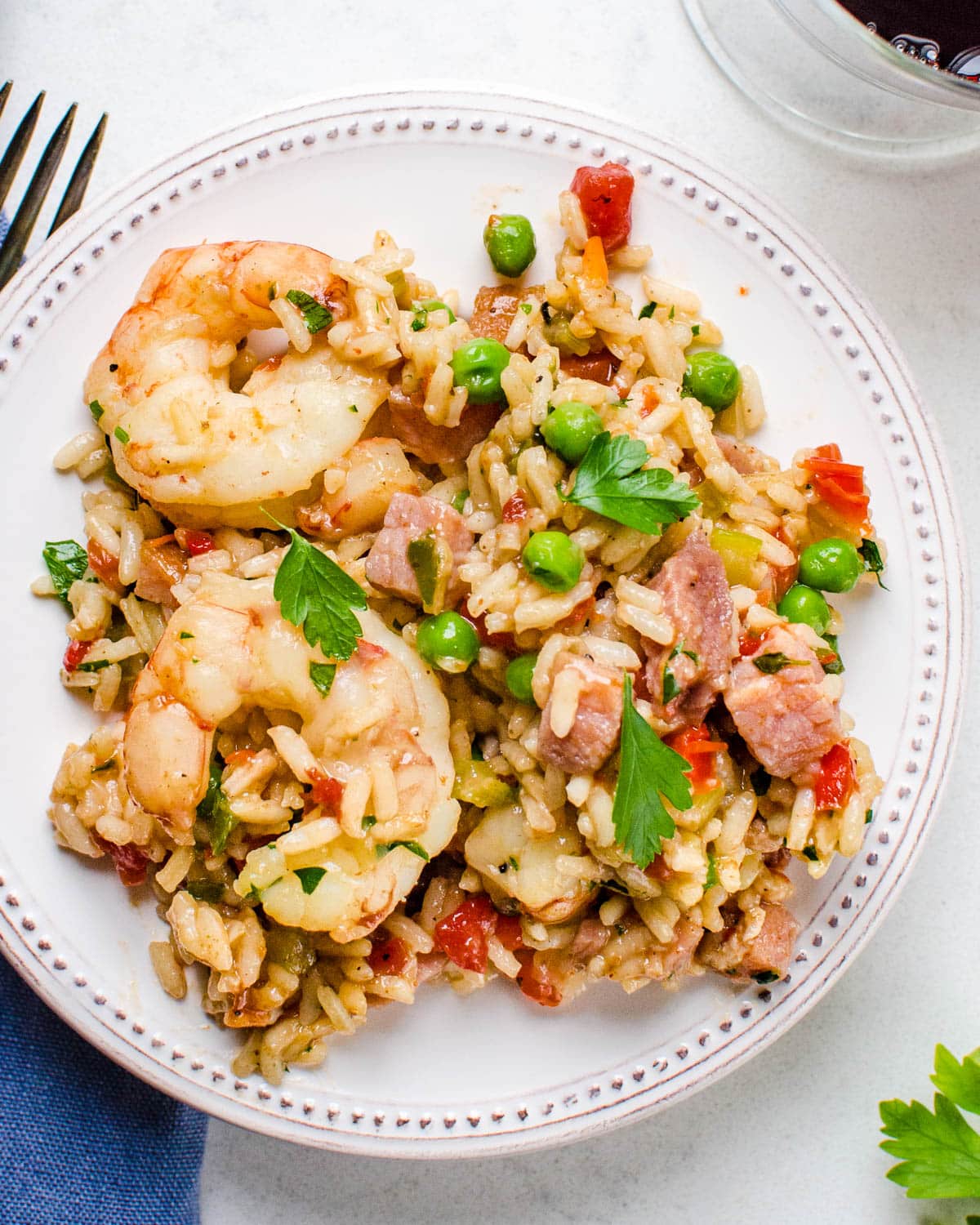
Credit: www.garlicandzest.com
Additional Vegetables To Enhance Flavor
Adding certain vegetables to jambalaya can lift its taste and texture. These vegetables bring color and freshness to the dish. They blend well with the spices and meats usually found in jambalaya. Each vegetable offers a unique flavor that enhances the overall experience.
Tomatoes
Tomatoes add a juicy, tangy flavor to jambalaya. They help create a rich, thick sauce. Use fresh or canned tomatoes for best results. Their natural acidity balances the spices well. Chopped tomatoes also add a vibrant red color to the dish.
Green Onions
Green onions bring a mild sharpness and crunch. They add a fresh, grassy taste to jambalaya. Use both the white and green parts for full flavor. Sprinkle them on top just before serving. This gives the dish a bright, fresh finish.
Okra
Okra is a classic vegetable in Cajun cooking. It adds a slight earthiness and soft texture. Okra also helps thicken the jambalaya sauce naturally. Slice it thin to blend well with other ingredients. Its unique flavor complements the spices perfectly.
Choosing Fresh Vs. Canned Vegetables
Fresh vegetables bring crisp texture and rich flavor to jambalaya, while canned ones offer convenience and longer shelf life. Bell peppers, onions, and celery are essential, whether fresh or canned, to create the classic taste. Choose based on availability and cooking time.
Choosing the right vegetables for your jambalaya can make all the difference between an average dish and a vibrant, flavorful meal. The choice between fresh and canned vegetables is crucial. Each option brings its own set of benefits and challenges that can impact the taste and texture of your jambalaya.Fresh Vegetables: The Vibrant Choice
Fresh vegetables bring a crispness and natural flavor that’s hard to beat. They enhance the dish with bright colors and a delightful crunch. Imagine cutting into a juicy bell pepper or slicing an onion, releasing its pungent aroma — these moments are what make cooking a joy. Buying fresh also allows you to select the best produce from your local market. Look for vegetables that are firm and brightly colored. This ensures they are ripe and full of flavor. However, fresh vegetables require more preparation time. You’ll need to wash, peel, and chop them before they hit the pan. If you love the process of cooking and have time to spare, fresh is the way to go.Canned Vegetables: The Convenient Alternative
Canned vegetables offer convenience and longer shelf life. They’re ready to use at a moment’s notice, making them a great choice for those busy days when time is limited. While canned options may lack the crisp texture of fresh vegetables, they can still pack a flavorful punch. Many canned vegetables are preserved at their peak ripeness, ensuring they hold onto their taste. Be mindful of the sodium content in canned goods. Rinsing them under cold water can help reduce excess salt. If you’re in a pinch, canned vegetables can be a lifesaver without compromising too much on taste.Finding The Perfect Balance
Why not try a mix of both fresh and canned vegetables? This approach can offer the best of both worlds: the freshness of crisp veggies and the convenience of canned ones. You might use fresh bell peppers and onions for their vibrant color and crunch. Then, add canned tomatoes for their rich, cooked-down flavor. Experiment with combinations to find what suits your palate. What’s your favorite mix of vegetables in jambalaya? Share your thoughts and get creative in the kitchen.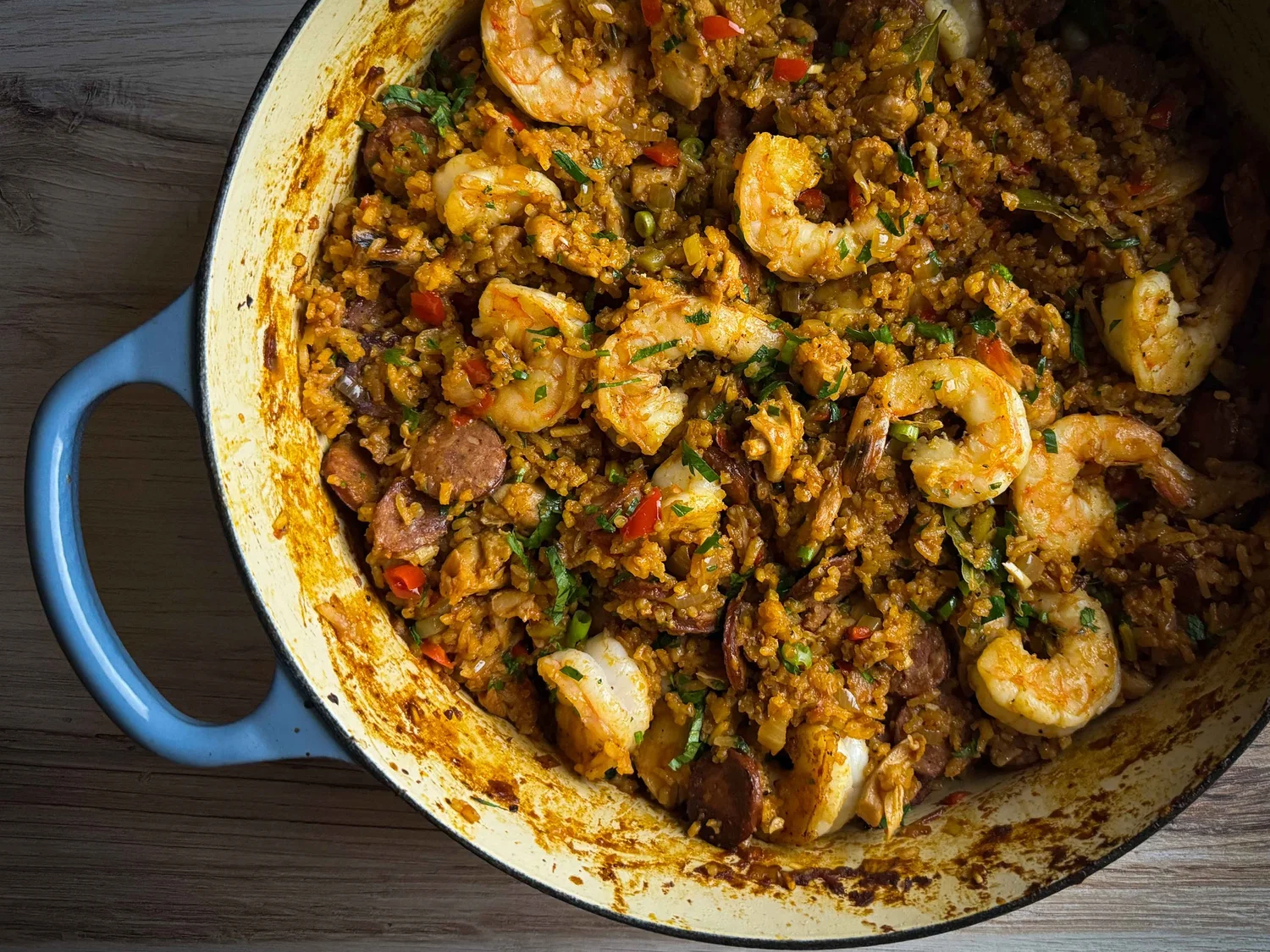
Credit: cookswithoutborders.com
Preparing Vegetables For Jambalaya
Preparing vegetables for jambalaya is a key step that sets the foundation for the dish’s rich flavors. The right chopping and sautéing techniques ensure the vegetables release their natural sweetness and blend perfectly with the spices and proteins. You’ll notice a big difference in texture and taste when you pay close attention to these simple but crucial steps.
Chopping Techniques
Start by cutting your vegetables into uniform pieces so they cook evenly. For onions and bell peppers, dice them into small, consistent cubes around ¼ to ½ inch. This size allows the vegetables to soften without turning mushy, giving your jambalaya a nice bite.
Celery should be sliced thinly, about ⅛ inch thick, to soften quickly and blend well with the other ingredients. Remember, uneven chopping can lead to some pieces overcooking while others remain crunchy, which can throw off the dish’s balance. Have you ever bitten into a chunk of raw celery in a simmered dish? It’s not the best experience.
Sautéing Tips
Heat your pan before adding oil to prevent sticking and to help the vegetables cook evenly. Use medium heat to gently soften the onions, bell peppers, and celery, stirring frequently. This process, often called the “holy trinity” in Cajun cooking, is essential because it builds the flavor base for your jambalaya.
Don’t rush the sautéing; letting the vegetables sweat slowly releases their natural sugars and deepens the flavor. If you add salt early, it helps draw out moisture and speeds up softening. Have you ever noticed how a properly sautéed vegetable mix smells almost sweet? That aroma signals you’re on the right track.
Vegetable Combinations For Different Jambalaya Styles
Choosing the right vegetables can transform your jambalaya, giving it a unique character that fits the style you want. Different jambalaya styles call for specific vegetable combinations that enhance their distinct flavors. Let’s look at how the vegetables vary between Creole and Cajun jambalaya, and how you can pick the best ones for your dish.
Creole Style
Creole jambalaya often includes a richer, tomato-based sauce, so the vegetables you add should complement that tangy, slightly sweet flavor. The classic “holy trinity” of vegetables—onions, bell peppers, and celery—is a must. These create a flavorful base and add crunch and color.
You can also add:
- Diced tomatoes to boost the sauce’s body.
- Green onions for a fresh, mild bite.
- Okra, which thickens the dish and adds a subtle earthiness.
Have you tried adding a handful of chopped spinach or kale near the end of cooking? It’s a simple way to add nutrition and a pop of color without overpowering the flavors.
Cajun Style
Cajun jambalaya is usually spicier and less reliant on tomatoes, so the vegetables focus more on depth and heat. The holy trinity remains central, but the preparation often involves sautéing these vegetables until caramelized, which adds a smoky touch.
Additional vegetable choices include:
- Chopped garlic for an extra kick.
- Hot peppers like jalapeños or serranos to ramp up the heat.
- Mushrooms, which add umami and texture.
Think about the balance of heat and flavor in your jambalaya. Are your vegetables supporting the spices or fighting them? Adjusting the veggies can make your dish truly yours.
Vegetable Substitutes And Variations
Jambalaya is a flexible dish. Vegetables add flavor, texture, and color. You can swap some veggies to suit your taste or what you have. These changes keep the dish fresh and exciting.
Swapping Bell Peppers
Bell peppers are classic in jambalaya. Try using poblano or cubanelle peppers. They offer mild heat and unique taste. Sweet red or yellow peppers brighten the dish.
Alternatives To Celery
Celery adds crunch and a fresh bite. Use fennel for a licorice note. Carrots provide sweetness and firmness. Green beans bring a crisp texture.
Onion Variations
Yellow onions are common, but red onions work well. They give a sharper, sweeter flavor. Leeks can also be a good substitute. They are mild and soft.
Adding Greens
Spinach or kale add nutrition and color. They cook quickly and blend nicely. Mustard greens add a peppery kick. Collard greens offer a hearty texture.
Other Vegetable Options
- Zucchini for a soft, mild taste
- Okra for a classic Southern flavor and thickening
- Tomatoes to add juiciness and acidity
- Green peas for a sweet pop
Frequently Asked Questions
What Vegetables Are Essential In Jambalaya?
Essential vegetables for jambalaya include onions, bell peppers, and celery. These three form the “holy trinity” of Cajun cooking, providing a flavorful base for the dish.
Can Tomatoes Be Added To Jambalaya?
Yes, tomatoes are commonly added to jambalaya. They add acidity and depth, balancing the spices and enriching the sauce.
Are Green Beans Suitable For Jambalaya?
Green beans are not traditional but can be added. They offer a crunchy texture and fresh flavor to the dish.
Which Peppers Work Best In Jambalaya Recipes?
Bell peppers, especially green or red, work best. They add sweetness and color, complementing the savory ingredients perfectly.
Conclusion
Vegetables add color and flavor to jambalaya. Bell peppers, onions, and celery are classic choices. Tomatoes bring a bit of tang and moisture. Green beans or okra give a fresh twist. Each vegetable helps make jambalaya tasty and hearty. Try different veggies to find your favorite mix.
Simple ingredients make a big difference in this dish. Enjoy cooking and sharing your jambalaya with friends and family.

Hi, I’m Daniel Brooks—a food lover and kitchen gear enthusiast. I enjoy testing cookware, utensils, and gadgets to see what really works in everyday cooking. At PlugChef.com, I share honest reviews, comparisons, and simple guides to help you choose the best tools for a safer, smarter, and more enjoyable kitchen.
Related posts:
 What Type of Cooking Utensils are Safe: Expert Picks
 What Innovations Could Blenders Make: Unleashing Future Tech
 Smart Strategies to Organize a Small Kitchen: Maximize Space
 How to Organize a Kitchen Cabinet: Expert Tips & Tricks
 How to Organize Kitchen Drawers: Expert Tips and Tricks
 How to Organize a Corner Kitchen Cupboard: Expert Tips

