
The Old Spaghetti Factory’s Mizithra spaghetti is a cult-favorite menu item, with a loyal fanbase that swears by its bold, nutty, cheesy flavor. This copycat recipe replicates that exact restaurant-quality taste at home in just 20 minutes, with minimal ingredients and no special equipment required. Unlike heavy cream-based pasta sauces, this dish relies on the natural emulsification of browned butter and aged Mizithra cheese for a silky, deeply flavorful coating that clings perfectly to al dente spaghetti. It’s ideal for quick weeknight dinners, casual date nights, or even a crowd-pleasing addition to a dinner party menu.
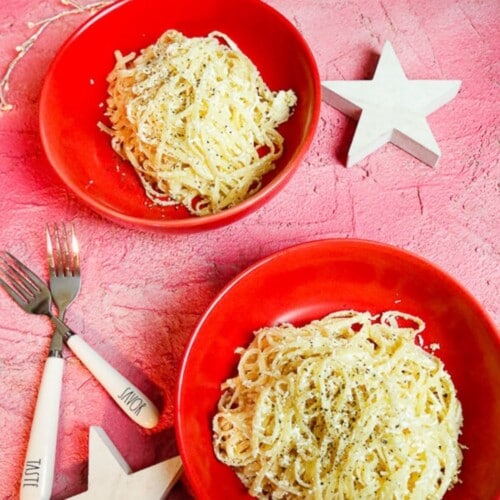 Freshly grated aged Mizithra melted into browned butter coats al dente spaghetti for the iconic Old Spaghetti Factory flavor.
What Is Mizithra Cheese, and Why Is It Non-Negotiable for This Recipe?
Mizithra is a traditional Greek cheese with a history spanning hundreds of years, originally crafted by shepherds in Greece’s mountainous regions as a way to use leftover whey from other cheese production. Authentic Mizithra holds Protected Designation of Origin (PDO) status in the European Union, meaning it is produced exclusively from sheep or goat milk whey using traditional methods in specific Greek island and mainland regions, per the EU’s official agricultural quality standards.
Mizithra comes in two core varieties: fresh soft Mizithra, which is creamy and mild, and aged dry Mizithra, which is crumbly, salty, and sharp. Only the aged variety works for this recipe, as it grates cleanly and melts smoothly into butter to create the dish’s signature sauce. A common mistake home cooks make is using fresh Mizithra or pre-shredded blends, which contain anti-caking agents that prevent smooth melting and dull the cheese’s distinct tangy, nutty flavor.
Ingredients for Authentic Spaghetti Factory Mizithra
This recipe uses just 6 core ingredients, all of which are easy to find at most grocery stores or specialty food shops. Exact quantities ensure the perfect balance of cheese, butter, and pasta, so there’s no guesswork involved:
- 12oz dried spaghetti (durum wheat for the best al dente texture)
- ½ cup unsalted butter (salted butter will make the dish overly salty)
- 1.5 cups freshly grated aged dry Mizithra cheese (pre-shredded is not recommended)
- 1 tsp freshly cracked black pepper (pre-ground pepper lacks depth)
- 1 tbsp chopped fresh parsley (optional, for garnish)
- Pinch of fine sea salt (only if needed, as Mizithra is already salty)
If you can’t find authentic Mizithra, a 50/50 mix of freshly grated Pecorino Romano and Parmigiano-Reggiano is the closest widely available substitute, though it will lack Mizithra’s subtle tang and crumbly texture. Avoid softer cheeses like ricotta or mozzarella, as they will make the sauce gummy instead of silky.
Step-by-Step Copycat Spaghetti Factory Mizithra Recipe
Follow these precise steps to replicate the restaurant’s iconic flavor every time:
1. Cook the Pasta
Bring 4 quarts of salted water to a rolling boil, add 12oz of dried spaghetti, and cook for 8–9 minutes until al dente (firm to the bite). Cooking pasta to al dente not only delivers the ideal texture for the cheese sauce to cling to, but also results in a lower glycemic index than overcooked pasta, according to the Academy of Nutrition and Dietetics. Reserve ½ cup of starchy pasta water before draining, then set the pasta aside.
2. Brown the Butter
While the pasta cooks, melt ½ cup of unsalted butter in a large skillet over medium-low heat. Cook for 3–4 minutes, stirring occasionally, until the butter foams, then turns a light golden hazelnut color and smells nutty. Remove from heat immediately if it turns dark brown, as burnt butter will make the sauce bitter.
 Nutty browned butter is the base of the silky sauce, and should be cooked just until golden to avoid bitterness.
3. Toss with Cheese and Season
Add the drained spaghetti to the skillet with the browned butter, tossing to coat every strand evenly. Turn off the heat to the skillet (this is critical to avoid grainy, seized cheese), then add the grated Mizithra a handful at a time, tossing constantly after each addition. If the sauce is too thick, add a splash of reserved pasta water a little at a time until you reach a silky consistency.
4. Serve Immediately
Season with freshly cracked black pepper and chopped parsley (if using), then divide into bowls and serve right away. The sauce will thicken quickly as it cools, so it’s best enjoyed fresh out of the skillet.
Pro Tips for Restaurant-Quality Results
Small tweaks make a huge difference in nailing the iconic flavor and texture of the chain’s signature dish:
- Always grate Mizithra fresh right before adding it to the skillet. Pre-grated cheese contains anti-caking agents that prevent smooth melting and dull flavor.
- Use a microplane grater for the finest, most even grate, which melts faster and creates a smoother sauce.
- Aged Mizithra’s dry, crumbly texture can leave stubborn residue in your grater; a heavy-duty cleaning brush makes post-prep cleanup fast.
- If you’re cooking with kids in the kitchen, be sure to install childproof cabinet locks to keep small hands away from hot skillets and salty ingredients.
- For an extra depth of flavor, add 1 minced garlic clove to the butter for the last 30 seconds of browning, before adding the pasta.
Common Mistakes to Avoid
Even experienced cooks can stumble on simple errors that ruin the dish’s texture and flavor:
- Burning the browned butter: Butter goes from perfectly golden to bitter in less than 10 seconds, so take it off the heat as soon as it turns a light hazelnut color and smells nutty.
- Using fresh Mizithra: Fresh soft Mizithra is meant for spreading on bread or mixing into dips, not grating over pasta. It will make the sauce clumpy and overly rich instead of silky.
- Adding cheese while the heat is on: High heat causes the cheese proteins to seize and turn grainy, rather than melting smoothly. Always turn off the heat before adding Mizithra.
- Skipping the pasta water reserve: Starchy pasta water is the secret to a silky sauce that coats every strand, rather than clumping at the bottom of the bowl.
Serving and Pairing Ideas
The rich, tangy flavor of Mizithra spaghetti pairs best with light, fresh sides and crisp beverages to balance its intensity:
- Wine pairings: Crisp Italian whites like Pinot Grigio or Vermentino cut through the cheese’s richness, while light, low-tannin reds like Chianti Classico complement its nutty notes. Avoid heavy oaky wines, which will overpower the Mizithra’s delicate tang.
- Side dishes: A simple arugula salad with lemon vinaigrette, roasted broccoli with garlic, or crusty sourdough to soak up extra sauce are all perfect accompaniments. If you’re hosting a dinner party, you can master cutting round cheese for boards to add extra Greek cheeses like Kefalotyri or Graviera as an appetizer.
- Creative twists: For a fun, shareable meal, you can bake the tossed pasta into a crispy spaghetti pie, topped with extra Mizithra and baked at 375°F for 15–20 minutes until golden and bubbly. For a polished presentation for guests, engrave a custom wooden serving board to serve the dish directly from the skillet.
 A spaghetti pie is a creative, crowd-pleasing twist on the classic dish, perfect for meal prep or casual gatherings.
- Dessert pairings: Light, bright desserts work best after the rich pasta. Lemon sorbet, fresh berry salad, or almond biscotti all cleanse the palate without overwhelming your taste buds.
Frequently Asked Questions
What is Mizithra cheese used in Spaghetti Factory recipe?
Mizithra is the star ingredient of the Old Spaghetti Factory’s signature pasta. Its salty, tangy, slightly crumbly texture melts into browned butter to create a silky, flavorful sauce that clings to spaghetti without needing cream or other heavy add-ins. Aged, dry Mizithra is used for this recipe, not the fresh soft variety, as it grates cleanly and melts evenly.
How do you make Spaghetti Factory Mizithra sauce?
The sauce is deceptively simple, relying on just two core ingredients: browned butter and freshly grated aged Mizithra. Start by melting unsalted butter in a skillet over medium-low heat, cooking until it foams, then turns a light golden hazelnut color (do not burn it, as this will make the sauce bitter). Turn off the heat, add the cooked spaghetti and grated Mizithra a handful at a time, tossing constantly to melt the cheese into the butter. Add a splash of reserved pasta water if the sauce is too thick, then season with black pepper and fresh parsley.
Can I substitute Mizithra cheese in the recipe?
If you can’t find authentic Mizithra, a 50/50 mix of freshly grated Pecorino Romano and Parmigiano-Reggiano is the closest widely available substitute, as it mimics Mizithra’s salty, nutty tang. Ricotta salata is another option, but it is milder and lacks the crumbly texture, so the sauce will be smoother and less sharp. Avoid pre-shredded Parmesan blends, as they contain anti-caking agents that prevent smooth melting and dull the flavor.
What makes Spaghetti Factory Mizithra recipe unique?
Unlike creamy Italian pasta dishes like Alfredo, this recipe uses no cream or flour, relying entirely on the natural emulsification of browned butter and Mizithra to create a silky sauce. Its bold, tangy, nutty flavor is distinct from standard Parmesan spaghetti, and its minimal ingredient list makes it fast to make without sacrificing restaurant-quality depth. It’s also naturally vegetarian, making it a great option for meat-free meals.
Can I make this recipe ahead of time?
You can brown the butter and cook the pasta up to 24 hours in advance, storing them separately in airtight containers in the refrigerator. Toss the pasta with the butter and cheese right before serving, as the sauce will turn gummy if left to sit for extended periods. If reheating leftovers, add a splash of water or broth to loosen the sauce.
Final Thoughts
This copycat Spaghetti Factory Mizithra recipe delivers the exact iconic flavor of the chain’s signature pasta without the need for a reservation, a wait, or a markup on your bill. It’s fast, uses minimal ingredients, and is easy to customize to your taste — add a pinch of nutmeg for extra warmth, or a handful of roasted garlic for a savory boost. For more easy, restaurant-quality copycat recipes to make at home, browse the full collection of tested dishes on the Plug Chef blog.

I’m Abby Lu, a passionate home cook who loves simplifying everyday meals. At PlugChef.com, I share product reviews and cooking guides to help you find the best tools for your kitchen.
Related posts:
 How to Make a Fruit Basket for a Gift: Easy DIY Guide
 Mesh Desk Organizer With Sliding Drawer: Maximize Efficiency
 Decorative Woven Baskets for Wall: Transform Your Space
 Rubbermaid Large Dish Drying Rack: Ultimate Kitchen Solution
 Gray Kitchen With Stainless Steel Appliances: Modern Elegance
 Appliance Play Food Kitchen Toys: Ignite Imaginative Play

