
Craving a healthy, delicious meal but don’t have time to thaw your salmon? You’re in luck.
Cooking salmon in the oven straight from frozen is easier than you think. Imagine juicy, tender fish ready in no time—without the hassle of planning ahead. You’ll discover simple steps to make perfect oven-baked salmon every time, even when you start with frozen fillets.
Ready to impress yourself with a quick, tasty dinner? Keep reading, and your next salmon meal will be a breeze.
Choosing The Right Salmon
Choosing the right salmon is a crucial first step when cooking salmon in the oven from frozen. The type and quality of salmon you pick can make a big difference in taste, texture, and overall satisfaction. Understanding what to look for helps you avoid common pitfalls like dry or bland fish.
Types Of Salmon Suitable For Freezing
Not all salmon handle freezing equally well. Wild-caught salmon like sockeye and coho tend to maintain their flavor and texture after freezing. Farmed Atlantic salmon is also a popular choice due to its consistent fat content, which helps keep the fish moist during cooking.
Look for salmon that is flash-frozen at sea or immediately after catch. This process locks in freshness and nutrients better than slow freezing methods. Avoid previously thawed salmon, as repeated freezing can degrade quality.
How To Select Quality Frozen Salmon
Check the packaging carefully. It should be airtight with no signs of freezer burn, such as white spots or dry edges. Clear labeling with catch date and source is a good sign of transparency and freshness.
- Choose fillets with firm flesh and vibrant color—either bright pink or deep red depending on the species.
- Avoid salmon with a strong fishy odor; a mild ocean scent indicates better quality.
- Look for skin-on fillets if you want added flavor and protection during cooking.
Benefits Of Frozen Over Fresh Salmon
Frozen salmon can actually be fresher than “fresh” salmon sold at some stores. Fresh salmon often spends days in transit or on display before reaching you. Frozen salmon, especially if flash-frozen, locks in freshness immediately after catching.
Freezing also allows you to stock up on high-quality salmon when it’s in season or on sale. This saves time and money without sacrificing flavor. Plus, frozen salmon is less likely to spoil quickly, giving you more flexibility in meal planning.
Have you noticed how frozen salmon sometimes tastes better than fresh? That’s because freezing preserves the fish at its peak, preventing the subtle loss of taste that happens over time.
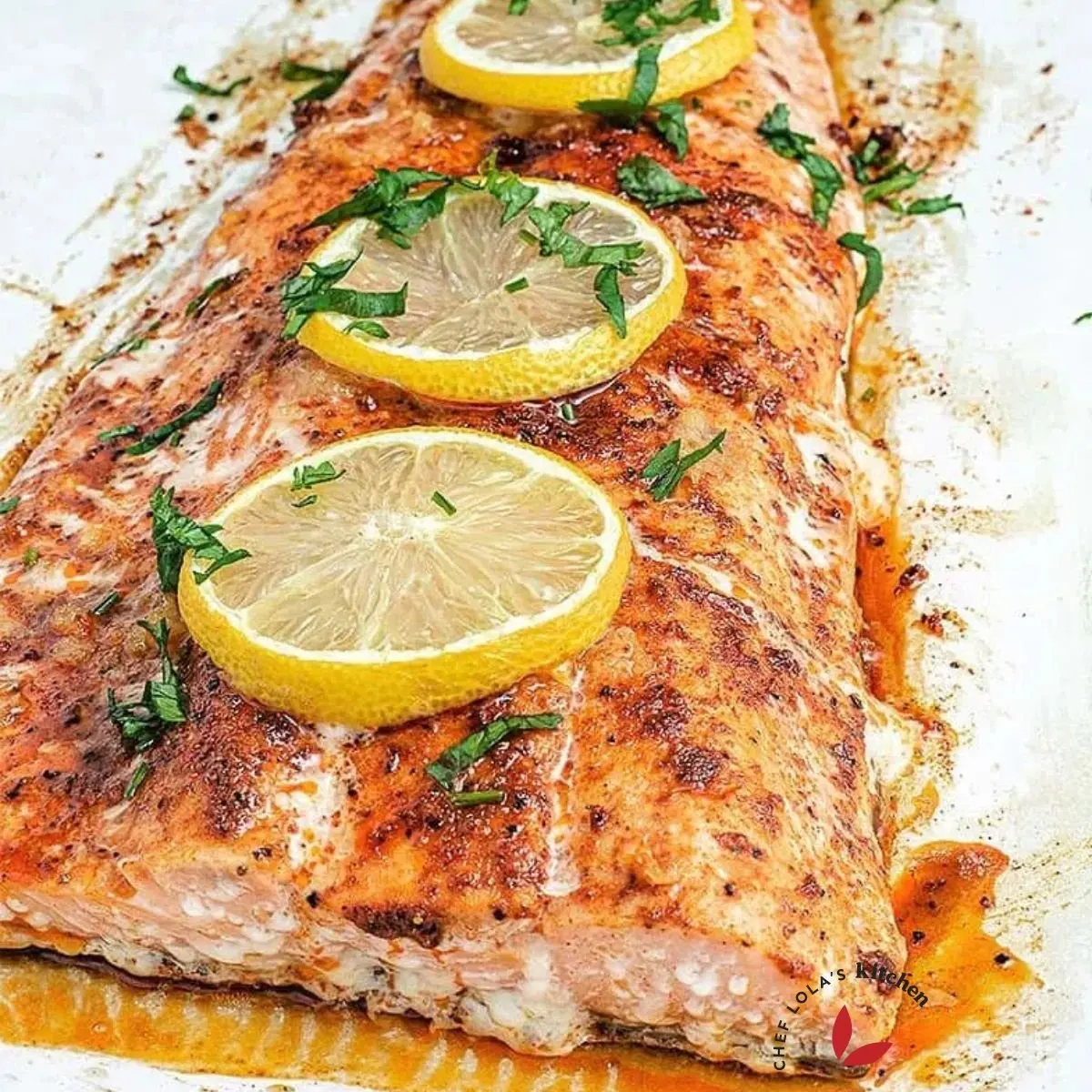
Credit: cheflolaskitchen.com
Prepping Salmon For The Oven
Getting your salmon ready for the oven is more than just placing it on a tray. How you prepare it impacts the final texture and flavor, especially when starting from frozen. Understanding the best approach ensures your meal turns out delicious every time.
Thawing Vs. Cooking From Frozen
Deciding whether to thaw salmon before cooking or to bake it straight from frozen depends on your schedule and desired texture. Thawing allows the fish to cook evenly and absorb seasonings better. However, cooking from frozen saves time and can still yield moist results if done right.
If you choose to thaw, place the salmon in the fridge overnight or use a sealed bag submerged in cold water for quicker defrosting. Avoid leaving it at room temperature to prevent bacteria growth. Cooking frozen salmon directly means adding extra minutes to the baking time and using a lower temperature to avoid drying out the edges.
Essential Seasonings And Marinades
Even simple seasonings can transform your salmon into a flavorful dish. Salt and pepper are must-haves, but consider adding garlic powder, smoked paprika, or lemon zest for an extra kick. Fresh herbs like dill or parsley brighten the taste and pair wonderfully with fish.
Marinades can enhance moisture and add depth. A mix of olive oil, lemon juice, and soy sauce works well. If cooking from frozen, brush the marinade on after the salmon has thawed slightly in the oven—this keeps the flavors fresh and vibrant.
Using Foil Or Baking Dish
Choosing between foil and a baking dish affects cooking and cleanup. Wrapping salmon in foil traps steam, keeping the fish moist and tender. This method also locks in the aromas and makes cleanup a breeze.
Alternatively, a baking dish allows for a crispy top if you prefer. You can add sliced vegetables underneath the salmon, letting the juices drip down and flavor them. Whichever you use, lightly oil the surface to prevent sticking and enhance browning.
Step-by-step Oven Cooking Process
Place frozen salmon on a baking sheet and preheat the oven to 425°F (220°C). Bake for 20-25 minutes until the fish flakes easily with a fork. Season simply with salt, pepper, and lemon for a quick, healthy meal.
Cooking salmon from frozen in the oven is easy and convenient. It saves time and retains all flavors of the fish. This method ensures your salmon remains juicy and delicious. Follow this guide for perfect results every time.Setting The Right Temperature
Preheat your oven to 400°F (200°C). This temperature ensures even cooking. It helps in achieving a crispy exterior and a tender interior. Make sure your oven is fully preheated before placing the salmon inside.Ideal Cooking Times For Frozen Fillets
Place the frozen salmon fillets on a baking sheet. Cook them for 20-25 minutes. The exact time depends on the thickness of the fillets. Thicker pieces may need a few extra minutes. Check for an internal temperature of 145°F (63°C) for safety.Tips For Even Cooking
– Arrange fillets in a single layer on the baking sheet. – Use parchment paper to prevent sticking and ensure even heat distribution. – Cover the fillets loosely with foil for the first half of cooking. – Remove foil halfway to allow browning and crisping. These steps help you achieve a perfect dish every time. Enjoy your flavorful salmon with confidence.
Credit: greendale.com
Enhancing Flavor And Texture
Enhancing the flavor and texture of salmon cooked from frozen in the oven is key to turning a simple meal into something memorable. Since the fish skips the thawing step, you want to make sure every bite is juicy and full of taste. Small additions before and after cooking can make a big difference in how your salmon feels on the palate and how it tastes.
Adding Herbs And Citrus
Fresh herbs like dill, parsley, or thyme bring a bright, aromatic note that complements salmon’s natural flavor. You can sprinkle them on top before baking or mix them with lemon slices to lay over the fish.
Citrus fruits, especially lemon and orange, add a zesty freshness that cuts through the richness of the salmon. Try squeezing fresh lemon juice right before serving to keep that vibrant tang alive.
Using Butter And Olive Oil
Butter adds richness and helps create a smooth, silky texture on the surface of the salmon. Dotting pats of butter on the fish before baking helps keep it moist as it cooks.
Olive oil is a healthy alternative that also locks in moisture and promotes even cooking. Rubbing the salmon with olive oil gives a subtle fruity flavor and helps the seasonings stick better.
Optional Toppings And Garnishes
- Capers:Their salty, tangy bite adds a delightful contrast to the mild fish.
- Chopped nuts:Toasted almonds or pecans give a pleasant crunch and nutty depth.
- Fresh greens:A handful of arugula or microgreens brightens the plate visually and with a peppery twist.
Have you tried topping your salmon with unexpected ingredients? Sometimes a small change like adding a sprinkle of smoked paprika or a drizzle of honey can surprise your taste buds and elevate the dish.
Healthy Side Dishes To Pair
Pairing your oven-baked salmon from frozen with the right sides can elevate your meal into a wholesome experience. Choosing healthy side dishes not only complements the flavors but also boosts the nutritional value of your plate. What kinds of sides do you usually enjoy with salmon? Let’s look at some simple yet nutritious options that are easy to prepare and delicious to eat.
Simple Roasted Vegetables
Roasted vegetables add color, texture, and vitamins to your meal. Toss carrots, bell peppers, zucchini, and broccoli with olive oil, salt, and pepper. Roast them at 400°F for about 20 minutes until tender and slightly caramelized.
I often roast a batch while the salmon cooks in the oven. This way, you save time and energy. The natural sweetness of roasted veggies pairs perfectly with the rich flavor of salmon.
Light Grain Options
Grains like quinoa, couscous, or brown rice provide a light and filling base for your salmon dish. They soak up the salmon’s juices and add a nutty flavor. Try cooking quinoa with a bit of lemon zest and fresh herbs for an extra burst of freshness.
If you want a quick fix, instant couscous is ready in minutes and requires minimal effort. Have you tried mixing your grains with chopped nuts or seeds? It adds a satisfying crunch and extra nutrients.
Fresh Salads For Balance
A crisp salad can balance the warm and hearty salmon meal. Use greens like spinach, arugula, or mixed lettuce with sliced cucumbers, cherry tomatoes, and red onions. Dress it lightly with olive oil and lemon juice to keep it fresh and tangy.
Adding avocado or a sprinkle of feta cheese introduces creaminess and depth. Have you noticed how a fresh salad brightens the whole plate and makes it feel lighter? It’s a simple step that makes your meal more enjoyable and healthy.
Troubleshooting Common Issues
Cooking salmon from frozen in the oven can be a real time-saver, but it’s easy to run into a few common problems along the way. Knowing how to handle these issues can make a big difference in your final dish. Here’s how to fix the most frequent challenges you might face.
Avoiding Dryness
Dry salmon is a common complaint, especially when cooking from frozen. To keep your fish moist, try brushing it with olive oil or melted butter before baking. This simple step locks in moisture and adds flavor.
Also, consider covering the salmon loosely with foil during the first part of cooking. This traps steam and prevents the fish from drying out. Have you ever noticed how a little steam can transform a meal? It works wonders here.
Ensuring Proper Doneness
Salmon cooked from frozen can sometimes come out unevenly done, with some parts raw and others overcooked. To avoid this, use a meat thermometer to check the internal temperature. The safe and ideal range is 125°F to 130°F for medium doneness.
Another tip is to start baking at a slightly higher temperature for the first 5-7 minutes, then reduce it. This jump-starts the cooking process and helps the heat reach the center more evenly. Have you tried this approach before?
Dealing With Overcooked Edges
Overcooked edges happen when the outer parts of the salmon cook faster than the center. A useful trick is to place the salmon skin-side down on a parchment-lined baking sheet. The skin acts as a protective barrier, slowing down edge cooking.
Additionally, avoid cooking on very high heat for too long. If edges get too brown before the center is done, lower the temperature and extend the cooking time. Have you ever had crisp edges that were just too tough to enjoy? This method helps fix that problem.
Nutritional Benefits Of Oven-baked Salmon
Baking salmon in the oven from frozen is not only convenient but also a smart choice for your health. This method preserves the fish’s rich nutrients, making it a powerhouse meal you can enjoy any day of the week. Let’s dive into the key nutritional benefits that make oven-baked salmon an excellent addition to your diet.
Omega-3 Fatty Acids And Heart Health
Salmon is packed with omega-3 fatty acids, essential fats that your body cannot produce on its own. These healthy fats help reduce inflammation and lower your risk of heart disease. Eating oven-baked salmon regularly can support healthier cholesterol levels and improve blood vessel function.
Have you noticed a difference in your energy or mood after including more omega-3 rich foods like salmon in your meals? Many people report feeling more focused and balanced, which shows how powerful these fats are beyond heart health.
Protein Content And Muscle Support
Salmon offers a high-quality protein source, crucial for muscle repair and growth. Each serving delivers all the essential amino acids your body needs to recover after exercise or daily activities. This makes oven-baked salmon a go-to meal for anyone looking to maintain or build muscle mass efficiently.
If you’re trying to stay active or improve your fitness, consider how a simple salmon dinner could boost your muscle recovery and overall strength. It’s an easy way to fuel your body without extra effort.
Low-calorie And Weight-friendly
Despite being rich in nutrients, salmon is relatively low in calories. This means you can enjoy a satisfying, flavorful meal without worrying about overeating. Oven-baked salmon fits perfectly into weight-friendly diets because it keeps you full longer and supports healthy metabolism.
What if your next healthy dinner could be both delicious and help manage your weight? Cooking salmon from frozen in the oven keeps it simple, so you’re more likely to stick with healthy eating habits consistently.

Credit: www.mediterraneandietmealplans.com
Frequently Asked Questions
Can You Cook Salmon In The Oven From Frozen?
Yes, you can cook salmon in the oven directly from frozen. Simply bake it at 425°F (220°C) for 20-25 minutes. No need to thaw first, making it a quick, convenient meal option.
How Long Does Frozen Salmon Take To Bake?
Frozen salmon typically takes 20-25 minutes to bake at 425°F (220°C). Check for an internal temperature of 145°F (63°C) to ensure it’s fully cooked.
Should You Season Salmon Before Baking From Frozen?
Yes, lightly season frozen salmon before baking. Use salt, pepper, lemon, or herbs. Seasoning enhances flavor even if the fish is frozen.
Is It Safe To Bake Salmon From Frozen?
Absolutely, baking salmon from frozen is safe when cooked to 145°F (63°C). This ensures harmful bacteria are eliminated for safe consumption.
Conclusion
Cooking salmon in the oven from frozen saves time and effort. It keeps the fish moist and tasty without thawing first. You only need a few simple steps to get it right. This method suits busy days when you want healthy food fast.
Try it often to enjoy fresh, delicious salmon anytime. Cooking from frozen can be easy and satisfying. Give it a go and see how well it works for you.

Hi, I’m Daniel Brooks—a food lover and kitchen gear enthusiast. I enjoy testing cookware, utensils, and gadgets to see what really works in everyday cooking. At PlugChef.com, I share honest reviews, comparisons, and simple guides to help you choose the best tools for a safer, smarter, and more enjoyable kitchen.
Related posts:
 What Type of Cooking Utensils are Safe: Expert Picks
 What Innovations Could Blenders Make: Unleashing Future Tech
 Smart Strategies to Organize a Small Kitchen: Maximize Space
 How to Organize a Kitchen Cabinet: Expert Tips & Tricks
 How to Organize Kitchen Drawers: Expert Tips and Tricks
 How to Organize a Corner Kitchen Cupboard: Expert Tips

