
Are you wondering what protein pairs best with your creamy risotto? Choosing the right protein can turn your meal from simple to sensational.
Whether you want something light and healthy or rich and indulgent, the perfect protein can elevate your risotto and satisfy your taste buds. Keep reading to discover easy and delicious protein ideas that will make your next risotto dinner unforgettable.
Classic Protein Choices
Classic protein choices pair beautifully with creamy risotto. These proteins balance the dish’s rich texture and add satisfying flavor. Each option offers a unique taste experience while complementing risotto’s smooth, velvety base.
Choose from chicken, seafood, or beef and veal cuts. These proteins are versatile and popular in many risotto recipes. They suit a variety of flavors, from light and fresh to bold and hearty.
Chicken Variations
Chicken is a top choice for risotto. It cooks quickly and blends well with many seasonings.
- Grilled chicken breast adds a smoky flavor and firm texture.
- Pan-seared thighs offer juicy, tender meat with a crispy skin.
- Shredded rotisserie chicken works for a quick, easy meal.
Herbs like thyme or rosemary enhance chicken’s taste. Simple seasoning keeps the dish balanced.
Seafood Options
Seafood pairs elegantly with risotto, especially seafood-based varieties. It adds a fresh, light contrast.
- Shrimp cooks fast and has a sweet, firm bite.
- Scallops bring a delicate, buttery flavor to the plate.
- Mussels or clams add briny, ocean notes and a tender texture.
Cook seafood just until done to keep it tender. Citrus or garlic complements seafood nicely.
Beef And Veal Cuts
Beef and veal offer richer, more robust flavors with risotto. They work well with stronger, earthy risotto recipes.
- Thinly sliced steak, like flank or sirloin, cooks quickly and stays tender.
- Veal cutlets provide a mild, delicate taste that matches creamy risotto.
- Slow-cooked beef adds deep flavor and melt-in-your-mouth texture.
Simple seasoning or a light sauce helps highlight the meat’s natural taste.
Vegetarian And Vegan Proteins
Vegetarian and vegan proteins offer excellent options to pair with creamy risotto. They bring texture, flavor, and nutrition without using animal products. These proteins also balance the richness of the rice dish well.
Here are some popular plant-based proteins that work beautifully with risotto.
Legumes And Beans
Legumes and beans provide a hearty, natural source of protein. Chickpeas, lentils, and cannellini beans add a creamy texture that complements risotto. They absorb flavors easily and add a subtle earthiness. You can cook them separately or mix them directly into the risotto for a filling meal.
Tofu And Tempeh
Tofu and tempeh offer versatile protein options with mild flavors. Tofu soaks up spices and sauces well, making it a perfect risotto side or topping. Tempeh has a nutty taste and firm texture that adds bite. Both can be grilled, sautéed, or marinated to boost taste and variety.
Seitan And Plant-based Alternatives
Seitan provides a chewy, meat-like texture for those who want a robust protein. It pairs nicely with risotto’s creamy consistency. Plant-based meat alternatives can also work well, offering familiar flavors and easy preparation. These options enhance the dish while keeping it vegan and nutrient-rich.
Cheese And Dairy Pairings
When serving risotto, cheese and dairy pairings can elevate the dish from simple to sublime. A well-chosen cheese or dairy companion adds depth and richness, transforming each bite into a more fulfilling experience. Whether you love fresh cheeses, aged options, or creamy sauces, there’s a pairing that can make your risotto unforgettable.
Fresh Cheese Selections
Fresh cheeses bring a light and creamy texture that complements the silkiness of risotto. Consider adding crumbled goat cheese or fresh ricotta for a tangy twist. Mozzarella pearls or burrata can melt softly into the dish, adding delightful creaminess that pairs beautifully with the rice’s tender grains.
Have you ever tried mascarpone? Its velvety texture and mild flavor can make your risotto feel luxurious. Fresh cheeses not only enhance the flavors but also add an element of surprise that can captivate your guests.
Aged Cheese Complements
Aged cheeses bring bold flavors and a nutty richness that can transform risotto. A sprinkle of Parmigiano-Reggiano or Grana Padano offers a savory bite that complements the creaminess of the rice. Pecorino Romano, with its salty and sharp profile, can add a delightful contrast.
Experimenting with aged cheeses can open new flavor horizons. Imagine the depth a well-aged Gouda or Asiago could bring. These cheeses can turn your risotto into a memorable experience, with each mouthful offering a new taste adventure.
Creamy Dairy Sauces
Adding a creamy dairy sauce can make your risotto irresistibly rich. A drizzle of béchamel or a simple cream sauce can wrap each grain in a luscious embrace. Infusing your sauce with herbs or garlic can add another layer of flavor.
Have you ever thought about a blue cheese sauce? It might sound bold, but it can add a unique twist that pairs surprisingly well with earthy mushrooms or sweet peas in your risotto. Dairy sauces offer a creative way to enhance your dish, inviting you to experiment and discover your perfect pairing.
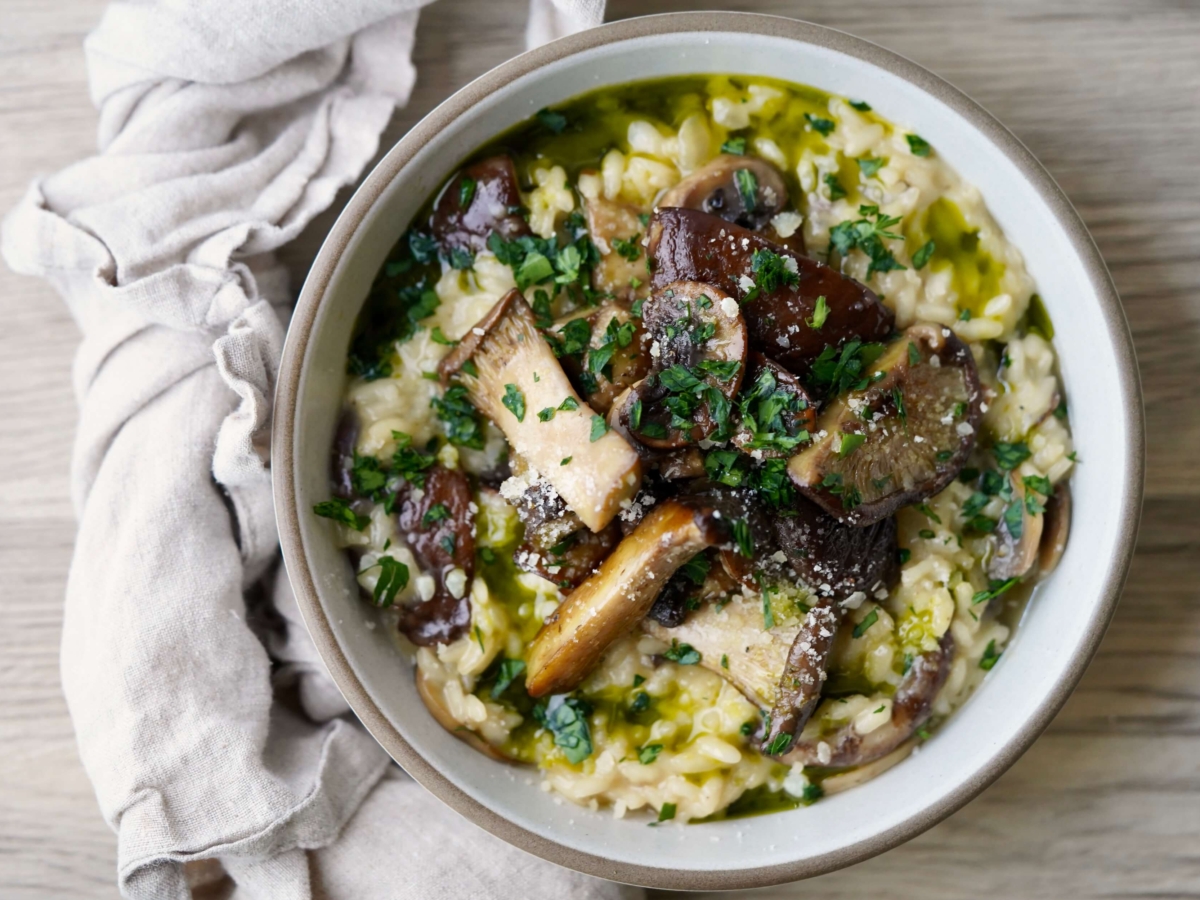
Credit: simmerandsauce.com
Flavor Profiles And Pairing Tips
Choosing the right protein to serve with risotto can transform your meal. Understanding flavor profiles helps create a balanced dish. Pairing tips guide you to enhance taste and texture. This section covers key ideas to match proteins perfectly with risotto.
Balancing Rich And Light Flavors
Risotto often has a creamy, rich texture. Pair it with proteins that balance this richness well. Light proteins like grilled chicken or shrimp add freshness. Rich proteins like sausage or braised beef deepen flavors. Combining both creates a satisfying contrast. Keep the overall taste harmonious and not overpowering.
Herbs And Spices To Enhance Protein
Herbs and spices bring out the best in proteins. Use rosemary or thyme with lamb or beef for earthiness. Basil and parsley brighten chicken or fish dishes. A touch of garlic or chili adds warmth and depth. Lemon zest or sage works well with poultry. Simple seasoning highlights natural flavors without masking them.
Wine Pairings With Protein Choices
Wine can complement both risotto and protein choices. White wines suit lighter proteins like seafood or chicken. Try Pinot Grigio or Sauvignon Blanc for fresh, crisp notes. Red wines pair well with richer proteins like beef or pork. Consider a light Pinot Noir or medium-bodied Merlot. Match wine intensity with the protein’s flavor strength.
Meal-specific Protein Ideas
Choosing the right protein to pair with risotto can elevate your meal from simple to spectacular. Different occasions call for different proteins, so matching your choice to the setting is key. Whether you need something quick, fancy, or comforting, the right protein can make all the difference in how your risotto shines.
Quick Weeknight Dinners
When time is tight, you want proteins that cook fast without sacrificing flavor. Chicken breast strips or shrimp are perfect here—they cook quickly and blend well with creamy risotto.
Try sautéing chicken with garlic and herbs or tossing in some pre-cooked shrimp with lemon zest. These options save you time and still feel satisfying after a busy day.
Have you ever reached for frozen shrimp and ended up with a restaurant-worthy meal? It’s a simple trick that works every time.
Elegant Dinner Party Options
For impressing guests, opt for proteins that add sophistication and depth. Seared scallops or a tender filet mignon can turn your risotto into a centerpiece.
Rich, buttery sauces or a drizzle of truffle oil complement these proteins beautifully. These touches make your dish feel special without much extra effort.
Think about the last time you served something that wowed your friends—wasn’t it worth the little extra care you took?
Comfort Food Combinations
Sometimes, you want your meal to feel like a warm hug. Slow-cooked short ribs or roasted mushrooms bring that cozy vibe to risotto.
These proteins soak up flavors and add hearty textures that make every bite satisfying. Pairing risotto with something slow-cooked helps you slow down and enjoy your meal fully.
What’s your go-to comfort protein that pairs well with creamy dishes? Experimenting here can turn familiar ingredients into new favorites.

Credit: greyeyes.me
Cooking Techniques For Perfect Proteins
Cooking proteins perfectly makes your risotto meal truly special. Different cooking methods bring out unique flavors and textures. Choosing the right technique helps keep proteins juicy and tender. It also adds a delicious contrast to the creamy risotto.
Grilling And Searing
Grilling gives proteins a smoky, charred flavor. Use high heat and cook quickly for best results. Searing locks in juices and forms a tasty crust. Pat the protein dry before cooking. Avoid moving it too much on the pan or grill. Let it rest for a few minutes before slicing. This keeps the meat moist and flavorful.
Roasting And Braising
Roasting cooks proteins evenly with dry heat. It works well for whole chicken or larger cuts. Season well and roast at moderate heat. Braising uses slow cooking in liquid. This method breaks down tough fibers and makes meat soft. Use flavorful broth or wine for braising. Both methods develop rich, deep flavors perfect for hearty meals.
Poaching And Steaming
Poaching cooks proteins gently in simmering liquid. It keeps delicate fish and chicken tender and moist. Use water, broth, or wine with herbs for extra taste. Steaming uses hot steam to cook without drying. It preserves nutrients and natural flavors. Both methods suit light, healthy dishes paired with risotto.

Credit: www.fermentingforfoodies.com
Frequently Asked Questions
What Proteins Pair Best With Creamy Risotto?
Chicken, shrimp, and scallops complement risotto well. Their mild flavors balance the creamy texture. Grilled steak or pork also work for hearty meals.
Can I Serve Vegetarian Protein With Risotto?
Yes, tofu, tempeh, or seitan are great vegetarian options. They absorb flavors well and add protein without overpowering the dish.
Is Seafood A Good Protein Choice For Risotto?
Absolutely. Seafood like shrimp, scallops, or lobster enhance risotto’s richness. Their delicate taste pairs wonderfully with the creamy rice.
How To Add Protein Without Overpowering Risotto’s Flavor?
Choose mild proteins like chicken or fish. Cook simply with herbs or lemon. Avoid strong spices that mask risotto’s subtle taste.
Conclusion
Pairing protein with risotto adds flavor and balance to your meal. Chicken, shrimp, or sausage work well with creamy risotto. For a lighter option, try grilled fish or tofu. These proteins complement the rich texture of the rice dish. Choose what fits your taste and diet.
Enjoy a filling and tasty dinner with these simple choices. Experiment to find your favorite combination. Cooking becomes more fun and rewarding this way. Serve your risotto with protein to make every bite satisfying.

Hi, I’m Daniel Brooks—a food lover and kitchen gear enthusiast. I enjoy testing cookware, utensils, and gadgets to see what really works in everyday cooking. At PlugChef.com, I share honest reviews, comparisons, and simple guides to help you choose the best tools for a safer, smarter, and more enjoyable kitchen.
Related posts:
 What Type of Cooking Utensils are Safe: Expert Picks
 What Innovations Could Blenders Make: Unleashing Future Tech
 Smart Strategies to Organize a Small Kitchen: Maximize Space
 How to Organize a Kitchen Cabinet: Expert Tips & Tricks
 How to Organize Kitchen Drawers: Expert Tips and Tricks
 How to Organize a Corner Kitchen Cupboard: Expert Tips

