
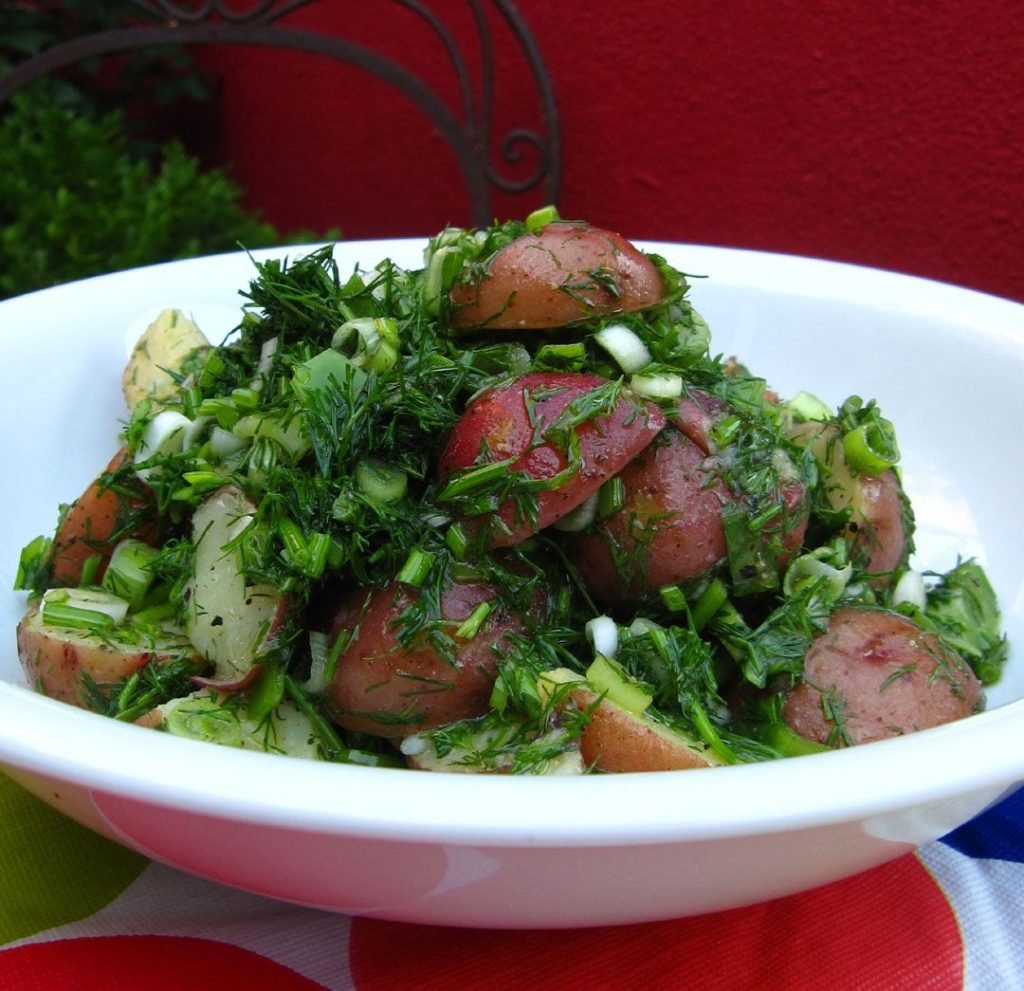
If you’re tired of heavy, mayo-laden potato salad that turns soggy after an hour on the picnic table, vinegar-based recipes are the refreshing, zesty alternative you’ve been missing. With a bright, tangy kick that cuts through rich main dishes and stays fresh far longer than creamy versions, these potato salad recipes with vinegar work for everything from backyard barbecues to weeknight side dishes. In this guide, we’ll walk you through tested, flavorful recipes ranging from classic German-style no-mayo salads to spicy mustard and sweet-tangy variations, plus pro tips to avoid common texture and flavor mistakes. All recipes use accessible ingredients and come with customization options to fit your taste preferences, whether you love bold heat or subtle herbaceous notes.
Why Choose Vinegar-Based Potato Salad?
Vinegar-based potato salad has earned a loyal following for good reason: it’s more versatile, longer-lasting, and often lower in saturated fat than traditional creamy versions. Unlike mayo-based salads, which can spoil after 2 hours at room temperature per food safety guidelines, vinegar and oil dressings act as natural preservatives, allowing these dishes to sit safely at outdoor gatherings for up to 4 hours. The bright acidity of vinegar also cuts through the richness of grilled meats, fried foods, and hearty sandwiches, making it a balanced side for almost any meal. For home cooks avoiding dairy or eggs, vinegar-based recipes are easily customizable to fit vegan or allergy-friendly diets without sacrificing flavor.
Beyond practical benefits, vinegar offers modest health perks when used in starchy dishes like potato salad. Acetic acid, the primary compound in all vinegars, may help moderate post-meal blood sugar spikes when consumed with carbohydrate-heavy foods, per research from the USDA’s Agricultural Research Service. It also adds bold, tangy flavor without extra sodium or sugar, making it a great low-calorie flavor booster for light, satisfying meals.
How to Choose the Right Potatoes for Vinegar Salads
The foundation of any great vinegar potato salad is the right potato variety. Waxy potatoes, including Yukon Gold, red potatoes, and fingerlings, are the best choice for this style of salad: their low starch content and firm texture hold their shape when boiled, so they don’t turn mushy when tossed with dressing. They also absorb vinegar mixtures evenly, so every bite has consistent flavor.
Starchy potatoes like Russets are best saved for mashed potatoes and fries, as their high starch content breaks down easily during boiling, leading to a gummy, watery salad. If you only have Russets on hand, boil them whole with the skins on, peel them after cooking, and cut them into 1-inch cubes to minimize breakage.
Pro tip: For extra flavor, boil potatoes in heavily salted water instead of plain water, so they’re seasoned from the inside out. This small step eliminates the need for excess salt in the dressing later.
Foundational Vinegar Potato Salad Dressing Formula
While every vinegar potato salad recipe has its own twist, most follow a simple, customizable base ratio that you can adjust to fit your taste. This formula works for 2 pounds of cubed potatoes, and scales easily for larger batches:
- ½ cup neutral oil (canola, sunflower, or light olive oil)
- ¼ cup vinegar of your choice
- 1 teaspoon fine sea salt
- ½ teaspoon freshly ground black pepper
- 1 teaspoon honey or sugar (optional, to balance sharp acidity)
Mix all ingredients in a small bowl until the salt and sweetener dissolve fully before tossing with warm potatoes. A common mistake new cooks make is adding all the vinegar at once: start with 3 tablespoons of the ¼ cup measurement, taste, and adjust, as vinegar potency varies wildly by brand and age. If you prefer extra creaminess, stir in 2-3 tablespoons of plain Greek yogurt or mayo after mixing, though this will reduce the salad’s shelf life for outdoor events.
For a deeper dive into how different vinegar varieties impact dish flavor, Oregon State University’s extension service breaks down the unique characteristics of common cooking vinegars in their vinegar cooking guide.
Classic Vinegar Potato Salad
This no-mayo, tangy recipe is a lightweight alternative to creamy potato salad, with a bright, refreshing flavor that pairs perfectly with grilled meats, sandwiches, and picnic spreads. The warm potato step is key to maximizing flavor absorption, so don’t skip the 1-hour marinating time.
Ingredients
- 3 pounds waxy potatoes (Yukon Gold or red), peeled and cut into 1-inch cubes
- 1 cup apple cider vinegar
- ¼ cup neutral oil
- ¼ cup granulated sugar
- 1 teaspoon fine sea salt
- ½ teaspoon freshly ground black pepper
- 1 small yellow onion, finely chopped
- 2 celery stalks, diced
- 2 hard-boiled eggs, chopped (optional, omit for vegan versions)
- 2 tablespoons fresh parsley, chopped (optional, for garnish)
Step-by-Step Preparation
- Start by scrubbing potatoes thoroughly with a sturdy kitchen cleaning brush to remove dirt and debris if you’re leaving peels on for extra texture. Place cubed potatoes in a large pot of heavily salted boiling water, and cook for 8-10 minutes, until tender when pierced with a fork but still firm enough to hold their shape. Drain thoroughly and transfer to a large mixing bowl while still warm.
- In a small bowl, whisk together apple cider vinegar, oil, sugar, salt, and pepper until the sugar is fully dissolved.
- Pour the warm dressing over the warm potatoes, and toss gently to coat all pieces evenly. Don’t overmix, as this can break the potatoes into mush.
- Fold in chopped onion, celery, and hard-boiled eggs (if using). Cover the bowl and refrigerate for at least 1 hour, or up to 24 hours, to let the flavors meld.
- Before serving, taste and adjust seasoning with extra salt or pepper if needed, and garnish with fresh parsley.
Pro Tips for Perfect Results
- Use waxy potatoes for the best texture: starchy varieties will turn gummy when tossed with dressing.
- Toss potatoes with dressing while they’re still warm: cold potatoes won’t absorb the tangy mixture as effectively, leading to a watery, bland salad.
- Soak chopped onion in cold water for 10 minutes before adding to the salad if you want to mellow its sharp, raw bite.
- For extra depth, stir in 1 teaspoon of Dijon mustard to the dressing for a subtle, tangy kick.
 A classic no-mayo vinegar potato salad, perfect for potlucks and summer picnics
Credit: www.simplyrecipes.com
A classic no-mayo vinegar potato salad, perfect for potlucks and summer picnics
Credit: www.simplyrecipes.com
Spicy Mustard Vinegar Potato Salad
This bold, fiery variation is perfect for anyone who loves a little heat with their tang. The combination of sharp mustard and bright vinegar creates a complex, layered flavor that stands up to rich grilled mains like barbecue chicken, pulled pork, and burgers.
Choosing the Right Mustard
The type of mustard you use will completely change the flavor and texture of this salad. Yellow mustard offers mild heat and a bright yellow color, making it ideal for a subtle, family-friendly kick. Dijon mustard has a smooth, slightly spicy, earthy flavor that blends seamlessly with vinegar without overpowering the potatoes. For extra heat and texture, opt for spicy brown mustard or whole grain mustard, which add a coarse, hearty bite and deeper, more complex heat. If you’re serving kids or sensitive palates, stick with yellow mustard and add a pinch of cayenne for adjustable heat.
Balancing Heat and Tang
The key to a great spicy mustard vinegar salad is balance: too much vinegar will make the salad unpleasantly sour, while too much mustard will overwhelm the mild flavor of the potatoes. Start with 1 tablespoon of mustard and 2 tablespoons of vinegar per 2 pounds of potatoes, then taste and adjust as you go. If the salad is too sharp, stir in a teaspoon of honey or sugar to smooth out the acidity without losing the tang. Add salt and pepper gradually, as mustard and vinegar both add their own saltiness. For extra heat, mix in a dash of hot sauce or ¼ teaspoon of cayenne pepper, but go slow—you can always add more, but you can’t take it out.
Serving Suggestions
This salad shines as a side for grilled meats, fried chicken, or hearty sandwiches. Serve it chilled or at room temperature for the best flavor, and top with chopped fresh chives or parsley for a pop of color and freshness. For extra crunch, stir in diced pickles or crispy fried onions, or top with toasted sesame seeds for an Asian-inspired twist.
Bright Herbed Vinegar Potato Salad
This fresh, aromatic variation lets the flavor of high-quality vinegar and fresh herbs take center stage, making it a perfect light side for spring and summer meals. The bright, herbaceous notes pair beautifully with fish, roasted vegetables, and grain bowls.
Best Fresh Herbs for This Recipe
Fresh herbs add layers of aroma and flavor that dried herbs can’t match. For a clean, slightly peppery base, use flat-leaf parsley, which holds up well to marinating. Dill adds a subtle, tangy note that complements vinegar perfectly, making it a great choice for seafood pairings. For a mild oniony kick, add chives, or use tarragon for a hint of sweet, anise-like depth. For a complex flavor profile, mix 2-3 herbs together: a combination of parsley, dill, and chives works well for most palates. Add delicate herbs like dill and parsley right before serving to keep their bright flavor, while hardy herbs like rosemary and thyme can be added during marinating to infuse the dressing.
Vinegar Pairings for Herb Forward Flavor
Mild, subtle vinegars work best for herbed potato salad, as strong, bold varieties will overpower the delicate herb flavors. White wine vinegar is the top choice, with its light, slightly fruity acidity that lets herbs shine. Apple cider vinegar adds a gentle sweetness that balances herbaceous notes without overwhelming them. Avoid balsamic or red wine vinegar for this variation, as their strong, earthy flavors will clash with fresh herbs. For extra brightness, stir in a teaspoon of lemon zest with the herbs.
Mixing and Marinating Best Practices
Toss the potatoes with the dressing and herbs while they’re still warm, as this helps the vinegar and herb flavors absorb into the potato cubes evenly. Let the salad marinate in the fridge for at least 1 hour, but no more than 4 hours, as extended marinating can cause delicate herbs to wilt and turn bitter. For the best texture, fold the herbs in gently right before serving to keep them crisp and vibrant.
Sweet and Tangy Vinegar Potato Salad
This crowd-pleasing variation balances bright vinegar tang with subtle sweetness, making it a great option for anyone who finds straight vinegar potato salad too tart. It’s perfect for summer barbecues, potlucks, and as a side for spicy main dishes like pulled pork or fried chicken.
Balancing Sweet and Sour Elements
The key to a great sweet and tangy salad is balance: you want the sweetness to round out the vinegar’s sharpness, not overpower it. Start with 1 teaspoon of honey, maple syrup, or granulated sugar per ¼ cup of vinegar, then taste and adjust as you go. For fresh, natural sweetness, add finely diced Granny Smith apple or crisp pear, which adds crunch without making the salad soggy. Raisins or dried cranberries work for a chewy, sweet addition, but soak them in warm water for 10 minutes before adding to avoid a tough, leathery texture.
Vinegar Varieties for Sweet Profiles
Not all vinegars work equally well for sweet and tangy salads. Apple cider vinegar is a classic choice, with its natural mild sweetness that pairs well with fruit add-ins. Balsamic vinegar adds a rich, deep, molasses-like sweetness that makes it ideal for this variation, especially when paired with roasted sweet potatoes or caramelized onions. Rice vinegar offers a subtle, mild sweetness that works well for Asian-inspired twists, paired with soy sauce and sesame oil. Avoid white vinegar for this recipe, as its harsh, sharp acidity will clash with sweet elements.
Add-Ins for Extra Texture
To add depth and texture, mix in diced red onion for a sharp, crunchy contrast, or toasted pecans or walnuts for a nutty, rich crunch. For a creamy twist, stir in 2 tablespoons of crumbled feta or goat cheese, which adds a salty, tangy note that complements the sweet and sour dressing. Fresh thyme or rosemary adds an earthy, aromatic note that balances the sweetness perfectly.
Regional and Creative Vinegar Potato Salad Variations
Vinegar-based potato salad has roots in cuisines around the world, with each region putting its own unique spin on the tangy, versatile dish. These variations are easy to customize with ingredients you already have on hand.
Global Inspirations
- Southern US Vinegar Potato Salad: This tangy, mustard-forward version uses apple cider vinegar, yellow mustard, diced pickles, and hard-boiled eggs, often with a sprinkle of paprika for heat. It’s a classic side for fried chicken and barbecue.
- Swabian German Potato Salad: Traditionally served warm, this version uses white vinegar, beef broth, diced onions, and crispy bacon, with no mayo or eggs. It’s a staple pairing for bratwurst and schnitzel.
- French Vinaigrette Potato Salad: This light, elegant version uses red wine vinegar, Dijon mustard, capers, and fresh tarragon, with a light olive oil dressing. It’s perfect as a side for roasted fish or steak.
- Asian-Inspired Vinegar Potato Salad: Swap traditional vinegars for rice vinegar, and add a splash of soy sauce, toasted sesame oil, and sliced green onions for a savory, umami-rich twist.
Modern Twists for Special Occasions
For a hearty, smoky variation, toss warm roasted potatoes with a chorizo and red wine vinegar vinaigrette for a bold, satisfying side that works for casual weeknight meals or special gatherings. For a vegan, protein-packed version, add cooked chickpeas or black beans to the salad, and use maple syrup instead of honey in the dressing. For a low-carb twist, swap half the potatoes for roasted cauliflower, which absorbs vinegar dressings just as well.
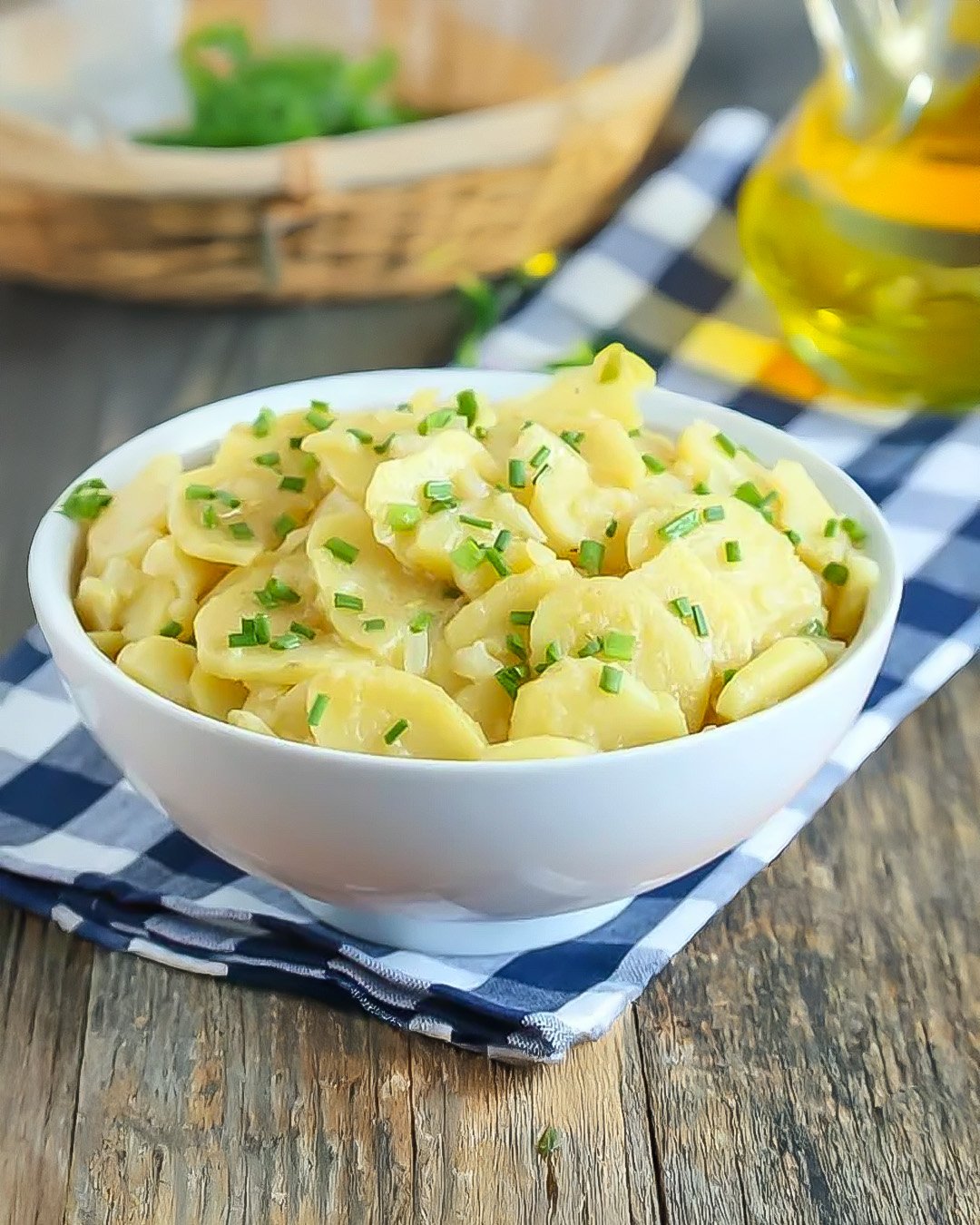 Traditional Swabian German potato salad is served warm with bratwurst or grilled sausages
Credit: honestcooking.com
Traditional Swabian German potato salad is served warm with bratwurst or grilled sausages
Credit: honestcooking.com
Storage and Serving Tips for Vinegar Potato Salad
Vinegar-based potato salad is far more forgiving than mayo-heavy versions when it comes to storage and serving, but following a few simple rules will keep it fresh and flavorful for days.
Maximizing Freshness
Store leftover vinegar potato salad in an airtight glass or BPA-free plastic container in the refrigerator for up to 5 days, which is 2 days longer than mayo-based versions thanks to vinegar’s natural preservative properties. If you’re prepping the salad ahead of time for a picnic, store the dressing, potatoes, and add-ins in separate containers, and toss them together 1 hour before leaving the house to avoid sogginess. Avoid metal containers, as vinegar can react with metal and leave a metallic aftertaste in the salad. If you’re storing ingredients with young children nearby, secure lower cabinet and drawer fronts with child safety latches for kitchen cabinets to keep sharp tools and small ingredients out of reach.
Ideal Serving Temperatures
Vinegar potato salad can be served chilled, at room temperature, or even warm, depending on the variation. For classic chilled versions, take the salad out of the fridge 30 minutes before serving to let the flavors mellow and the dressing soften slightly. For warm variations like German or roasted chorizo potato salad, serve immediately after tossing for the best texture. If serving outdoors, keep the salad in a cooler with ice packs to keep it below 40°F, per FDA outdoor food safety guidelines, to prevent spoilage.
Leftover Ideas and Reuse
Leftover vinegar potato salad is incredibly versatile: mix it with canned tuna or salmon for a quick, protein-packed lunch, use it as a topping for grain bowls or avocado toast, or mix it with fresh greens and extra vinegar for a quick potato salad side salad. If the salad has dried out slightly after storage, stir in a teaspoon of water or extra vinegar to refresh the dressing before serving. Store prepped potatoes, dressing, and add-ins in separate airtight containers in the fridge, and use kitchen drawer safety latches for childproofing if toddlers tend to rummage through refrigerator snacks.
 Modern warm potato salad with chorizo uses a bold red wine vinegar vinaigrette for a smoky, tangy flavor
Credit: food52.com
Modern warm potato salad with chorizo uses a bold red wine vinegar vinaigrette for a smoky, tangy flavor
Credit: food52.com
Troubleshooting Common Vinegar Potato Salad Issues
Even experienced home cooks run into issues with vinegar potato salad from time to time. Here are fixes for the most common problems:
- Salad is too acidic: Stir in 1 teaspoon of honey, sugar, or maple syrup at a time until the sharpness mellows. If you don’t mind a little creaminess, adding 1 tablespoon of mayo or Greek yogurt will also round out the acidity.
- Salad is too watery: This is almost always caused by overcooked potatoes or adding dressing to cold, un-drained potatoes. Next time, boil potatoes until just tender, drain them thoroughly, and toss with dressing while warm. If you have a watery salad already, stir in 1 tablespoon of cornstarch mixed with cold water to thicken the dressing slightly.
- Potatoes are mushy: You likely used starchy Russet potatoes or overcooked them. For next time, stick to waxy Yukon Gold or red potatoes, and boil only until a fork slides in easily with no resistance.
- Dressing doesn’t coat the potatoes: Warm potatoes absorb dressing far better than cold ones. If you’re using cold leftover potatoes, warm them slightly in the microwave for 30 seconds before tossing with dressing to help the mixture stick.
- Herbs turn brown and wilted: Delicate herbs like parsley and dill were added too early, or the salad was left out at room temperature for too long. Add herbs right before serving, and keep the salad refrigerated until the last minute.
After chopping veggies and mixing dressing, clean starch and oil residue from cutting boards and utensils with a professional kitchen cleaning brush to avoid sticky buildup. For quick cleanup of oily dressing and egg residue, a dish scrub brush with built-in soap dispenser cuts through grease without harsh scrubbing. Before mixing, scrub your serving bowl with a kitchen cleaning brush set to remove any soap residue that could alter the salad’s flavor.
Frequently Asked Questions
What types of vinegar work best for potato salad?
The best vinegar for potato salad depends on the flavor profile you want: apple cider vinegar for mild, sweet tang; white wine vinegar for light, herb-forward salads; red wine vinegar for bold, earthy variations; and balsamic vinegar for sweet and tangy recipes. Avoid harsh white distilled vinegar unless you want an extremely sharp, pickled flavor.
How much vinegar should I add to potato salad?
For 4 cups of cubed potatoes (about 2 pounds), start with ¼ cup of vinegar for mild tang, or up to ⅓ cup for a sharper, more pickled flavor. Adjust to taste, as vinegar potency varies by brand and age.
Can vinegar replace mayonnaise in potato salad?
Yes, vinegar and oil dressings are a perfect no-mayo alternative for potato salad, making it suitable for vegan, dairy-free, and low-fat diets. For extra creaminess without mayo, stir in 2-3 tablespoons of plain Greek yogurt or vegan yogurt.
Can I make vinegar potato salad ahead of time?
Yes, you can boil potatoes and make the dressing up to 2 days in advance, storing them separately in airtight containers in the fridge. Toss the salad together 1 hour before serving to let the flavors meld, and add fresh herbs right before serving to keep them crisp.
Is vinegar potato salad healthy?
Vinegar-based potato salad is lower in saturated fat than mayo-heavy versions, and the acetic acid in vinegar may help moderate blood sugar spikes when eaten with starchy foods. It’s also easily customizable to fit vegan, gluten-free, and low-calorie diets.
What’s the difference between German and American vinegar potato salad?
Traditional German-style vinegar potato salad is served warm, uses beef broth in the dressing, and includes crispy bacon and onions, with no mayo or eggs. American vinegar potato salad is typically served chilled, includes celery and hard-boiled eggs, and uses a simpler vinegar and oil dressing.
Final Thoughts
Vinegar-based potato salad is a versatile, flavorful, and practical alternative to heavy, mayo-laden versions, with endless variations to fit any taste or occasion. Whether you prefer the classic tang of a no-mayo German-style salad, the bold heat of a spicy mustard variation, or the bright freshness of an herbed recipe, these tested ideas will help you make a zesty, delicious dish that stands out at any gathering.
The best part? These recipes are endlessly customizable: swap vinegar varieties, add your favorite herbs and veggies, or adjust the sweetness and heat to match your preferences. With proper storage, your leftover salad will stay fresh for up to 5 days, making it a great option for quick weekday lunches.
Have you tried a vinegar-based potato salad before? Drop your favorite vinegar variety or custom add-in in the comments below to share tips with fellow home cooks, or explore our library of tested potluck and side dish recipes for your next gathering.

I’m Abby Lu, a passionate home cook who loves simplifying everyday meals. At PlugChef.com, I share product reviews and cooking guides to help you find the best tools for your kitchen.
Related posts:
 How to Make a Fruit Basket for a Gift: Easy DIY Guide
 Mesh Desk Organizer With Sliding Drawer: Maximize Efficiency
 Decorative Woven Baskets for Wall: Transform Your Space
 Rubbermaid Large Dish Drying Rack: Ultimate Kitchen Solution
 Gray Kitchen With Stainless Steel Appliances: Modern Elegance
 Appliance Play Food Kitchen Toys: Ignite Imaginative Play

