

If you’ve ever dined at a Nobu restaurant, you know the iconic miso Chilean sea bass is unlike any other fish dish: buttery, flaky flesh coated in a caramelized, umami-packed miso glaze that balances sweet, savory, and subtle heat in every bite. Many home cooks assume this restaurant staple is too complex to recreate at home, but with the right technique and a bit of patience, you can nail that signature flavor explosion in your own kitchen.
This guide covers the dish’s fascinating fusion origins, exact ingredient ratios, step-by-step cooking instructions, pro tips to avoid common pitfalls, and perfect pairing ideas to complete your meal. Whether you’re a seasoned home cook or trying your hand at Japanese-Peruvian fusion for the first time, this guide will help you achieve restaurant-quality results every time.
The Story Behind Nobu’s Iconic Miso Chilean Sea Bass
The dish’s global fame stems from a unique blend of cultural exchange and culinary innovation that began decades ago, when Japanese chef Nobu Matsuhisa was working in Lima, Peru. At the time, traditional Japanese ingredients like fresh Pacific cod were hard to source in South America, so Nobu began experimenting with local catch, including the buttery, mild Patagonian toothfish (later marketed globally as Chilean sea bass). He paired the fish with miso, a fermented soybean paste central to Japanese cooking, creating a fusion dish that would define his eponymous restaurant brand.
Nobu Matsuhisa’s Signature Innovation
Prior to Nobu’s 1994 Los Angeles restaurant opening, Chilean sea bass was almost exclusively served simply grilled or baked with butter. Nobu’s key breakthrough was a 24-to-48-hour marinade in a sweet-savory miso blend, which tenderizes the fish’s high-fat flesh and infuses it with deep, layered umami. He then cooked the fish at high heat to caramelize the glaze without drying out the delicate flesh, a technique that has remained unchanged in Nobu restaurants for over 30 years. As of 2026, the dish appears on menus at more than 30 Nobu locations worldwide, and is widely considered one of the most iconic fusion dishes of the 20th century.
Core Ingredients That Create the Flavor Explosion
The magic of this dish comes from a carefully balanced set of ingredients, each chosen to enhance the fish’s natural buttery texture without overpowering it. Understanding what each component does will help you adapt the recipe to your taste and avoid common flavor imbalances.
Choosing the Right Chilean Sea Bass
Chilean sea bass (Patagonian toothfish) is a deep-sea fish with an unusually high fat content (15-20% by weight, far higher than most white fish like cod or halibut), which gives it that signature melt-in-your-mouth texture. It has a mild, slightly sweet flavor that absorbs marinades beautifully, making it the perfect canvas for the rich miso glaze. As of 2026, the species has recovered from overfishing in the 1990s thanks to strict international quotas, but look for the blue MSC (Marine Stewardship Council) label when purchasing to support responsible, sustainable fishing practices. If fresh fillets are unavailable, frozen thawed fillets work perfectly, as long as you pat them completely dry before marinating.
Miso 101: Varieties and Best Picks for This Recipe
Miso is a fermented soybean paste aged anywhere from one week to two years, with color and flavor varying drastically by type. For this dish, white miso (shiro miso) is the best choice: aged 1-3 months, it has a mild, slightly sweet flavor and lower salt content than darker miso varieties, which lets the natural sweetness of the fish and the caramelized glaze shine. Red miso (aka miso) is aged longer, saltier and more pungent, and will overpower the delicate fish if used as a 1:1 substitute. Yellow miso (shinshu miso) is a middle ground that works in a pinch if white miso is unavailable.
Balancing Sweet, Savory, and Heat
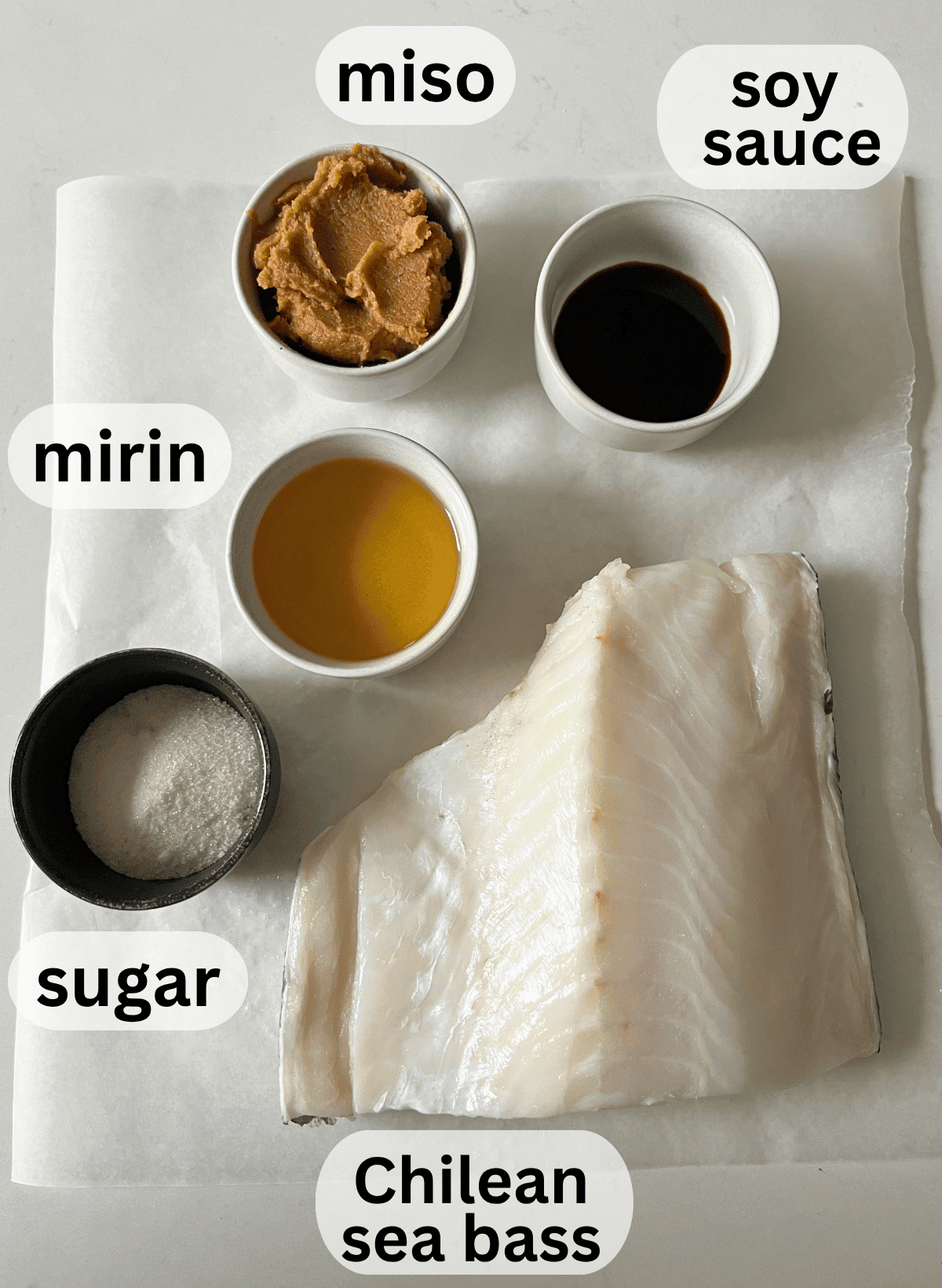
The miso base is balanced with three key supporting ingredients: mirin (sweet Japanese rice wine) adds subtle sweetness and tenderizes the fish’s flesh, sake (dry Japanese rice wine) adds depth and cuts through the richness of the miso and fish fat, and freshly grated ginger adds a bright, warm kick that cuts through the glaze’s sweetness. A small amount of light brown sugar helps the glaze caramelize properly when cooked at high heat. Optional add-ins include a pinch of red pepper flakes for extra heat, or a teaspoon of toasted sesame oil for a nutty, earthy depth.
Step-by-Step Homemade Nobu Miso Chilean Sea Bass Recipe
The original Nobu recipe is famously simple, but the key to nailing it at home is following the exact marinating and cooking guidelines. This recipe yields 4 servings, and comes together with minimal active prep time.
Exact Homemade Miso Marinade Recipe
Whisk all ingredients together in a small bowl until smooth and fully combined. Taste and adjust: if it’s too salty, add 1 teaspoon more mirin; if too sweet, add 1 teaspoon more sake.
- ½ cup white miso paste
- ¼ cup mirin
- 2 tbsp sake
- 1 tbsp light brown sugar
- 1 tsp freshly grated ginger
- 1 tsp minced garlic
- 1 tsp toasted sesame oil
- ½ tsp freshly ground black pepper
Marinating Guidelines for Maximum Flavor
Pat 6-8 oz skin-on Chilean sea bass fillets completely dry with paper towels to remove excess moisture, which will prevent the glaze from sticking. Coat each fillet generously with the miso marinade, making sure to cover all surfaces, then place in a shallow dish. Cover tightly with plastic wrap and marinate in the refrigerator for 24 to 48 hours. In practice, many home cooks rush this step to 2-3 hours, but the long marinating time is non-negotiable for the flavor to fully penetrate the thick, fatty flesh of the fish. Do not marinate longer than 48 hours, as the miso will start to break down the fish’s texture, making it mushy. Always keep the fish refrigerated during marinating to prevent bacterial growth, per FDA food safety standards for raw seafood.
Two Foolproof Cooking Methods
Pan-Seared Method (for crispy skin)
This method delivers a crispy, golden skin and caramelized glaze, perfect for a special dinner.
- Remove fillets from the marinade, scrape off excess (leave a thin, even coating), and pat dry again with paper towels. Let sit at room temperature for 15 minutes before cooking to prevent cold fish from lowering the skillet temperature.
- Heat 1 tbsp neutral oil (canola or avocado) in a non-stick or cast iron skillet over medium-high heat until shimmering.
- Place fillets skin-side down, press gently with a spatula for 10 seconds to ensure even contact with the pan.
- Cook for 4-5 minutes without moving, until the skin is deep golden and crispy. A common mistake is flipping too early, which tears the crispy skin.
- Flip carefully, cook for 2-3 more minutes, until the internal temperature reaches 130°F (54°C) when measured with a digital thermometer. Carryover cooking will bring it to the safe 145°F (63°C) recommended by the FDA, while keeping the flesh tender and moist.
Oven-Broiled Method (for hands-off cooking)
This method is ideal for cooking multiple fillets at once, with minimal active time.
- Preheat your oven’s broiler to high, and place the oven rack 6 inches from the heating element.
- Line a baking sheet with foil for easy cleanup, and brush lightly with oil.
- Place marinated fillets skin-side down on the baking sheet, brush the top with a thin layer of the reserved marinade.
- Broil for 8-10 minutes, depending on fillet thickness, until the glaze is caramelized and bubbling, and the fish flakes easily with a fork. Watch closely during the last 2 minutes to prevent the miso glaze from burning, as its high sugar content causes it to darken quickly under direct heat.
 Step-by-step visual of mixing the miso marinade for even flavor distribution
Image source: agiletestkitchen.com
Step-by-step visual of mixing the miso marinade for even flavor distribution
Image source: agiletestkitchen.com
Plating, Serving, and Pairing Ideas
The dish’s striking golden glaze and flaky texture make it a showstopper for any dinner party, and simple pairing choices will elevate it from a great meal to an unforgettable one.
Elegant Plating and Garnish Ideas
Keep plating minimal to let the caramelized miso glaze be the star of the dish. Place the fillet on a plain white or neutral ceramic plate, then drizzle a small amount of extra reserved marinade (heated first to kill any bacteria) around the plate for a decorative, flavorful touch. Garnish with thinly sliced scallions, toasted sesame seeds, a few microgreens, or a small mound of pickled ginger for a pop of bright color and tangy contrast that cuts through the richness of the glaze.
 Golden caramelized miso glaze on tender, flaky Chilean sea bass fillet
Image source: www.prepmyrecipe.com
Golden caramelized miso glaze on tender, flaky Chilean sea bass fillet
Image source: www.prepmyrecipe.com
Wine, Side Dish, and Drink Pairings
The dish’s rich, umami-forward profile pairs beautifully with a range of sides and beverages:
- Wine: Full-bodied oaked Chardonnay matches the fish’s buttery texture, while crisp Sauvignon Blanc cuts through the sweetness of the miso glaze. Off-dry Riesling is a great match if you prefer a hint of sweetness to balance the umami.
- Sides: Steamed jasmine rice to soak up extra glaze, sautéed baby bok choy for a fresh, crunchy contrast, or roasted asparagus for an earthy, light side. For heartier options, toss roasted veggies with our sweet-savory sauce inspiration for a sweet and spicy twist, or pair with hearty side dish ideas for a complete meal. For a bright, no-cook side, try our bright, fresh sides for warm weather dining.
- Drinks: For non-alcoholic options, unsweetened green tea with a slice of lemon or sparkling yuzu juice provides a bright, citrusy contrast to the rich fish. For more guidance on perfect drink pairings for any meal, check out our dedicated guide.
Common Mistakes to Avoid (and How to Fix Them)
Even experienced cooks can run into issues with this dish, but these simple fixes will ensure perfect results every time:
- Overcooking the fish: Chilean sea bass’s high fat content means it dries out quickly if cooked past medium. Always use a digital thermometer to pull it at 130°F (54°C), and let it rest for 2 minutes before serving. If you accidentally overcook it, flake the fish and toss it with extra warmed glaze and rice for a quick, flavorful miso rice bowl.
- Using the wrong miso: Red miso is too salty and pungent for this dish, and will mask the fish’s natural sweetness. Stick to white miso for the classic flavor profile, or use a 50/50 mix of white and yellow miso if you want a slightly deeper umami flavor.
- Skipping the dry pat: Excess moisture on the fish’s surface will prevent the miso glaze from caramelizing, leading to a soggy, dull finish. Pat the fillets completely dry both before marinating and before cooking.
- Burning the glaze: The miso glaze has a high sugar content, so it burns quickly under high heat. If broiling, keep the rack 6 inches from the heating element, and watch the fish closely during the last 2 minutes. If the glaze starts to darken too fast, tent loosely with foil.
 Perfectly cooked miso Chilean sea bass with crispy caramelized edges
Image source: agiletestkitchen.com
Perfectly cooked miso Chilean sea bass with crispy caramelized edges
Image source: agiletestkitchen.com
Sustainable Sourcing and Leftover Storage
As of 2026, Chilean sea bass populations are considered sustainably managed under international fishing quotas, but it’s still important to choose responsibly sourced options to protect the species long-term. Look for the blue MSC label when purchasing, which certifies the fish was caught using sustainable, low-impact methods, in line with NOAA Fisheries’ sustainable sourcing guidelines for Patagonian toothfish.
For leftovers: store cooked sea bass in an airtight container in the refrigerator for up to 3 days. Reheat gently in the oven at 300°F (150°C) for 10 minutes to avoid drying out; do not microwave, as it will make the fish rubbery. The miso glaze can be stored separately in an airtight container in the fridge for up to 2 weeks, and reheated gently to serve with leftover fish, rice, or roasted vegetables.
Frequently Asked Questions
What is Nobu Miso Chilean Sea Bass?
Nobu Miso Chilean Sea Bass is the signature dish of Nobu Matsuhisa’s global restaurant empire, first introduced in the 1990s. It features Patagonian toothfish (marketed as Chilean sea bass) marinated for 24 to 48 hours in a sweet-savory white miso blend, then cooked at high heat to caramelize the glaze while keeping the fish’s flesh buttery and tender. It’s widely considered one of the most iconic Japanese-Peruvian fusion dishes of the 20th century.
How long should I marinate the sea bass for best results?
For full flavor penetration, marinate the fish for 24 to 48 hours in the refrigerator. Marinating for less than 12 hours will result in bland, one-dimensional flavor, while marinating longer than 48 hours will break down the fish’s delicate flesh and make it mushy. Always keep the fish refrigerated during marinating to prevent bacterial growth, per FDA food safety standards for raw seafood.
What can I use as a substitute for Chilean sea bass?
If Chilean sea bass is unavailable or outside your budget, black cod (sablefish) is the closest substitute: it has a similarly high fat content and buttery texture, though it has a slightly stronger, more earthy flavor. Halibut is a leaner, more budget-friendly option, but it will cook faster (reduce cooking time by 1-2 minutes) and has a firmer, less flaky texture.
Is Nobu Miso Chilean Sea Bass spicy?
The classic Nobu recipe has no added heat, with the flavor profile focused on sweet, savory, and umami notes from the miso, mirin, and ginger. Many home cooks add a pinch of red pepper flakes or a teaspoon of gochugaru to the marinade for a subtle spicy kick, which pairs beautifully with the rich glaze.
Can I make this dish ahead of time?
Yes! You can marinate the fish up to 48 hours in advance and store it in the refrigerator. Cook it just before serving for the best texture. You can also make the miso marinade up to 1 week in advance and store it in an airtight container in the fridge.
Conclusion
Nobu Miso Chilean Sea Bass is a deceptively simple dish that delivers an incredible depth of flavor with minimal active effort. The key to success is patience: a full 24 to 48 hour marinating time, proper drying of the fillets before cooking, and pulling the fish at 130°F to avoid drying it out. Whether you’re serving it for a weeknight dinner or a special occasion, this restaurant-quality dish is sure to impress anyone at your table.
Once you’ve mastered this iconic fusion dish, explore similar bold, umami-rich mains for more crowd-pleasing weeknight meals, or try our tangy umami seafood dishes to switch up your dinner rotation. For more expert cooking tips and tested recipes, visit our full blog library for new ideas every week.

Hi, I’m Daniel Brooks—a food lover and kitchen gear enthusiast. I enjoy testing cookware, utensils, and gadgets to see what really works in everyday cooking. At PlugChef.com, I share honest reviews, comparisons, and simple guides to help you choose the best tools for a safer, smarter, and more enjoyable kitchen.
Related posts:
 How to Make a Fruit Basket for a Gift: Easy DIY Guide
 Do You Need a Basket? Essential Guide for Air Fryers
 Stainless Steel Appliances in a White Kitchen: Stylish Harmony
 Kitchen With White Cabinets And Stainless Steel Appliances: Timeless Elegance
 Culinary Evolution Smart Kitchen Appliances Leomart: Transform Cooking
 How to Clean Kitchen Sink Drain Smell: Easy Tips to Eliminate Odors

