
There’s a reason chicken wings are the ultimate party snack, game day staple, and late-night craving: they’re crispy, saucy, and endlessly customizable. But if you’ve ever wondered why some wing sections feel meatier, crispier, or hold sauce better than others, you’re not alone. Understanding the parts of a chicken wing doesn’t just satisfy curiosity—it transforms how you cook, season, and serve them, whether you’re feeding a crowd or whipping up a quick weeknight snack. This ultimate guide breaks down every section of the chicken wing, from anatomy to cooking hacks, zero-waste uses, and pro tips to make your next wing batch the best one yet.
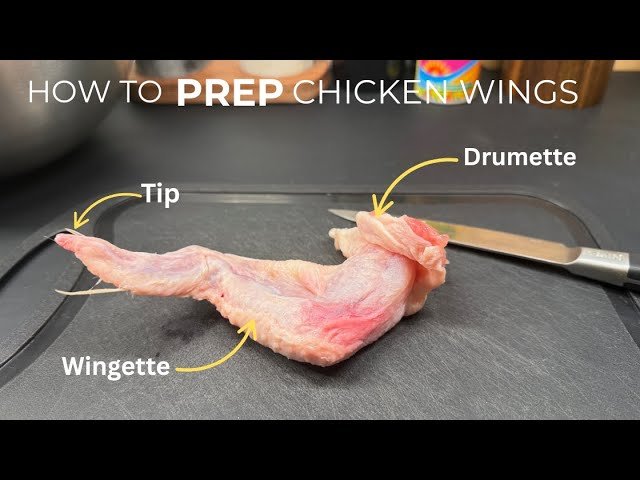
 This labeled diagram shows the three standard sections of a split chicken wing, plus the natural cut lines.
The Full Anatomy of a Chicken Wing
Most store-bought chicken wings are pre-split into three distinct sections at processing, but understanding the natural anatomy of a whole wing helps you pick the right cuts for your dish and reduce waste. Each section has a unique bone structure, meat distribution, and texture that impacts how it cooks and what flavors it pairs with best.
Core Wing Sections
The three standard parts of a split chicken wing are the drumette, wingette (flat), and tip. Each has a distinct size, weight, and use case, outlined in the table below for easy reference:
| Wing Section | Typical Length | Weight | Meat-to-Skin/Bone Ratio | Best Use Case |
|---|---|---|---|---|
| Drumette | 2–3 inches | 1.5–2 oz | 60% meat, 40% bone/skin | Grilling, saucy dishes, meat-forward bites |
| Wingette (Flat) | 2–3 inches | 2–2.5 oz | 40% meat, 60% skin/bone | Frying, baking, saucy or dry-rubbed dishes |
| Wing Tip | <1 inch | 0.5 oz | 10% meat, 90% skin/cartilage/bone | Stock, crispy snacks, zero-waste use |
Bone & Connective Tissue Breakdown
Each wing section has a unique bone structure that impacts how it handles during cooking:
- The drumette’s single large bone is the chicken’s humerus, the same bone that forms the upper part of a full chicken leg. Its centered position makes it a natural, easy-to-hold handle for eating.
- The wingette contains two parallel, thin bones: the radius and ulna, with a small strip of cartilage between them that is completely edible when cooked low and slow.
- The wing tip’s tiny bones are metacarpals, with almost no muscle attached, making them soft and easy to chew when cooked thoroughly.
Skin & Meat Distribution
Skin covers the entire wing, and its thickness varies drastically by section, which directly impacts texture and cooking time:
- Drumettes have mostly dark meat, with higher intramuscular fat that keeps them juicy even at high cooking temperatures.
- Wingettes have a thinner layer of meat (a mix of dark and light) under a thick layer of skin, which crisps up beautifully and holds sauce and seasoning evenly.
- Wing tips have almost no muscle tissue, with most of their mass made up of skin, cartilage, and small bones.
 This vector graphic clearly labels the drumette, wingette, and tip for easy reference.
Drumette: The Meat-Lover’s Favorite
The drumette is the first section of the wing to disappear at most parties, and for good reason: its meaty heft, natural handle, and rich flavor make it a satisfying, no-fuss bite for wing lovers of all ages.
What Makes the Drumette Unique
Shaped like a mini drumstick, the drumette is the thickest, most substantial wing section. Its higher fat content and dense muscle fibers give it a deeper, more savory flavor than the other sections, and it stays tender and juicy even when cooked over high heat. It’s also the easiest section to eat with your hands, no extra utensils required.
Best Cooking Methods for Drumettes
Drumettes hold up well to every common cooking method, but a few pro tips will take them from good to great:
- Grilling: Use medium indirect heat (375–400°F) and cook for 18–22 minutes, flipping once, until the internal temperature reaches 165°F. A common mistake is placing drumettes directly over high heat, which burns the skin before the meat is cooked through.
- Baking: Preheat your oven to 425°F and cook on a wire rack for 25–30 minutes, flipping halfway. The rack allows air to circulate around the entire wing for extra crispy skin.
- Frying: Heat oil to 350°F and fry in small batches for 12–15 minutes, until golden brown and cooked through. Drain on a wire rack instead of paper towels to keep the skin crisp.
- Air frying: Cook at 400°F for 18–20 minutes, shaking the basket halfway, for a low-effort, low-mess crispy result.
Perfect Sauce Pairings
Drumettes’ rich, meaty flavor stands up to bold, heavy sauces without getting overwhelmed. Classic options like buffalo, honey garlic, and smoky BBQ are always crowd-pleasers, but they also work beautifully with sweet and sticky glazes. For a tested, foolproof option, our go-to crowd-pleasing wing glaze balances sweet, savory, and mild heat that pairs perfectly with drumette meat.
Wingette (Flat): The Sauce-Lover’s All-Star
For many wing enthusiasts, the wingette (often just called the "flat") is the gold standard. Its unique shape, texture, and sauce-holding power make it the most popular section for restaurant wings and home cooking alike.
Why Wingettes Are So Popular
The wingette’s thin layer of meat and high skin-to-meat ratio give it a perfect balance of tender meat and crispy, crunchy skin. Its flat, wide surface area holds sauce and seasoning far better than the rounded drumette, making it the top choice for Buffalo wings, sauced glazes, and dry rubs. Many fans also love that the two small bones make it easy to pull the meat off in one satisfying bite.
Cooking Tips for Perfect Wingettes
The wingette’s thin profile means it cooks faster than drumettes, and it’s more prone to soggy skin if not prepped correctly:
- Pat wings completely dry with paper towels before seasoning or cooking—any excess moisture will steam the skin instead of crisping it.
- For extra crispy skin, toss wings with 1 teaspoon of aluminum-free baking powder per pound of wings before seasoning. The baking powder raises the pH of the skin, helping it crisp up faster.
- Bake at 425°F for 20–25 minutes, or air fry at 400°F for 15–18 minutes, flipping halfway for even cooking.
- A common mistake is overcrowding the baking sheet or air fryer basket, which blocks air circulation and leads to soggy, unevenly cooked wings.
Top Wingette Recipes
Wingettes work with every style of wing preparation, from classic Buffalo to creative global flavors. If you love bold, creamy sauces, wingettes are the perfect base for a creamy spicy bang bang preparation, while dry rubs like Cajun, lemon pepper, or everything bagel seasoning let the wingette’s natural crispy texture shine.
Wing Tips: The Underrated, Zero-Waste Wing Section
Wing tips are the smallest, most overlooked part of the chicken wing, but they’re far from useless. Instead of tossing them in the trash, you can use them to add flavor to your meals and reduce food waste.
Why Most People Discard Wing Tips
Wing tips are often removed before cooking because they have very little meat, lots of small bones, and a awkward pointed shape that’s hard to eat. Many cooks also remove them to help wings cook more evenly, as the thin tip can burn before the thicker drumette and wingette are fully cooked.
Creative Uses for Wing Tips
If you buy whole, un-split wings, the tips are free, so there’s no reason to waste them:
- Toss fried or air-fried wing tips with spicy salt, paprika, or vinegar for a crunchy, salty bar snack.
- Chop cooked wing tips and add them to ramen, salads, or dips for an extra burst of chicken flavor.
- Use them as a crunchy topping for soups or baked potato dishes.
How to Make Flavorful Wing Tip Stock
Wing tips are perfect for making rich, gelatinous chicken stock. Their bones and cartilage release collagen during simmering, which gives broth a deep, velvety texture and rich flavor that store-bought broth can’t match. Simmer wing tips with onion, carrot, celery, and herbs for 4–6 hours, then strain and use as a base for soups, gravies, or even wing sauce. The resulting broth works perfectly as a base for hearty hearty bean and greens stews for a cozy, nutrient-packed meal.
How to Choose the Best Chicken Wings for Your Dish
The quality of your wings has a huge impact on the final flavor and texture of your dish. Whether you’re buying fresh or frozen, organic or conventional, a few quick checks will ensure you get the best value and taste.
Fresh vs. Frozen Wings: What’s the Difference?
Fresh chicken wings have a slightly better texture and juicier flavor, and they’re ready to cook immediately with no thawing required. They do have a shorter shelf life, however, and are often more expensive than frozen options. Frozen wings are flash-frozen immediately after processing, which locks in freshness and flavor almost as well as fresh wings, and they have a shelf life of up to 9 months in the freezer. Always thaw frozen wings in the refrigerator, not at room temperature, to avoid bacterial growth and uneven cooking.
Organic, Free-Range, and Conventional Wings Compared
Organic and free-range wings come from birds raised without antibiotics, with access to outdoor space and a more natural diet. Many cooks find these wings have a cleaner, richer flavor than conventional wings, and they’re a good choice for those prioritizing ethical and sustainable sourcing. Note that added hormones are prohibited for all commercially raised chickens in the U.S. per USDA regulations, so organic and free-range wings differ primarily in diet, living conditions, and antibiotic use, not hormone content.
What to Check for When Buying Wings
When selecting wings at the grocery store or butcher, look for:
- Pink, firm flesh with no gray, green, or discolored spots, which are signs of spoilage.
- No sour, ammonia-like, or otherwise unpleasant odors, which indicate the wings are past their prime.
- Tight, leak-free packaging with no excess liquid pooling at the bottom, which can signal the wings were thawed and refrozen (a food safety risk).
- If buying from a local butcher, ask when the wings were processed to ensure they’re as fresh as possible.
Prep Basics: How to Cut, Season, and Marinate Wings
Proper prep is the foundation of great-tasting wings, and it only takes a few extra minutes to get right. Follow these steps to ensure your wings cook evenly, stay juicy, and develop a perfectly crispy skin.
How to Split Whole Wings into Sections
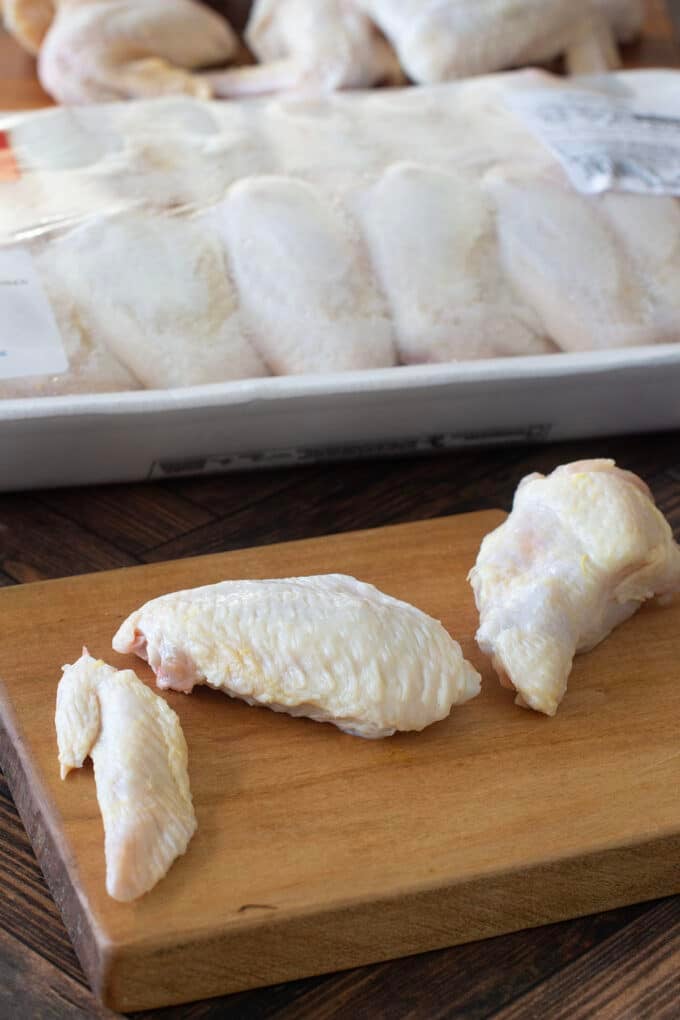
If you buy whole, un-split wings to save money, splitting them into sections is quick and easy:
- Use a sharp chef’s knife to locate the natural joints between the drumette and wingette, and the wingette and tip.
- Cut firmly through each joint, avoiding the bone to keep your knife sharp and the wing edges clean.
- Discard or save the tips for stock, depending on your preference.
Marinating vs. Dry Brining: Which Is Better?
Both methods add flavor and tenderness to wings, but they work best for different cooking methods:
- Marinating: A mix of oil, acid (lemon juice, vinegar), and spices adds flavor and tenderizes the meat. Marinate wings for at least 30 minutes, or up to 24 hours in the refrigerator, for the strongest flavor. Avoid marinating for longer than 24 hours, as the acid can break down the meat’s texture and make it mushy.
- Dry brining: Tossing wings with salt and spices 1–2 hours before cooking draws out moisture, which is then reabsorbed into the meat, making it juicier and the skin crispier. Dry brining is the best choice for fried or air-fried wings, where crispy skin is the goal.
Essential Prep Tips for Crispy Skin
The #1 rule for crispy wing skin is to never rinse raw wings under running water, as this can spread harmful bacteria like salmonella around your sink and countertops. Pat wings completely dry with paper towels before seasoning, and avoid overcrowding the pan or air fryer basket during cooking, which blocks air circulation and leads to soggy skin.
Section-Specific Cooking Techniques for Perfect Results
Each wing section responds differently to heat, so adjusting your cooking method to the cut will help you avoid undercooked meat, burnt skin, or uneven results. Always cook wings to an internal temperature of 165°F, per USDA safe chicken cooking guidelines, to eliminate harmful bacteria. Use a meat thermometer inserted into the thickest part of the drumette to get an accurate reading, avoiding the bone.
Cooking Drumettes to Perfection
Drumettes’ sturdy bone and meaty texture make them ideal for high-heat cooking methods:
- Grill over medium indirect heat for 18–22 minutes for a smoky, charred flavor.
- Bake at 425°F for 25–30 minutes for a hands-off, crispy result.
- Fry at 350°F for 12–15 minutes for a classic, crunchy takeout-style wing.
- Air fry at 400°F for 18–20 minutes for a low-fat, low-mess option.
Perfectly Crispy Wingette Cooking Methods
Wingettes’ thin profile means they cook faster than drumettes, and their high skin content makes crispiness a top priority:
- Bake at 425°F on a wire rack for 20–25 minutes, flipping halfway, for evenly cooked, crispy wings.
- Air fry at 400°F for 15–18 minutes for ultra-crisp skin with minimal oil.
- Fry at 350°F for 10–12 minutes for a fast, indulgent result that holds sauce perfectly.
What to Do With Wing Tips
Wing tips are small, but they cook quickly and are incredibly versatile:
- Air fry at 400°F for 10–12 minutes, toss with salt and paprika, and serve as a crunchy, salty snack.
- Simmer for 4–6 hours with vegetables and herbs to make rich, collagen-packed chicken stock.
- Fry at 350°F for 6–8 minutes for a crispy, fun bar bite to serve alongside full wings.
Flavor Pairings & Sauces for Every Wing Section
The best sauce or seasoning for your wings depends on the section you’re using, as each has a unique texture and flavor profile that pairs differently with ingredients.
Best Sauces for Drumettes
Drumettes’ rich, meaty flavor stands up to bold, heavy sauces without getting lost. Classic options include:
- Spicy Buffalo sauce, for a tangy, fiery kick
- Honey garlic glaze, for a sweet and savory balance
- Smoky BBQ sauce, for a slow-cooked, fall-off-the-bone flavor
- Teriyaki glaze, for a sweet, umami-packed Asian-inspired bite
Ideal Sauces & Rubs for Wingettes
Wingettes’ crispy skin and flat shape make them the perfect canvas for both saucy and dry preparations:
- Classic Buffalo sauce, which clings evenly to the wingette’s surface
- Lemon pepper dry rub, for a bright, zesty, crispy bite
- Cajun seasoning, for a bold, spicy, smoky flavor
- Dry rubs work especially well for baked or grilled wingettes, as they don’t make the skin soggy.
Seasoning Ideas for Wing Tips
Wing tips’ small size and crispy texture make them perfect for bold, simple seasonings:
- Spicy salt and vinegar, for a tangy, crunchy snack
- Smoked paprika and garlic powder, for a savory, smoky bite
- Plain salt, to let their natural chicken flavor shine when fried
Serving, Presentation & Zero-Waste Tips
How you serve and present your wings can turn a simple snack into a memorable experience for your guests. These tips will help you create a cohesive, delicious spread while minimizing waste.
Plating Hacks for Wing Nights
- Use a cast iron skillet, wooden serving board, or shallow ceramic dish to showcase your wings.
- Arrange wings in neat rows or circles, leaving space between each wing so they don’t get soggy.
- Add small ramekins of dipping sauce, lemon wedges, and celery sticks around the edges for a polished look.
- Garnish with fresh parsley, chopped scallions, or a sprinkle of sesame seeds for a pop of color and extra flavor.
Side Dishes That Balance Wing Flavors
Pair your wings with sides that cut through their richness and add texture:
- Classic crunchy veggies like celery, carrots, and cucumber slices for a fresh, cool contrast.
- Crispy thin crust pizza slices for a hearty, carb-heavy option that’s perfect for feeding a crowd.
- A tangy, refreshing Greek salad in a jar for a lighter, bright counterpoint to rich, saucy wings.
- Hearty Hawaiian roll sliders for a casual, filling meal that pairs perfectly with wings.
Dipping Sauces & Garnishes That Elevate Wings
Offer a variety of dipping sauces to cater to different tastes: classic choices like ranch, blue cheese, and spicy Buffalo are always welcome, but adding unexpected options like garlic aioli, honey mustard, or spicy mayo will surprise your guests. For a refreshing drink to cut through the wing’s richness, serve an iced vodka lemonade pitcher alongside your spread.
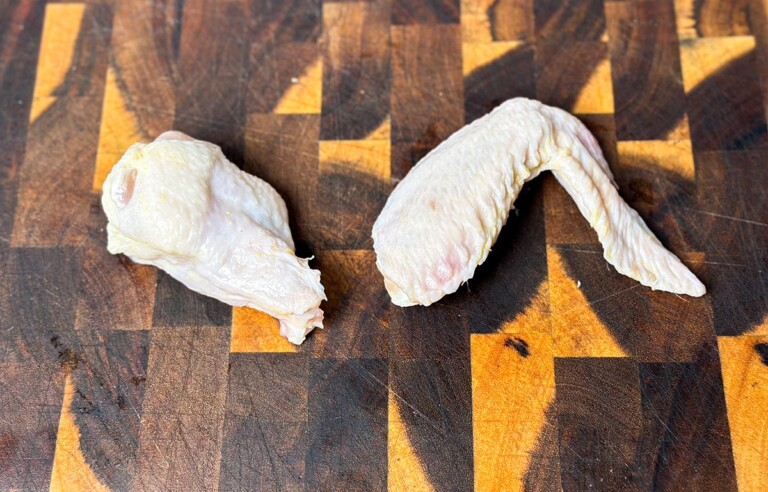 Cutting wings at the natural joint ensures clean edges and even cooking.
Frequently Asked Questions
What are the three main parts of a chicken wing?
A standard split chicken wing has three sections: the drumette (the meaty, handle-like section attached to the chicken’s body), the wingette or flat (the middle section with two parallel bones and thin skin), and the tip (the small, pointed end with very little meat).
How do the three wing parts differ in taste and texture?
Drumettes are meaty, juicy, and rich, with a dense, satisfying bite. Wingettes have a higher skin-to-meat ratio, so they’re extra crispy and hold sauce well, with a tender, delicate meat texture. Wing tips are mostly skin and cartilage, with a crunchy, salty texture when fried, or a gelatinous, rich texture when used in stock.
Which chicken wing part is best for frying?
All wing sections fry well, but the wingette is the most popular choice for fried wings because its higher skin-to-meat ratio creates an extra crispy exterior, and its flat shape holds sauce and seasoning evenly. Drumettes also fry beautifully for a meatier, heartier bite, while fried wing tips make a crunchy, salty snack.
Are chicken wing tips safe to eat?
Yes, wing tips are completely safe to eat as long as they are cooked to an internal temperature of 165°F. Their small bones are soft enough to chew when cooked thoroughly, but many people prefer to use them for stock or discard them due to their low meat content.
Can you freeze raw or cooked chicken wings?
Yes, both raw and cooked chicken wings freeze well. Raw wings will stay fresh for up to 9 months in the freezer, while cooked wings will last 3–4 months. Thaw frozen wings in the refrigerator, not at room temperature, to avoid bacterial growth.
What’s the best way to get extra crispy chicken wing skin?
The #1 rule for crispy skin is to pat wings completely dry with paper towels before seasoning or cooking—any excess moisture will steam the skin instead of crisping it. For extra crunch, toss wings with 1 teaspoon of aluminum-free baking powder per pound of wings before seasoning, and cook on a wire rack (not directly on a baking sheet) to allow air to circulate around the entire wing.
Final Thoughts
Mastering the parts of a chicken wing is the first step to becoming a wing-cooking pro. The drumette’s meaty heft makes it ideal for bold, heavy sauces, while the wingette’s crispy skin and sauce-holding surface are perfect for classic Buffalo or dry rubs. Don’t write off wing tips, either—they’re a free, zero-waste ingredient for rich homemade stock or crispy, salty snacks. Whether you prefer them grilled, baked, fried, or air-fried, knowing how each section cooks will help you avoid common mistakes like soggy skin or undercooked meat. Next time you’re hosting a wing night, try splitting whole wings yourself to save money and reduce waste, and experiment with new sauces and seasonings to find your perfect bite. For more easy, crowd-pleasing recipes to pair with your wings, check out our full collection of simple weeknight meals and game day snacks.

Hi, I’m Daniel Brooks—a food lover and kitchen gear enthusiast. I enjoy testing cookware, utensils, and gadgets to see what really works in everyday cooking. At PlugChef.com, I share honest reviews, comparisons, and simple guides to help you choose the best tools for a safer, smarter, and more enjoyable kitchen.
Related posts:
 How to Make a Fruit Basket for a Gift: Easy DIY Guide
 Do You Need a Basket? Essential Guide for Air Fryers
 Stainless Steel Appliances in a White Kitchen: Stylish Harmony
 Kitchen With White Cabinets And Stainless Steel Appliances: Timeless Elegance
 Culinary Evolution Smart Kitchen Appliances Leomart: Transform Cooking
 How to Clean Kitchen Sink Drain Smell: Easy Tips to Eliminate Odors

